Turkey Tracks: Visiting Essex Farm, Essex, NY

Turkey Tracks:  June 13, 2012

This is part 3 of a longer story.  Scroll down for the beginning…

Visiting Essex Farm

When we arrived, we first saw a small flock of sheep in a fenced pasture alongside the farm road.
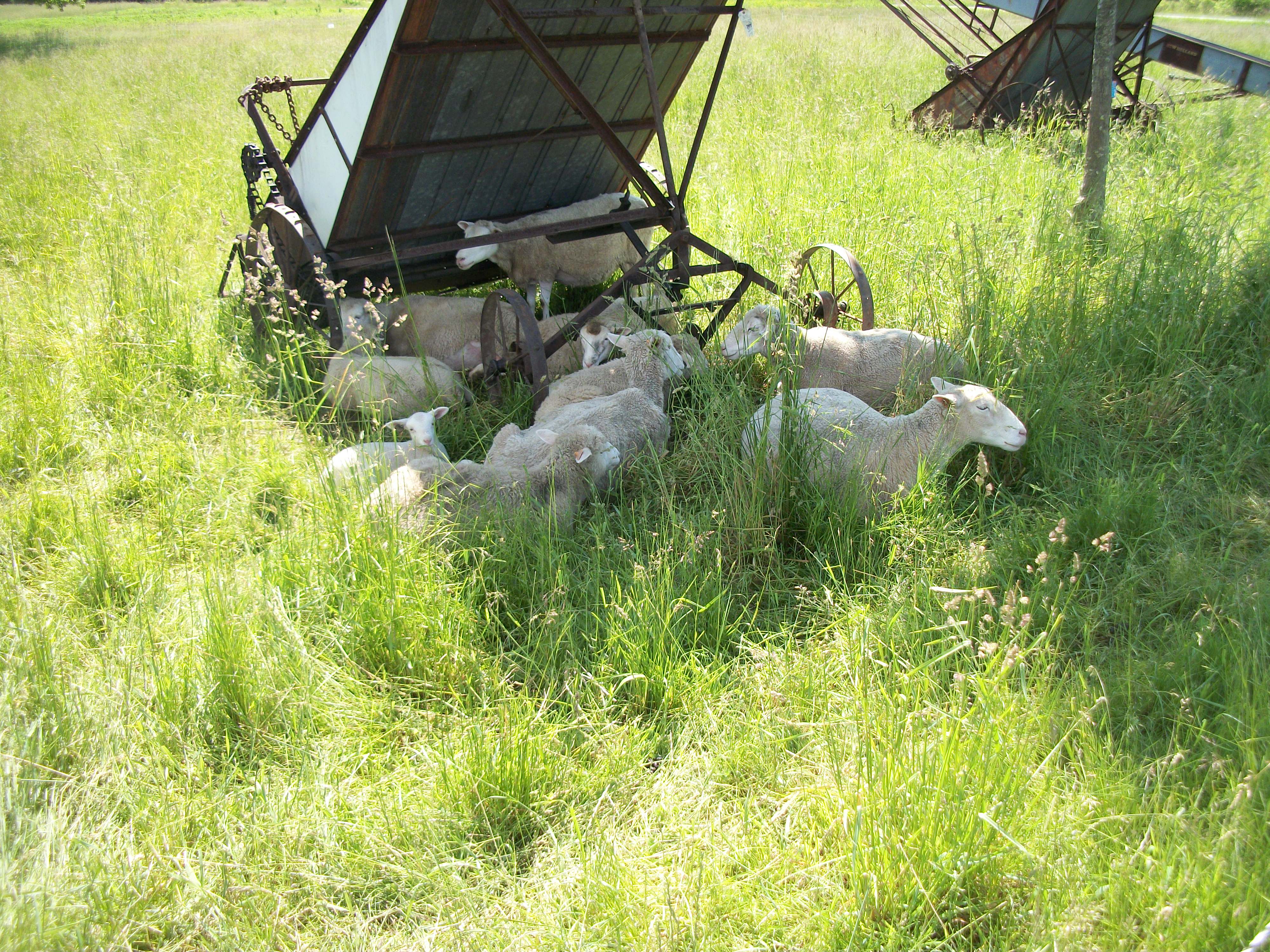
We knew that all of this farm equipment would be made for draft horses to pull.

There was a sheep mother nursing her baby just separated from this small flock–and Kristin told us later in our tour that Mark had just given her this flock for her birthday.  Someone had gifted him with them, and he knew that Kristin had been wanting some sheep for some time.  She’s now looking into animal guard dogs that are bred to live with and protect the animals in their care–as the sheep will be permanently pastured some way from the house.  Essex Farm is 500 acres, which is a lot of land.

We parked and started down the driveway toward the farm buildings, and a small woman with very blue eyes and a big hat stepped from a group of people and said,  “Hi, I’m Kristin.”

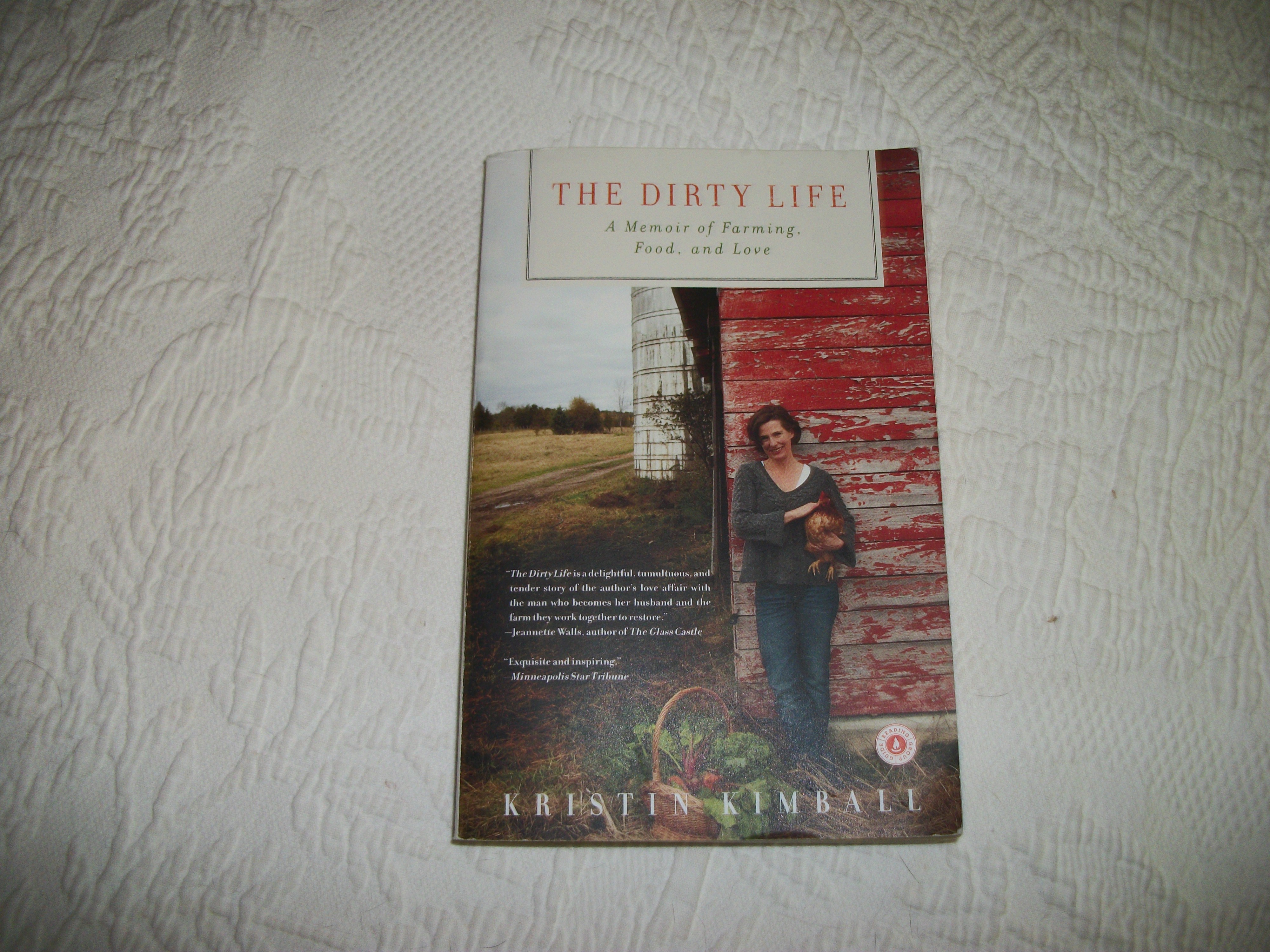
And, there she was–though she looked quite different from the picture on the cover of her book, THE DIRTY LIFE.  Now there are no traces of the city.  Her hair is long and braided, her fair skin glows with health, she’s lean and fit and muscular, and she radiates a very special kind of energy and interest that welcomes her guests to the farm.

There is a hint of some tension, and we soon learned that Mark had pulled a back muscle and was flat on his back at the farmhouse and in great pain and had care of the children.  Somehow, people appear to take care of the children, to collect the eggs from the hen trailer to the north of the farmhouse, to let the horses out of the barn, to prepare a chili for the potluck lunch and for a fundraiser for the local Waldorf school later that evening–and so forth.  It’s a Saturday morning–and the farm crew works, except in high-activity times, from Monday to Friday.  (The CSA weekly food pickup is on Friday.)  Kristin excuses herself from time to time, but makes us feel as if nothing on this earth is stressful or will get in the way of our visit.  And those of us who had read her book knew that this kind of juggling is something she and Mark are well used to doing.

Kristin begins the tour by answering questions about the farm and how it works in the farm’s trailer–where work meetings and common meals take place.  Half of this trailer is a field kitchen–the other half is filled with long tables.  The walls are covered with lists, individual workers’ clip boards, maps of the farm, and so forth.  We begin to realize that the administrative side of a diversified farm that feeds 220 people everything they need all year long is quite complicated.  (This farm’s goal is to replace the grocery store with healthy, clean, nutrient-dense food.)

I love this picture of Kristin.


Outside the trailer is a huge refrigerated truck body and a long open building where CSA members pick up their food–it’s lined with freezer chests.  We begin, though, by walking north, toward the farmhouse and the barns.

Here’s the farmhouse–and the window Kristin writes about in the book is still broken.  The barns and other out buildings are beyond.

The fields near the farmhouse are the “home” fields and are reserved for herbs and flowers.  Here’s a group of guests with Kristin in the chamomile flower row, helping to pull the flowers.  Tara is in the blue plaid shirt on the left, in the front.

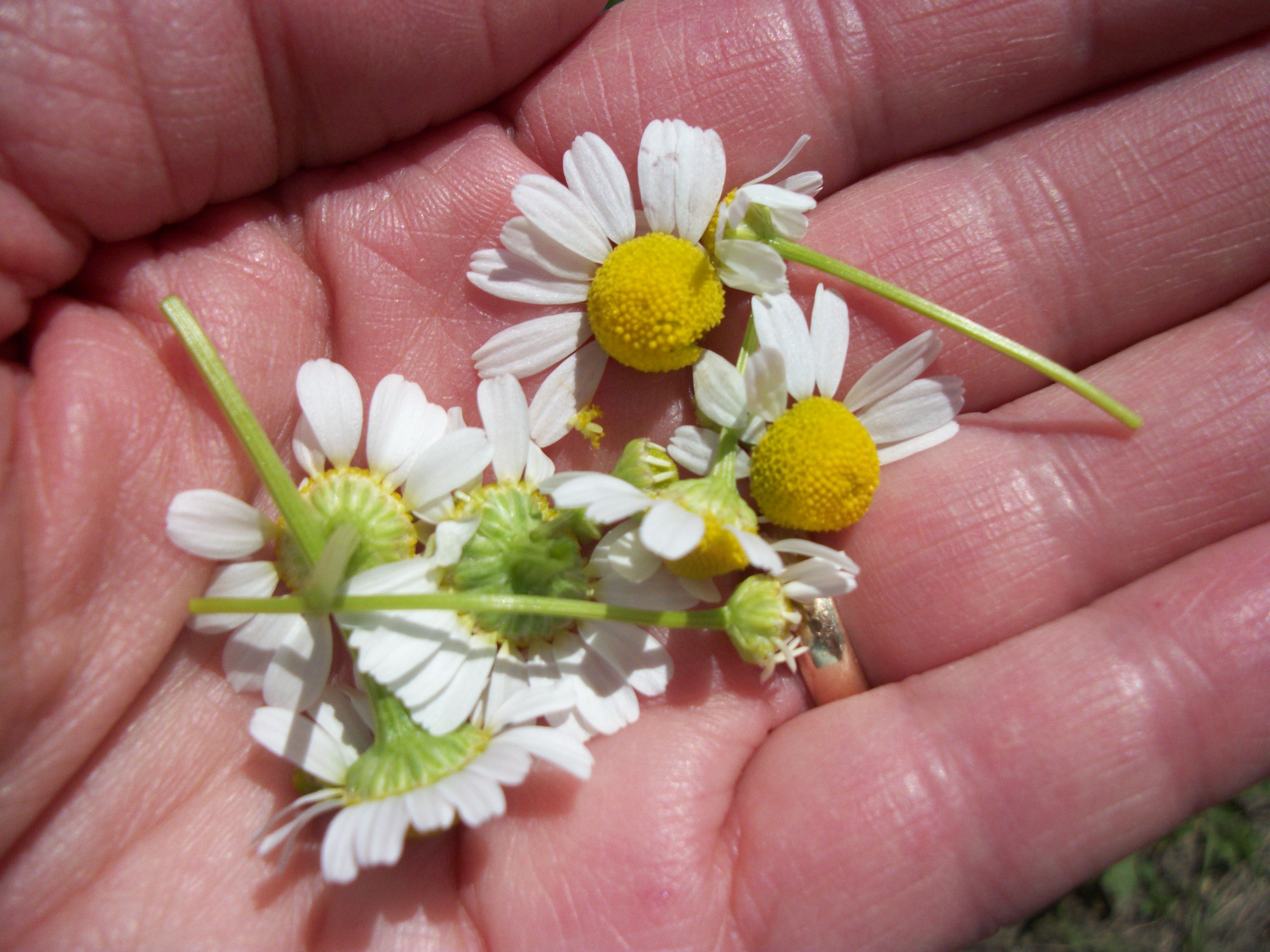
Kristin told us that chamomile tea is made with the chamomile flowers.  She dries them and adds dried mint, lavender, and lemon balm–to make their tea–an idea that really appeals to me.  I’ll be looking for some chamomile plants for this year and seed for the next.   Here are the flowers:
We stop at a hoop house dedicated to raising meat chickens.  The layers are in a tractor in a pasture beyond the barns and are moved daily.  Each small pen within the hoop house houses chickens of different ages (one week, two weeks, etc.).  When they are old enough to be ok with cool nights–which means they have grown enough feathers–they, too, are moved into tractors that allow them to free range on grass.  I think, as with Joel Salatin’s Polyface Farm in Virginia, these chickens “follow” the cows as they rotate through pastures around the farm.

Here’s Tara holding a week old chick, whom she immediately wanted to take home!

These chickens are Cornish crosses, and those of you who read my blog know that I’m not a fan of them.  I tried to interest Kristin in Freedom Rangers, but they had tried them and thought they took too long to develop and didn’t get as big as the Cornish crosses.  They DO take longer, but that means, too, that their bones are really developed, can support their bodies, and have all the minerals they should have for really healthy bone broths.  Before Cornish crosses, it would take 5 months or so to grow a chicken to roasting weight.  Cornish crosses develop in SIX WEEKS!  As for size, the FRs Rose raised were huge–often 6 or 7 pounds in 12 weeks.  Rose does not have the space Kristin and Mark do, so the size/time taken may be a factor of supplemental feeding???

The farm is now powered by a bank of solar panels, which Kristin thought she would hate to see.  But, she thinks they fit in surprisingly well.  I think they got a grant to help install these panels… which, if true, is exactly the sort of help we need to be giving small, diversified farmers who are healing and using our farm lands.

The draft horses were just being let out of the barns as we drew near.  These gentle giants are magnificent creatures.  I think there are four teams here, but Kristin said on really busy days there are 5 or 6 teams in the fields as some of the workers also have teams of their own.  The white pony belongs to the girls.

I didn’t know these draft horses came in a “paint” color.  This one was really friendly.  His partner is also a “paint.”

Gentle giants:

Kristin and Mark are in the process of “tiling” some of their fields as they are too wet.  Tiling is a drainage method that puts a big pipe in a deep trench that drains the water from the field.  Kristin feels that their area is getting wetter and wetter–which is something we are seeing in Maine as well.

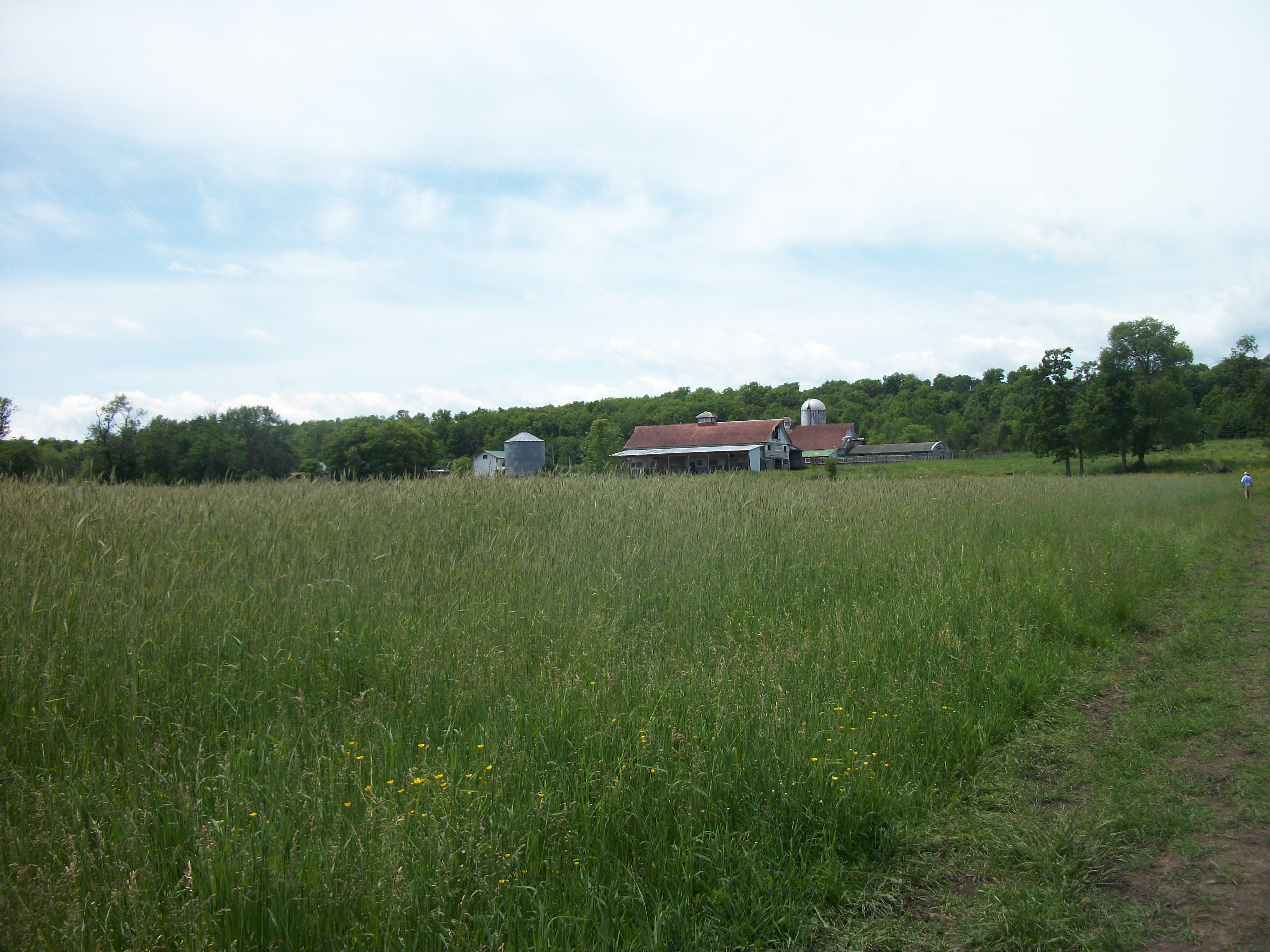
They planted this rye crop in the tiled field, and it’s doing beautifully.  They will harvest the grain and will bale the rye straw and use it for insulation in the home they want to build–a green building method that people are beginning to use more and more.  See, for instance, the current issue of YES! magazine, which is available online.  Straw comes from grain plants and hay is made from grass.  (Kristin’s new book will be about building this home and will have more farm stories.)  Here’s the rye field with the barns/outbuildings in the background.
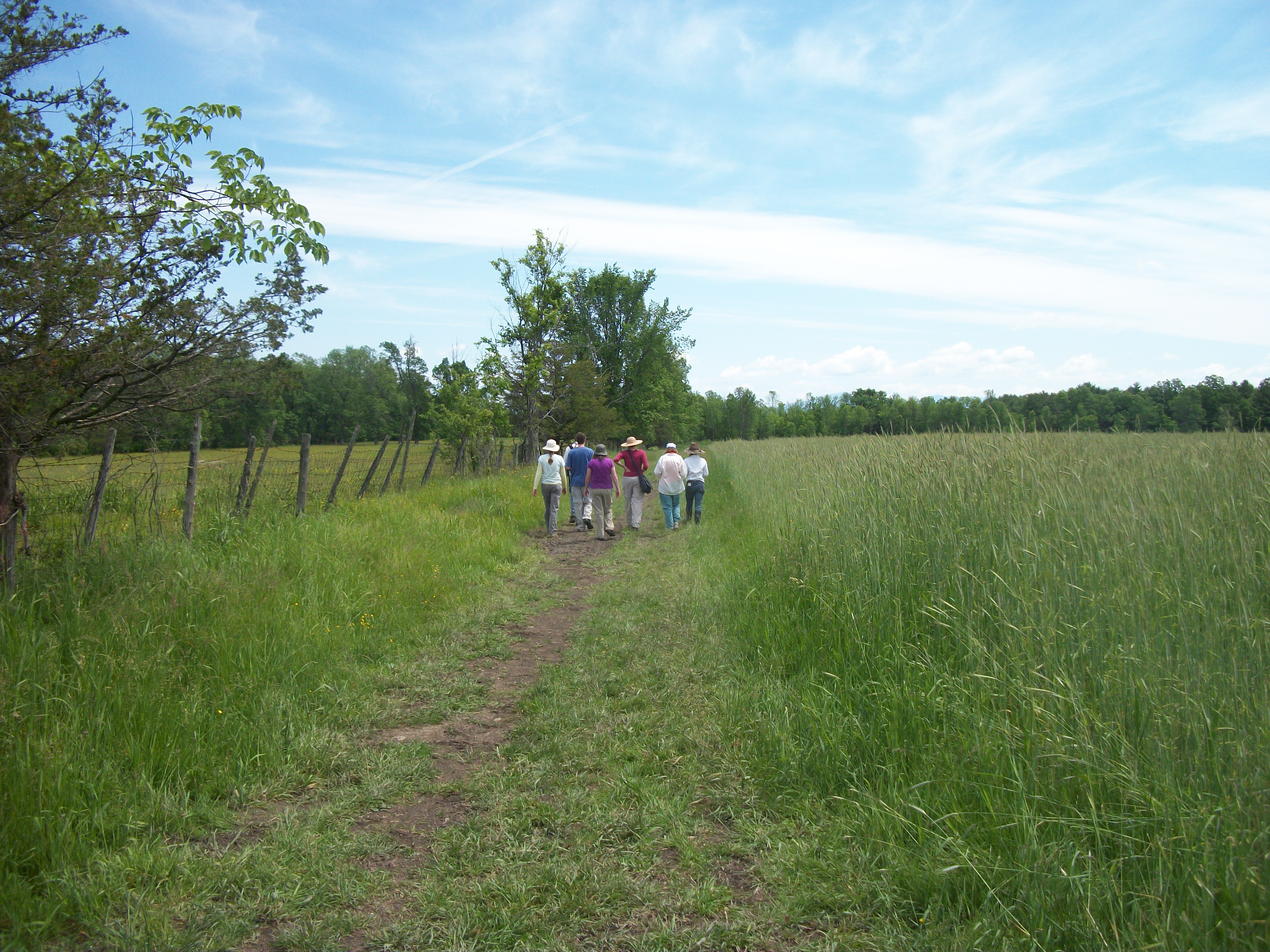
The field that has the best dirt for growing produce is called  “Small Joy,” and we are walking toward it.
Here are Kristin and Tara in front of Small Joy.  You can see how long it is and how much has to be planted to feed 220 people year round.  That’s garlic behind them.  Garlic is planted in the fall, and the scapes, or flower pods, are just coming up now.  Most garlic won’t winter over beyond about now, so it’s lovely to get the scapes in June.  We cut them up and stir-fry them, put them in soups, put them into mayonnaise, and so forth.  They have a light, lovely garlic taste.

We cross Small Joy and circle back to the house–by way of the sheep.  After a fun potluck lunch–where Kristin adds in a fabulous chili with dried beans and sausage–all made on the farm–and bread with deep yellow spring raw butter–and sour cream–and lovely raw milk–I take these pictures of the shed where CSA members pick up their food.  It takes a lot of  Mason jars to put up food for the winter.

And here’s the working end of the meat chicken processing–open air, as it should be.  The cones are where the chickens are suspended to drain out blood into the funnel below them.  The table makes cleaning the chickens easy.  there are also vats for hot water, a really good plucker, and a vat for cooling off the cleaned chickens.  Everything can be washed off when the work is done.

We left Kristin and Essex Farm reluctantly.  But everyone was tired and it was time to go.  We didn’t see the highland cattle, or the pigs, or the sugar bush (maple syrup), or the borrowed dairy bull, or the dairy cows.  And I didn’t take so many pictures I should have.  I am particularly regretting not taking a shot of the buckets full of eggs from the layers–brought down from the upper pastures by a sweet young woman who stopped by to say “hi” and got drafted into helping out.

I could have stayed on that farm forever!  It’s so full of life and love and energy and good things happening.  It makes me think there is hope for healthy, nourishing, nutrient-dense food in America

Turkey Tracks: Going to Essex Farm, Essex, NY

Turkey Tracks:  June 13, 2012

This is part 2, scroll down for part 1 of this story

Going to Essex Farm, Essex, NY

Essex Farm in Essex, NY, is due west of Camden, Maine–as I discovered when I got out our maps.  Essex is about 6 1/2 hours from Camden, which includes crossing Lake Champlain on the Charlotte-Essex ferry.

My original plan with Tara Derr Webb was to drive south to her place in Accord, NY, which is near Kingston, NY (about 90 minutes north of NY City), travel with her to Essex on Saturday morning, spend the night in Essex, travel back to Accord, and then head home.  The maps showed us both that Essex is waaaay closer to Camden than Accord.   Besides, Tara was in the midst of final packing and would be leaving Accord on Tuesday.

We agreed to meet at the Essex Inn on Saturday morning, June 9th.   I had invited John to come with me, as neither of us had ever been west in Maine, nevermind seeing northern New Hampshire and Vermont.  He and I would drive to Essex on Friday and stay at the Inn, which also had what looked like a nice restaurant.

Western Maine is beautiful, and one gradually drives up into the mountains which host some pretty amazing ski resorts.  In New Hampshire and Vermont, we drove through the White Mountains and across the northern part of the Green Mountains.  The scenery is breathtaking–filled with dense mountains, rushing rivers, and mountain farms.  Outside of Burlington, Vermont, we went south to get on the Charlotte-Essex Ferry.  Lake Champlain is bordered by lush farms and ringed by mountains–on the New York side, it’s the Adirondacks.   Here’s what we saw at the ferry:

If you’ve never been on a car ferry, here’s what one looks like:

John had loved the whole day–going through tiny mountain towns, stopping to eat in Goram and talking to local people.  But we were both blown away by the beauty of Lake Champlain, with its ring of mountains.  Here’s John on the ferry:

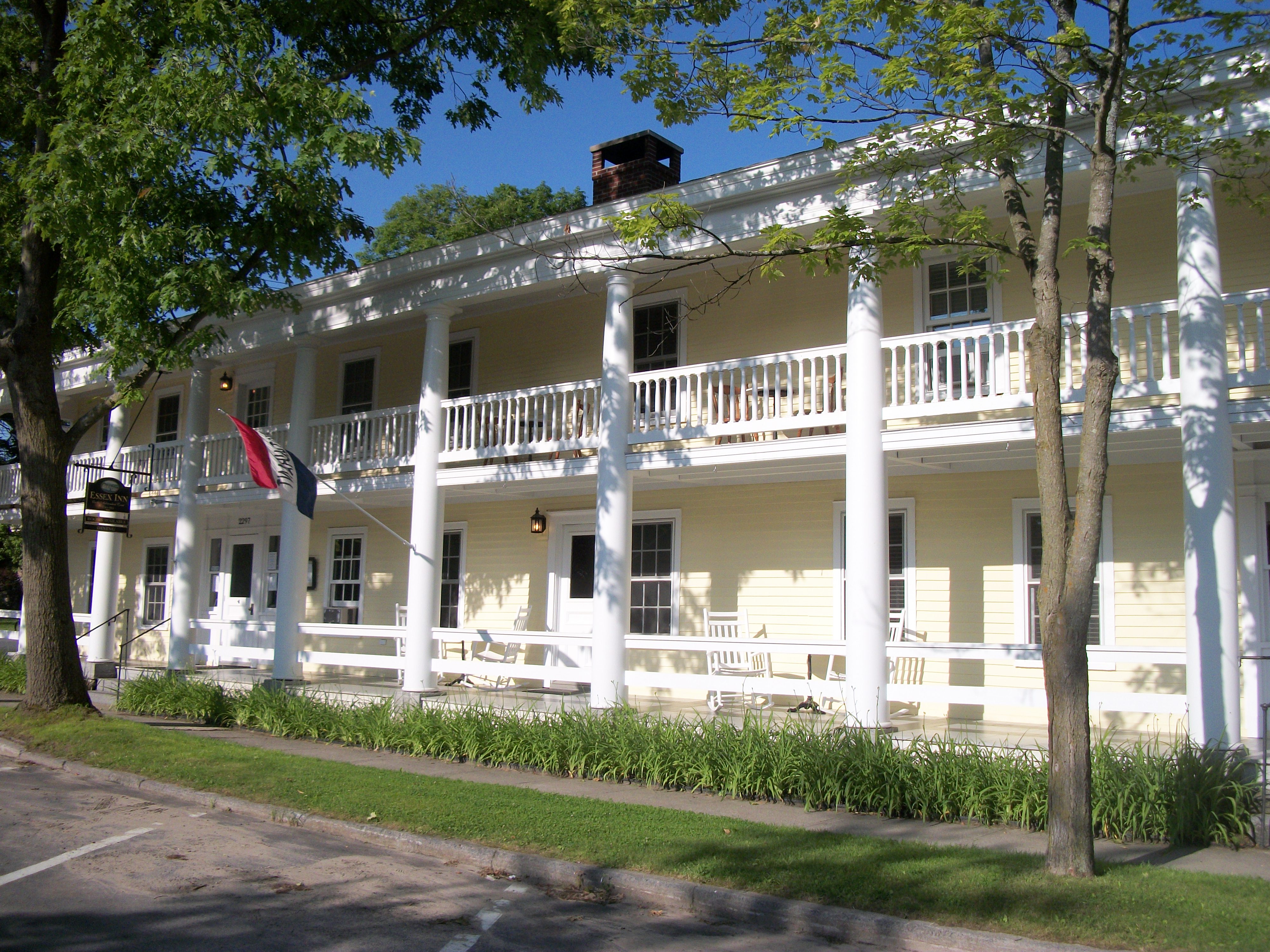
The town of Essex is tiny, but is visited, in summer, by folks escaping the city who want some cool lushness.  Here’s what the Essex Inn looks like:

We settled in, had tea on this beautiful porch, had a lovely dinner inside, and slept well–anticipating seeing Tara and Kristin and Mark and the farm the next morning.

TurkeyTracks: Essex Farm in Essex, NY–THE DIRTY LIFE

Turkey Tracks:  June 13, 2012

This is Part I of a longer story…

Essex Farm–THE DIRTY LIFE

About 10 years ago, Kristin Kimball, a Harvard graduate, was earning enough with her free-lance writing to live in New York City.  One day Kristin drove six hours (Pennsylvania, I think) to interview a first-generation farmer named Mark, a Swarthmore graduate who had cobbled together an agricultural degree since he always knew he wanted to farm.  Kristin’s life changed forever upon meeting Mark.  She left behind high heels, meeting for coffee, and all the entertainment a large city offers.

That meeting started Kristin on a journey which led to Essex Farm in Essex, NY–which is just south of Burlington, Vermont, and, of course, across the narrow end of Lake Champlain.  Essex Farm had been leant to them to see if they could make a go of it, which is, in itself, a large bit of the magic that surrounds this story and this journey.  Essex Farm, when they first saw it in the fall, was “sleeping,” as Mark expressed it.  They spent that first winter in an apartment in town (while waiting for the leases of the current tenants of the farmhouse to expire) and spending the days on the farm repairing equipment and some of the buildings.  They bought their first cow and learned to milk her.

Together, over the past nine years, Kristin and Mark have built a farm that feeds 220 people all year long with all the food they need–pork, chickens, beef, milk, eggs, various grains ground into flour, maple syrup, honey, and about 40 different kinds of vegetables, including all the root vegetables that get one through a “north country” winter.  They now have hired 12 employees  and are the largest employer in Essex.  And, they have produced two beautiful little girls and are going to build a family home just behind the major farm buildings.

Kristin’s memoir of their first year on the farm–a year culminating in their marriage–was published in 2010–THE DIRTY LIFE.  It’s a tale of great joys and great despair.  It’s a tale of learning who you really are and what’s important in life.  It’s a tale of learning a whole passel of new skills–like farming with draft horses.  It’s a tale of commitment and how they supported themselves and how a community supported and held them in their times of greatest need.  It’s a tale, now, of many lives being lived fully and, perhaps, of the raising of a new generation of farmers, for Essex Farm has spawned four farms now and two children who will, at least, grow up to know how to farm.

So, Tara Derr Webb read THE DIRTY LIFE about 18 months ago.  Tara grew up with our two sons and had recently moved from the West Coast to Charleston as she and her husband Leighton were ready to put down more permanent roots.  Both Tara and Leighton have forgotten more about food than I will probably ever know.  And now they both wanted to participate in some major way in the farm/food/restaurant matrix.

After reading THE DIRTY LIFE, Tara knew she wanted to do more, personally, with the farm end of the foodway.  So, she signed up to visit several WOOF (Worldwide Organization of Organic Farmers or, also, Willing Organization of Organic Farmers) farms.  The first was near Atlanta.  After being there almost two weeks, a goat mother died just after birthing.  Tara put the baby in her car and brought her home to Isle of Palms, SC, and raised her.   She also made what will probably be lifelong friends on that farm.

Tara wanted to move further north–to the Husdon Valley area of New York–itself a farm foody place.  So she and Leighton rented land for a year to try out the northern farming experience.  They didn’t like it–didn’t like the cold, didn’t feel it was right on their skin.  So, they have just rented land north of Charleston that they will begin to farm.  (They now have three goats and plan on getting about 100 chickens.)  There will also be a restaurant, but you can let Tara herself tell you that part of the story on her Farmbar website.)

When we were in Charleston in late May, Tara was there as well–figuring out fence lines, working out details for their move back South and so forth.  She told me Kristin was having an open house June 9th and asked it I would like to come.  I slept on it, but knew I had to go.

Yes, I said, and got out maps as soon as I got home.

XXX

Books, Documentaries, Reviews: My Read Piles, March 2012

Books, Documentaries, Reviews:  March 2012

My Read Piles, March 2012

Here’s what’s in my read pile, NONFICTION:

Here’s my FICTION read pile:

THE SWEET LIFE IN PARIS has what appears to be some good recipes.  But, of course, it’s all about sugar and white flour.  There are, however, a few recipes that use buckwheat flour.  Buckwheat, strictly speaking is not a grain.  It’s a kind of fruit.  I have a mix from our CSA, Cheryl Wixson’s Kitchen, that is a chocolate cake made with buckwheat.  I will try that…

I enjoyed the cultural discussions of how different the French are from Americans.  My Cultural Studies studies demonstrated quite clearly that “we are NOT all alike under the sun.”  In fact, different population groups are radically different in many ways.  So, it was fun to read about these cultural difference.

I’m reading LET THE GREAT WORLD SPIN now.  It’s beautifully written.  I’m about half way through, but am only reading a few pages at night as I’ve been going to bed late, and I’m tired.  My daytime reading is mostly nonfiction–so I can keep up with the essays and “interesting information” for this blog.

XXX

Interesting Information: Maine’s Olympia Snowe Retires and Rush Limbaugh Verbally Strikes A Young Woman

Interesting Information:  March 4, 2012

Maine’s Olympia Snowe Retires

and

Rush Limbaugh Verbally Strikes A Young Woman

Olympia Snowe is a grand person, smart and caring of her constituents.

Her voice of reason will be missed.  In Maine.  In America.

She is leaving the Senate because she feels she can no longer be effective in the polarized world of American politics.

***

Rush Limbaugh went on a rant that attacked a young woman with an opinion different from his.  He called her a slut, a whore, and a prostitute.  On air.  To a national audience.  He asked that she make tapes when she had sex and show them to the world.

***

 How did we get to such a place in America where one party’s desire to unseat a President trumps all the other business of the country?  Where a man who has been married four times, who illegally took drugs, and who sells hatred daily can call a beautiful, educated young woman such vile names in public?

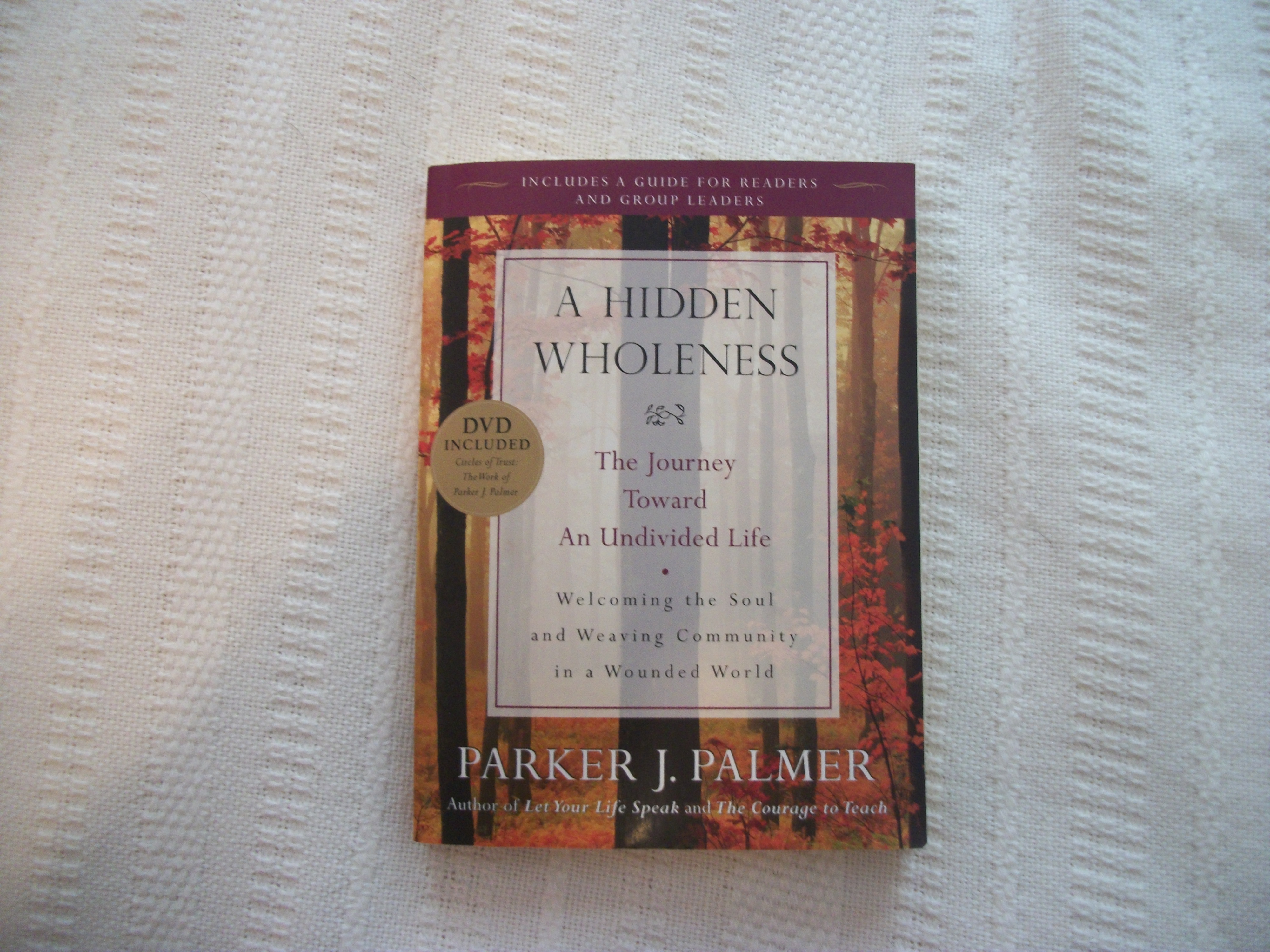
Parker J. Palmer surfaces one answer in A HIDDEN WHOLENESS:

Palmer, a Quaker, suffered from life-threatening depression.  Eventually, he figured out our modern culture cleaves us into two pieces–so that the essence of our self is separated from how we live our lives.  Here’s his discussion of his problem–which is one answer to what is happening in America today (37-39):

We can reclaim our lives only by choosing to live divided no more.  It is a choice so daunting–or so it seems in the midst of depression–that we are unlikely to make it until our pain becomes unbearable, the pain that comes from denying or defying true self.

 Secularism denies true self by regarding us as raw material.  Moralism–the pious partner in this odd couple–achieves the same end by translating “self” into “selfishness” and insisting that we banish the word from our vocabulary.  The whole problem with our society, the moralists claim, is that too many people are out for themselves at the expense of everyone else.  This New Age emphasis on self-fulfillment, this constant “cult of me,” is the root cause of the fragmentation of community that we see all around us.  Or so the moralists argue.

Deep caring about each other’s fate does seem to be on the decline, but I do not believe that New Age narcissism is much to blame.  The external causes of our moral indifference are a fragmented mass society that leaves us isolated and afraid, an economic system that puts the rights of capital before the rights of people, and a political process that makes citizens into ciphers.

These are the forces that allow, even encourage, unbridled competition, social irresponsibility, and the survival of the financially fittest.  The executives who brought down major corporations by taking indecent sums off the top while wage earners of modest means lost their retirement accounts were clearly more influenced by capitalist amorality than by some New Age guru.

But before I go too far in assigning blame, let me name the real problem with the moralists’ complaint:  there is scant evidence for their claim that the ‘cult of me” reigns supreme in our land.  I have traveled this country extensively and have met many people.  Rarely have I met people with the overweening sense of self the moralists say we have, people who put themselves first as if they possessed the divine right of kings.

Instead, I have met too many people who suffer from an empty self.  They have a bottomless pit where their identity should be–an inner void they try to fill with competitive success, consumerism, sexism, racism, or anything that might give them the illusion of being better than others.  we embrace attitudes and practices such as these not  because  we regard ourselves as superior but because we have no sense of self at all.  Putting others down becomes a path to identity, a path we would not need to walk if we knew who we were.

The moralists seem to believe that we are in a vicious circle where rising individualism and the self-centeredness inherent in it cause the decline of community–and the decline of community, in turn, gives rise to more individualism and self-centeredness.  The reality is quite different, I think:  as community is torn apart by various political and economic forces, more and more people suffer from the empty self syndrome.

A strong community helps people develop a sense of true self, for only in community can the self exercise and fulfill its nature:  giving and taking, listening and speaking, being and doing.  But when the community unravels and we lose touch with one another, the self atrophies and we lose touch with ourselves as well.  Lacking opportunities to be ourselves in a web of relationships, our sense of self disappears, leading to behaviors that further fragment our relationships and spread the epidemic of inner emptiness.

As I view our society through the lens of my journey with depression–an extreme form of the empty self syndrome, an experience of self-annihilation just short of death–I am convinced that the moralists have got it wrong:  it is never “selfish” to name, claim, and nurture true self.

There are selfish acts, to be sure.  But those acts arise from an empty self, as we try to fill our emptiness in ways that harm others–or in ways that harm us and bring grief to those who care about us.  When we are rooted in true self, we can act in ways that are life-giving for us and all whose lives we touch.  Whatever we do to care for true self is, in the long run, a gift to the world.

Olympia Snowe knows herself.  She stands on and acts out of her values.  It really scares me that she feels that things in Washington are so far gone that she can be of no more use.

Rush Limbaugh is a moral abyss.  He creates and sells the hatred of a host of “others.”  He laughs all the way to the bank.  Every day.

There can be no community within Limbaugh’s kind of worldview, for there can be no place for difference.  Is this the kind of America we all want to live within?

Not me.  Not ever.

Books, Documentaries, Reviews: A HIDDEN WHOLENESS, Parker J. Palmer

Books, Documentaries, Reviews:  February 3, 2012

A HIDDEN WHOLENESS:  THE JOURNEY TOWARD AN UNDIVIDED LIFE:

Welcoming the Soul and Weaving Community in a Wounded World

by

Parker J. Palmer

Parker J. Palmer is a Quaker and is someone who suffered what was, apparently, really serious depression.  Gradually, he began to realize that his inner life was sharply divided from his outer, lived life–and that divide was making him sick.  Using practices from his Quaker heritage, he devised and recommends taking part in a guided (by a trained practitioner) “circles of trust” practice.  These circles are manned by trusted companions and can meet one time when someone needs to sort out a life problem or can form and meet  over a stated cycle, like four times a year.  The circles allow participants to be heard and to hear themselves, and from that practice, ways emerge to handle problems or worries.  Palmer would say that participants learn to speak their “truth.”  No one “fixes,” advises, etc.  Circle participants just listen.  Also, what occurs in the circle, stays in the circle, so only people with the integrity to keep this pact should take part.

Palmer is deeply interested in creating, nurturing, and maintaining viable communities, and he believes that to do that, we must be able to hear each other.  Here’s how Palmer describes what happens when we try to fix and advise (116-117):

  So what do we do in a circle of trust?  We…speak our own truth; we listen receptively to the truth of others; we ask each other honest, open questions instead of giving counsel; and we offer each other the healing and empowering gifts of silence and laughter.

This way of being together is so countercultural that it requires clear explanation, steady practice, and gentle but firm enforcement by a facilitator who can keep us from reverting to business as usual.  But once we have experienced it, we want to take this way of being into other relationships, from friendship and the family to the workplace and civic life.

If we are to embrace the spirit as well as the letter of the law that governs a circle of trust, we need to understand why the habit of fixing, saving advising, and setting each other straight has such a powerful grip on our lives.  There are times, of course, when that habit is benign, when what grips us is simple compassion.  You have a problem, you share it with me, and wanting to help, I offer you counsel in the hope that it will be useful.  So far, so good.

But the deeper your issue goes, the less likely it is that my advice will be of any real value.  I may know how to fix your car or help you write a paper, but I do not know how to salvage your failing career, repair your broken marriage, or save you from despair.  My answer to your depest difficulties merely reflects what I would do if I were you, which I am not.  And even if I were your psychospiritual clone,  my solution would be of little use to you unless it arose from within your soul and you claimed it as your own.

In the face of our deepest questions–the kind we are invited to explore in circles of trust–our habit of advising each other reveals its shadow side.  If the shadow could speak its logic, I think it would say something like this:  “If you take my advice, you will surely solve your problem.  If you take my advice but fail to solve your problem, you did not try hard enough.  If you fail to take my advice, I did the best I could.  So I am covered.  No matter how things come out, I no longer need to worry about you or your vexing problem.”

The shadow behind the “fixes” we offer for issues that we cannot fix is, ironically, the desire to hold each other at bay.  It is a strategy for abandoning each other while appearing to be concerned.  Perhaps this explains why one of the most common laments of our time is that “no one really sees me, hears me, or understands me.”  How can we understand another when instead of listening deeply, we rush to repair that person in order to escape further involvement?  The sense of isolation and invisibility that marks so many lives–not least the lives of young people, whom we constantly try to fix–is due in part to a mode of “helping” that allows us to dismiss each other.

When you speak to me about your deepest questions, you do not want to be fixed or saved:  you want to be seen and heard, to have your truth acknowledged and honored.  If your problem is soul-deep, your soul alone knows what you need to do about it, and my presumptuous advice will only drive your soul back into the woods.  So the best service I can render when you speak to me about such a struggle is to hold you faithfully in a space where you can listen to your inner teacher.

Palmer’s take on “fixing” is especially interesting to me as I come from a family of “fixers.”  And, have been a “fixer” myself.  Hmmmmm.  I don’t think “fixing” works too well.  I read this book before Christmas, and I’m still thinking about many of the things Palmer poses, especially the strong place he holds for developing community through nourishing the inner life, the soul, of each person–which works to heal the cultural divide we seem to have created between values that foster humanity and values that foster the market.

Books, Documentaries, Reviews: FRIDAY NIGHT LIGHTS

Books, Documentaries, Reviews:  January 23, 2012

FRIDAY NIGHT LIGHTS

John and I love stories.  In the evenings, we watch movies or television series.  We love nothing better than getting hold of a long television series which we can watch night after night.  We don’t have to wait to see what happens next because we can always sit up later to watch and see.  And there are no ads.  And I can knit or sew quietly to my heart’s content.

We just finished FRIDAY NIGHT LIGHTS–which ran for 5 years.  There are 76, wonderful episodes.  We both loved the series.

Now, neither John nor I follow sports, and this series is about high-school football in West Texas.  Only, it’s also about problems that people struggle with every day:  politics, race, parenting, acquiring and keeping good jobs, and so forth.  The characters are wonderful–not a stereotypical one in the bunch.  The stories compelling, and we are still grieving that it’s really over, that we’ve watched them all.

Warning:  watch the first episode, and you’ll be hooked.

Books, Documentaries, Reviews: Semper Fi: Always Faithful

January 23, 2012

Somehow I seem to have not shared with you the amazing weekend in late September/early October we spent at the Camden International Film Festivalk or CIFF, as we know it locally.  We’ve attended almost since it began–maybe missing the first year.  Every year it gets better and better, and it’s been fun watching many of the films we’ve seen go on to national prominence.  CIFF’s national and internationational reputation is growing, growing, so that helps with the quality of the films submitted.

Many of the films have the power to blow holes in the watcher’s head.  This year we saw a number of those.  Among them was SEMPER FI:  ALWAYS FAITHFUL–the story of one of the largest water contamination disasters in U.S. history.  The location, the Marine base Camp Lejeune, where the Marines, for DECADES, covered up the fact that the drinking water was lethal.  The tip of the iceberg here is that this kind of pollution is likely to be found at many military bases and is, also, being covered up.  The hook of the film is that Marine (myth?) is that the Marines are one big family where family members are loved and protected.

Here’s a recent Washington Post story about the film.

http://www.washingtonpost.com/national/health-science/documentary-reveals-how-contaminated-water-at-the-nations-largest-marine-base-damaged-lives/2012/01/10/gIQAfpy4GQ_story.html?wpisrc=nl_headlines

And, here are some other titles to watch for or be aware of:

HELL AND BACK AGAIN–the CIFF opening night film about a 25-year old career soldier whose wounds in Afghanistan mandate his return to a civilian life and to a life where his physical well-being is compromised forever–something young soldiers, who are willing to die during service, somehow, never see coming.

DOWNEAST–this story of the struggtle to replace a closed canning factory way up “downeast” with a lobster-packing business–which replaces 128 lost jobs with new work–garnered a standing ovation from the audience–especially when the audience realized the new owner and his family were present in the audience.  Entrepreneur Antonio Bussone runs headlong into entrenched local politics–to include those on the local boards who also work with lobsters and who do not want his business to come to fruition.  The film is an excellent look at the complexity of local change, of what happens when businesses close locally and move elsewhere–in this case to Canada.

A “SECRET CINEMA” early screening of an unnamed film about a social movement in South Africa protesting evictions from squatter homes near major cities.

Another “SECRET CINEMA” early screening about “the unregulated international machine that produces–though ambition, emotion, greed, hope, disillusionment–beauty.  Set in Russia and Japan (Russian girls are chosen to go to Japan to work as fashion models), the film details the terrible exploitation that occurs to under-age Russian girls.  In many ways, the practices detailed in the film play into the sex trade.

UNFINISHED SPACES–a film set in Cuba about architects chosen in the early 1960s to design and build Cuba’s National Art Schools.  The amazing buildings were halted before they were fully completed–for political reasons–and are now being completed.

BETTER THIS WORLD–a chilling film about two young men from Midland, Texas, who attend the 2008 Republican convention with the goal of protesting.  But, they have been drawn into these actions by a man hired as an undercover government informant.  They are arrested by a zealous prosecutor on terrorism charges, though they did nothing violent.  (They made molatov cocktails, but abandoned them.)  One is turned against the other through threats of prison time and promises of plea bargains.  It’s a terrible story that every American should know.

A program of short films started each day, and for the first time we attended and enjoyed them.

Books: Internal Bliss

Books:  October 12, 2011

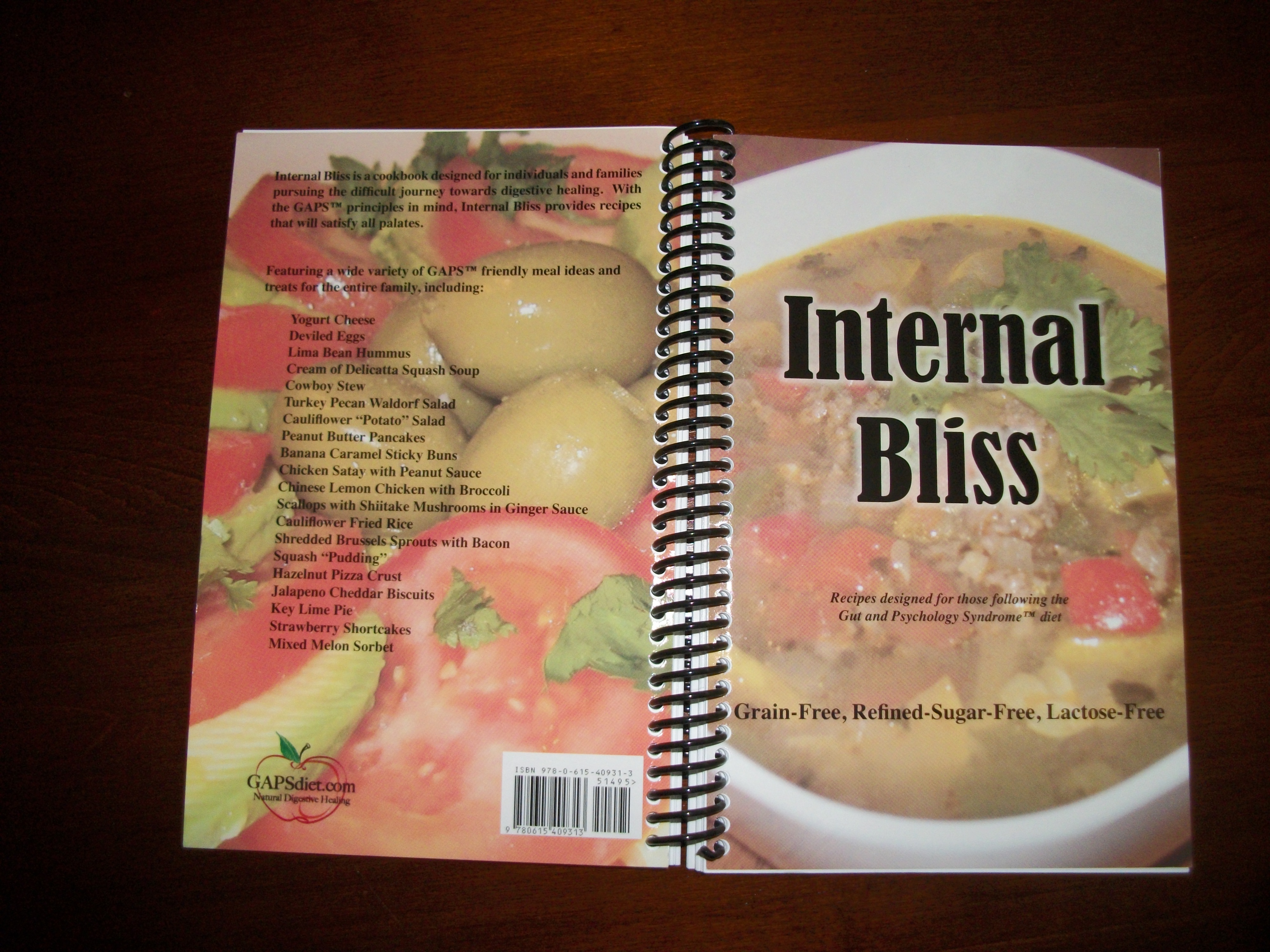
Internal Bliss

The GAPS folks–Gut and Psychology Syndrome–have a cookbook out that helps those needing the GAPS diet–which is likely most of us these days–learn how to cook without using grains, sugars, and starchy vegetables.  You can order the main GAPS book and this new cookbook together on the GAPS diet web site:  http://www.gapsdiet.com/.  Or, you can order the cookbook alone.  The original GAPS book also has a lot of menus and recipes.  The main GAPS web site, which deals more with the GAPS problem at large, is  http://gaps.me.

I have written about the GAPS history and program in Mainely Tipping Points Essays 31 and 32, available on this blog.

Mainely Tipping Points 33: GO WILD!

Mainely Tipping Points 33

GO WILD!


Sandor Ellix Katz’s WILD FERMENTATION: THE FLAVOR, NUTRITION, AND CRAFT OF LIVE-CULTURE FOODS arrived last week.  I found myself dropping all other activities and reading it straight through. 

By noon the next day I had a ball of cloth-wrapped cheese hanging from a kitchen knob, dripping away the last of its whey. 

In two days’ time I had a quart mason jar filled with fermenting kale leaves, or Gundru, a Tibetan ferment.  (You can’t imagine how many kale leaves it takes to fill a quart jar once you’ve wilted them in the sun and pounded them so that they release their juices—the leaves of about eight kale plants.)  And now I’m eyeing the crocks over my stove, bought for decorative purposes mostly, and wondering what from the fall harvest I can ferment next. 

Katz, who is a charming writer, would say “lots of things.”  And, indeed, Katz discusses how to ferment vegetables, fruits, beans, dairy, grains and breads, beverages, wines, beers, and vinegars.  “Fermentation,” writes Katz, gives us many of our most basic staples, such as bread and cheese, and our most pleasurable treats, including chocolate, coffee, wine, and beer” (2).

Microscopic bacteria and fungi, or microflora, are, writes Katz, agents of transformation; they feast upon decaying matter and shift dynamic life forces from one creation to the next (2).  That’s why “fermented foods and drinks are quite literally alive with flavor and nutrition.  Their flavors tend to be strong and pronounced,” like “stinky aged cheeses, tangy sauerkraut, rich earthy miso [made traditionally, which can take several years], smooth sublime wines.  Human have always appreciated the distinctive flavors resulting from the transformative power of microscopic bacteria and fungi” (5).     

But, why should we home cooks ferment anything?  First, fermented foods we make for ourselves are guaranteed to be very rich in enzymes. 

You might recall me writing in earlier Tipping Points essays about Edward Howell’s theory on enzymes.  Howell, who died in 2000 at the age of 102, spent his life studying the role of enzymes in health and disease.  He posited that if one does not eat enzyme-rich foods, the body has both to use existing stored enzymes and to work harder to digest foods, all of which takes a toll.  Ron Schmid, in THE UNTOLD STORY OF MILK, notes Howell’s assessment that humans have lower levels of starch-digesting enzymes in their blood than other creatures and higher levels in their urine, which means their resident enzymes are being used up faster.  And, as Schmid notes, based on various studies, it’s clear that diets deficient in enzymes result in shortened life spans (101-105).  Certainly this assessment is a piece of the growing body of information pointing toward the health problems associated with starchy carbohydrate-heavy diets. 

Second, fermentation removes toxins from foods.  All grains, nuts, seeds, and tubers contain inhibitors (phytic acids) which block human absorption of nutrients.  These inhibitors are inactivated by traditional food preparation methods that involve soaking in acids, like whey or lemon juice, which begins a fermentation process, or by sprouting (101-105).  Few, if any, commercial foods have been properly prepared so as to inactivate nutrient inhibitors while, at the same time, preserving nutrients.  Thus, unless you are properly preparing these foods, your body isn’t getting all of the nutrients in these foods and is, to add insult to injury, struggling to digest them. 

Fermentation can remove toxins as powerful as cyanide from cassava, an enormous tuber used in tropical regions of the Americas and, now, in Africa and Asia.  Other toxins fermentation can eliminate or reduce include nitrites, prussic acid, oxalic acid, nitrosamines, and glucosides (7). 

Third, fermentation preserves food because it produces “alcohol, lactic acid, and acetic acid, all `bio-preservatives’ that retain nutrients and prevent spoilage.”  Hence, highly perishable foods, like vegetables, fruits, milk, fish, and meat, can be stored after harvest for consumption in leaner seasons.  Or, as Captain James Cook discovered during his eighteenth century explorations, preserved fermented sauerkraut prevented scurvy during long ocean voyages (5).      

“Microscopic bacteria and fungi,” writes Katz, “…are in every breath we take and every bite we eat.”  These microflora are “in a symbiotic relationship” with humans.  They “digest food into nutrients our bodies can absorb, protect us from potentially dangerous organisms, and teach our immune systems how to function” (2).  Most importantly, writes Katz, “we need to promote diversity among microbial cultures” in our bodies because “biodiversity is increasingly recognized as critical to the survival of larger-scale ecosystems” (11).        

Not all fermented foods are alive when you eat them.  Bread, for instance, must be cooked.  But, the most nutritious fermented foods, such as yogurt, are consumed alive (7).  Or, such as sauerkraut, which I make by the half-gallon and keep in our refrigerator as a ready “asset” to compliment a meal.  I used red cabbage for my current batch, and it is the loveliest deep ruby color.   

 Live yogurt and sauerkraut couldn’t be easier to make, and I have time-tested recipes for both in the recipe section of this blog.  I have not yet tried Katz’s recipe, but it has some really exciting suggested additions.  Plus, Katz’s sauerkraut lives in a crock in a cool place and does not require refrigeration.   

 Fourth and finally, fermenting is a political act, an act that stands in stark opposition to what Sally Fallon Morell of the Weston A. Price Foundation, who wrote the introduction to WILD FERMENTATION, describes as “the centralization and industrialization of our food supply.”  Real culture, writes Fallon, “begins at the farm, not in the opera house, and binds a people to a land and its artisans.”  Many commentators, notes Fallon, have said that America lacks culture.  But, “how can we be cultured when we eat only food that has been canned, pasteurized, and embalmed?” (xii).  Food artisans ferment food, and they are increasingly being regulated out of existence by the government in the name of “food safety”—which is nothing more than industry’s power in a so-called “free market” to eliminate all its competitors.    

Katz writes the following:  “Thinking about mass food production makes me sad and angry.  Chemical mono-crop agriculture.  Genetic engineering of the most basic food crops.  Ugly, inhumane factory animal breeding.  Ultra-processed foods full of preservative chemicals, industrial byproducts, and packaging.  Food production is just one realm among many in which ever more concentrated corporate units extract profits from the Earth and the mass of humanity” (163). 

 Katz encourages us to “draw inspiration from the action of bacteria and yeast, and make your life a transformative process.”  Wild fermentation, he writes “is the opposite of homogenization and uniformity, a small antidote you can undertake in your home, using the extremely localized populations of microbial cultures present there to produce your own unique fermented foods” (21).  

Take back your power, Katz urges, to “use your fermented goodies to nourish your family and friends and allies.  The life-affirming power of these basic foods contrasts sharply with the lifeless, industrially processed foods that fill supermarket shelves” (166).  Remember that “wild fermentation is a way of incorporating the wild into your body,” so that you become “one with the natural world” once more (12).       

Don’t wait, like I did, to get a copy of Katz’s WILD FERMENTATION.

GO WILD now!