Tropical storm Debby is swirling to the north of us. Or what is left of her is doing…something. She seems to have broken apart more or less.
I woke to 77 degrees this morning. In August. In Charleston, SC. Wow!
I have not walked for 5 days, except for the tour around our neighborhood to see how our drainage was holding up. I was thinking to walk yesterday afternoon as the sun came out, but, this:
And when this cloud dumped its rain and moved north, the sun came out. But it was going to be followed shortly by another band of clouds like this one. So I just kept sewing as I was not going to risk walking a half-mile or more away from the house, only to get suddenly drenched.
It rained in the night too–and there was fierce lightening–so there is another 3 inches in the gauge out front this morning. Right now, the gauge has collected 23.25 inches of rain since Monday, but we got a bit more rain than that as the gauge overflowed in the night one night. And today we will have some thunder storms.
EVERYTHING is wet! I won’t even think about putting the back porch back together until all is dried out. And I miss my time out there during my noon dinner.
BUT, I’ve had some really fun sewing these past few days. Two new rulers came in the mail: Deb Heatherly’s Cat’s Claw ruler (thanks the demo shared by Rick Sanchez, local longarm quilter Stitch with Rick, at our last Sit and Sew) and Latifah Safari’s Hurty Ruler for half-square triangles. Both are so much fun.
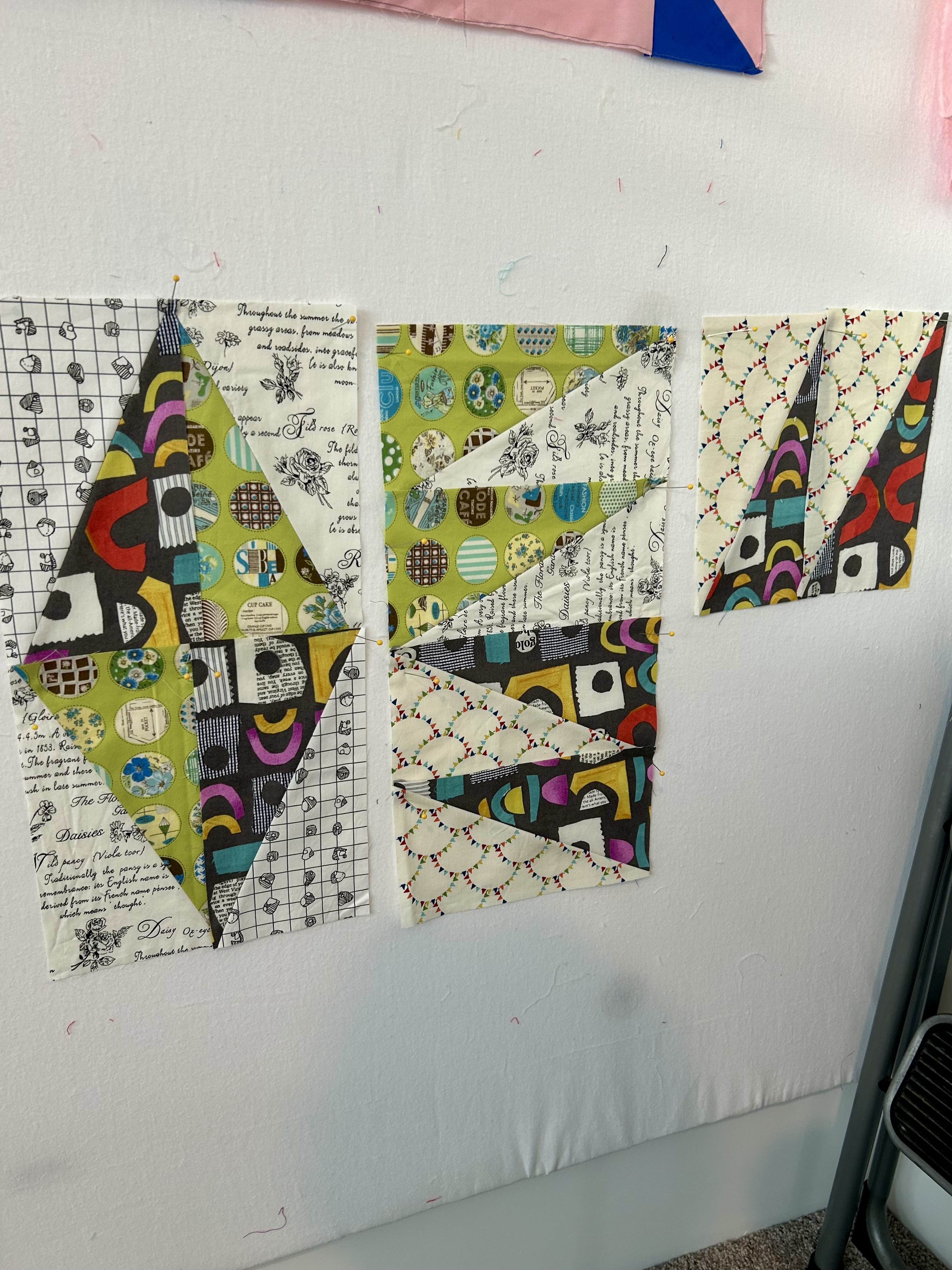
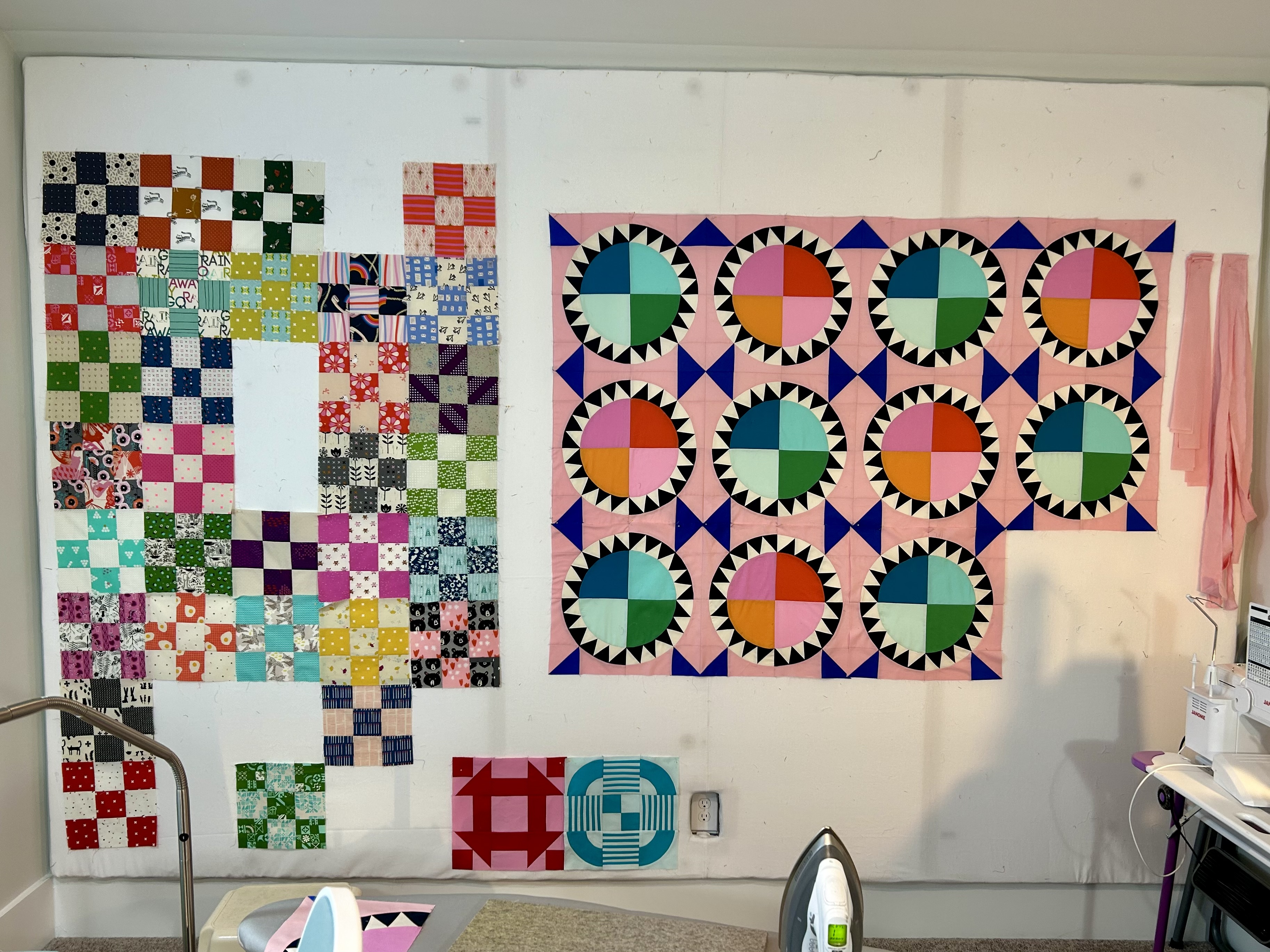
I could EASILY go down a rabbit hole with the Hurty ruler. (This picture had to be taken on a slant due to where the blocks are on the very full design wall.) I pulled some fabrics at random and just played with no intention for anything. Just play. The “A” side of the ruler makes a LEFT side straight edge (these are 4 by 8 blocks). The B side makes a right side straight edge. I started with the A side, but realized I really like the look of the straight edge on the right AND that putting the two choices together makes a big triangle and a bigger diamond AND that putting blocks on their side is kind of fun–either in a quilt of half-square triangles or on a border.
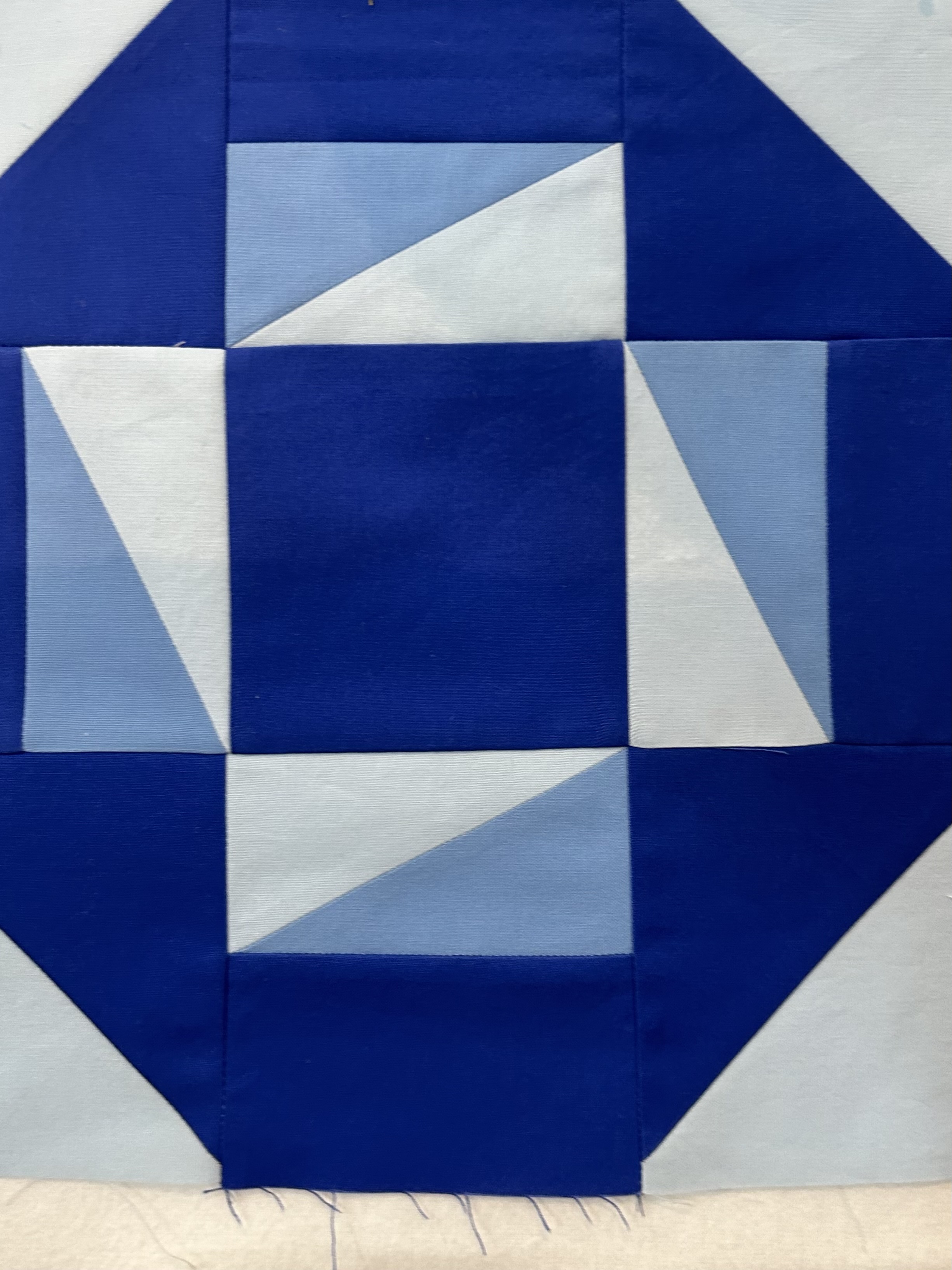
I’m also obsessed with making blocks that are riffs on the Churn Dash block–so here are more half-square triangles–4 inches finished–that surround the center square.
You can see the Cat’s Claw blocks in the red Churn Dash on the bottom of the design wall below–at the corners. Making these Cat’s Claw blocks is so much fun as each effort makes TWO of them.
I made myself STOP playing with the Hurty ruler’s bigger blocks–that’s for another day. But I have 8 orange smaller blocks cut out for the next Churn Dash “riff.” That will happen today. (I have no idea how these blocks will work out–they are for a challenge in the modern group that is due at our November meeting.)
Prickly Pear only needs one more row–and I’m working on the triangle rings for that final row now. I have the backing and binding made and know what pantograph I’ll use to quilt this handsome and very modern quilt, thanks to a consult with master longarm quilter Wendie Currie, who lives in Thunder Bay, Canada. I also have enough fabric left (as I had to order more for the field fabric and for the triangles) to play with the alternative arrangement, which is also fun.
The scrappy leader/ender on the left is growing–it will be 7 blocks wide and 8 long, so will finish around 63 by 72–a good lap size. This kind of quilt is meant to be USED and to be cuddly. The two bins of 3.5 inch Cotton+Steel/Ruby Star Society squares ARE going down–but there are a lot left. Next I’ll try something like all one-color darks in a specific color (9-patch again) alternated with blocks of the light colors.
And today I have to…cook. Hamburger is defrosting–for air fryer patties likely. An easy meal that will product leftovers.
Debbie gave us a break most of yesterday afternoon and much of last night, so I went out to explore in the early afternoon, alongside many of my neighbors, many of whom were walking dogs that had been penned up inside for a long time. My back yard neighbor was really worried about the creek/bioswale running through our property rising up to a level that would come into her house. I wanted to see how all the drainage systems here were working–as this type of Low Country drainage is new to me.
There are two big ponds at the front entrance of this property–the fountains in them are decorative, but the ponds are there to capture rain water. The one on the left is very full–you can see that the drainage platform in the front of the picture is now covered with water. But the steep sides still have a ways to go before overflowing would occur.
**Note that these ponds are also tidal, so at high tide there is much more water. When I went out, it was low tide. ***Many of think that the bigger fish, otters, and alligators travel around via these drainage pipes/platforms and culverts.
Here is the entry pond on the right, and it lies adjacent to the wetland that lies between the property and the road outside the property. That road is much higher than the wetlands that line each side of it–so the road functions kind of like a levee. Drainage culverts run underneath the big road to channel water…elsewhere.
You can see that the wetland is full of water, which is how it functions. On the left is the culvert that runs under our entry road to the wetland on the other side of the entry road.
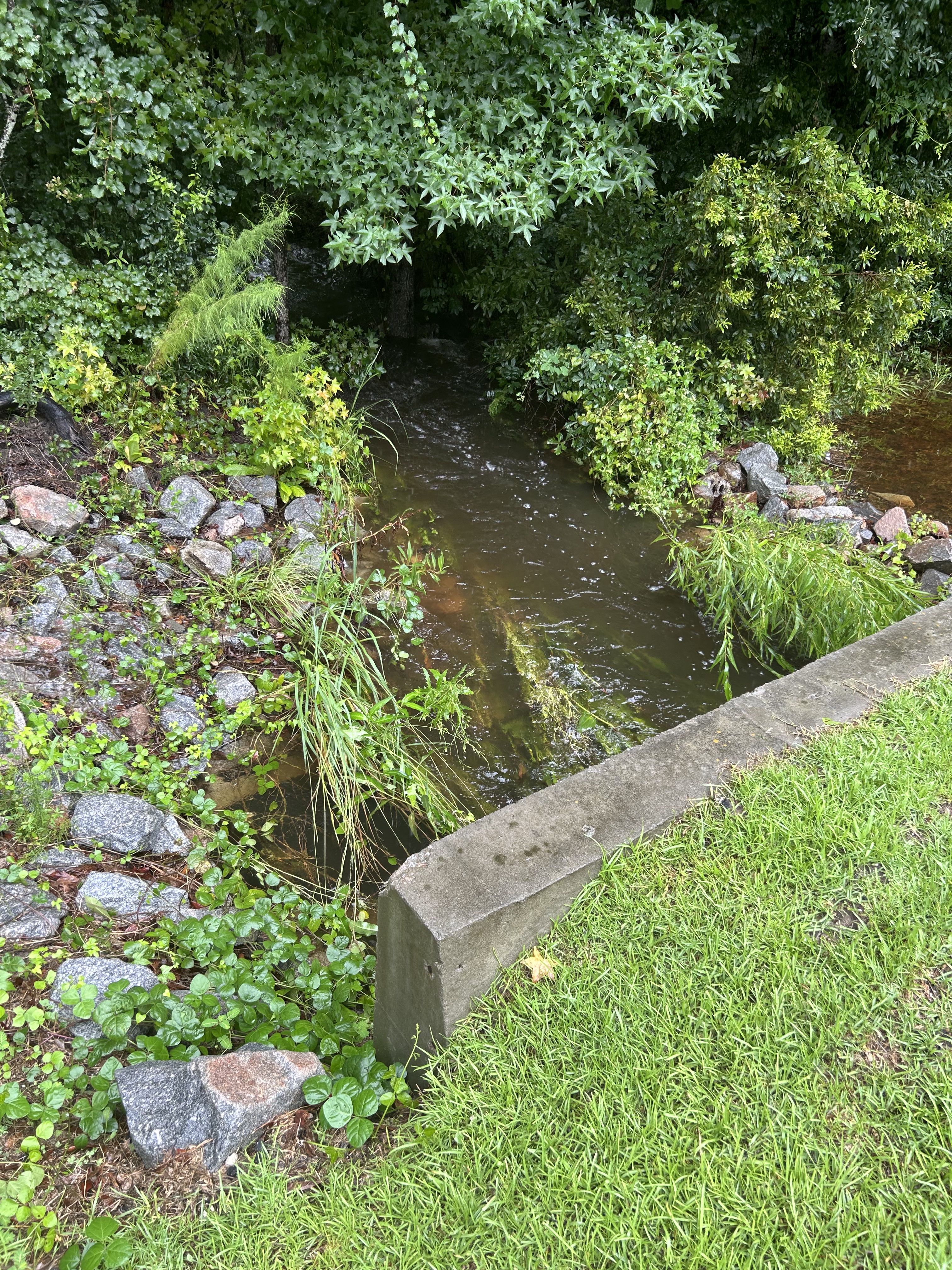
Out on the big road, there is a big culvert draining water from our property. This big culvert is the tail end of the creek/bioswale that runs through our property. There is a network of other smaller drains all along the road that channel water from the wetlands to the other side of the big road.
Our neighborhood has a LOT of depressions that are “dry” ponds until we have a storm. There are about six or seven of these depressions scattered about the property, and a few hold some amounts of water all the time. This one is by the mail kiosk is usually dry. Now it drains into the creek/bioswale on its far side.
Here is a little video of the creek/bioswale that is worrying my neighbor–from a point where it leaves the property. The head of the creek/bioswale is on the other side of the road where my house is located. You can see where the creek runs under that road.
And here is a video of the head of the creek/bioswale, which has water coming from the wetland that stretches across one side of our property.
Here’s the big back pond, and you can see it has very steep banks, and can take more water. The drainage platform is not covered back here.
***Note that all the ponds are treated by Mt. Pleasant environmental people. They install tiny fish that eat mosquito larvae.
Today we have gotten more rain, but much of Debbie is out to sea right now, where she may get bigger and more organized again. Who knows? The wind has picked up a bit as well, which may move her along up the coast.
In any case, we will not be done with Debby until Friday at the earliest.
…is hanging out over Charleston because she has “nowhere to go” given a weather “high” to the north and northwest that keeps her stationary–and will keep her stationary for some days to come unless some wind develops to move her up the coast.
Meanwhile, while I’m writing, torrents of rain are falling as the bands swirl around over us.
Saturday night we had a thunderstorm that dropped 1.75 inches of rain. Since then the rain gauge has shown 8 inches of water–but it overflowed last night, so there was more. And now there is steady rain, which is often heavy.
A tornado touched down on Isle of Palms last night–where both of my sons live. It damaged a house and took out power lines, so one son does not have electricity at the moment. The electric company has promised to return power very soon now.
The other son and DIL are driving back from the Jersey shore (3 girls) and are about 5 hours out now. Right now they can get back to their house on IOP and they do have electricity. Flooding in this stationary storm is a big issue. If they can’t get home due to today’s rain, they will stay with me.
I took out all the saved chicken bones in the freezer on Sunday and made a huge broth–the packets of bones were taking up way too much room in my small freezer, so it was time.
When the broth cooled, I drained off the liquid and put it in the refrigerator. Yesterday I made the soup–and the broth had jelled so beautifully into consommé. The soup is DELICIOUS! So I’m ready if my son’s family comes here–and if not, I have food so I can “play.”
My noon dinner today–eaten inside, of course. All the porch cushions are inside the house to keep them dry.
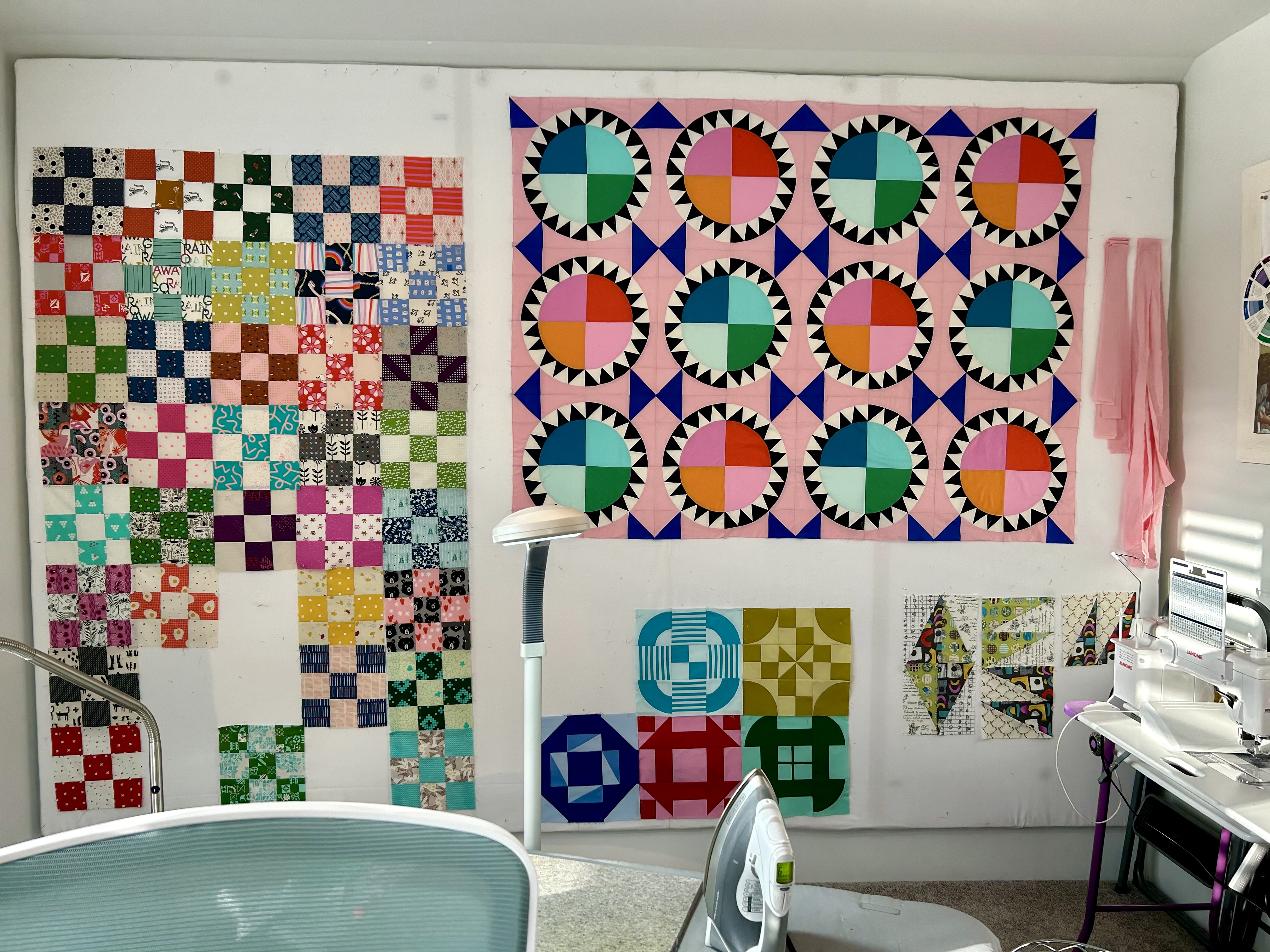
Here’s the design wall right now: there are THREE projects on it. How fun is that?
On the left is the snuggly scrappy leader/ender quilt–it will get wider and one more row longer when I finish the 4th row of Prickly Pear on the right. The third row will be done today. Making the triangle rings takes time and I need 16 more.
On the bottom, I’m playing with “modern” Churn Dash blocks and the new Cat’s Claw ruler that came in the mail. These 2 blocks are 12 inches. I love playing, and goal is to see how I can make “modern” alterations to the Churn Dash block. It’s a challenge…from the modern group. And I have no idea where it is going.
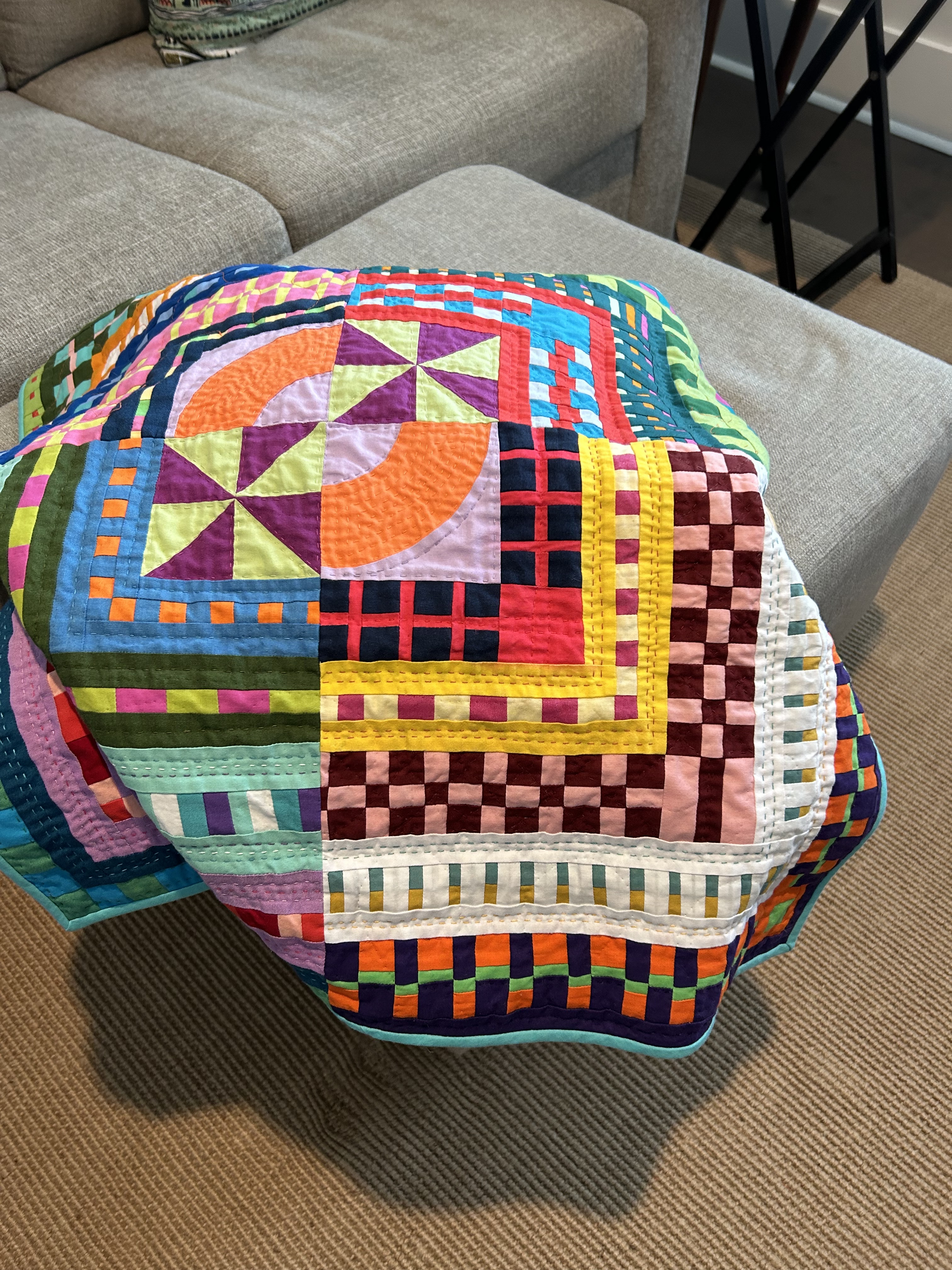
And the hand-sewing (Big Stitch) project is coming along. It will be a wall hanging upstairs–it’s 32 inches square. Cathy Beemer taught us this Maria Shell method in our modern group’s monthly Sit and Sew. She made a whole quilt of these blocks with four quadrants, and I am in awe of that effort.
Now it is almost 1 pm. There are 3 more inches of water in the rain gauge. Folks here are worrying about the dry ponds filling up now, and the creek is about to overflow, which would impact my back door neighbor. Low tide is coming up, but the overflow water just does not have a place to go.
If the lull persists, when I’m done with lunch I’m going to take out my hearing aids, wrap up in my raincoat, and go out for some pictures.
That would be learned behavior from my father… He always wanted to investigate how deep the snow had gotten, or how high the tides were, and so on. And he always took us with him when he went out into the elements.
I went out mid morning to water the roses and plants on the sunny side of the house as we have not had rain for some days now, and my phone chirped that the doorbell just rang.
The Drift roses I ordered had arrived, a day earlier than expected. The BIG tall boxes (about 3 feet tall) were on the front porch. But I was ready with sand and compost and set in to plant the roses immediately.
The roses were beautifully packaged, and the plants were so healthy and pretty. Each rose pot was covered with a plastic bag to conserve water, and there was packing around the top of each pot to keep the dirt inside. Plus, the plants had bamboo stakes set into the pots to keep the box from collapsing around them. (Please note that I tried my best for weeks to find these plants locally.)
The only problem I discovered was that the nursery sent White Drifts, not Popcorn Drifts. Both are white, so I shrugged and started planting. By noon I was dripping wet with sweat, hot, exhausted, and so dirty I hesitated to even come into my house. Each of the holes formerly occupied by the Encore azaleas that went to son Bryan’s shade had to be dug much deeper and wider and lined with the sand and compost.
The clay! The clay! It was just solid clay. And interestingly, the clay was damp, not dry, but we’ve not had rain in some days, so that’s the “bathtub” effect that was likely also impacting the Encores–along with the heat. Holes in clay like I have here creates a bowl that will hold water that will rot plant roots, especially after a lot of rain. So the holes for a plant have to be big and filled with sand to help at least a little with the drainage. Even too much compost can sit in the water and rot the roots.
One of my neighbors is Chinese, and her mother does not speak a word of English, except for counting 1 to 5 on her hands. She is a love, however, and often gives me big greetings, big hugs, and sometimes walks with me. At some point she came over with a broom and swept up all the planting dirt and debris on the driveway.
When I went to water the first rose planted, on the far right, a big frog hopped out of the middle of the plant and ran for cover in the liriope stand on the other side of the sidewalk. It was a hitchhiker from the Florida nursery who had nestled down in the center of the plant beneath the paper wound around the plant’s stem to keep the dirt in its pot.
Welcome Hitchhiker!
There are bugs here for you to eat!
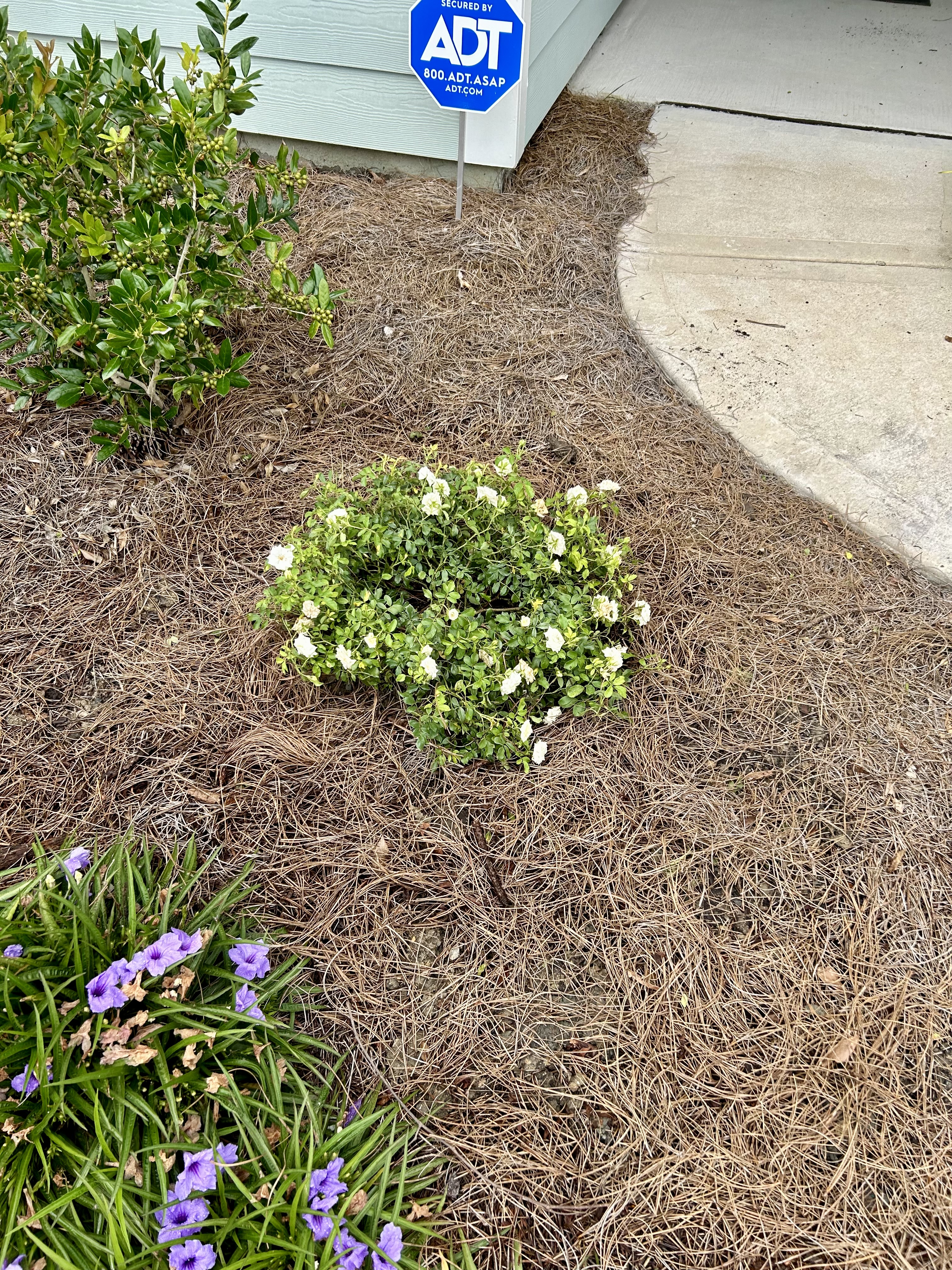
Here’s the hitchhiker’s plant:
These Drifts will spread out and repeatedly bloom for much of the year, stopping only in the colder winter months.
So, one problem solved, and for today, there are no outside jobs to do.
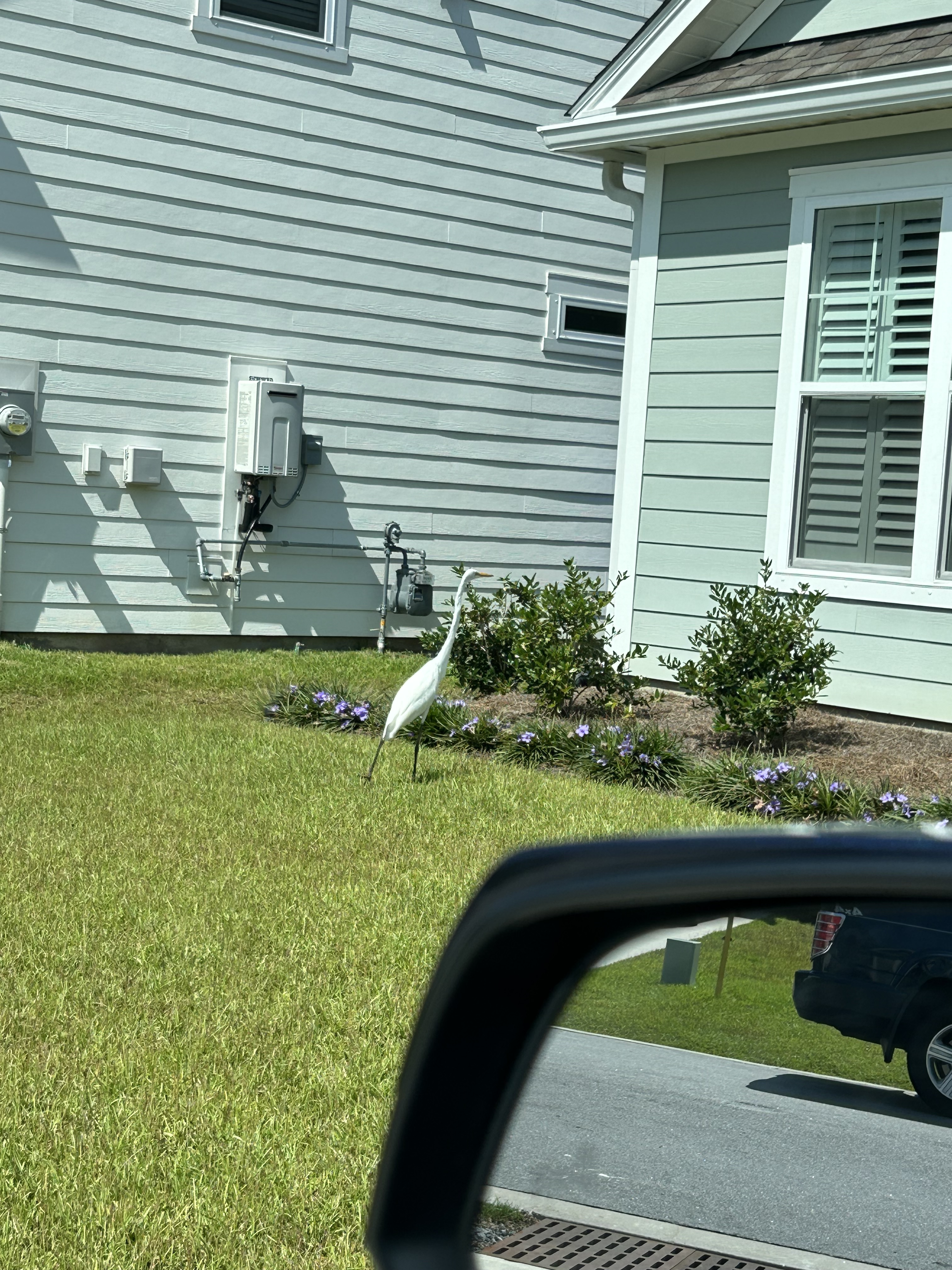
Look what was in my front yard when I came home from an errand yesterday. One of the Great White Egrets that are very common here. Note the short yellow bill, black legs, the long flexible neck, and the height.
S/he didn’t spook when I opened the window to get a better picture.
A quilty friend who came to visit told me that this bird, which was slowly walking around all the house gardens near me, was hunting for the little green anole lizards that also live here. A bit of research shows these birds (who are predominantly waders but who will come onto land for food) eat an array of critters, including “amphibians, reptiles, birds, and small mammals, as well as invertebrates including crayfish, shrimp, dragonflies, and grasshoppers.”
Amphibians…that means the green tree/rain frogs that have grown over the year from being the size of a fingernail to being about four inches. They “perch” on our houses and poop everywhere, and the poop is sticky and hard to clean. BUT, they eat insects, so are a valuable part of a balanced garden environment.
It is a quiet weekend here. I’ve resisted going out to get more sand and compost, in anticipation of FIVE Drift “Popcorn” roses arriving here this next week. Instead, I played. I cooked a bit, ate dinner on the porch, caught up on the book I’m reading, walked, sewed upstairs, and hand-sewed after supper downstairs with the tv and a harmless, simple tv series that requires no concentration, Wildfire.
As I’m sure I already wrote, I dug out the “Encore” azaleas in front that were so NOT happy there and took them to Bryan, who has more shade than I do. I couldn’t find the Drift “Popcorn” roses locally, and both Andres Hernandez and I tried. But I found them on Amazon for a very good price. I’ve ordered plants I couldn’t find here from Amazon before this time, and they come beautifully packed and healthy as can be.
The clay here was also not helping those Encore azaleas–when I dug them out, some had water at the bottom of the hole, after all the rain we had recently. And that is exactly what clay does. When dry, clay is like cement; when wet, it’s like mud soup. So, now, deeper holes and more sand for drainage to help with the “bathtub” effect. But the real problem was that the Encores had too much sun.
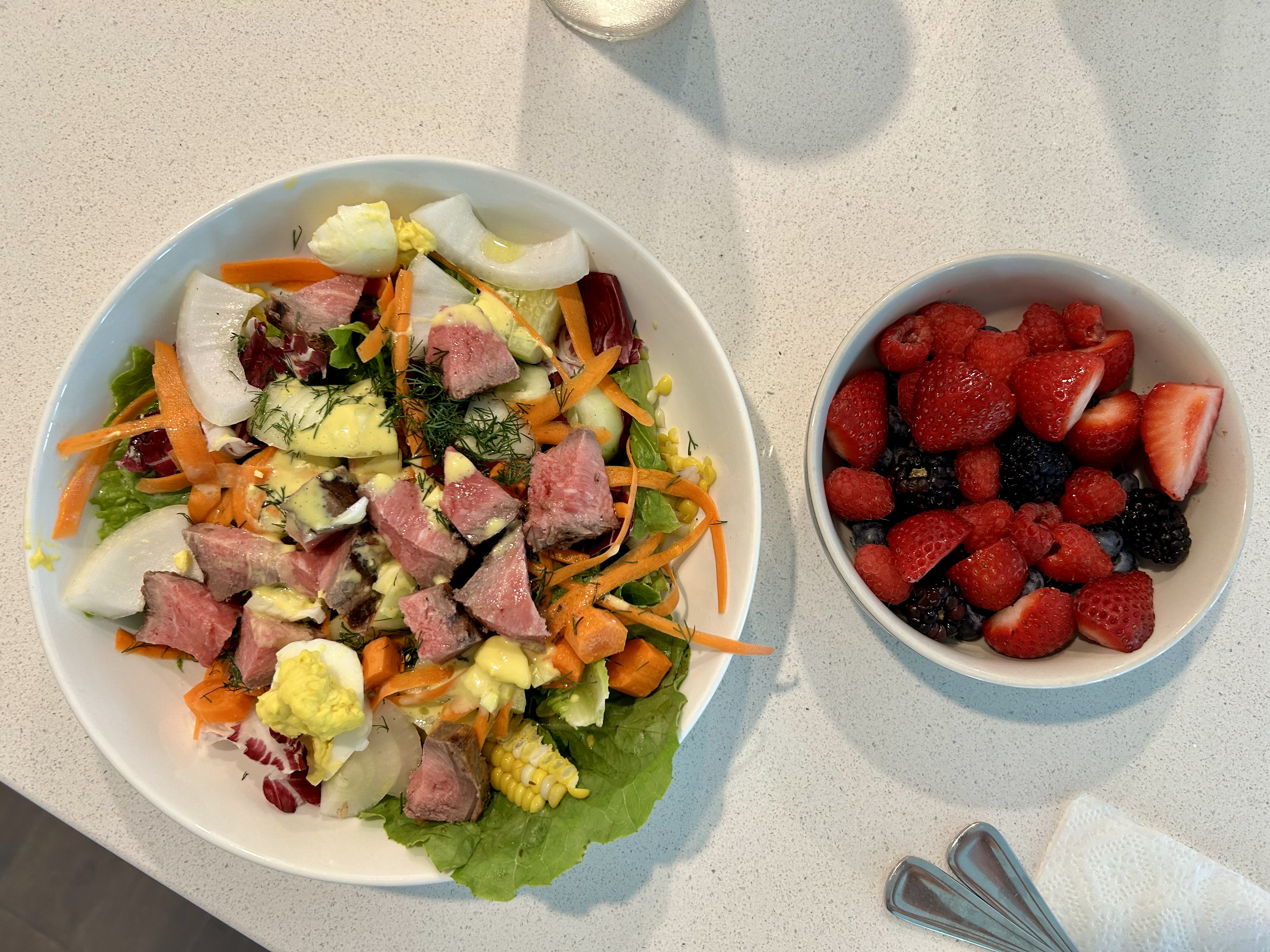
I made deviled eggs again this past week–I was, again, so hungry for them. And I put the broken ones on a recent salad made with some grilled steak leftovers. I’ve been able to eat my noonish dinner on the porch all week, as it has been cooler.
And, I saw this X post last night from Tony Heller documenting that it is actually cooler this summer in South Carolina. (The data is from the US Historical Climatology Network, which is a designated subset of the NOAA Cooperative Observer Program (COOP) network.). Heller has been putting up this climate data recently, state by state.
Screenshot
The design wall is filling up again:
“Prickly Pear” is coming along: two more rows are needed. It will finish at about 67 inches square. I have the centers and the pink backing and blue triangles all cut, but I have to make 16 more of the dark navy blue and pale, pale peach triangles for the third row and 16 more for the fourth row. I cut the binding and borders before I cut into the pink backing for the background units to make sure I’d have enough of that fabric. This project is…slow going. But it is a handsome quilt.
Longarm quilter Wendy Currie (Wendy’s Quilting blog) helped me decide on how to quilt this very modern quilt. I love her work. And I just ordered one of the pantographs she suggested. I also ordered a pink thread for the longarm that perfectly matches that pink field fabric. And I found a backing IN MY FABRIC STASH that is perfect.
The leader/ender scrappy quilt on the left is…scrappy. It is made from the two bins of the 3 1/2-inch squares of Cotton+Steel/Ruby Star Society I cut up back in Maine: one neutrals and one colors. It’s just fun–and will make a cuddly lap quilt meant to be used and used. I will probably donate this quilt to the Patchwork Gals extraordinary efforts to give quilts to those who need them, like foster children.
I spent time yesterday reading my current book: Jan Karon’s THESE HIGH GREEN HILLS. It’s the 3rd in Karon’s Mitford series. Yesterday I hit a part of the book I couldn’t put down as Tim and Cynthia were trapped in a cave with a tiny, hidden opening in the total dark. I find these books soothing to read. Peaceful. Until yesterday, LOL. I had to get Tim and Cynthia out of the cave before stopping reading and going upstairs to sew.
How many times do we get trapped in a metaphorical dark place that we slid into through a tiny opening? How many times does our “light” go out, leaving us in the dark? How many times do we need to be rescued?
I’ve been thinking a lot about air conditioning, which makes summer living in coastal South Carolina pleasant. And that thinking about air conditioning has led to a whole train of thought that has been on my mind for months now as I’ve been researching the whole summer heat issue.
It has been a beautiful summer here actually, and I have been walking in the morning rather than at night as it has been cool enough until nearly noon AND because we’ve been getting late afternoon/early evening thunder storms that cool off the heat of the midday.
Living without AC is also possible. There wasn’t any air conditioning in Georgia and elsewhere when I was a child. There wasn’t any air conditioning back in the day when our forefathers pioneered this land. Today, there are generations that have never been without it. My children and their children grew up with air conditioning. How does that impact them in terms of how they think about summer heat?
Last summer, having lived in Maine’s cool summer for almost 20 years, I worried about summer heat in coastal South Carolina and stayed inside a lot. This summer I’ve been out and about much more, so it seemed to me as if this summer was cooler than last summer. But when I checked local temperature records, this summer is as “normal” for here as last summer was. So, I’ve lost some of my FEAR of the heat and have gotten used to the heat and let myself experience it.
Local weather sites say that July is the hottest month in this area, which was a surprise. I would have thought August was the hottest month. Note too that many of these local weather sites use the weather station at the Charleston airport for their data, a place which is surrounded by tarmac runways, roads, and running engines of all sorts. And temp averages used include daily high and low temps, which gives a higher reading than if one averaged the hourly temps.
I’ve also learned to close shutters and porch shades against the direct sun, which is around mid-afternoon on the back of my house, which helps the air-conditioner a lot I think. The porch shades make the porch really comfortable, except maybe in the very late afternoon when the sun hits it directly. That’s a time when I sew anyway.
Back in the day in the Georgia summer at my grandparents, there was no air conditioning. Like me, they had an elaborate system of lowering shades against the sun on the sides of the house where the sun was strong–a task that we children were sent to do if we were present. After “supper,” everyone often sat together on the “north porch,” and I have so many memories of being told family stories, of sharing in laughter, of cigarette tips glowing in the dark night, and of the happiness of being included with the adults–if we children were not out in the dark yard playing kick the can. At some point, one of the adults might offer to take all these gathered family cousins to the local pool at the edge of a swamp for a dip before bed, a pool where cold artesian well water ran all the time. Then we would go to bed with cool bodies and wet hair and lie under a running fan. (The pool didn’t need chlorine either, as that clear, cold artesian water ran in and out all the time.)
My point is that we didn’t think that summer was too hot. It was summer. The heat was normal. It was probably hotter than it is here on the coast, where we have a sea breeze most days. We just found indoor things to do in the worst midday heat of the day. There were endless card games with cousins and lots of books to read. Or even a nap as we cousins ran flat out all day long. Sometimes, in the quiet dark of the living room, our favorite uncle would read us a story, like Edgar Allen Poe’s “Masque of the Red Death,” which even as young teenagers we loved. Or maybe that uncle would play a game of “Fan Tail Hearts” with us or the family seven hand rummy game we all loved.
Today, “heat” has become an enemy, and there are dire predictions about the earth becoming too hot–due to human behavior. Know that this information is a powerful move made by some who would benefit by what they want to do to “cure” this problem.
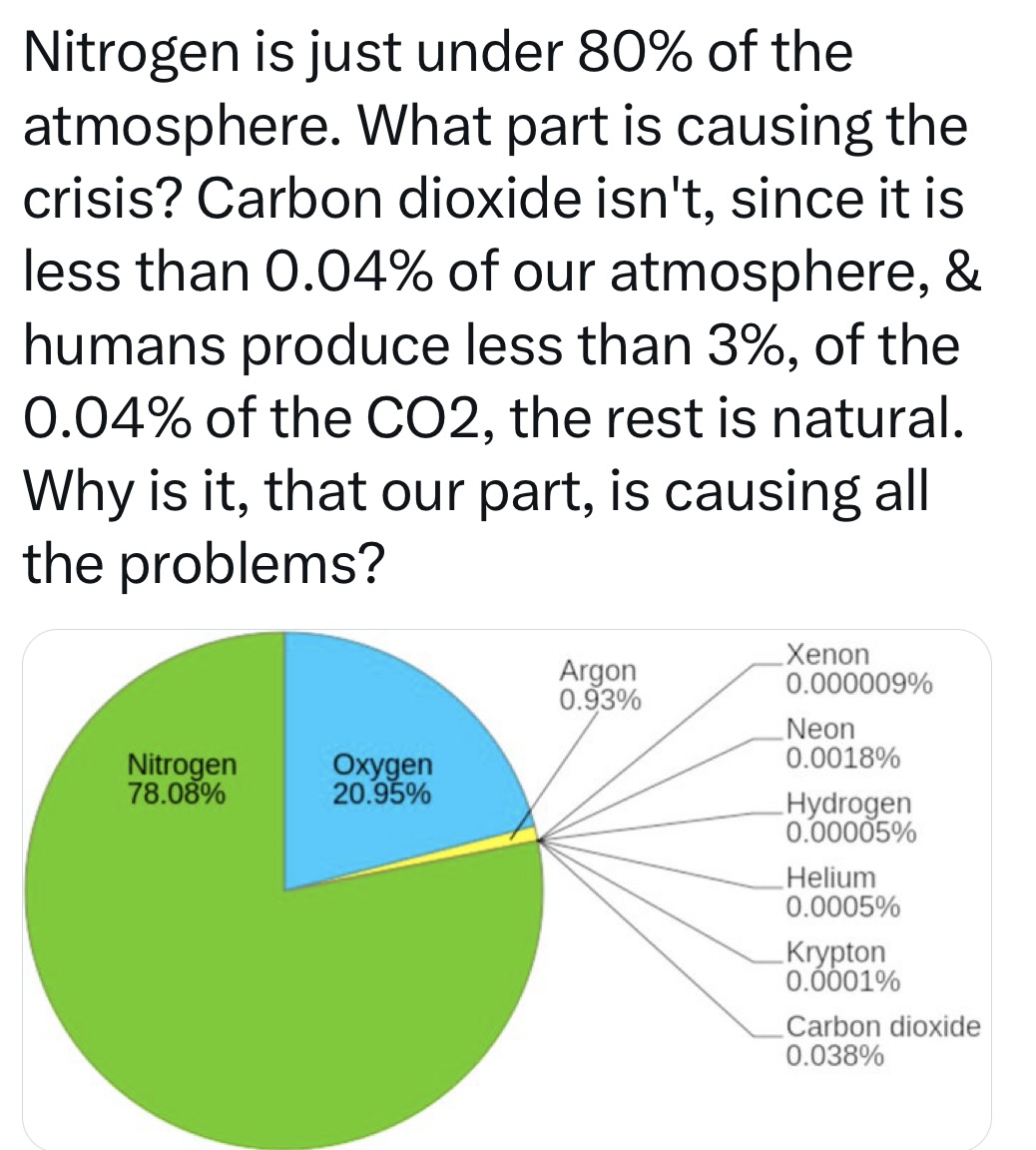
The only thing is: this story is not true. Any of it. I can see the markets involved, the people involved, and I am now refusing to go “there” with them. Science, history, and the so-called data being used does NOT support any of this story which involves rising rates of the dry TRACE gas CO2–which is NOT given in total percentage of the earth’s atmosphere, but in the scary ppm (parts per million) figures which seem very large to those who have not researched this problem. No. I am going to enjoy having the summer heat warm my bones after my noon dinner on my back porch. I’m going to let the sun tan my skin. I’m going to continue walking. I am going to enjoy…summer.
La Niña is coming in now, bringing cooler and dryer WEATHER (as distinguished from CLIMATE). That weather vs. climate story is a complicated subject involving lots of factors. CO2 is the “gas of life”: it does NOT create temperatures; it follows temperatures. In the geological history, CO2 has been much higher in very cold eras. Temps are a complex series of Earth’s and the sun’s mechanisms that do not involve human behavior. The more CO2, the greener the earth. Greenhouse owners pump CO2 into their greenhouses to help plants grow better. Water vapor, often created by the eruptions of underwater volcanos, like the 2022 massive eruption of the Hunga Tonga volcano, is much more of a factor in the “greenhouse THEORY.” And the water vapor evaporates in time.
Screenshot
There are countless very well credentialed disciplinary scientists that refute this fear mongering about the earth overheating. They include physicists, astrophysicists, geologists, and climatologists–most of whom have been demonized, despite decades of published papers/studies, just like the physicians et al who questioned the covid origins and treatments were demonized. These scientists do not include the “Earth Scientists” who are interdisciplinary “field” academics who for some decades now have been funded to facilitate the markets involved in this fear mongering. They have never been able to prove their claims about CO2. So…beware what you are buying into these days. These people manipulate temperature data in countless ways because they cannot prove what they are saying with long-recognized scientific methodologies.
Here’s a quote from a well recognized, credentialed geologist, Australian geologist, Professor Ian Plimer: “As soon as someone tells you it’s warming, the reply you give is: Since when?….We have been cooling down for the last 4000 years. It’s all about when you start the measurements….If you take measurements from the Medieval Warming… we’ve cooled about five degrees since then. If you take measurements from the Roman Warming, we’ve cooled about five degrees.”
When you see anyone claiming “hottest day on record,” look at the time frame they are using. Most of the time, it will not include the 1930s or will be a product of a weather station that does not have a long record of existence so temps can’t be compared over time. Or said weather station will be located in a recognized heat island in an urban area, which would make generalization about “the hottest” day not accurate for that region.
Here’s a recent map made by an amazing college student, Chris Martz, who will soon graduate with a degree in meterology and who does amazing and solid research to refute the climate fear mongering online. He uses reputable data and often explains in depth what is wrong with the current claims that serve to scare people–to include all those maps we see now online that are colored in RED and that are meant to scare us. (The deep red color in the map below is just used to show the temp ranges of the 1930s.) Note that the data Chris used is from NOAA records.
If you want to understand what is happening with this climate fear mongering, here is a long series from an engineer, James Kirkpatrick, published in the Weston A. Price Foundation’s journals. Kirkpatrick has traced the history and the science of this subject.
So, how does the constant bombardment on our phones, in our “news,” on our social media platforms with “the earth is overheating and it is our fault” impact our minds?
I think it makes too many of us afraid, especially if some have never lived without air conditioning. I hear all the time now from many, here in South Carolina and up in Maine, how HOT it is. One day I checked the Portland, Maine, temps, which were in the low 80s. For Maine, yes that is hot. But it isn’t killing/boiling hot.
I think this media bombardment makes some of us agree to the “solutions” being proposed without really wondering (or investigating) if the story is true, or without thinking about the outcomes of the “solutions” being sold. And, yes, “sold” is the right term.
Many of us might not realize that one of the first things to go will be the air conditioning, as the solutions being proposed will radically impact the availability of energy for consumption.
Think about it all, ok? Think about what our world will be like with farmers no longer on the land, as is happening in part of Europe right now and is happening quietly here now. Think about what we will eat if the cows and chickens are killed under the guise of a bird flu story that already includes purchased vaccines. Think about how we can get back real news and real science and a government that works for us instead of being subjected to endless propaganda that serves some, but not us.
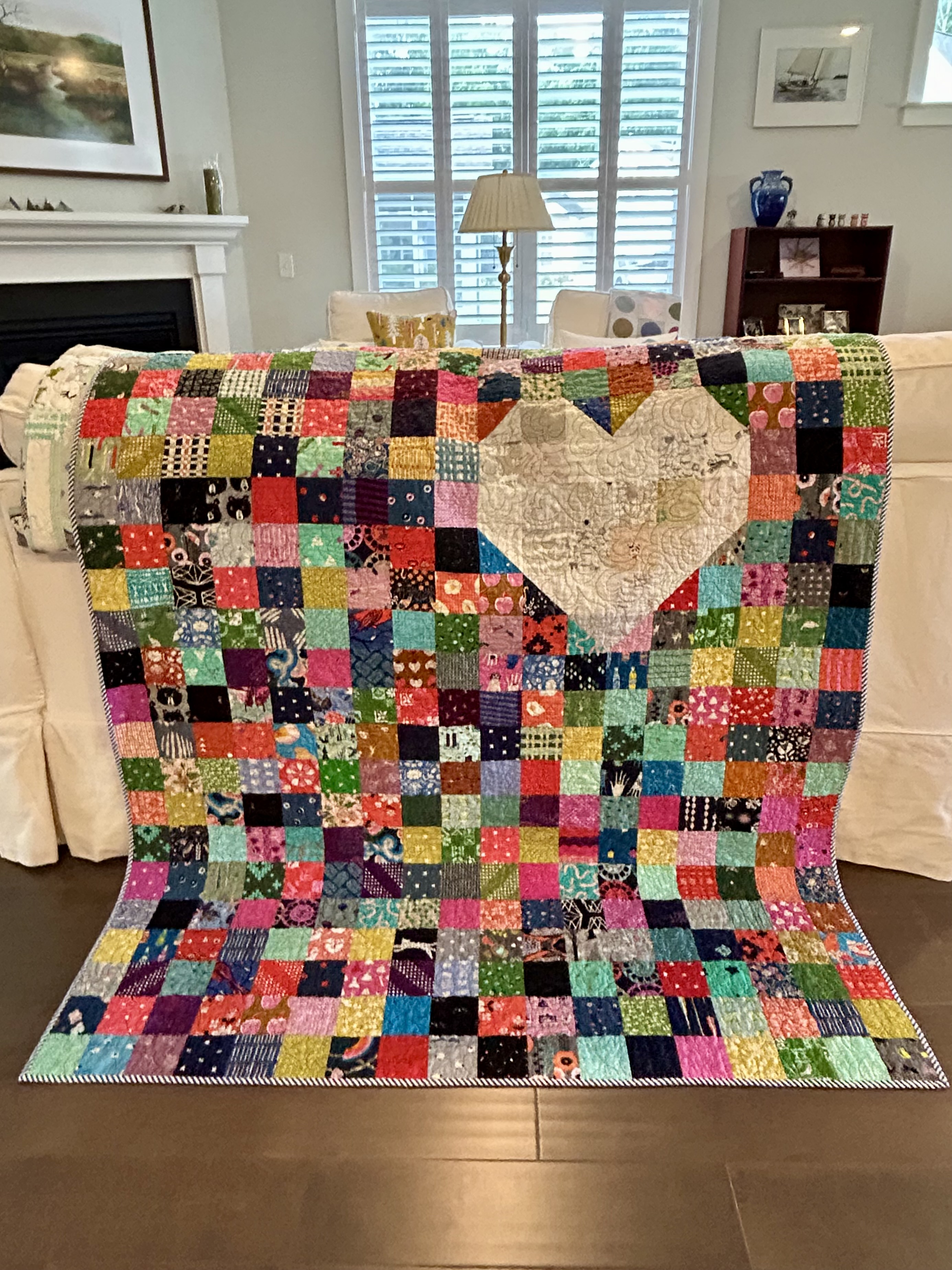
The second (and last for now) “Piece of My Heart” quilt is done, bound, and washed.
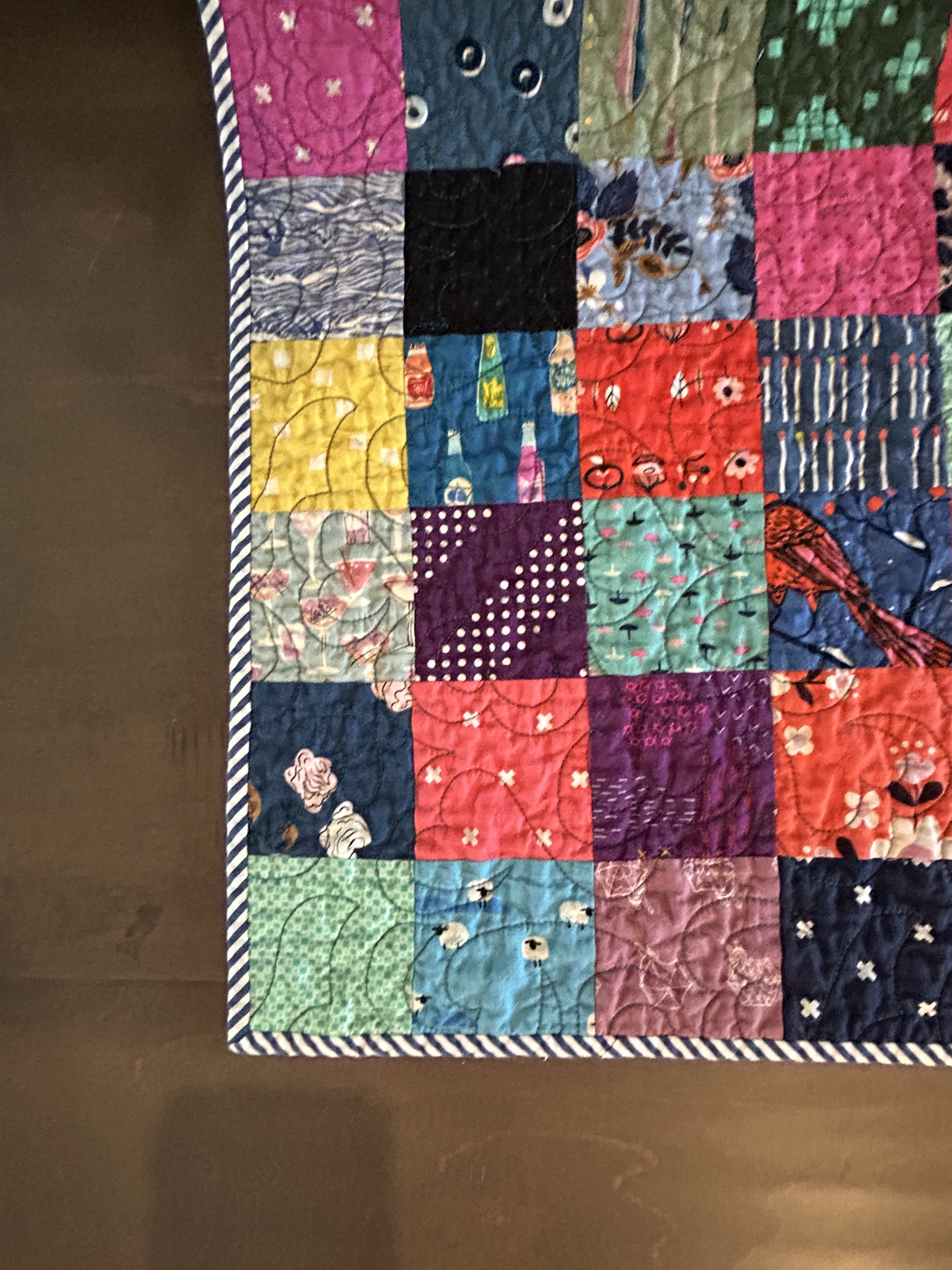
I’ve been looking for a long time for a quilt where this backing in my stash would work. It’s perfect for this quilt–with its letters and numbers printed on the dark blue.
And I love how the striped binding came out on this quilt–which is meant to be like the red-white stripe binding on the neutral version. I also like how some of these Cotton+Steel/Ruby Society squares jump out at a viewer with such cute prints.
To remind, here is the neutral version–also washed and ready to mail.
Both quilts are going to a niece who has two little ones–a boy and a girl.
To also remind: Cynthia Bruns designed this quilt and it can be found now on the AllPeopleQuilt.com web site. Or in the February 2024 American Patchwork and Quilting magazine, pages 57-62.
It is also quilted with the “Folk Heart” pantograph designed by Beany Girls.
I have two types of sewing needles that I use the most often: John James embroidery size 7 or 6 (7 is smaller and more pliant) and Richard Hemming & Sons Milliners Large Eye Milliners size 11. (I also have Tulip embroidery needles, but they are stiffer and less flexible than the John James embroidery needles.)
The embroidery needles have a larger eye, but the size 7 whichI like best is sometimes hard to thread with size 12 cotton thread, much less a Pearl size 8 Thread. The Milliners size 11 are long and so flexible, but the eye, even for the “large eye” version is…TINY. I really struggle to thread it with 50-weight thread when I sew down bindings. Aurifil thread is thinner, so that helps.
Anyway, I went on a hunt recently for needle threaders. For the Milliners, I need help all the time unless I’ve been lucky. For the embroidery needles, just some of the time. (I use the Milliners to sew down binding or with English Paper Piecing.)
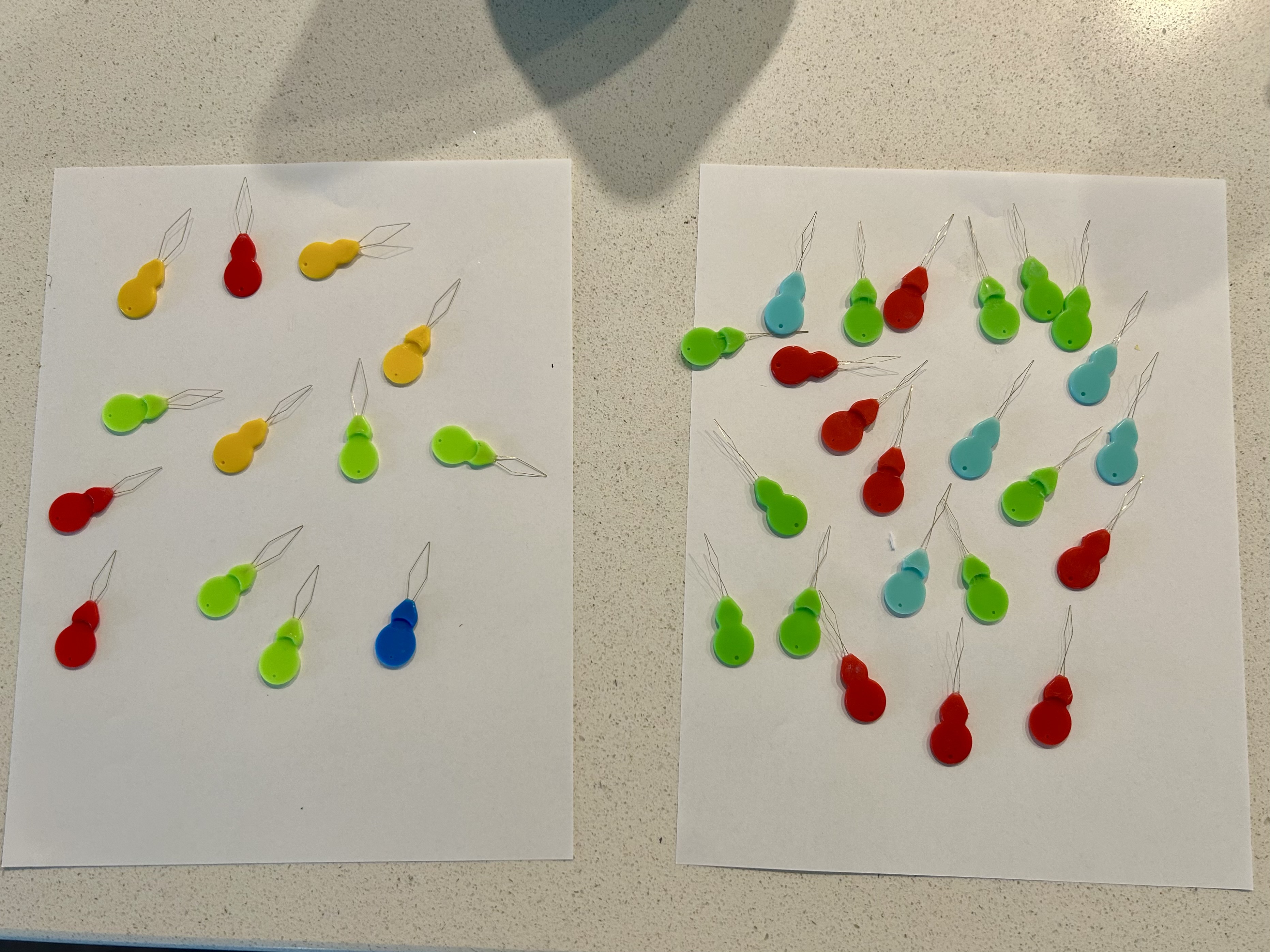
So, I have gotten two kinds of these threaders below–AND after reading comments on Amazon (you can learn a lot from comments), I got some Krazy glue and put a drop on the top of all the threaders where the “wire” extensions are embedded and let them dry overnight. I’ll let you know… But, these threaders have actual wire threaders, not plastic, which commenters were saying were sturdier. Again, I’ll let you know.
On the left are Beadnova threaders that will fit the Milliner eye. Or the right are Phinus, which will fit the size 7 embroidery needles I have–and likely the size 6 embroidery needle with thicker threads. The Phinus are bigger and sturdier.
Below, see more threaders I found. On the left is a threader that would work well for thicker threads and needles with bigger eyes. Perhaps for embroidery work? It does not fit into my needles. The little humming bird threader in the middle works for my embroidery needles, but has a tendency to shred the thread. And it is clumsy to use. The Clover 8611 works for the embroidery needle, but I don’t know how it will stand up to wear and it is pricier.
So, I’m hoping the plastic/wire threaders will prove to be a good choice–with the extra help of the Krazy glue.
*One other tip is when you unspool a length of thread you are going to use, insert the top piece of your thread (as it came off the spool) into your needle as that works best with how the thread is twisted on the spool. And cut on an angle to reduce the thickness of the end. AND, when your thread gets “twisty” as you sew, let it unwind by dropping the threaded needle down so it can spin the twists away.
And if you don’t use a threader, hold the piece of thread in your right had and bring your needle eye down over the top–as sometimes magic happens. Sometimes it also helps to moisten (read with spit) the end of the thread.
Remember when this sweet tree got planted last year?
Look at it now. It’s bigger and loaded with blooms.
Yep, it’s thriving. And look at the lush grass. It’s deep and thick and is like walking on a shag rug that is 3 inches thick, which I do often with bare feet. I hand weeded for emerging weeds the first year, but this year there are no weeds.
The “Encore” plants in the front, however, are NOT thriving. It’s too sunny and hot for them in that place. “Encores” are a cross between azaleas and rhododendrons–neither of which is happy with too much sun–though claims are made that the Encores are “sun tolerant.” Remember that I planted them last year and moved the struggling azaleas in that bed to the shady side of the house–where they are thriving. Encores will bloom off and on all summer and fall.
My neighbor’s Encores get a lot of afternoon sun and are thriving. But the front of my house gets the full impact of the summer sun well into mid-afternoon. And clearly, Encores do NOT work there. I have no space to move them to shadier sites in the garden, so they are going to go to Bryan and Corinne as soon as I dig them out. One has already died.
Eventually the Crepe Myrtle will provide more shade, but not for a few years. I’m going to replant with the “Drift” landscape roses like the little “Popcorn” rose I planted earlier in the summer. It is thriving in the hot sun in the back of the house. I’d like to get more of the “Popcorn” version, and Hidden Pond Nursery is going to try to order 5 of them for me. Otherwise, maybe the “Apricot” Drift rose that is known for its fragrance. Hidden Pond does carry the drift roses, so eventually I’ll get some that will work for me.
Drift roses are low to the ground and spread. They will be perfect for the front. Here’s a picture of my “Popcorn” rose in the back, surrounded by white perennial Lantana, which is also thriving. Drifts rebloom on a regular basis, and one does not have to deadhead them, but I do. And deheading is needed right now. But you can see all the new growth. The blooms open white and then start to turn a pale yellow at the centers. I love the name “Popcorn” for them.
And while I was outside with my phone, I took a picture of the “Limelight” hydrangea I planted last year. It, too, is thriving.
How fun is that?
(The herb garden is to the right of the “Limelight,” and that’s Rosemary growing tall. I almost lost it to a sucker fly insect in the early spring and used Neem oil and soap and water sprayed several times a day to stop them.)
Gardening is a practice of wins and losses. The wins are more fun.

















 Louisa Enright's Blog