Interesting Information: March 4, 2012
Maine’s Olympia Snowe Retires
and
Rush Limbaugh Verbally Strikes A Young Woman
Olympia Snowe is a grand person, smart and caring of her constituents.
Her voice of reason will be missed. In Maine. In America.
She is leaving the Senate because she feels she can no longer be effective in the polarized world of American politics.
***
Rush Limbaugh went on a rant that attacked a young woman with an opinion different from his. He called her a slut, a whore, and a prostitute. On air. To a national audience. He asked that she make tapes when she had sex and show them to the world.
***
How did we get to such a place in America where one party’s desire to unseat a President trumps all the other business of the country? Where a man who has been married four times, who illegally took drugs, and who sells hatred daily can call a beautiful, educated young woman such vile names in public?
Parker J. Palmer surfaces one answer in A HIDDEN WHOLENESS:
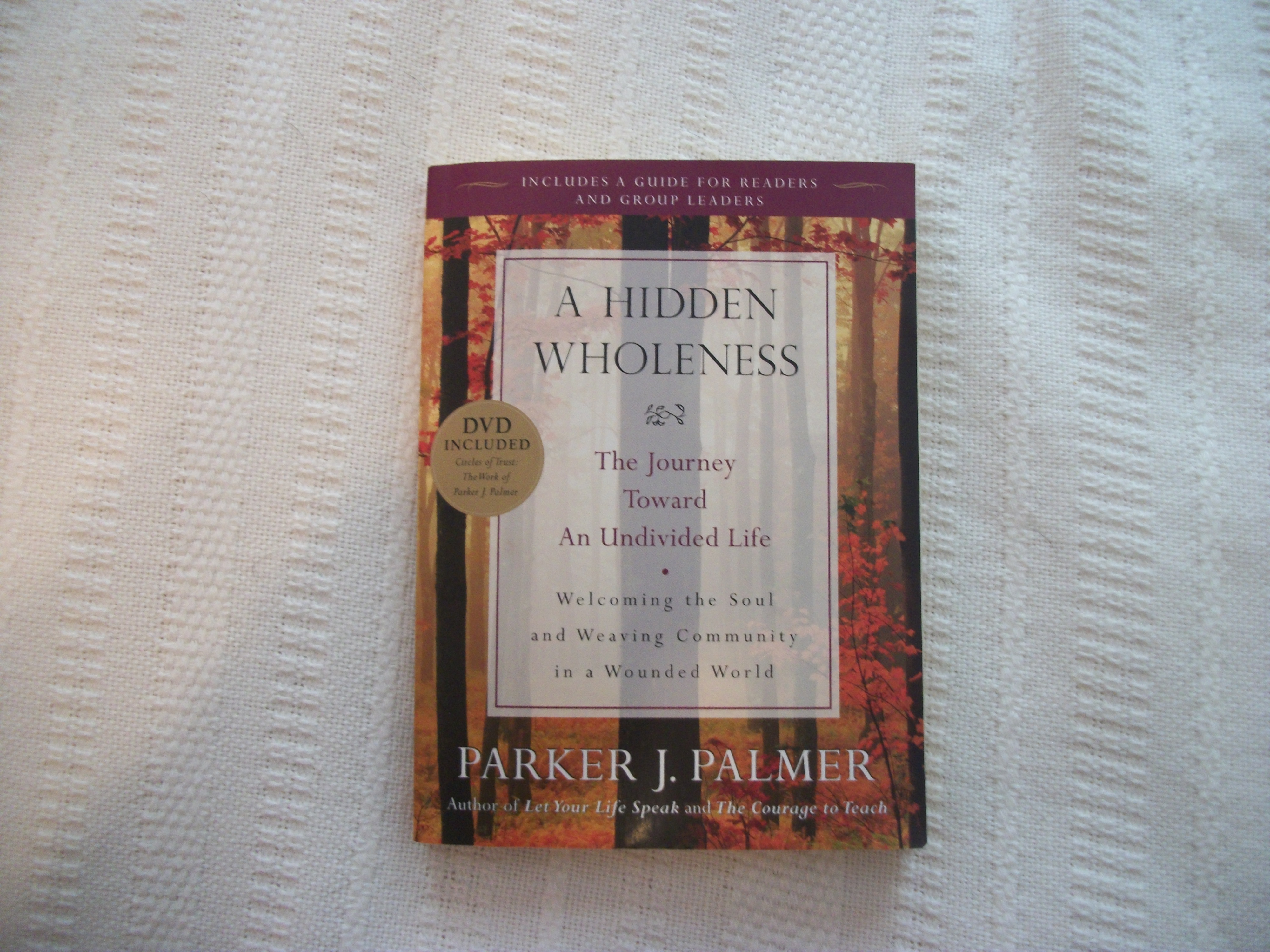
Palmer, a Quaker, suffered from life-threatening depression. Eventually, he figured out our modern culture cleaves us into two pieces–so that the essence of our self is separated from how we live our lives. Here’s his discussion of his problem–which is one answer to what is happening in America today (37-39):
We can reclaim our lives only by choosing to live divided no more. It is a choice so daunting–or so it seems in the midst of depression–that we are unlikely to make it until our pain becomes unbearable, the pain that comes from denying or defying true self.
Secularism denies true self by regarding us as raw material. Moralism–the pious partner in this odd couple–achieves the same end by translating “self” into “selfishness” and insisting that we banish the word from our vocabulary. The whole problem with our society, the moralists claim, is that too many people are out for themselves at the expense of everyone else. This New Age emphasis on self-fulfillment, this constant “cult of me,” is the root cause of the fragmentation of community that we see all around us. Or so the moralists argue.
Deep caring about each other’s fate does seem to be on the decline, but I do not believe that New Age narcissism is much to blame. The external causes of our moral indifference are a fragmented mass society that leaves us isolated and afraid, an economic system that puts the rights of capital before the rights of people, and a political process that makes citizens into ciphers.
These are the forces that allow, even encourage, unbridled competition, social irresponsibility, and the survival of the financially fittest. The executives who brought down major corporations by taking indecent sums off the top while wage earners of modest means lost their retirement accounts were clearly more influenced by capitalist amorality than by some New Age guru.
But before I go too far in assigning blame, let me name the real problem with the moralists’ complaint: there is scant evidence for their claim that the ‘cult of me” reigns supreme in our land. I have traveled this country extensively and have met many people. Rarely have I met people with the overweening sense of self the moralists say we have, people who put themselves first as if they possessed the divine right of kings.
Instead, I have met too many people who suffer from an empty self. They have a bottomless pit where their identity should be–an inner void they try to fill with competitive success, consumerism, sexism, racism, or anything that might give them the illusion of being better than others. we embrace attitudes and practices such as these not because we regard ourselves as superior but because we have no sense of self at all. Putting others down becomes a path to identity, a path we would not need to walk if we knew who we were.
The moralists seem to believe that we are in a vicious circle where rising individualism and the self-centeredness inherent in it cause the decline of community–and the decline of community, in turn, gives rise to more individualism and self-centeredness. The reality is quite different, I think: as community is torn apart by various political and economic forces, more and more people suffer from the empty self syndrome.
A strong community helps people develop a sense of true self, for only in community can the self exercise and fulfill its nature: giving and taking, listening and speaking, being and doing. But when the community unravels and we lose touch with one another, the self atrophies and we lose touch with ourselves as well. Lacking opportunities to be ourselves in a web of relationships, our sense of self disappears, leading to behaviors that further fragment our relationships and spread the epidemic of inner emptiness.
As I view our society through the lens of my journey with depression–an extreme form of the empty self syndrome, an experience of self-annihilation just short of death–I am convinced that the moralists have got it wrong: it is never “selfish” to name, claim, and nurture true self.
There are selfish acts, to be sure. But those acts arise from an empty self, as we try to fill our emptiness in ways that harm others–or in ways that harm us and bring grief to those who care about us. When we are rooted in true self, we can act in ways that are life-giving for us and all whose lives we touch. Whatever we do to care for true self is, in the long run, a gift to the world.
Olympia Snowe knows herself. She stands on and acts out of her values. It really scares me that she feels that things in Washington are so far gone that she can be of no more use.
Rush Limbaugh is a moral abyss. He creates and sells the hatred of a host of “others.” He laughs all the way to the bank. Every day.
There can be no community within Limbaugh’s kind of worldview, for there can be no place for difference. Is this the kind of America we all want to live within?
Not me. Not ever.

 Louisa Enright's Blog