Turkey Tracks: Tami’s Placemats

Turkey Tracks:  December 13, 2010

Tami’s Placemats

Last summer, Tami told me she’d love to make some of the placemats I had made using a simple hand loom and fabric strips.  About two years ago, I took a class at Alewives Fabrics, Damariscotta, Maine, to learn this technique.  The book that contains directions for both the looms and how to weave the rugs is RUGS FROM RAGS, by Country Threads.  I think even I could make one of these looms. 

I have two looms, a placemat size and a rug size that is about 2 feet by 3 feet.  I got the rug-size loom first, and my first project was a rug for our kitchen door.  We had just painted the kitchen a color called “beeswax,” from Benjamin Moore paints.  It’s a warm, soft color in the orange family.  So, I wanted kitchen rugs to have warm colors. 
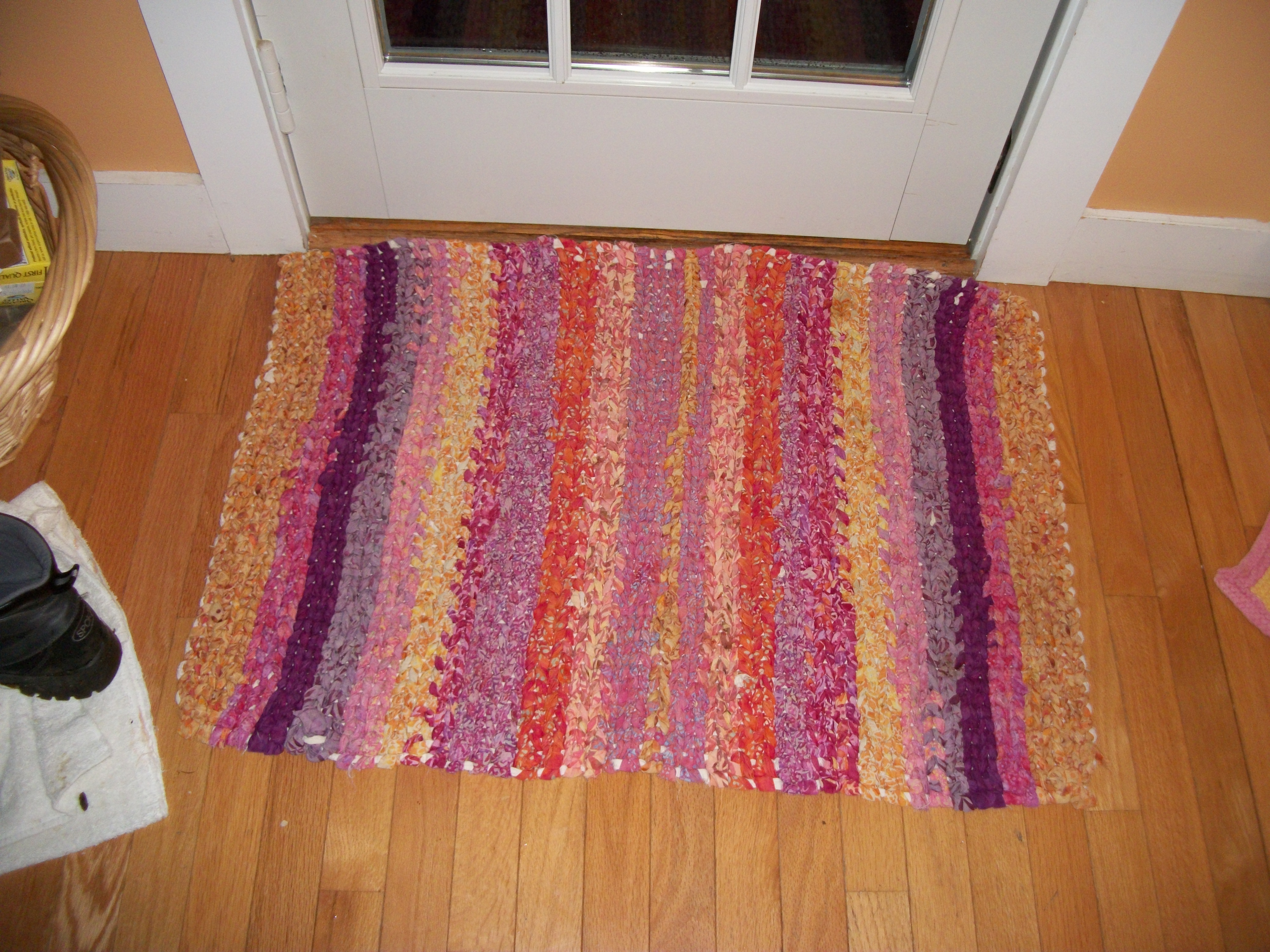
    

What I learned with this project is that my muslin inner fabric strips (warp?  woof?) should have been in the color palette, not the ususal off-white muslin suspect.  But, but, let me tell you that this rug washes frequently and gets popped right into the dryer.  It takes on mud, snow, and rain without a fuss, and I love it.  Ditto the 8 placemats and the upper side door rug I made after finishing this first rug.  The placemats and other rug are made from “on-sale” fabrics, and they are not batiks.  They ravel more, and it’s harder to weave them because you have to pay attention to keeping the outer, colored part of the fabric turned out so that the inner, bland side does not show.   

Here’s a picture of the upper side door rug so you can see how different it is.  That’s the door stopper Bryan and Corinne sent to us as a housewarming gift when we moved to Maine.

Here’s a picture of one of the placemats.  Each one is different.  And, I trim off unraveled threads every so often.  Again, they are wearing like iron and get popped into the washer and dryer without a backward glance.

Tami and I left the next morning to pick out fabric for her project.   John, upon hearing of her project, offered to make her a loom.  Meanwhile, after choosing batiks in soft creams and blues (beachy colors she said), she cut her fabric strips and started a placemat on my loom.

Tami and I always get into crafts toward the end of their month in Maine with us, so she did not have time to finish this first placemat and went home with both my loom and the one John made for her.  She did have time to master the technique and finished one of the placemats in short order.  Here it is:


I, meanwhile, made the six napkins with fabric she left with me and mailed them to her.

Tami and Mike, after looking for the kind of home they wanted to buy in Charleston, bought a home in August.  Thus, she was preoccupied with her third move in three years and with some changes to the new home throughout the fall.  (They bought a simple, beautiful home that works to keep them together as a family–along the lines of the “not so big” home idea.)  And now, both of my sons and their families live on Isle of Palms, a barrier island just north of Charleston’s harbor.  They live two blocks from each other and within two blocks of the beautiful Isle of Palms beach. 

Together over Thanksgiving, we finished three placemats, so now Tami has four completed.  She has materials for two more.

Here’s what the loom looks like, with a placemat in progress:

And, here are three placemats with their matching napkins:
Some time this winter I would like to start a rug using an old light green duvet color and some old sheets. 

I warn you:  this craft is addictive.
Turkey Tracks: Steve Melchiskey’s Earring Holder

Turkey Tracks:  December 13, 2010

Steve Melchiskey’s Earring Holder

I’m a member of Coastal Quilters, a chapter in the Maine State Pinetree Quilters’ Guild.  CQ is based in Camden, Maine, and it is a lovely group of women.  I treasure knowing each and every one of them.  They are generous to a fault, astonishingly talented, and devoted to this quilting group.  We learn a lot from each other.

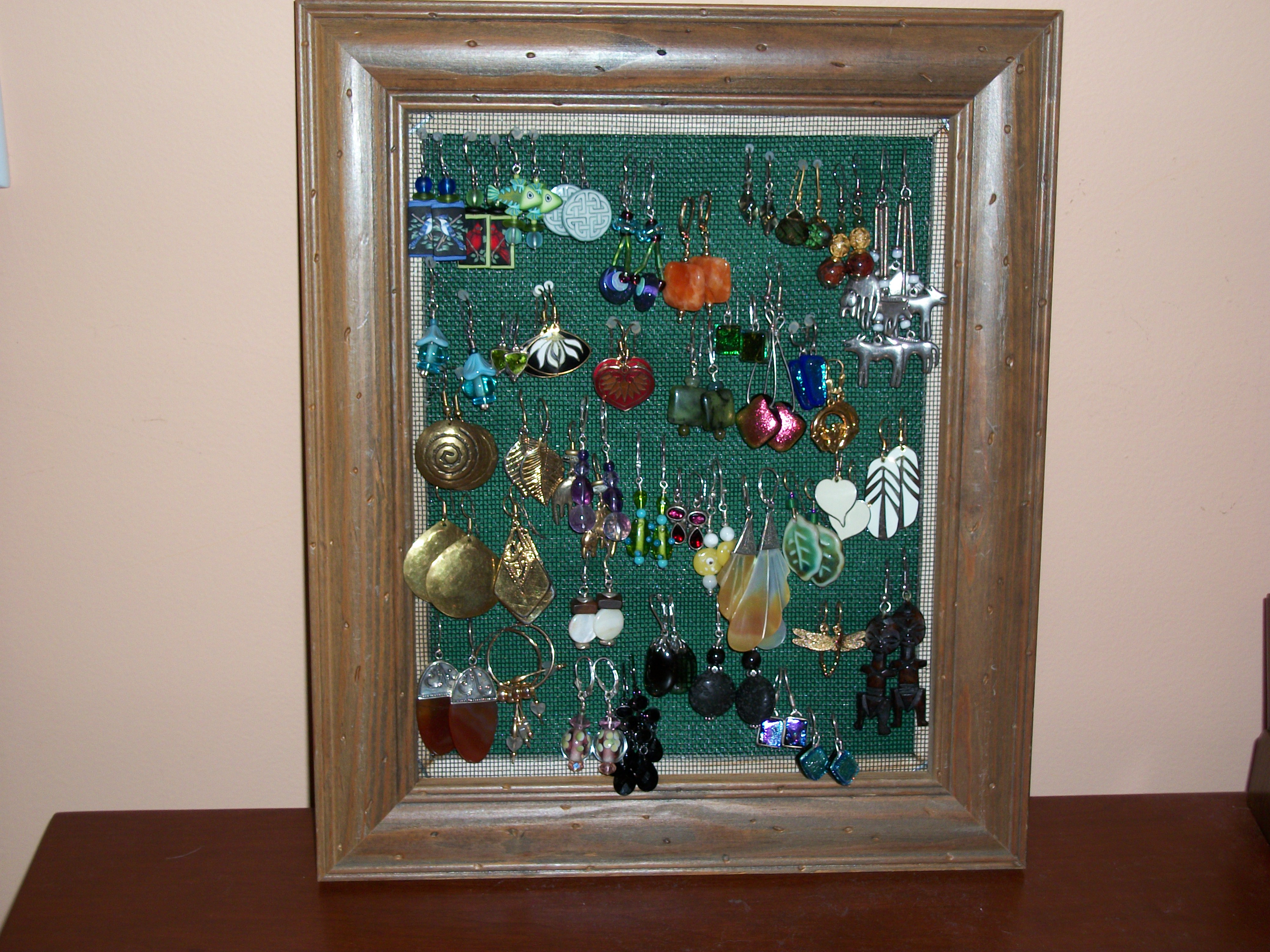
Our spouses are no slouches either.  Many of them help us set up our meeting space at the Lion’s Club each month, which involves putting up lots of tables and placing chairs around them.  And, for our annual fundraising auction, one spouse–Steve Melchiskey–made several, very clever, pierced earring holders, using frames and window screen.  I had been searching for something to organize my earrings–especially since I have a new-found passion–making earrings with the help of the staff at Aboca Beads in Damariscotta, Maine, about 40 minutes down the road.

Here’s my terrific earring holder, and my heartfelt thanks to Steve Melchiskey for supporting Coastal Quilters:


Look at all those earrings, both VERY old and new!  The top three on the left are made from folding clay by the most amazing artist who displays at Alewives Fabrics in Damariscotta Mills.  How does she make such intricate pictures????  Some readers will recognize earrings they have given to me.  Some of the earrings I remade from old, outdated earrings, giving them new life.  One of the amber-like ones on the lower left got dropped and cracked.  John glued it for me, and I love it still. 

Turkey Tracks: Karen Johnson’s Written Driving Test

Turkey Tracks:  October 12, 2010

Karen Johnson’s Written Driving Test

Today was a red-letter day for Karen Johnson.  And, as an interested observer, for me.

Karen is one of the students at The Community School I worked with last year.  We worked on her writing skills and on English requirements in general.  For her Passages Project–a major school project needed for graduation–we made a quilt.  You can see Karen’s quilt in the May 2010 section of this blog.  It hung at the Center for Maine Contemporary Arts in a special student exhibit. 

Karen has remained in the Camden area, which makes me happy because I like her a lot.  It’s fun to watch her grow into–and recognize–her awesome abilities.  She’s a special person.

Young people trying to get a toe hold in life in rural areas are constrained by transportation needs.  Karen is no exception.  So, we are working on getting her driver’s license.  In Maine, if you are not 21, you need to get a learner’s permit first, which means taking a difficult written test.  After six months of driving, the student can apply to take the driving test itself. 

Karen sent for the informational booklet and scheduled her written test.  And, we began working on the material she had to learn.  Karen discovered that she has really good listening skills.  So, if I read information aloud to her, she could remember it.  And, she learned that she has really good visual skills.  If she could see a sign she had to learn or a diagram of a driving problem, she remembered it.  Learning how you learn is half the battle.

Karen has a vexed history with taking tests, and this morning she was a nervous wreck.  But, I kept reminding her that those memories were in her past life and that she is now in her future life, that she had worked hard, that she knew the material, that the only way she could experience defeat would be if she worked too quickly or let herself get too panicked.

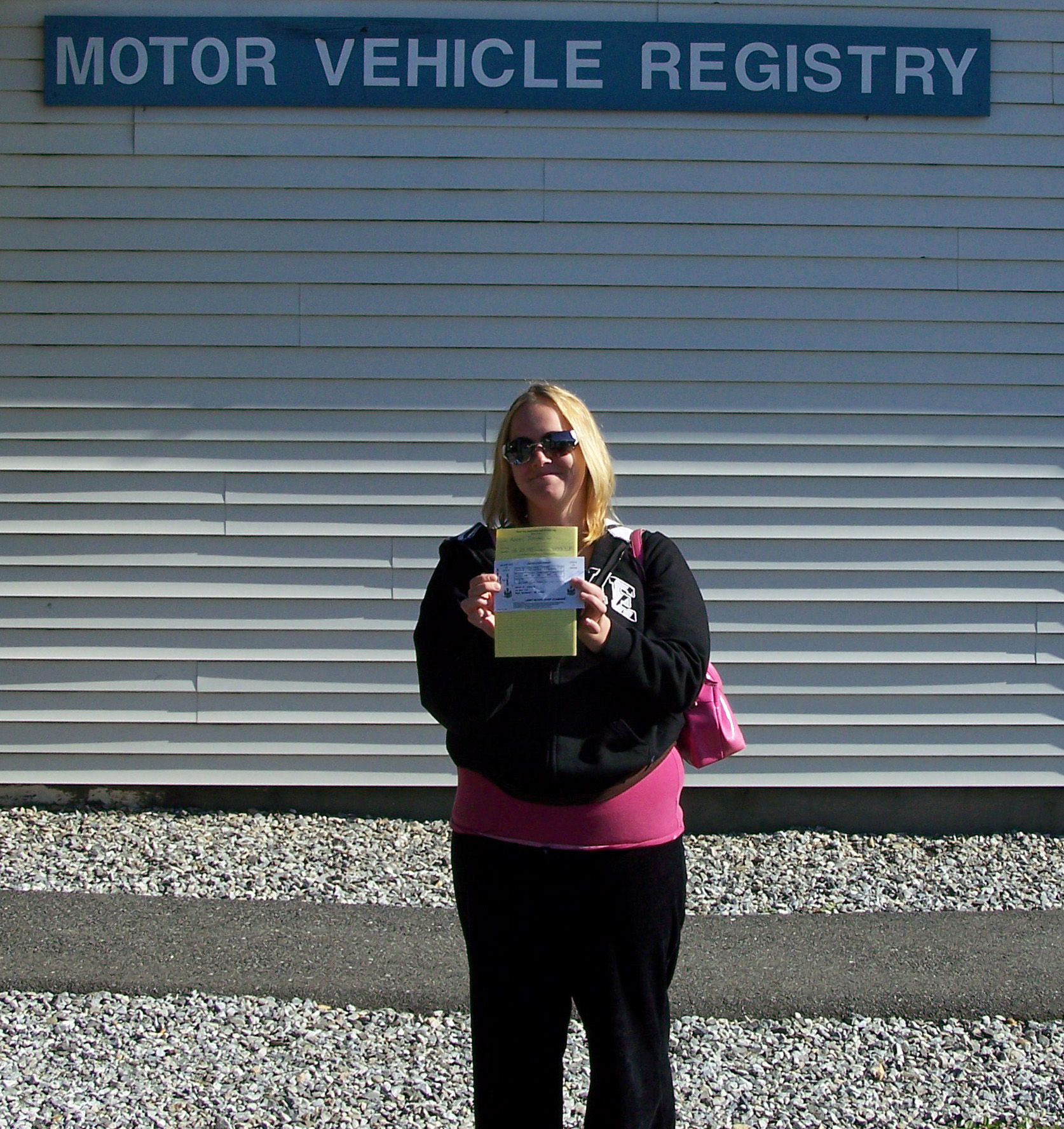
Here is Karen watching her test being graded:


And here is Karen when she was all done:


Karen PASSED the test with flying colors!!!!

Karen can drive!!!  And in six months, she can take the driving test, which she will pass.

We had Homestyle Cafe’s famous “Cinnies” as a treat (grilled Cinnamon buns that are to die for), and, eventually, Karen drove me home and herself to work with me as supervisor. 

She will be a good driver, I can already tell.


Turkey Tracks: The Camden International Film Festival

Turkey Tracks:  October 11, 2010

The Camden International Film Festival

Small Towns, Big Films


One reason I’ve gotten a bit behind on this blog is that we spent last weekend at the 6th annual Camden International Film Festival, or CIFF.  This year it was clear that this festival has made a name for itself.  We’ve enjoyed this CIFF weekend since we moved to Maine, and it’s really exciting to see how CIFF  has grown, how it has acquired now major sponsors, and how well attended it is by people in the industry.

The films are all documentaries.  And, from Thursday to Sunday night, about 45-50 films are screened in venues in Camden, Rockland, and this year, at the CellarDoor Winery in Lincolnville.  The Winery held VINFEST this same weekend, and the final film, by Ian Cheney (KING CORN and THE GREENING OF SOUTHIE)–a work in progress–was viewed under the stars or from the inside of the hugest tent I’ve ever seen.  (The film is about the loss of darkness with the growth of urban development and light pollution.)

What makes viewing each film special is that often the film is followed by a question and answer period led by representatives from the film–the director, sometimes producers, sometimes a panel of people who are experts in the film’s area of coverage.  Viewers often can find out what has happened since the film was finished.  And, if the film is about particular people, sometimes they are in the audience and come forward after the film is finished so we can meet them.  It can be an exciting experience. 

We always have a terrible time choosing which films to see because films that look really promising often overlap.  And, we can only see so many movies in any one day before becoming brain-dead and having major fanny fatigue.  But, many of the films shown will go on to a general release in about a year and can be found on Netflix.  You can preview the films shown this year at www.camdenfilmfest.org.   And, each has a web site where you can read more about the film.

Movies that stood out for us were as follows:  you may want to try to see them next year some time:

BUDRUS–the opening film on Thursday night was about a nonviolent Palestinian protest to having their land taken by Israel during its building of its perimeter wall. 

MY PERESTROIKA–a film about 40-something Russian adults who attended the same local elementary school and who lived through the tumultuous time of enormous social change in Russia.

DREAMLAND–a film about Iceland, where the development of cheap energy (electricity from abundant rivers) led to Alcoa aluminum locating plants there that would begin to spoil untouched, gorgeous land.  Visually stunning.

GENERAL ORDERS NO. 9–an innovative, lyrical, artistic film by a middle-Georgia (Ft. Valley and Forsyth) man.  This film is quite unlike anything I’ve ever seen.  The title is taken from Robert E. Lee’s last orders to his troops at Appomatox, and the film, like Lee’s orders, is a confession of failure.  In the case of the film, it is a failure to understand the urban world, and it is the mourning of the loss of a deep attachment to the land. 

ON COAL RIVER–Massey energy has removed over 500 mountains in West Virginia (and in other states) in order to take out coal.  The mountain tops are dumped into the valleys, which pollutes the water and the air and which sickens nearby people.  The land is utterly despoiled.  This is a shocking and scary movie that lets one know what AVATAR was really about.  The equipment is huge, just as it is in AVATAR.  As with DREAMLAND, local politicians have sold out the little people. 

SUMMER PASTURE–nomad herders in Tibet take their yaks to summer pasture in China.  Their way of life is changing rapidly, as life has changed for other migratory herders across the world.  The novel, WOLF TOTEM, by Jiang Rong, details a similar story in the grasslands of Inner Mongolia. 

I am already looking forward to attending CIFF next year!

Turkey Tracks: The Common Ground Fair 2010

Turkey Tracks:  October 10, 2010

The Common Ground Fair 2010

I’m a bit behind on blog entries.  It’s been busy at Hillside House this fall.  But, we attended the Maine Organic Growers’ and Farmers’ Association (MOFGA) Fair, called The Common Ground Fair, on Saturday, September 25th.  As always, this fair is a highlight of our year.  The Common Ground Fair celebrates rural living, and we so enjoy spending at least one day a year formally doing just that kind of celebrating.

This year, my first cousin, Martha Louise Bryan Epton, aka Teeny, and her partner Lori Soles, embarked on a road trip from Georgia.  I was delighted that they came to see us and that they took our word about the fair and came with us–since they had so many wonderful things to see in Maine in a short period of time.  (They have assured me that they will be back, and we hope so!)  I was 11 years old when Teeny was born, so I have known her, literally, her whole life.

Here they are:  Teeny is on the left; Lori on the right.

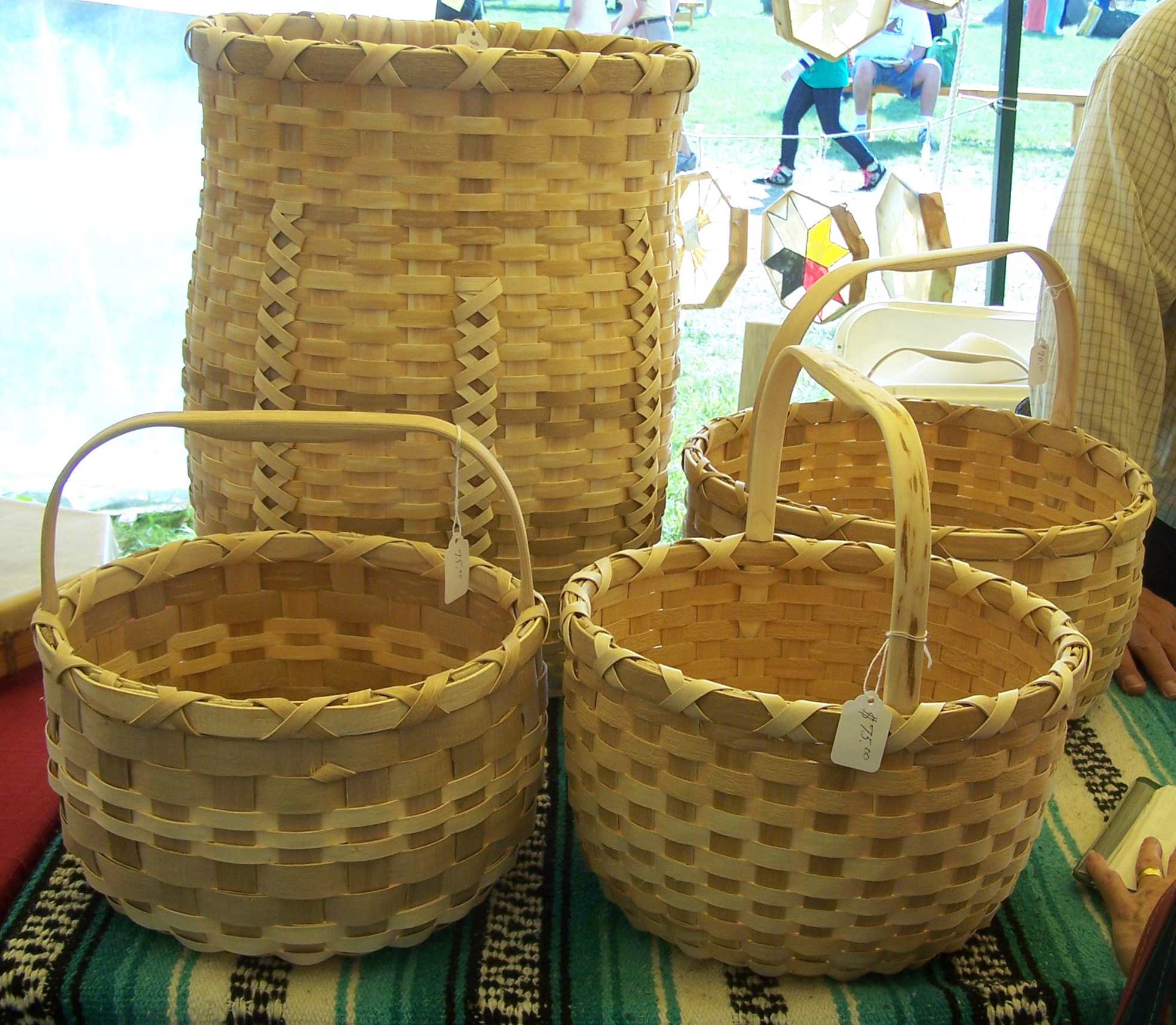
The fair abounds with educational speakers, farm animals of all kinds, informational tents and demonstrations of all kinds, products for sale [solar panels, heating products, food, farm implements, fiber of all kinds (wool, angora from rabbits, sweetgrass, yarn), crafts, etc]), and delicious organic food to eat and drink.  It’s impossible to cover everything in one day, but we do our best.  Here are Indian baskets for sale:


We always try to see the sheep dog demonstration.  It’s John’s favorite I think.  Each year the sheep herder pits children against the sheep dogs to see which group can move and hold sheep, goats, and ducks the fastest.  This year it was really hot, the sheep and goats  were tired and hot, and the children won!  They couldn’t get the ducks into the circle of cones, however.  In any case, the audience was suitably impressed!  And I somehow do not seem to have a good picture of the dogs working.


I always go to the chicken house first.  Here is a shot of a little boy taking a good look at a bantam rooster and his mate who were somehow on the floor.  Most of the demonstration chickens are in eye-level cages.  The rooster was crowing like crazy, and the little boy was fascinated.  He was sitting in a sea of adult legs as the chicken house is a big draw for everyone.  It’s fun to see how many different kinds of chickens there are.


We saw jumping mules.  (I love mules.)   There’s a man who brings 10 mules to the fair ever year, and he harnesses them all up in beautiful harness, and has them pull something–a wagon, I think.  It’s quite something.  He says getting a mule is like eating potato chips:  you cannot have just one.  They live to be very old you know–30 to 50 years.   They don’t get a running start to jump.  They stand in front of the stake and just…jump!  This big boy with the glossy black coat–a beautiful creature–didn’t like this event.  He took one look at didn’t see the point, which is a very mule-like thing to do.  They are very, very smart.  The smaller mules went jumping over, and one of those won. 


And paired oxen teams.  Here are some good boys:

Here are other pairs of beautiful animals.  These horses are giving anyone who wants one a ride around the fair.  The blondes are, I think, work horse from Scandinavia.  I need to refresh on the name.  Maybe they are Haflingers?  A few years back we saw one of this type being really agitated in his stall because his partner was working and he was not.  When you watch these working animals, especially the horses, you begin to see that they love to do reasonable work.


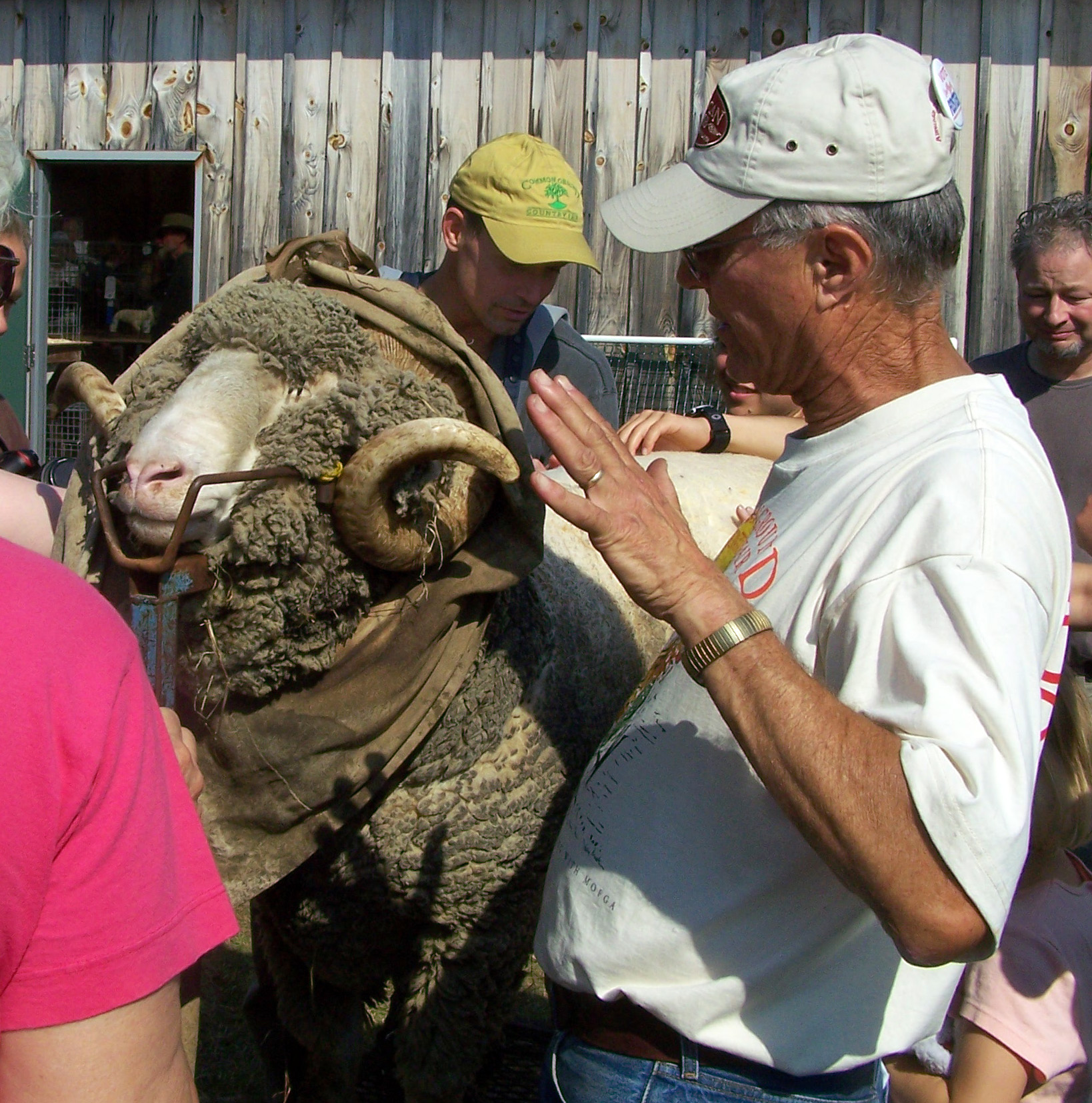
And, here is a gorgeous merino ram from Rivercroft Farm in Starks, Maine.  They cover the sheep with burlap coats to keep the wool from being disturbed.  This boy won all sorts of prizes and is now the farm’s primary breeder.  Joe Miller showed us how he trims the wool from around the ram’s eyes so he can see well–which he must do as another of the rams might butt him and hurt him if he cannot see.  The horns are quite spectacular, aren’t they?

We saw people gathered together and singing for fun.  We recognized many of the songs used in the movie Cold Mountain, which, of course, are songs people used to sing together for fun in places like church.  It was really fun to hear the harmonizing and the quick beats and chants.

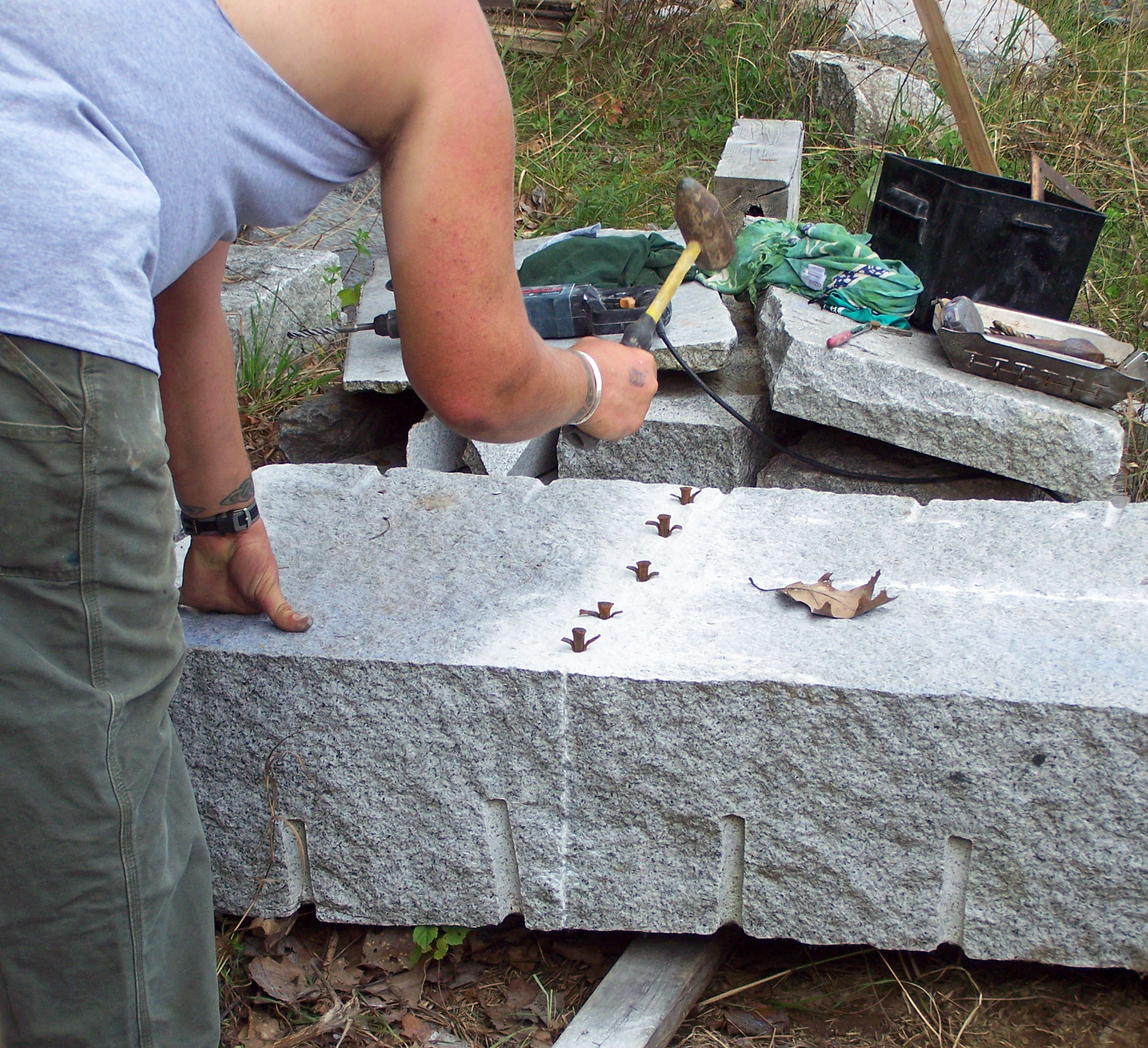
The stone masons are always at the fair.  Here they are demonstrating how to cut granite into blocks.  Once small holes are drilled and metal pegs are inserted, the mason has only to gently tap on the tops of the pegs in rotation for the stone to–amazingly–break apart in a clean line.  Drilling the holes takes time and really good drill bits.  The masons were also demonstrating how to build stone walls with an arched opening, outdoor ovens, and sculpture tools and work in progress. 

The wood workers also had all kinds of demonstrations, to include how to debark felled timber and how to cut it into planks by hand.  Boat builders were also demonstrating how to build sailing boats and canoes.

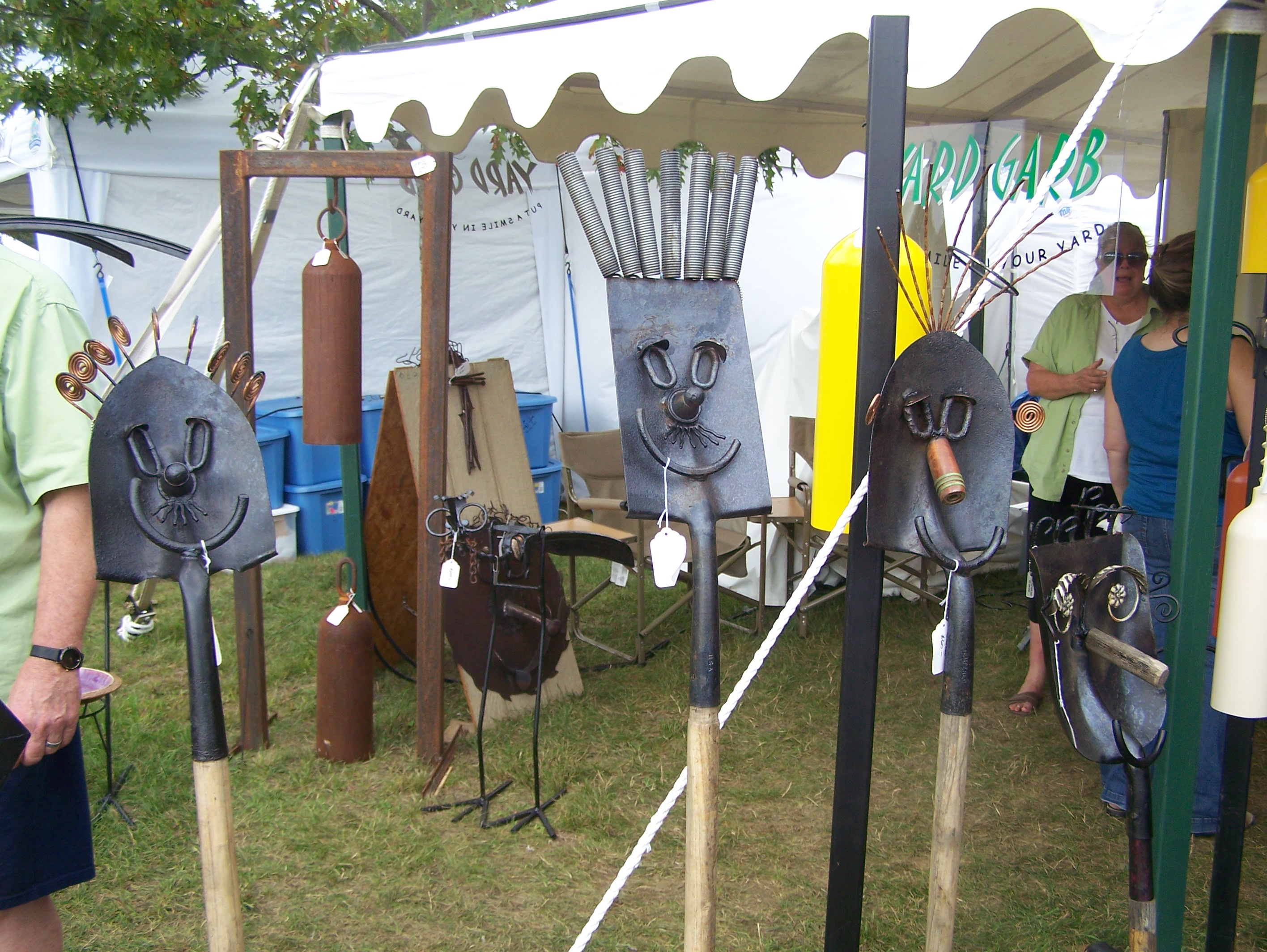
I love, too, the whimsey at the fair.  Here’s what I mean:

Grinning shovels (a welder demonstration) and awesome birdhouses!  

I’m always powerfully interested in what is growing at MOFGA and how they are growing it.  Each year the hoop houses get more interesting.  Here is a traditional hoop house–which, with inside row covers, allows for 4-season growing in the cold Maine climate.  The pioneer of this method is Eliot Coleman, who lives further north than we do–on the Blue Hill peninsula. 


Here is a “giraffe” hoop house that fascinated me.  It does not take up much space–a prime consideration for me with my tiny growing space, it’s easy to assemble, and it allows 4 paste tomato plants to fully ripen fruit.  We had a great tomato season this year, but even so, I brought in about 50 pounds of green paste tomatoes that just did not have enough time and warmth.  Here’s a solution. 

And, finally, the best for last:

Many, many varieties of fall pumpkins and squash–aren’t the white pumpkins interesting?

And, GREENS!  Collards and different types of kale:

LONG LIVE THE MOFGA, COMMON GROUND FAIR!!!

Turkey Tracks: The Union Fair 2010

Turkey Tracks:  September 4, 2010

The UnionFair 2010

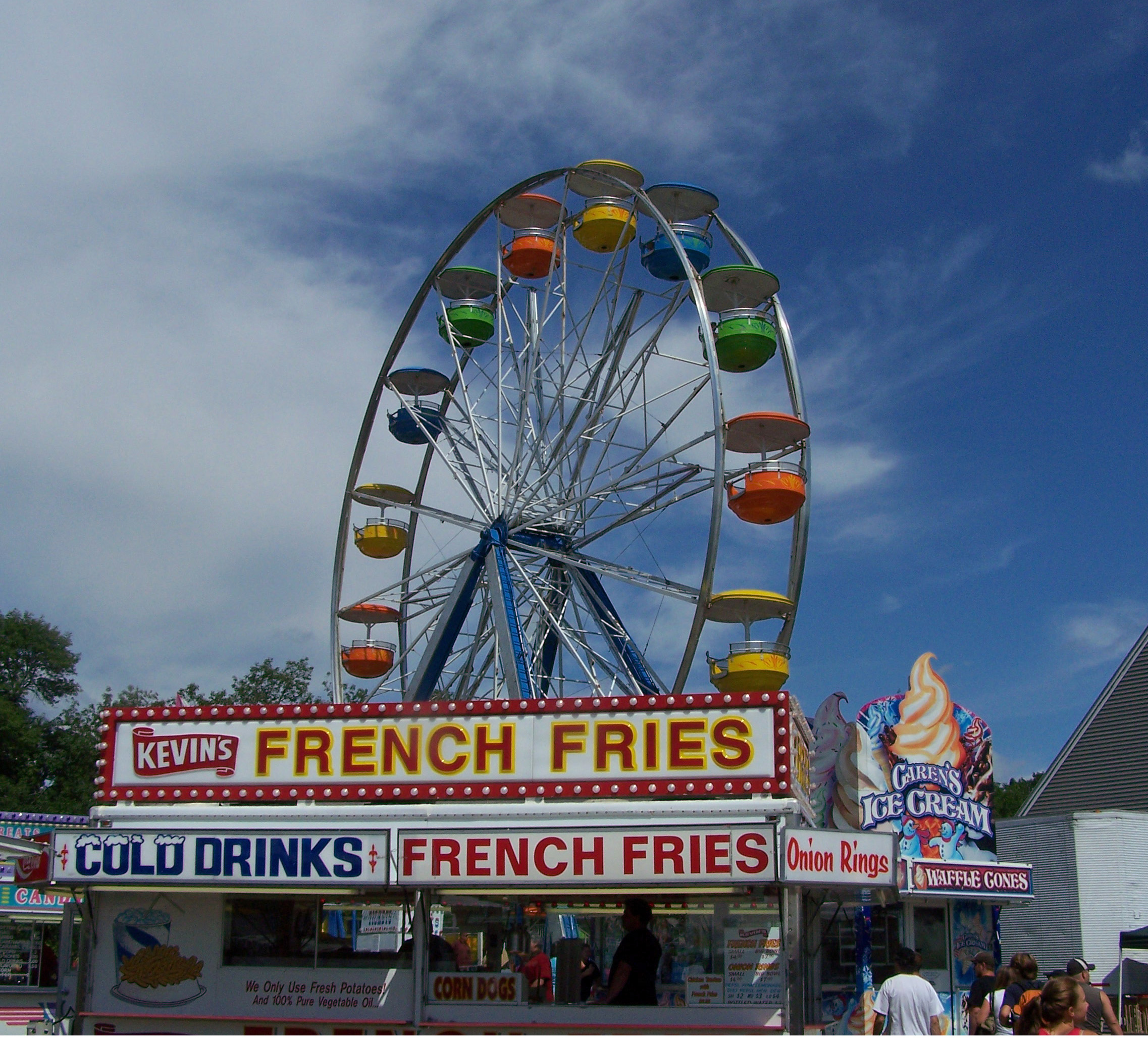
The local agricultural fairs begin in mid to late August.  For us, the Union Fair kicks off the season, followed by the Windsor Fair and The Maine Organic Farmers and Growers Association (MOFGA) fair, better known as The Common Ground Fair.  Union and Windsor have TONS of food, carnival rides, entertainers, 4H competitions, serious oxen and horse pulling competitions, pie throwing and pig chasing contests, and all sorts of produce demonstrations and contests–from food to handwork like quilts.  MOFGA celebrates the union of man and the earth and glories in its abundance.  It falls in late September, and I’ll likely post about our trip there this year.         

One highlight of the Union and Windsor Fairs is the harness racing.  Usually, there are 8 to 9 races, and you can place $2 bets.  We go, take healthy food for snacks, and no more than $20 each, and spend a lovely afternoon contemplating racing horses.  John’s sister Maryann loves to come from Boston and go with us.  Usually we go early to see the farm animals, but this year, with one thing and another, we got there nearly at post time.

Here’s the first picture I took, as it is emblematic of one side of the fair:

We did pass the chicken house before the races.  We saw a new heritage turkey breed called Royal Palm–quite a gorgeous fellow.  You can see more information on this breed at http://www.efowl.com/Royal_Palm_Turkeys_p/1302.htm.   He is “displaying” and his head is showing blue, if he’s like wild turkeys, because the thinks the female next to him is a real charmer.  Turkeys are quite social and will talk to you as long as you stand and talk back. 


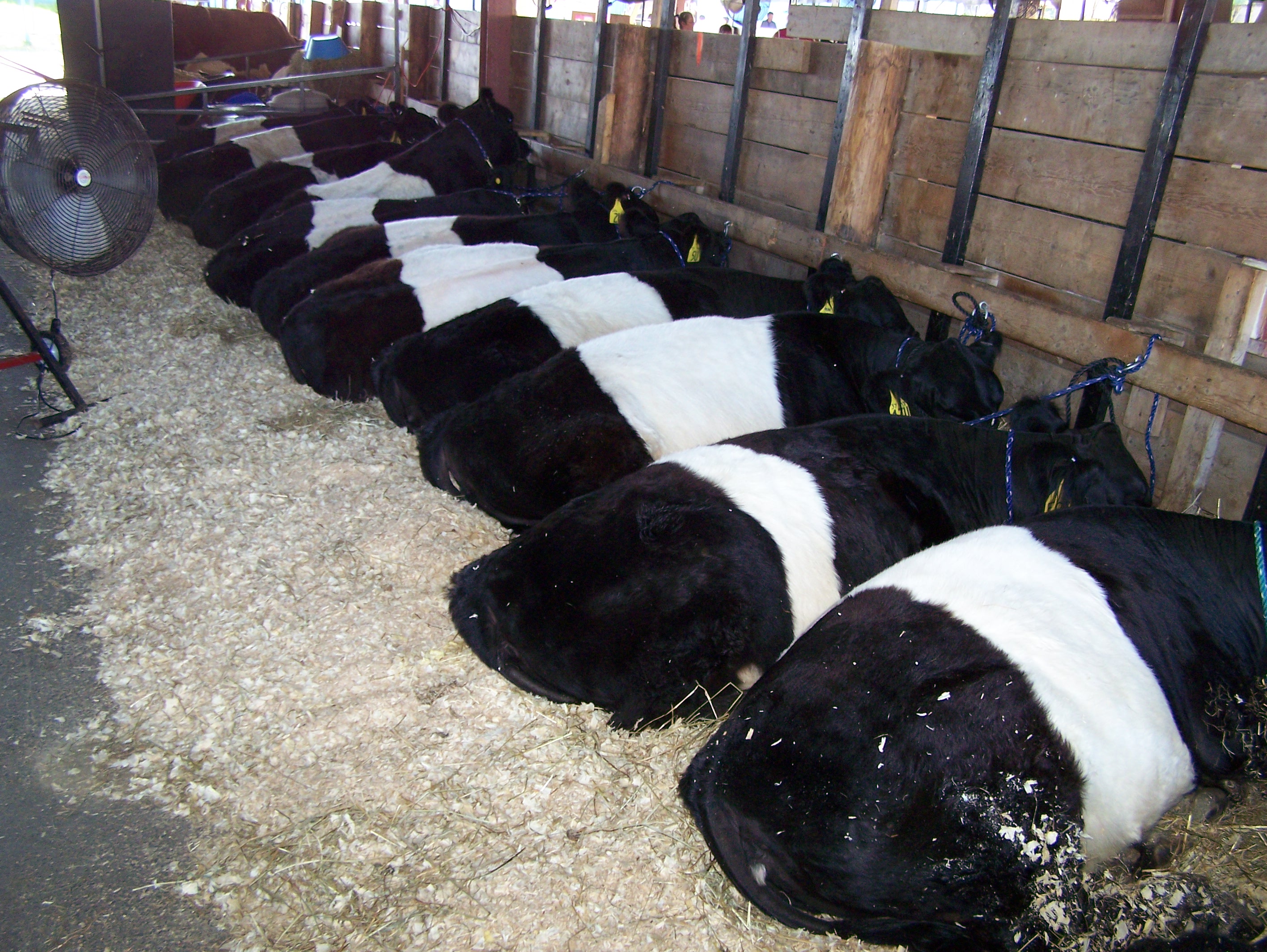
And, from last year, a picture of local celebrities:  Belted Galloway cows, or the “Oreo” cows.  They are a meat cow, and every single one has these exact markings.


 Here’s a pair of the most amazing pair of horses we watched win the pulling contests from last year.  You can’t imagine how determined they are, how they work together, how they want to do the job.  Sometimes I can hardly watch, especially when they get to weights that they cannot pull. 

Here is a picture of one race, seconds before crossing the finishing line:

We didn’t make any money.  We never do.  But we didn’t lose all that much either.  And, we had a glorious, sun-filled afternoon, fun afternoon.

We’re not going to Windsor this year as, sadly, due to the economy, they are not running live harness races, but are showing “simulcast” races piped in from somewhere else.  For us, the races are about much more than the betting, so we aren’t drawn there just to bet.

Turkey Tracks: Hope’s Edge, Our Community Shared Agriculture Farm

Turkey Tracks:  August 14, 2010  

Hope’s Edge:   Our CSA (Community Shared Agriculture) Farm  

We’ve belonged to Hope’s Edge, our CSA farm, for at least five years now.  Our pick-up this year is on Friday, and I look forward all week to driving out to the farm.  It’s a beautiful, serene space.   

What’s cool about Hope’s Edge is that Farmer Tom does not own it.  The owner and her daughter live in the farmhouse, and they have allowed Tom to build a CSA and his own house on it.  There are horses, some rescue ponies, a milk cow and a new calf, and chickens.  Sometimes there are some sheep as well.     

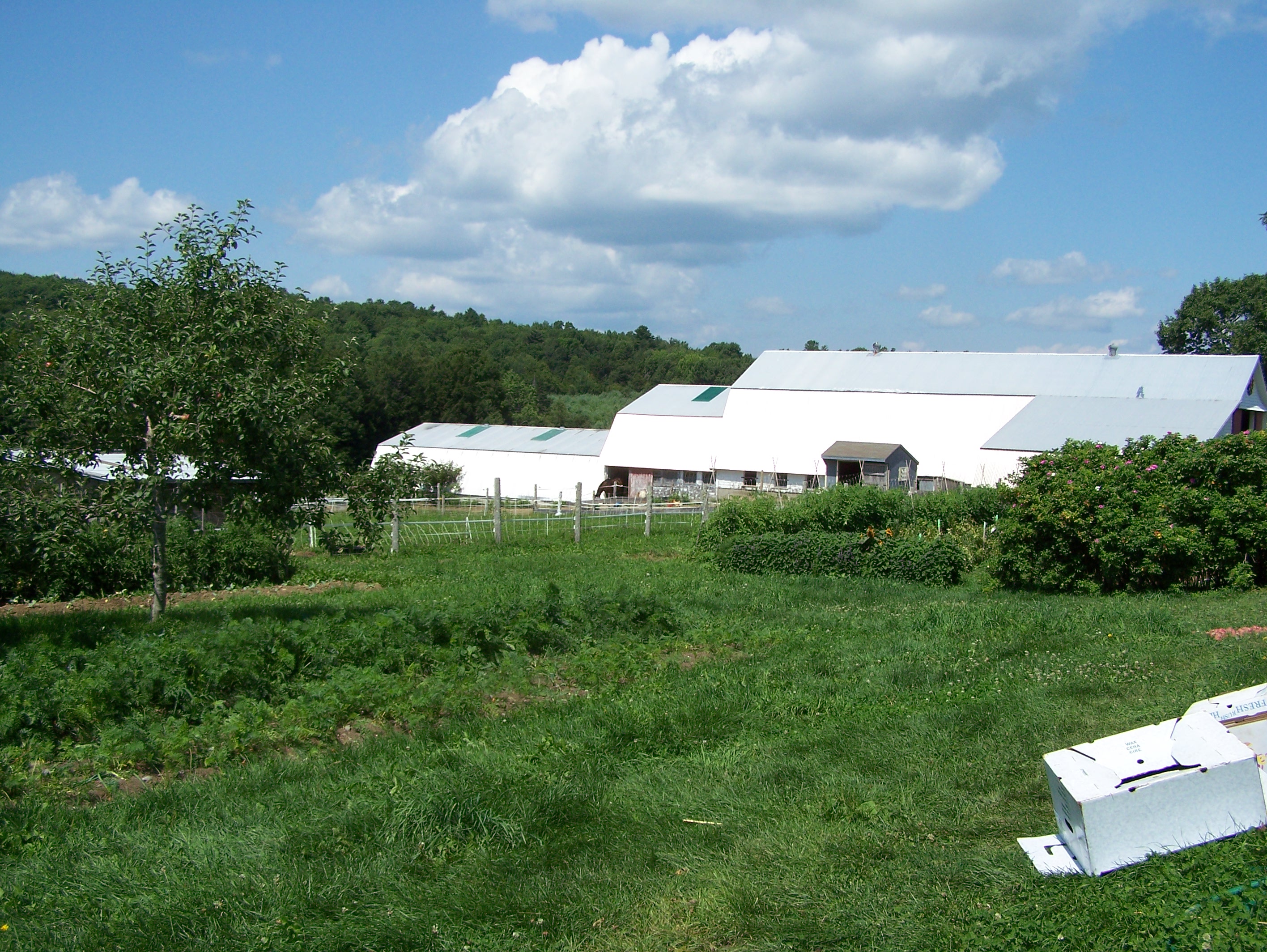
Hills circle the fields, barns, farmhouse, the CSA sheds, and Farmer Tom’s house.   A pond nestles down the hill from the barn, providing a cooling off place for hot CSA workers.  This is a view of the barn and stables from the CSA shed.  Look at how blue the sky can be in Maine.  The old farmhouse is on the far side of the barn.  In the foreground are some garden beds and the first of a line of apple trees.  


Here’s the CSA shed where we pick up our food.  Inside are refrigerators, some cooking equipment, tables, and LOTS of food.  Behind the shed are more garden beds, a huge oak with a tire swing, and a frog pond that drove our grandchildren quite crazy.  To the right there is another small barn and the entry road.  Across that road are planted crops, including a strawberry bed that gets bigger each year.   


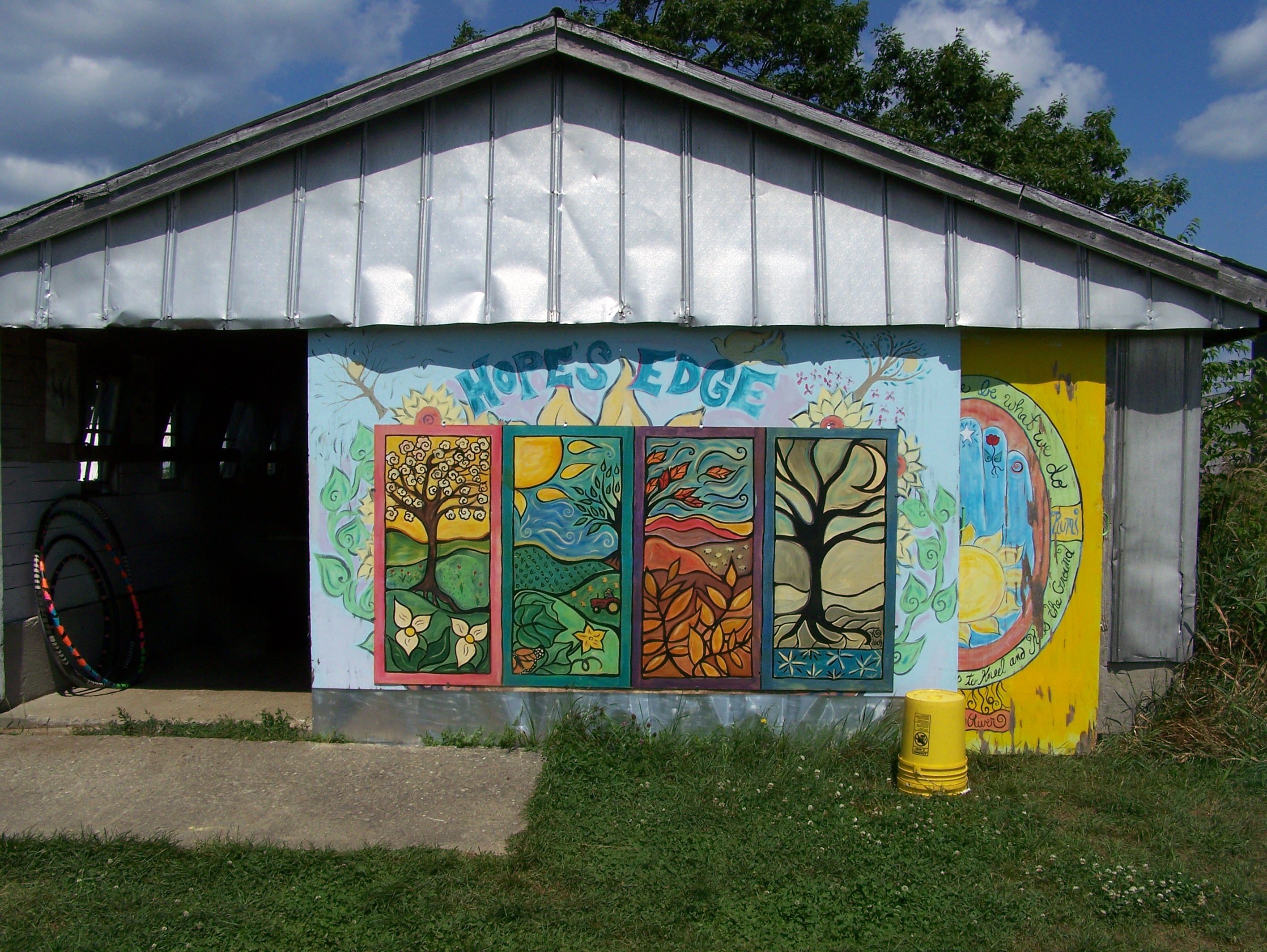
Here’s a bigger picture of the mural.     


We picked up over 12 pounds of food this past Friday.  I could not resist putting it in my garden/mushroom basket and taking a picture:  


Cukes, zukes, tomatoes, cauliflower, broccoli, two kinds of beans (regular and Romano flat), lettuce, herbs, potatoes, an eggplant, a cabbage, carrots, and garlic.  I could have cut a flower arrangement as well, but we were tired after a morning in Augusta, and we have lots of flowers in our own garden.  

It doesn’t get better than this kind of food, does it?  It nourishes our bodies and our spirits.  

Ratatouille, I think.  But with some of the mint I brought from Maine.  And, some basil from our herb garden.

Turkey Tracks: Two Quilts

May 17, 2010

Two Quilts

John and I both volunteer at The Community School in Camden, Maine.  The C-School is a private alternative high school. 

This year, I worked with two students, both girls.  I have accompanied them through many academic endeavors, watched them grow and grow up, and celebrated with them their awesome success.  Both will graduate May 28th. 

Along the way, the three of us decided they would, or could, make quilts.  Ok.  I decided, and they went along with me.  They are both cool that way.  And, I was honored that they trusted me saying they could make a quilt, especially since neither of them had ever sewn, used a rotary cutter (VERY sharp, can cut off fingers), done fabric math, and so on.

Well!  After 5 months of working almost every Friday afternoon, their quilts are done.  And, on the spur of a moment, I took them to our April quilt meeting.  One of our quilters works for the Center for Maine Contemporary Art.  Later, she got in touch with me and suggested the girls and the C-School hang the quilts in the annual student show beginning May 1.

We finished their bindings, I put on hanging sleeves, John and I worked out hanging rods, and both of us worked on signage.  John did most of the signage and all of the hanging. 

Here are the quilts:


 I am so proud of both girls.  I wish for them all the best in this world.   I will miss them so much.  But, I know that they will always have these quilts and that the quilts will remind them what they can accomplish in life.   


Turkey Tracks: Kathy Daniels Comes to Coastal Quilters

May 17, 2010

Kathy Daniels Comes to Coastal Quilters

Mercy!  Where does time fly to?

Our April 10 meeting of Coastal Quilters featured Kathy Daniels, who is an amazing quilter.  Best of all, she may be moving to Camden in the near future.  Kathy did a trunk show for us which included her quilt journey.  She started with traditional quilts, but quickly moved into art quilts.

I loved most of her quilts.  They are so inventive.  But here is one I particularly liked.

Kathy is on the left and Sarah Ann Smith, a nationally known quilter, is on the right.  Kathy and Sarah are friends and members in Frayed Edges, their art quilt group. 

Kathy’s blog is  http://studiointhewoods.blogspot.com/.  Take a look.  It’s really fun.  And, colorful.  Lots going on here.

Sarah’s blog is http://sarahannsmith.com.   Visit it to see her beautiful quilts.  Her galley is on the right of her opening page.  Also, she just published her first book:  Thread Work Unraveled.  AND, it has been given a second printing.  GO SARAH!  Be sure to visit her blog.  If you’re a quilter, you can learn a lot.  If you’re not, you’ll still be intrigued.

So, here’s another of Kathy’s quilts that I liked a lot.  It’s a tribute to a beloved dog who died.


Finally, here’s another one I liked.

 Kathy!  Thanks so much for coming to Coastal Quilters!

Turkey Tracks: Jeanne Marie Robinson

Turkey Tracks:  May 6, 2010

Jeanne Marie Robinson

Rest in Peace

A friend and I drove to a gallery in Topsham last week to pay homage to a selection of Jeanne Marie Robinson’s quilts.  Jeanne Marie, who died very recently of cancer, was an amazing quilter.  She created whole worlds out of cloth.  She loved applique, but she combined applique with traditional piecing and with art quilt techniques.  She had a unique vision that will be sorely missed by anyone who has ever seen one of her quilts.  

Here are two quilts that hung in this memorial show:

JMR 1

Jeanne Marie was also very generous with her work.  For the past three or four years she donated one of her pieces for the Coastal Quilters yearly auction fundraiser.  Of course, her donations always brought in the most money for any one single item.

In her youth, she was a nationally known ballet artist.  It was only in her later years that she turned her talents toward fiber art.  Boy are we who could see her ongoing work glad that she did!