Turkey Tracks: August 23, 2013
Gardens in the Watershed:
The Dorolenna Farm
This farm was Giovanna McCarthy’s and my last stop on this years Gardens in the Watershed Tour, hosted and planned by The Georges River Land Trust.
In every garden, Giovanna and I learned so much more than each of us–both avid gardeners–knew. Our creativity was sparked, and we both went home feeling we had spent our day quite well.
Andrew and Victoria Marshall have owned this 250-acre farm for seven years. It’s beautiful land, with a mixture of forest and pasture. The homestead dates to 1840 and is one of the few remaining farmsteads of the “Frye Mountain community which populated the area until the 1930s.
Dorolenna Farm is “certified organic and produces vegetables, tree fruit, pasture-raised poultry, cut flowers, and forest products for local markets.”
The barn is GORGEOUS. (I love barns.) The Marshalls built the barn in 2009 from wood harvested, milled, and cut on their farm. The barn was raised on-site. (Wish I’d been there.)
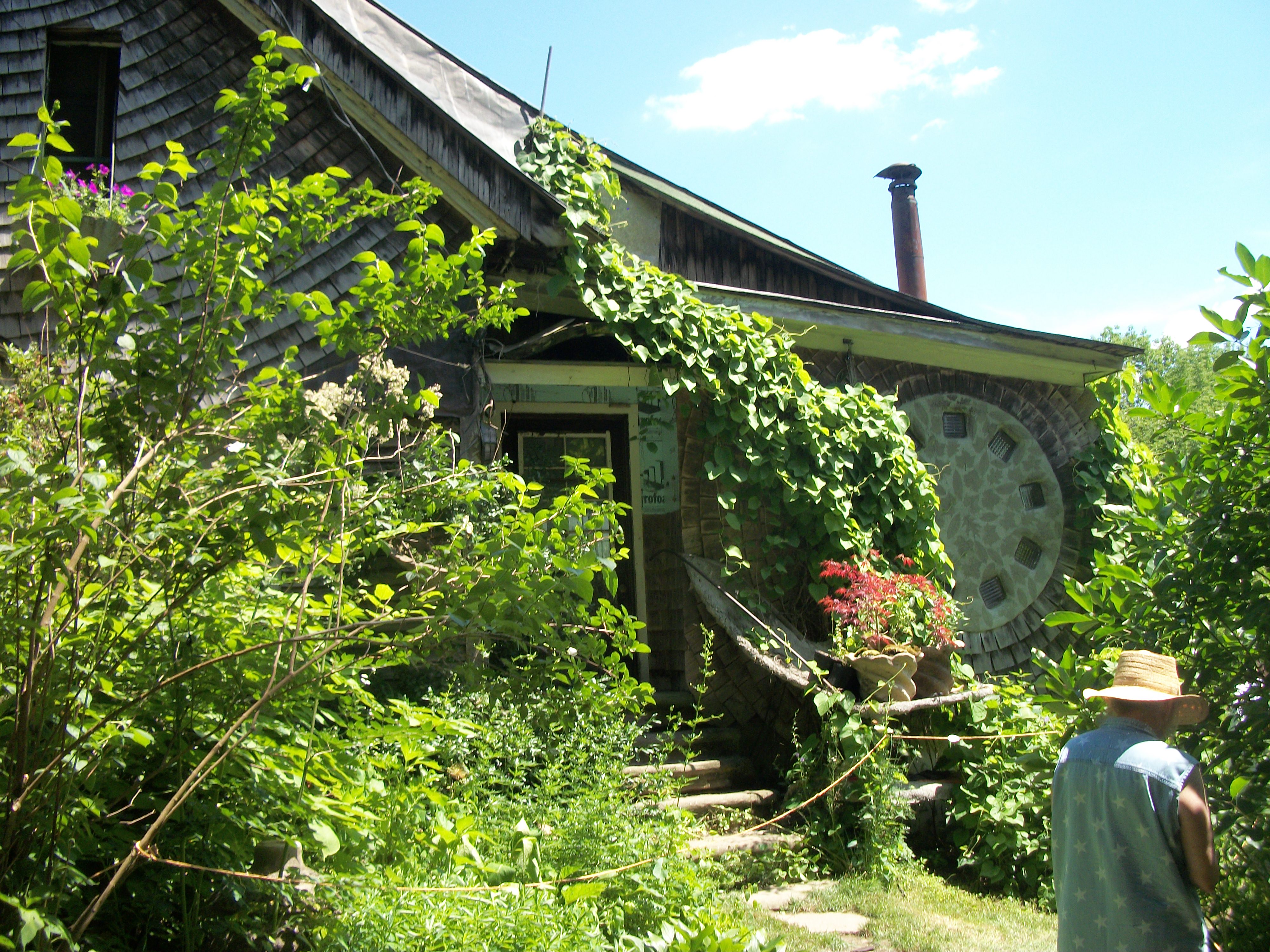
Here’s a picture of what must be the original part of the house–on the right.

Here’s a long at the house and how it spreads out against the hill. The barn is on the other side of the house, and I did not get a picture of it. By this time of the day, Giovanna and I were tired and hot, and I, at least, got lazy with my camera. I think I was a little on overload at this point too.

Pastured poultry is one of the farm’s crops. That process happens in stages where each chicken cohort gets raised together through all the steps until time for harvest. There were chicken tractors out on the pasture holding the different age groups. These would get moved every day so that the chickens have access to fresh grass, bugs, and are out of their own poop. And the tractors protect them from predators.
Here are a group of babies just starting out:
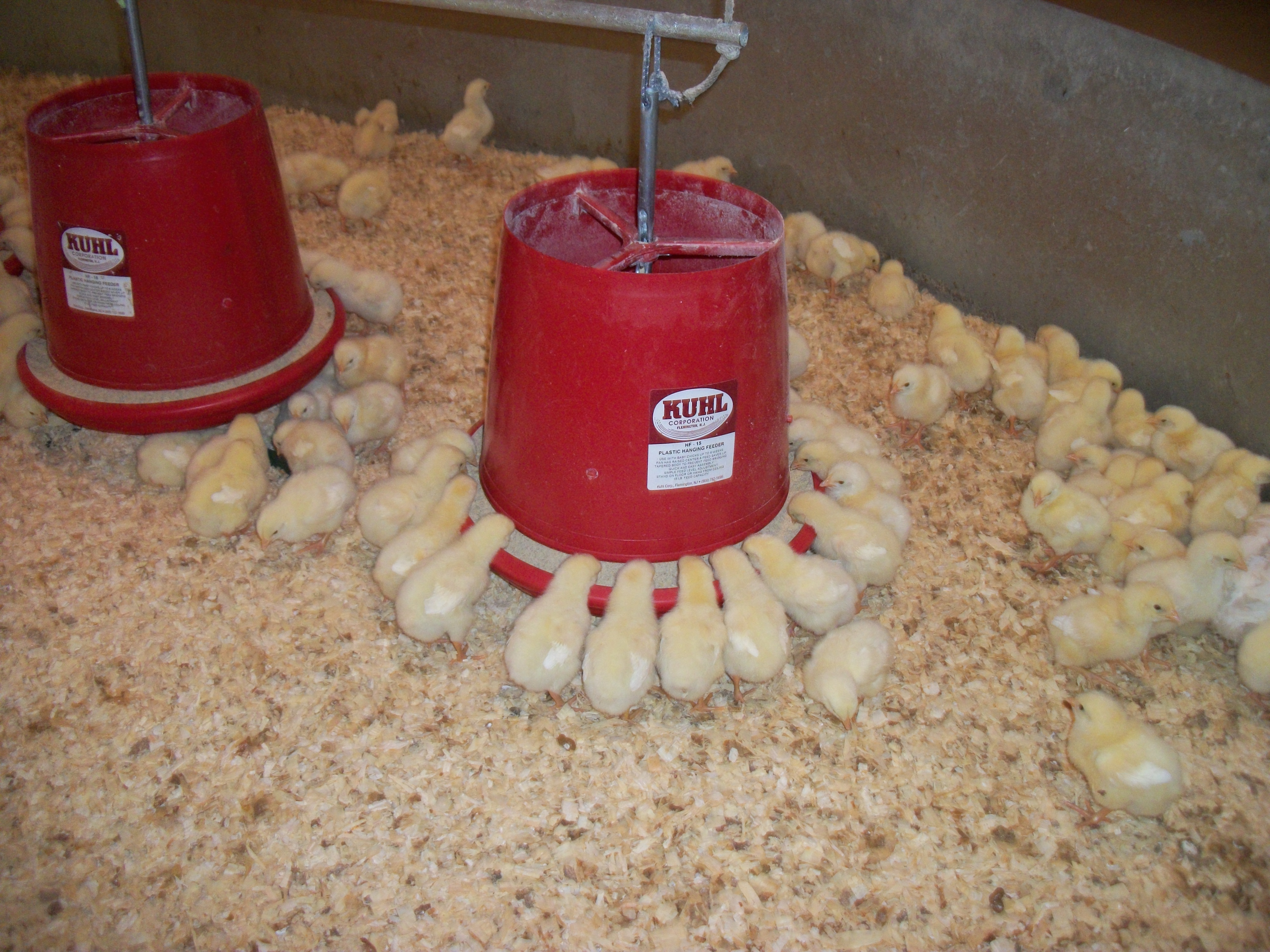
It’s so fun to watch baby chickens at this age. They eat, run around, then flop down in a pile to sleep for a bit.
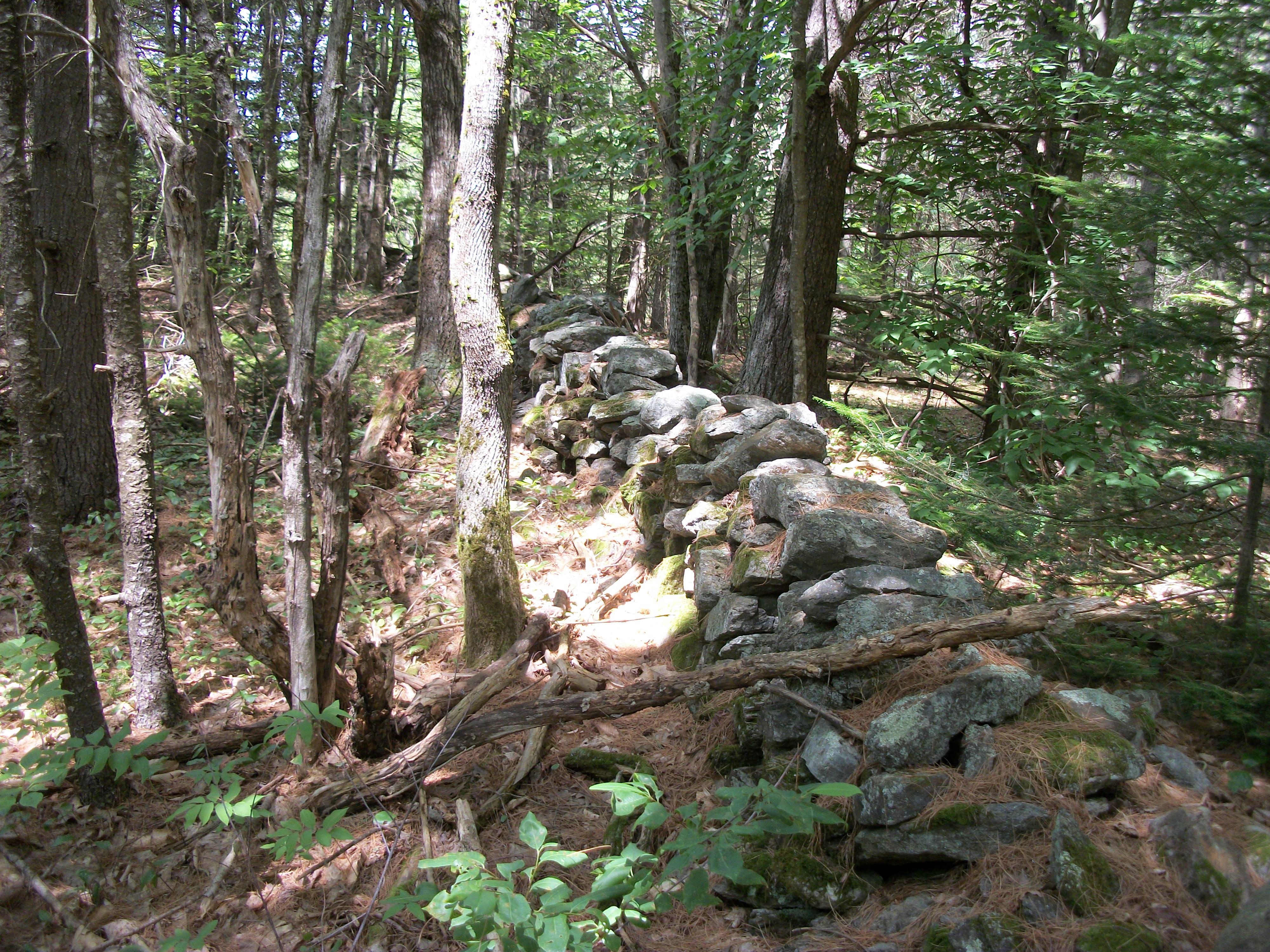
The chicken barn is on the road to the house, so one walks along the road that winds through forest. You can see the old rock wall where the early settlers cleared this land and planted it. Rock walls like this one are frequently seen in Maine woods–reminders of another era.
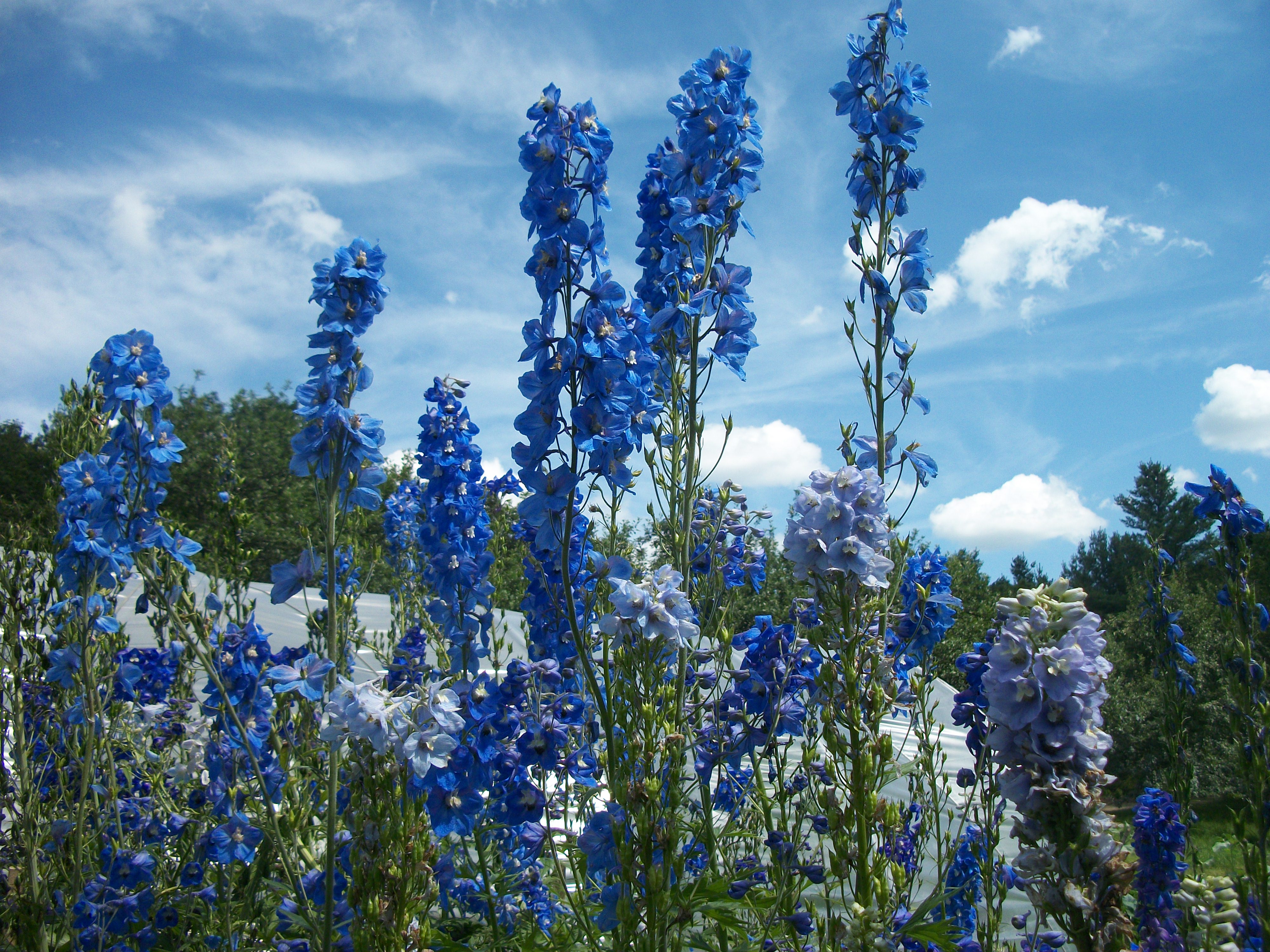
The gardens around the house were quite lovely. Here’s my favorite shot of delphiniums against the sky:
Fields near the house were planted to potatoes–which make a beautiful, richly colored green plant that has blooms.


 Louisa Enright's Blog