Books, Documentaries, Reviews: COME SPRING

Books, Documentaries, Reviews:  July 30, 2012

COME SPRING

by

Ben Ames Williams

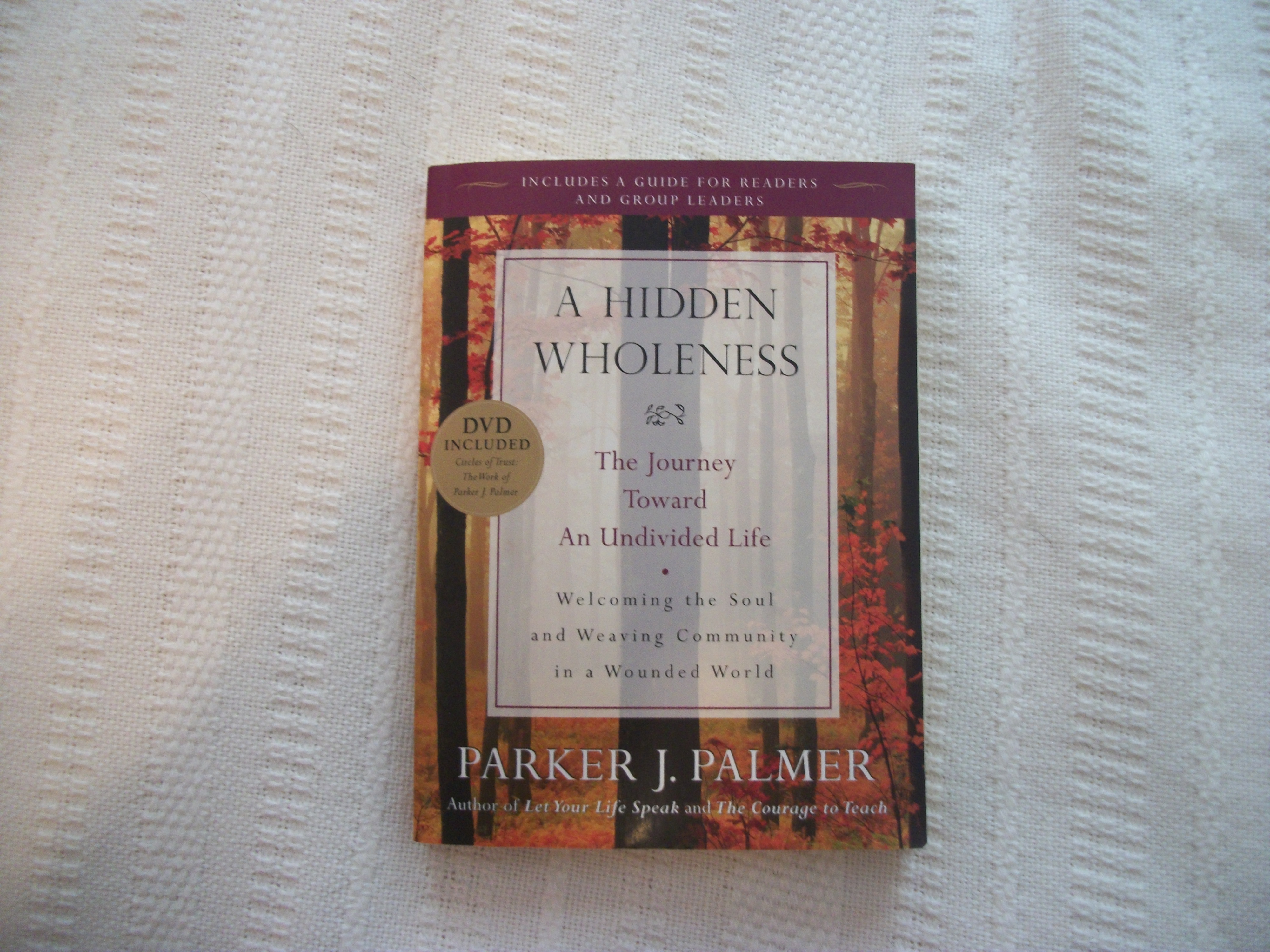
Friend Gail Nicholson realized one day a few months back that I had never read COME SPRING by Ben Ames Williams.  She appeared the very next day with a brand new copy for me.  I finished all 866 pages last week–published by the Union Historical Society–and enjoyed the read.

Ben Ames Williams wrote COME SPRING in 1940.  It’s a specific story of how in 1776 (the same year the Declaration of Independence was signed), the first settlers moved up the St. George River of what is now called mid-coast Maine, and cleared and settled land in an area now called Union, which is just above the coastal town of Thomaston and the next settled village up the river, Warren.

COME SPRING is a general story also of how settlers dug in, cleared land, and made a life all across New England.  Or, not, as not all settlers were successful.  Some didn’t have the temperament to be in what was wilderness for long periods of time; others just had bad luck–spouses who died, barns that burned, crops that failed, game that couldn’t be found in the winter, and so forth.  And COME SPRING is a story of how all of these people related to the ongoing Revolutionary War and, after the war ended, how newly formed civil organizations started making laws and levying taxes, when these early landowners had no hard money or paper money to give.

COME SPRING is also a love story–written by a man and with a woman heroine (Mima).  .  It’s the story of Mima’s love of the man she chose and for whom she waited, of her desire for a family with this man, and of her love and deep connection to the land she intended to work hard to settle and to hold in her family forever.  Mima is much more interested in intimately knowing her own surroundings then she is in outside political realities and forces, which she believes she can do nothing about and which just get everyone all upset when learning of them.

Settlers could use the river to travel back to the coast and civilization–except when the ice wasn’t firm.  Otherwise, they had to walk everywhere they went.  Early settlers were lucky to have a pair of oxen or a few chickens or some sheep which would mean wool for clothing.  Mostly all the clearing work was done without such help.  Several barn raisings are described in the story; it takes a lot of strong men to raise a barn, so such an occasion brought the community together for the day of the raising.

What’s fun, if you live in this area, is the name recognition–many of these original families are still here and place names taken from these first settlers abound.  Union’s quilt chapter is “Come Spring.”  There’s also a Union diner called “Come Spring.”  And, this summer, someone wrote a kind of short play taken from COME SPRING featuring some of the key characters that was read by people dressed in period clothes in the center of Union.  When spring came in this early Maine, green food returned as the snow melted, animal babies were born, crops could be planted, hope of survival could be renewed.

Union is also the home of today’s week-long Union Blueberry Fair in mid-August, which has 4-H contests, animal pulling contests of all kinds, farm demonstrations of all kinds, a midway, and harness racing where you can make $2, or more, bets.  We LOVE this fair and go every year.

When one of the main protagonists, Mima’s father, dies in 1816 at age 86, he is survived by, writes Williams, “six children, fifty-one grandchildren, eighty-five great-grandchildren, and five great-great-grandchildren.”  Only three of his children and fifteen of his grandchildren died before him.  These numbers were needed for survival in the wilderness, for creating a town, for moving on to create a nation that stretched from shore to shore.  These kinds of numbers make me pause to think about some of our current rhetoric of how long we’re all living.  We may be reaching this age, but are we reaching it with the same kind of health that Mima’s dad enjoyed?  He moved to the wilderness of  Maine when he was 45 years old.

Near the end of the book is this memorable passage from Mima’s mother, while holding Mima’s second newborn child.  Mima and Joel hav just realized that Mima’s parents still love each other in the same way that Mima and Joel do:

“I think sometimes getting old is like a candle burning down.  A young one grows up and the first thing he knows he’s in love and marrying; and you can see something new in his eyes, deep and strong.  That’s like a candle when first you light it, standing up so straight and white and slim and fine; and the flame’s real pretty to look at.

“But the candle burns on.  Maybe it melts crooked, but the flame stays just the same shape and brightness.  Maybe if the wind blows, the flame flutters some; but when the wind stops, the flame’s just the same again.  The candle keeps a-burning, and the tallow runs down the sides of it, and it gets all lumpy and out of shape like a woman after she’s had babies for twenty years, or a man that likes his victuals.

“But the flame still burns bright and pretty.  The candle gets shorter and stumpier till there ain’t hardly anything left of it; but the flame’s still there, burning bright, clear and brave and fine, right down to the very end.”

She met their eyes.  “That’s the way it is with the right kind of people,” she said.  “Rheumatism can cripple them and tie them upo in knots, or the outside of them can change other ways so you’d hardly know them to look at them.  But their insides don’t change.  The flame in them keeps burning clear and fine.  If you just look at the flame and not the candle, you’ll see it never does change–until one day the candle burns down, and all of a sudden the flame gets small and then it’s gone.”

Like all historical fiction, the story tells a reader much more about William’s 1940s than it does the 1780s.  Williams does use archival materials to write this novel.  There are several journals that derived from this area, for instance.  But the sentiments he overlays onto Mima et al are very much those of the 1940s–which is why historians view historical fiction with a skeptical eye and argue that this overlay does a kind of violence to the real people who lived those very real lives.  Nevertheless, it was fun for me to read what was of concern to Williams, what he wanted his characters to think and feel, and to compare how those values have shifted so enormously today–and not in good ways, I’d say.

So, thank you so much Gail!

Turkey Tracks: Saturday Road Trip

Turkey Tracks:  July 9, 2012

 Saturday Road Trip

Last Saturday, John and I took a little road trip west of Camden.

Our primary destination was The Village Farm in Freedom, Maine–home of Prentice Grassi and Polly Shyka since about 2001.  See http://www.villagefarmfreedom.com/

For the past two years, we have raised our year’s supply of meat chickens with Pete and Rose Thomas–and slaughtered them all together.  But this year, Arabella, the wood-fired bread oven, is up and running.  Rose is fully occupied with making pizzas and breads of all kinds.  She is baking or getting ready to bake many hours every day, and Pete is buy cutting wood and filling in all over the farm.

So, I took on the job of researching where we could get healthy, non-Cornish chickens, preferably with the feet still in the mix.

That place turned out to be The Village Farm, so John and I headed out to pick up ten meat chickens–with the promise of being able to get more over the winter when the freezer gets depleted.  Best of all, these Red Bros (a cousin to Freedom Rangers) come with their feet in a separate packet.  And, Prentice and Polly raise them on grass in little tractors that are moved three times a day.

Freedom is about an hour west of us–in the vicinity of MOFGA’s Common Ground Fair Ground.  It’s beautiful country and a beautiful ride through rural Maine to get there.   We crossed the St. George River several times–this time of year it’s full of water rushing over stones and filled with pools where trout would live.  Our route is partly on the St. George River scenic by-way.

Along the way, we were amused at all the creativity we were seeing.  Here’s an example:


Gardens were starting to flesh out, and it was really fun to see how many people had vegetable gardens.  There are beautiful fields, glossy-coated animals, interesting houses, glorious barns, beautiful woods.  It’s such a joy!

We had no trouble finding The Village Farm.  Here’s the entrance sign–with some corn (probably sweet corn) planted beyond it:

The main farm buildings and house sit at the end of this longish road, which is bordered by vegetable fields on both sides.  Polly told me they have several commercial customers as well as CSA members.  And she told me that when she and Prentice bought the far in 2001, I think, that it was all commercial corn fields–just corn stubble and dirt.  Now it’s filled with green grass, grazing meat cows, chickens, and vegetables.   That’s a heartwarming story of land recovery, and I am so grateful that there are people in this world like Prentice and Polly who are willing to do this work–and indeed–love this work.  They are the future of America, if we are wise about helping them.

Once down the road we parked, and here’s the first thing we saw.  A lush, fenced enclosure with beautiful little white pet goats:

Here’s Polly bringing us our chickens.  That’s a rabbit hutch to the left.  And you can see three of the chicken tractors way down in the fields to the left–past the fruit trees.

Here’s Polly and Prentice–at the center of this amazing farm they have created:

After we left them, feeling richer because of our chickens and feeling energized by our visit, we traced our steps home–with a small detour.

Mainers who love ice-cream probably know about John’s Ice Cream.  It’s a little store on Route 3, just a few miles beyond Liberty and Lake St. George.  John’s ice cream is all hand-made from whole, rich ingredients.  There isn’t a chemical in it.  And, it tastes like ice cream should taste–a taste long forgotten now by most people who have not had  the real thing with which to compare what they are buying in their local grocery store–or, even, a local ice-cream stand.  Slow down and take a look at the labels, which show the chemical brew that ice cream has become.

Here’s the board of flavors we could chose from Saturday:

I had Rocky Road–chocolate oozing with marshmallow running through it–creamy and dreamy–and replete with big, fat, whole nuts.

John had Chocolate Orange Peel–a dense chocolate with big fat LONG candied orange peels embedded.

The Bay Wrap in Belfast carries a few of John’s Ice Cream flavors–about six I think.  And, you can take home hand-dipped quarts from John’s if you think ahead and bring some ice packs and a cooler.  We brought home peanut something or other.  John loves peanuts.

This ice cream was so rich that we weren’t hungry for lunch.  That’s not a really good thing, but once in a while, it’s a real treat.

I can see a future swim at Lake St. George, an ice cream at John’s, and a slow ride home enjoying the beautiful Maine countryside and the river rushing over stones, big and small and topped up with sunshine and shadows.

Turkey Tracks: The Wood Pile

Turkey Tracks:  April 24, 2012

The Wood Pile

Stopped by Pete and Rose Thomas’s last week.

Look what’s lining their driveway.

Pete is hoping this woodpile will take them through next winter.  Their wood use is heavier these days–due to the wood-burning oven where Rose is making the most delicious pizzas and all kinds of baked breads.  She also uses the oven to cook all kinds of foods:  meats, roasted tomatoes, and so forth.

Pete’s making progress on cutting the timber into firewood lengths, but it’s a HUGE job!

Go Rose!  Go Pete!

Turkey Tracks: Rose’s New Purse

Turkey Tracks:  April 8, 2012

Rose’s New Purse

Rose told me months ago that she’d love to make a purse like mine.

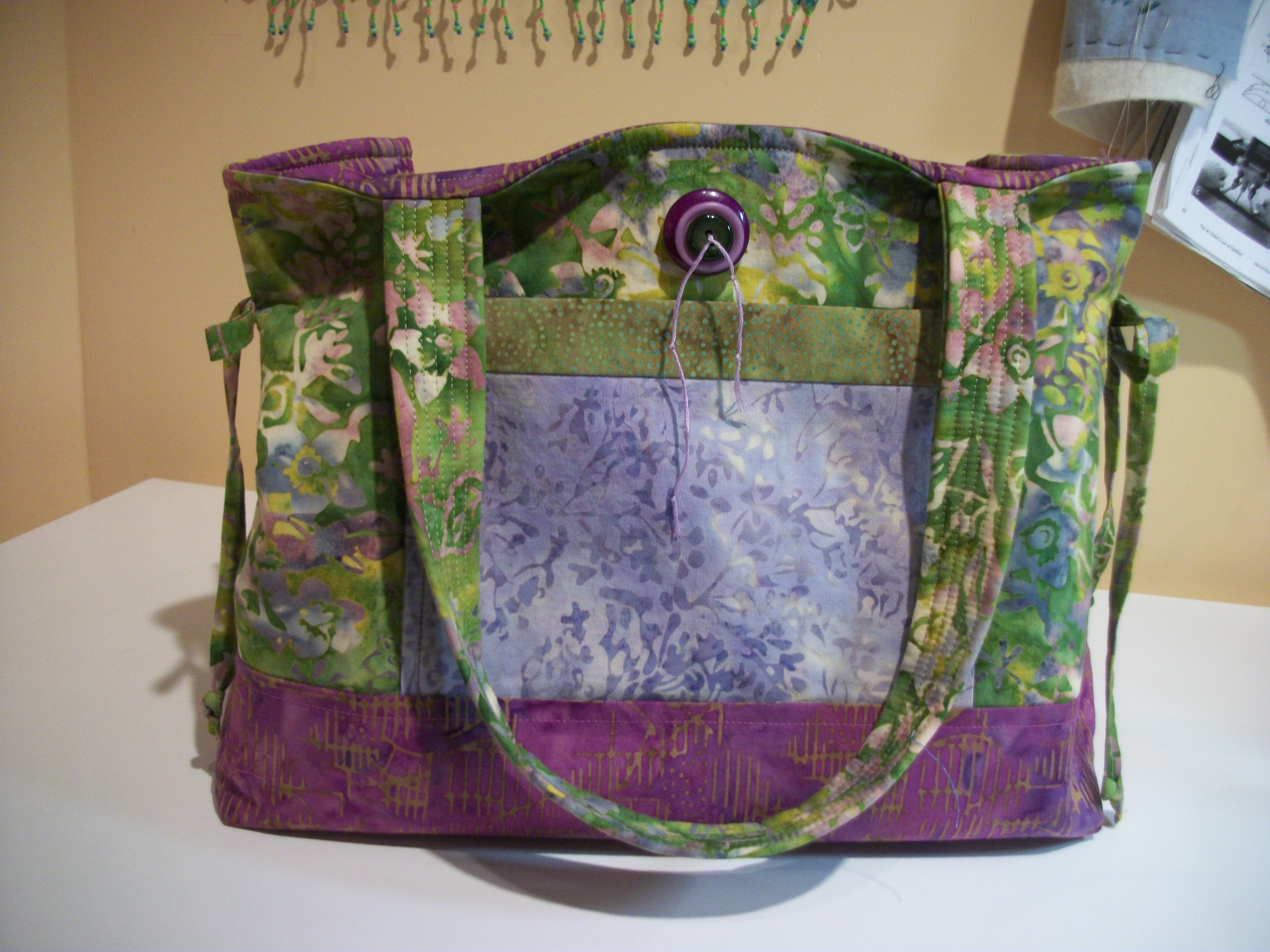
My purse is made from the Bow Tucks pattern that is so popular with quilters.  I love it, and when I wear one out; I make a new one immediately.

Rose is a VERY busy woman.  She bakes bread and pizzas for TWO farmers’ markets–in her wood-fired oven.  She bakes pizzas to order for pick-up on Tuesday and Friday nights–and boy are they delicious!  She also bakes cakes to order and cakes and cookies for the farmers’ markets.  She has a big flock of chickens who give her eggs to sell.  She raises all kinds of greens and veggies to sell at the markets and in her seasonal farm shop, The Vegetable Shed.  She also makes and sells all kinds of yummy things–like the wood-fired roasted plum tomatoes she gave me last summer.  Or, pickles.  Rose is always already inventive with preserving food.

Rose really only has Monday free.  So, one Monday recently we went down to Alewives Quilt Shop in Damariscotta Mills, because Rose had never been to see the Alewives fish ladders or that lovely little settlement.  Alewives Quilt Shop is also lovely and one of my favorite places to shop for quilting supplies.  And, on the next Monday, we made her purse together.  I cut and ironed, and soon it was done!

Here it is.  These magentas, purples, and spring greens are favorites of Rose’s.  She uses them on her business card as well.

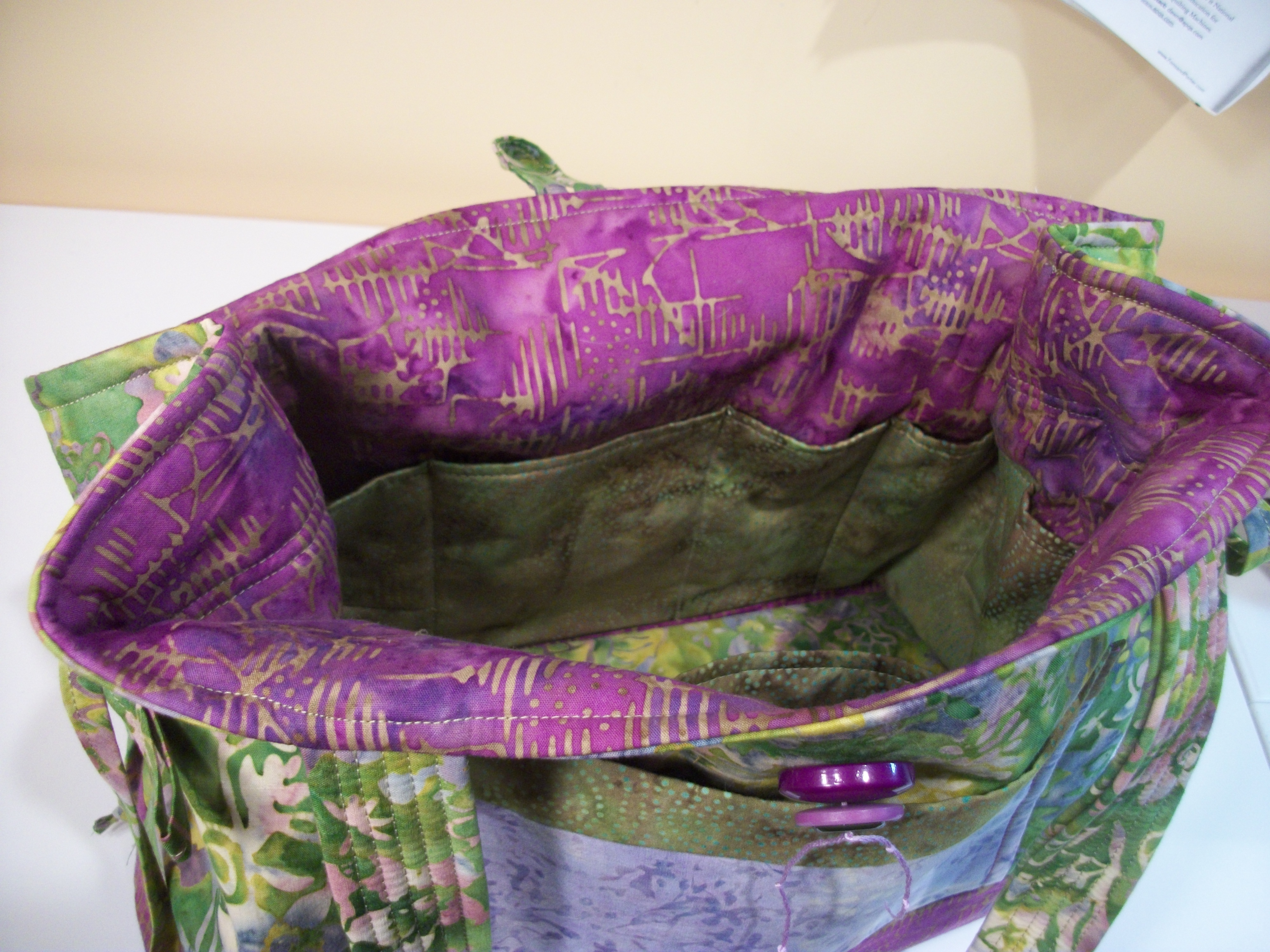
Here’s what the inside looks like:

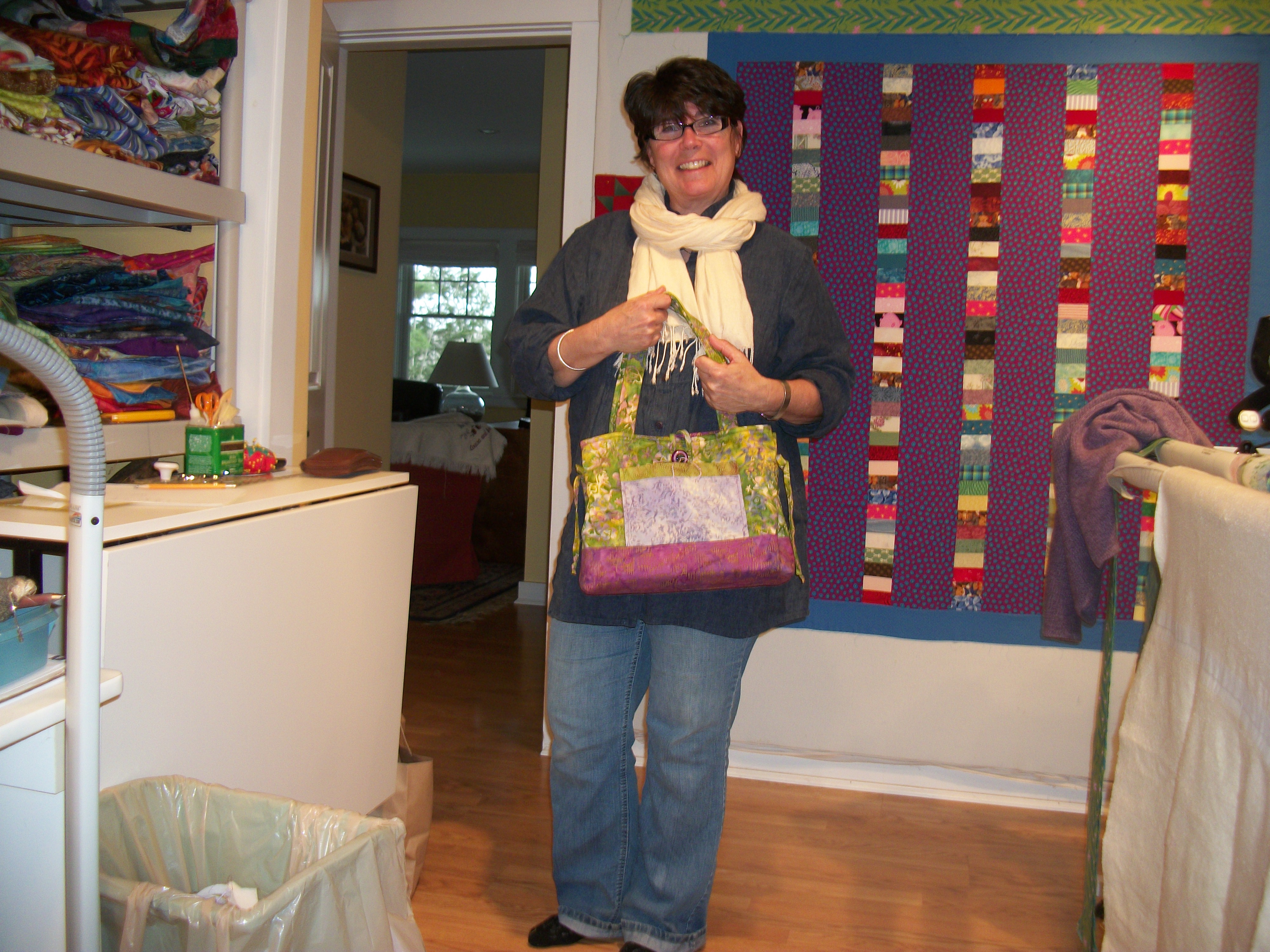
  And, here’s Rose with her purse:

Here’s a web site for this purse pattern.

http://pursepatterns.com/index.php?main_page=product_info&products_id=153

There are, also now, web sites that claim they have the pattern for free.  My own feeling is that whoever designed this wonderful purse needs to get full value for that work.

NOTE:  The pattern we got for Rose had been updated.  In the new pattern, the front pocket is sewn on independently of the seams in the purse’s body.  I far prefer to anchor the bottom of the front pocket in the seam of the front’s upper and lower purse bodies–which is what my, older, pattern did.  You just center the pocket and insert its bottom into that seam and sew them together.  Then, you sew down the purse’s sides, anchoring the top of each side with some extra stitches.

Turkey Tracks: “Quilt of Many Colors”

Turkey Tracks:  April 8, 2012

Quilt of Many Colors

I’m now thinking of this whole winter’s work as “The Scrappy Quilting Project.”

The “Quilt of Many Colors” helped use up more of the 2 X 31/2 rectangles I have been cutting up for over 10 years.  Remember, I pulled out most of the blue ones to make the “Blue Fox Trot” quilt.  So, here’s what the pile looked like when I started this quilt.

Clearly they needed to be color sorted first of all:

I had in mind using a pattern from Judy Hooworth and Margaret Rolfe’s book, SUCCESSFUL SCRAP QUILTS FROM SIMPLE RECTANGLES, which has guided me with cutting the 2 x 3 1/2 rectangles in the first place and, then, using them.

But, I didn’t like the way those blocks developed.  Hooworth and Rolfe were working with plaids, and their version of this pattern is lovely.  My colors were just dying in these blocks.  See?

So, I struck out on my own.

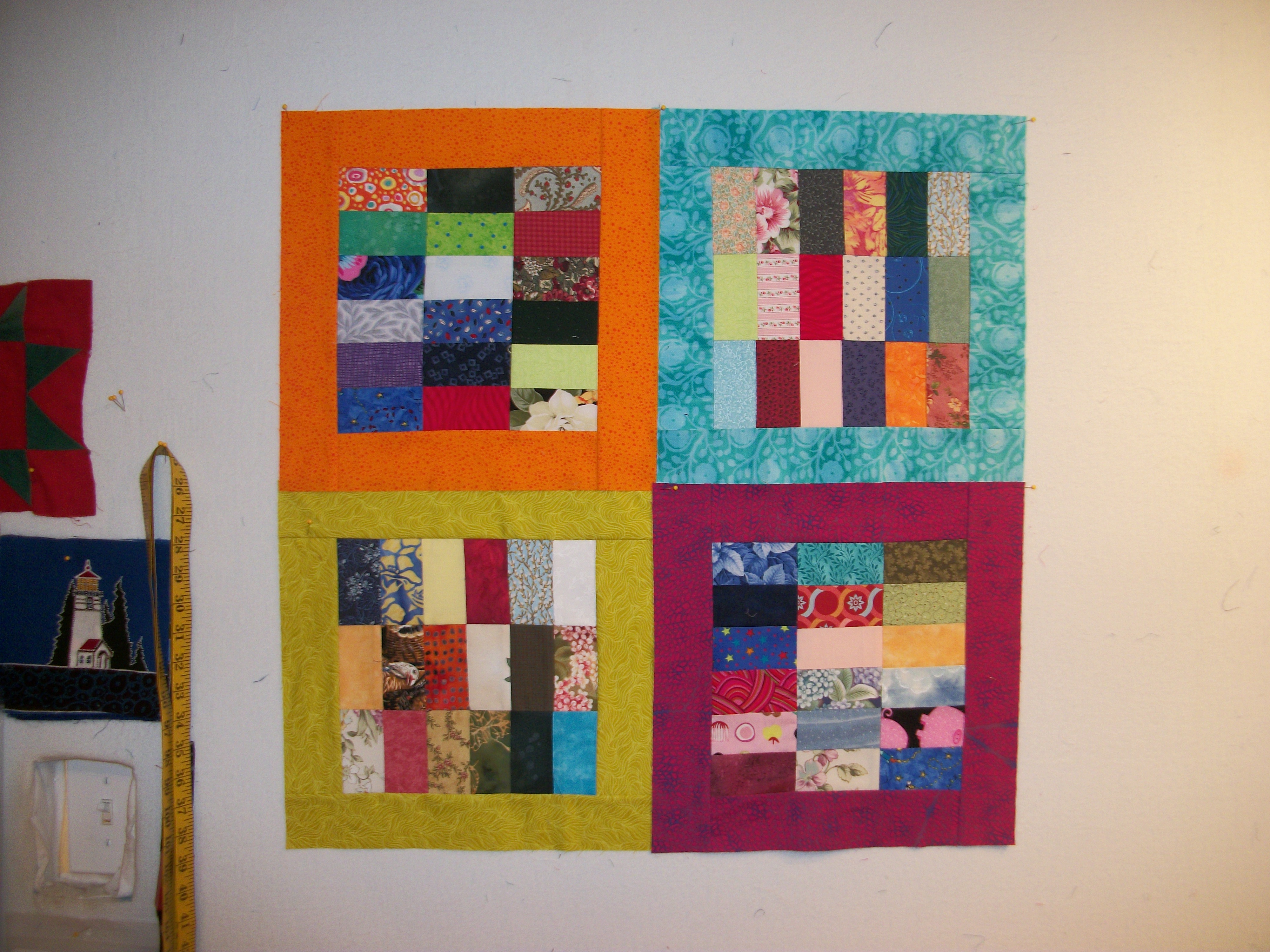
I went down to Marge Hallowell’s Mainely Sewing in Nobleboro.  Marge has been a great consultant in The Scrappy Quilting Project.  She helped me pick out four bright colors:  orange, turquoise, acid green, and magenta with a darker purple running through it.  I loved what started happening.   Note that I’m already alternating how the rectangles orient.

But, I began to see that just having these four bright colors was going to present problems with how to arrange them.  Here there’s already a pattern forming on the diagonal of warm and cool blocks in the diagonol lines.  So, I started pulling brights out of my stash, and here’s what happened on the design wall.

I found a great backing in Marge’s 40% off attic.  And, chose a binding that’s hot pink with yellow stars.

Here’s the quilt all finished.  Something about it reminds me of a brand new box of crayons–something to this day I have trouble resisting.

Here’s a block, so you can see how I quilted it–using a freehand daisy chain in lime green thread–which plays nicely against the flowers in the backing fabric.

Here’s the backing and binding.  The yellow stars on the hot pink binding are adding a really lively and fun sparkle to this quilt.

So, there you go.  A beautiful, fun, charming quilt out of the chaos of all those rectangles.

I’m really happy with this one!

Turkey Tracks: Canvas Etc.

Turkey Tracks:  March 21, 2012

Canvas Etc.

Russell and Joanne Spear recently returned to Maine.  They used to work for Moss tents up in Belfast.  They came back just in time to fill a need for folks like me who needed to have furniture refurbished.  Our local upholsterer retired some years back.

The Spears don’t upholster, but they do fabulous slipcovers.   And, Russell and Joanne are really, really nice.  Joanne is a hugger, like me.

I saw their work when they put a slipcovered chair into Quilt Divas in Rockland.  I could see right away what quality work they do.  I hadn’t even been thinking slipcovering until I saw their chair.  Thanks Debbie and Doris for supporting them.

The Spears work out of a small building on Route 90, just south of the intersection with 17.  Call first, 207-596-3285.  They have a good selection of fabric books, and we’re really happy with our choices.

They slipcovered a chair, a hassock, and a big sleep sofa for us–from our tv/craft room/den/spare bedroom room.  These pieces get a lot of wear over the course of a year.  The Spears’ price was fair, and they did all this work pretty fast, too.  Plus, they took the chair first, so we’d have a place to sit and watch tv, returned it, and then took the sofa and hassock.  And now we’re so enjoying having what feels like new pieces of furniture.

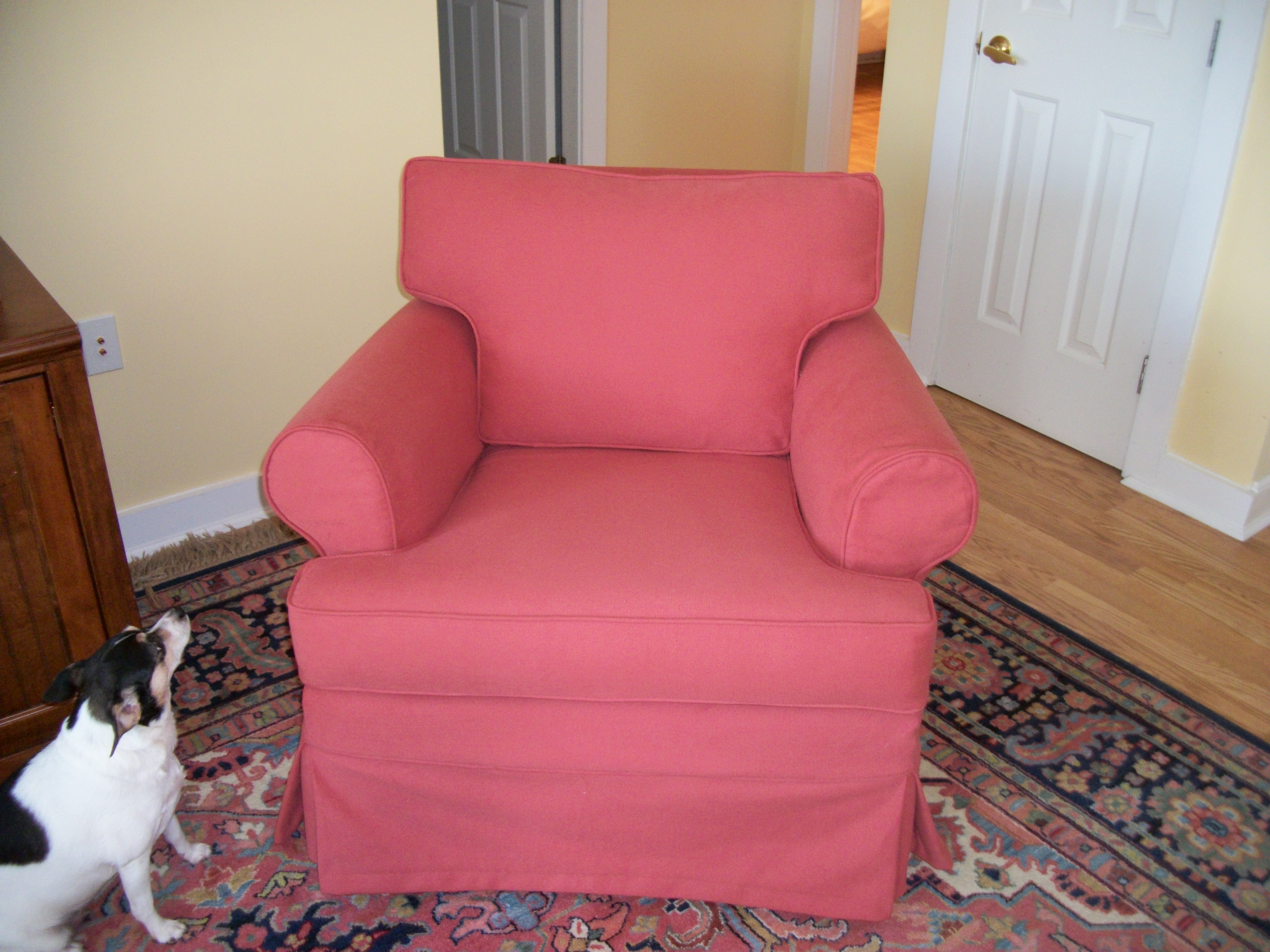
Look at this pretty chair!

This chair is Reynold’s favorite.  She lies across the back, so she’s up high, feels safe, and doesn’t miss anything.  Of course I’ve thrown a protective blanket over it.  BUT, if someone comes, we can disrobe this pretty chair in a flash.

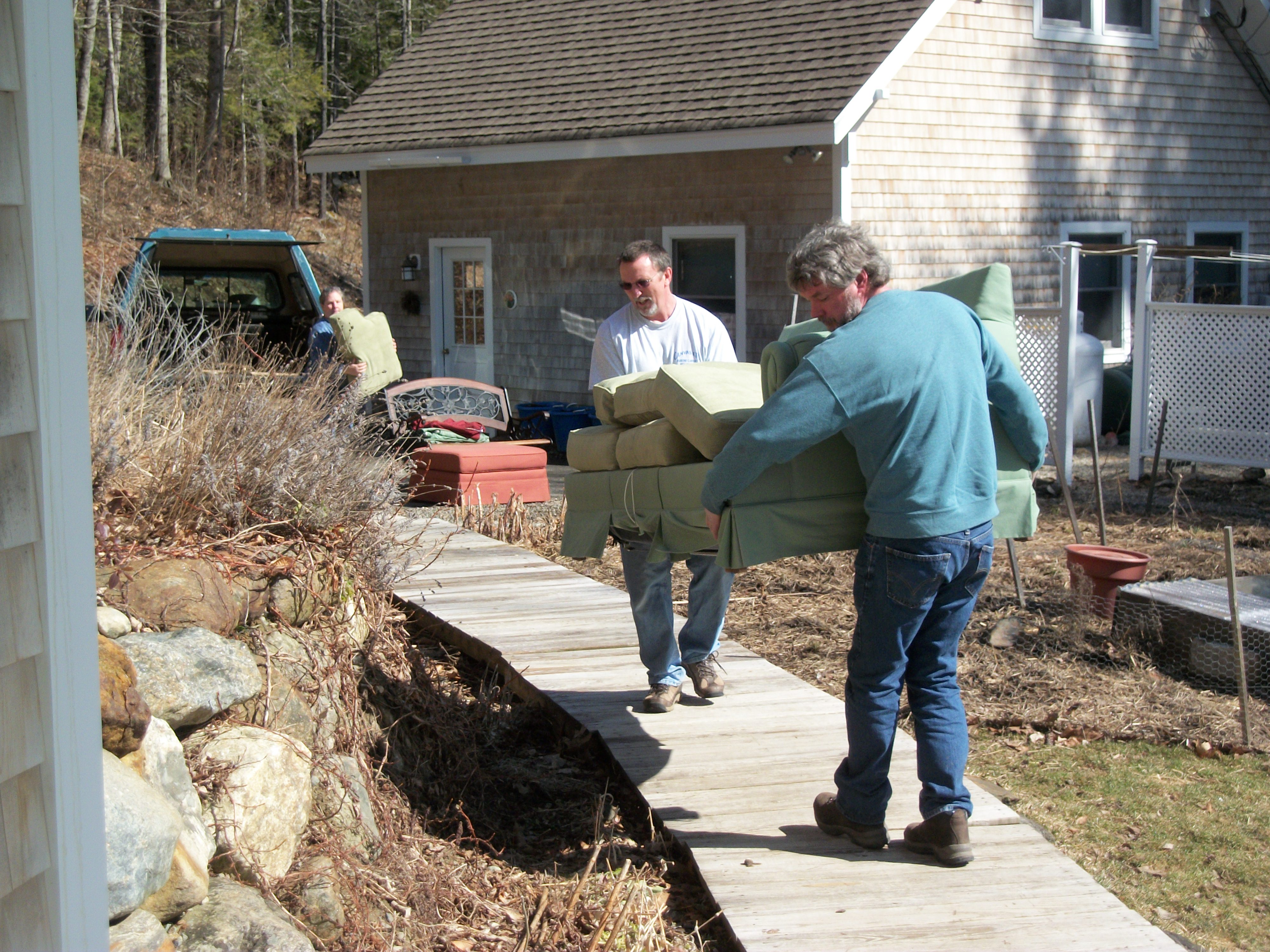
Here comes the old sleep sofa back home, with its newly covered pillows piled in its belly.  That’s Russell in the back.

Russell and Joanne put the slipcover on the couch.  You can see that Penny has brought them a toy.

And here’s a pic (blurry as it is) of the Spears, the sofa, and the hassock:

Pretty nice, huh?

Interesting Information: CSA Time

Interesting Information:  March 8, 2012

CSA Time

 Two of my nieces are well into finding and eating local foods.

Here’s a recent message from niece Lauren Howser Black about buying into a local CSA, or Community Shared Agriculture:

We are pretty sure we’re going to join our friend’s CSA this summer. They are Mennonite and farm a pretty big piece of land. We met them through our local farmer’s market where they sell wonderful, organic produce. It runs from June-October and we can get a box each week. I really like the idea of trying to eat what’s currently in season, as I have never done that before. They grow everything from greens, varieties of herbs, peas, beans, squash, tomatoes, melons, raspberries, root vegetables, etc. I also love the idea of supporting local farmer’s. When I pick up our basket this summer from them at the farmer’s market, I can also purchase local eggs, cheese, and meats. Our goal is to find ways to cook and enjoy whatever we get in our weekly basket, even if we’ve never had it before. We’re excited to try this out. 

Lauren’s sister Nancy Howser Gardner is also doing some sort of CSA.  She put a picture of a gorgeous basket of food on Facebook the other day.

Our CSA is Hope’s Edge, which starts up here in Maine in mid-June.  We’ve belonged for about 7 years now, and I can’t imagine summer without going out to the farm each week and collecting our beautiful, healthy, organic, fresh food.  Hope’s Edge has never failed us, no matter the weather conditions.  Farmer Tom is a member of our greater family!

A Community Shared Agriculture program asks you to give them a set amount of money yearly.  We give Farmer Tom a little of our half-share costs in the fall, so he can buy seeds, supplies, and so forth.  We give him the rest in the early spring.  And we get a bounteous amount of food in return.  The only risk is if the weather or some other growing condition affects some of the crops, you don’t get that piece of the harvest for that year.  It’s always worked out for us.

This year we’re also doing a local cheese CSA, which will be picked up at Hope’s Edge on our pick-up day–Appleton Creamery.

And, we’re continuing with Cheryl Wixson’s CSA, which contains ready-to-use organic products that are so fun to have in the kitchen.  You can see blog entries on Wixson’s kitchen elsewhere here.

My wish for you today is that you find and support a local CSA or a local farmer’s market this year. 

Interesting Information: Maine’s Olympia Snowe Retires and Rush Limbaugh Verbally Strikes A Young Woman

Interesting Information:  March 4, 2012

Maine’s Olympia Snowe Retires

and

Rush Limbaugh Verbally Strikes A Young Woman

Olympia Snowe is a grand person, smart and caring of her constituents.

Her voice of reason will be missed.  In Maine.  In America.

She is leaving the Senate because she feels she can no longer be effective in the polarized world of American politics.

***

Rush Limbaugh went on a rant that attacked a young woman with an opinion different from his.  He called her a slut, a whore, and a prostitute.  On air.  To a national audience.  He asked that she make tapes when she had sex and show them to the world.

***

 How did we get to such a place in America where one party’s desire to unseat a President trumps all the other business of the country?  Where a man who has been married four times, who illegally took drugs, and who sells hatred daily can call a beautiful, educated young woman such vile names in public?

Parker J. Palmer surfaces one answer in A HIDDEN WHOLENESS:

Palmer, a Quaker, suffered from life-threatening depression.  Eventually, he figured out our modern culture cleaves us into two pieces–so that the essence of our self is separated from how we live our lives.  Here’s his discussion of his problem–which is one answer to what is happening in America today (37-39):

We can reclaim our lives only by choosing to live divided no more.  It is a choice so daunting–or so it seems in the midst of depression–that we are unlikely to make it until our pain becomes unbearable, the pain that comes from denying or defying true self.

 Secularism denies true self by regarding us as raw material.  Moralism–the pious partner in this odd couple–achieves the same end by translating “self” into “selfishness” and insisting that we banish the word from our vocabulary.  The whole problem with our society, the moralists claim, is that too many people are out for themselves at the expense of everyone else.  This New Age emphasis on self-fulfillment, this constant “cult of me,” is the root cause of the fragmentation of community that we see all around us.  Or so the moralists argue.

Deep caring about each other’s fate does seem to be on the decline, but I do not believe that New Age narcissism is much to blame.  The external causes of our moral indifference are a fragmented mass society that leaves us isolated and afraid, an economic system that puts the rights of capital before the rights of people, and a political process that makes citizens into ciphers.

These are the forces that allow, even encourage, unbridled competition, social irresponsibility, and the survival of the financially fittest.  The executives who brought down major corporations by taking indecent sums off the top while wage earners of modest means lost their retirement accounts were clearly more influenced by capitalist amorality than by some New Age guru.

But before I go too far in assigning blame, let me name the real problem with the moralists’ complaint:  there is scant evidence for their claim that the ‘cult of me” reigns supreme in our land.  I have traveled this country extensively and have met many people.  Rarely have I met people with the overweening sense of self the moralists say we have, people who put themselves first as if they possessed the divine right of kings.

Instead, I have met too many people who suffer from an empty self.  They have a bottomless pit where their identity should be–an inner void they try to fill with competitive success, consumerism, sexism, racism, or anything that might give them the illusion of being better than others.  we embrace attitudes and practices such as these not  because  we regard ourselves as superior but because we have no sense of self at all.  Putting others down becomes a path to identity, a path we would not need to walk if we knew who we were.

The moralists seem to believe that we are in a vicious circle where rising individualism and the self-centeredness inherent in it cause the decline of community–and the decline of community, in turn, gives rise to more individualism and self-centeredness.  The reality is quite different, I think:  as community is torn apart by various political and economic forces, more and more people suffer from the empty self syndrome.

A strong community helps people develop a sense of true self, for only in community can the self exercise and fulfill its nature:  giving and taking, listening and speaking, being and doing.  But when the community unravels and we lose touch with one another, the self atrophies and we lose touch with ourselves as well.  Lacking opportunities to be ourselves in a web of relationships, our sense of self disappears, leading to behaviors that further fragment our relationships and spread the epidemic of inner emptiness.

As I view our society through the lens of my journey with depression–an extreme form of the empty self syndrome, an experience of self-annihilation just short of death–I am convinced that the moralists have got it wrong:  it is never “selfish” to name, claim, and nurture true self.

There are selfish acts, to be sure.  But those acts arise from an empty self, as we try to fill our emptiness in ways that harm others–or in ways that harm us and bring grief to those who care about us.  When we are rooted in true self, we can act in ways that are life-giving for us and all whose lives we touch.  Whatever we do to care for true self is, in the long run, a gift to the world.

Olympia Snowe knows herself.  She stands on and acts out of her values.  It really scares me that she feels that things in Washington are so far gone that she can be of no more use.

Rush Limbaugh is a moral abyss.  He creates and sells the hatred of a host of “others.”  He laughs all the way to the bank.  Every day.

There can be no community within Limbaugh’s kind of worldview, for there can be no place for difference.  Is this the kind of America we all want to live within?

Not me.  Not ever.

Turkey Tracks: Beet Salad

Turkey Tracks:  March 4, 2012

Beet Salad

This picture of a beet salad has been waiting to be discussed since the Christmas holidays when Mike, Tami, and the kiddos were here.

It was too good to just move on and ignore it, so here it is.

It all started when we ha some roasted beets…

Just wash some beets, put them into a covered pan, put the pan into the oven at 350 degrees for about an hour.  Less for small beets; more for larger ones.  A knife will slide right in when they are done.  I also put about a 1/2 cup of water into the pan just to prevent the oozing beet juices from burning.  Let the beets cool.  The skins will slip off easily if you rub the beets with a paper towel.  If the beets are still too warm to handle, stick a fork in each beet, hold it up, and rub the paper towel of the surface while protecting your fingers from the heat.

Lay out a bed of spinach and put the chopped beets (bite sized) over.  We had some of our dried cherry tomatoes, so those went on.  Diced, fresh are also nice.  We had some leftover cooked string beans, so they went on.  Sliced onion.  Red onion would be even nicer, but I’d never make a special trip to the store for one ingredient as I tend to cook with what I have on hand.  Blue cheese crumbled over all.  And the dressing is a very mustardy, sharp, garlicky vinaigrette–lovely with the sweet beets and onion.  Salt and cracked black pepper.

There wasn’t a piece left at the end of the meal.

The picture does not really do this salad justice.  It’s fabulous for a dinner party.

PS:  The tablecloth is a hand-crocheted piece with butterflies in the pattern that I bought at our Coastal Quilters fall auction for, I think, $30!!!!  It has lived on the table since and washes and dries easily.   Thank you, thank you to whomever put this piece into the auction.  It is loved and cherished now.

Turkey Tracks: Knitting Class, Carrying Yarn Color

Turkey Tracks:   February 24, 2012

Knitting Class, Carrying Yarn Color

Once we got our yarn from Kelly Corbett’s Romney Ridge Farm, the next step in Giovanna’s and my “carrying color” project was to take Aloisia Pollack’s class and to buy her pattern.  So, she invited us to come to her home in Jefferson, Maine, which is located at the western top of Damariscotta Lake.  Off we went one fine morning a few weeks ago now.

Here’s the view from Aloisia’s front windows–her rental cabins (Sunset Cabins) lie in a string alongside the lake:

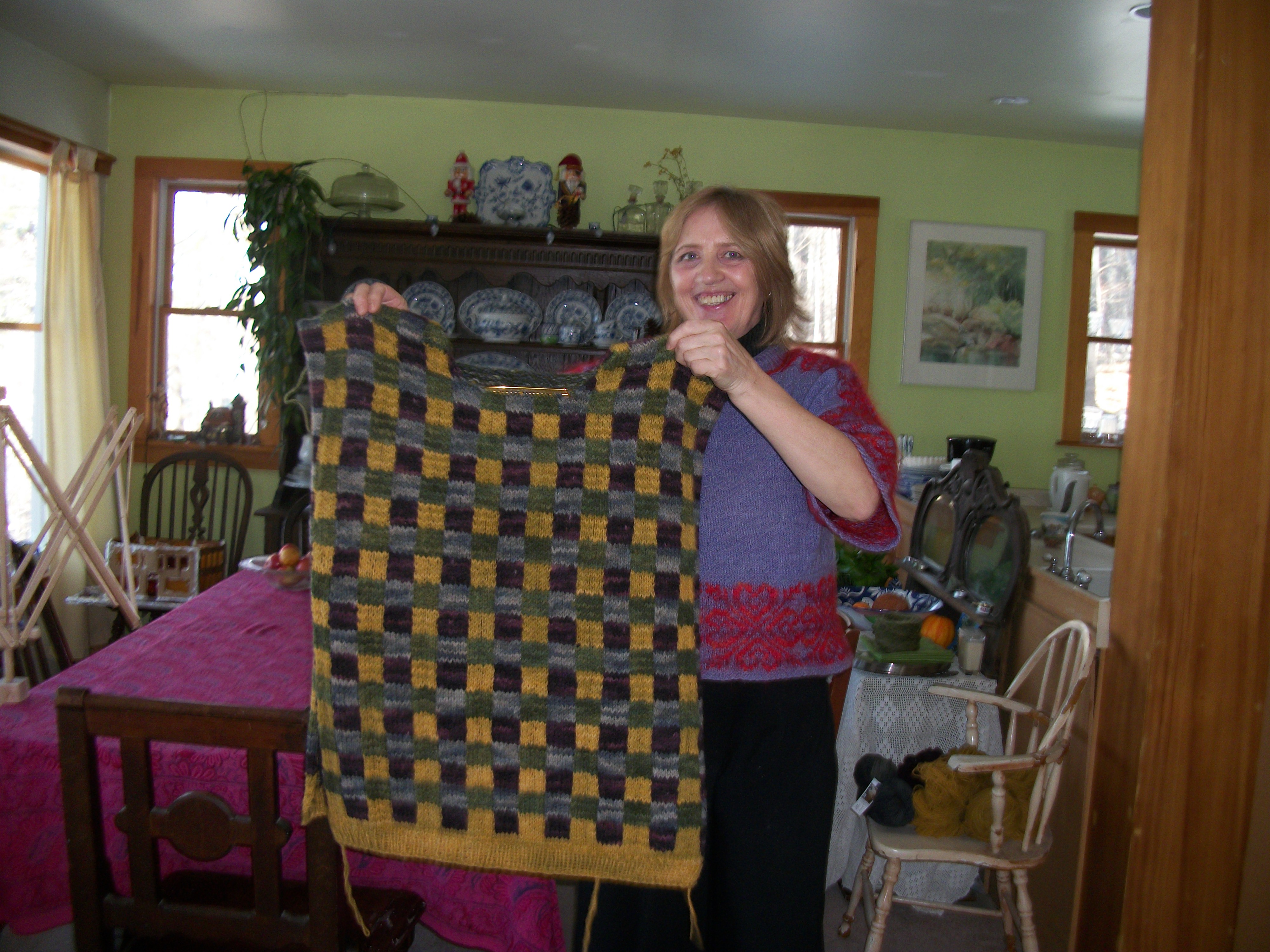
Here’s Aloisia with a sweater project that uses the “carrying color” technique.

To remind, here’s the sweater we’re trying to make, but using our own color choices:

As of Saturday, the 18th, here’s what Giovanna’s sweater looks like:

And, here’s mine.  I made the bottom bands one color and wider.  Since this band gets repeated at the top of the sleeves, I’m not sure I like the wider stripes…  Giovanna tells me that this kind of band is traditional in FairIsle sweaters.

And, Giovanna’s tension is looking better than mine.   Giovanna found a widget that fits over your forefinger that helps control the two yarns–in that it keeps them from tangling and twisting so much.  We got one for me in Belfast at Heavenly Socks, and it does help a lot.  You can see it dangling from my threads; it’s orange.

We both did wider ribbing than Aloisia’s pattern…  Perhaps my band will work with the longer ribbing…  And, I’m making a cardigan, not a pullover.

Giovanna and I are both still feeling like we have clumsy, slow fingers.  But, my knit row is now faster than my purl rows…   And, as we’re doing the sweater “in the round,” that slows down the process as well.

On the way home from Belfast, on Route 52 by Megunticook Lake, we saw an eagle in the middle of the road eating some road kill.  Giovanna stopped the car, and I got this picture after the eagle flew up into the trees.  Follow the two white birch’s up, and you’ll see him/her.