Turkey Tracks: Morning in the Yard

Turkey Tracks:  June 16, 2013

Morning in the Yard

I spent the morning and part of the early afternoon, truth to tell, in the yard.

I climbed on a ladder 14 times to clear out the rejected bird nest sites I wrote about yesterday.  I could only get at one nest site at a time.  Then I had to get the blower and blow off all the debris, which was considerable.  And that led to blowing off the back deck too.  So, back to watering the front plant containers, and that led to getting out the clorox to get the green slime off the white posts, and that could have led to doing the whole of the porch, but I decided to put that off for another day.

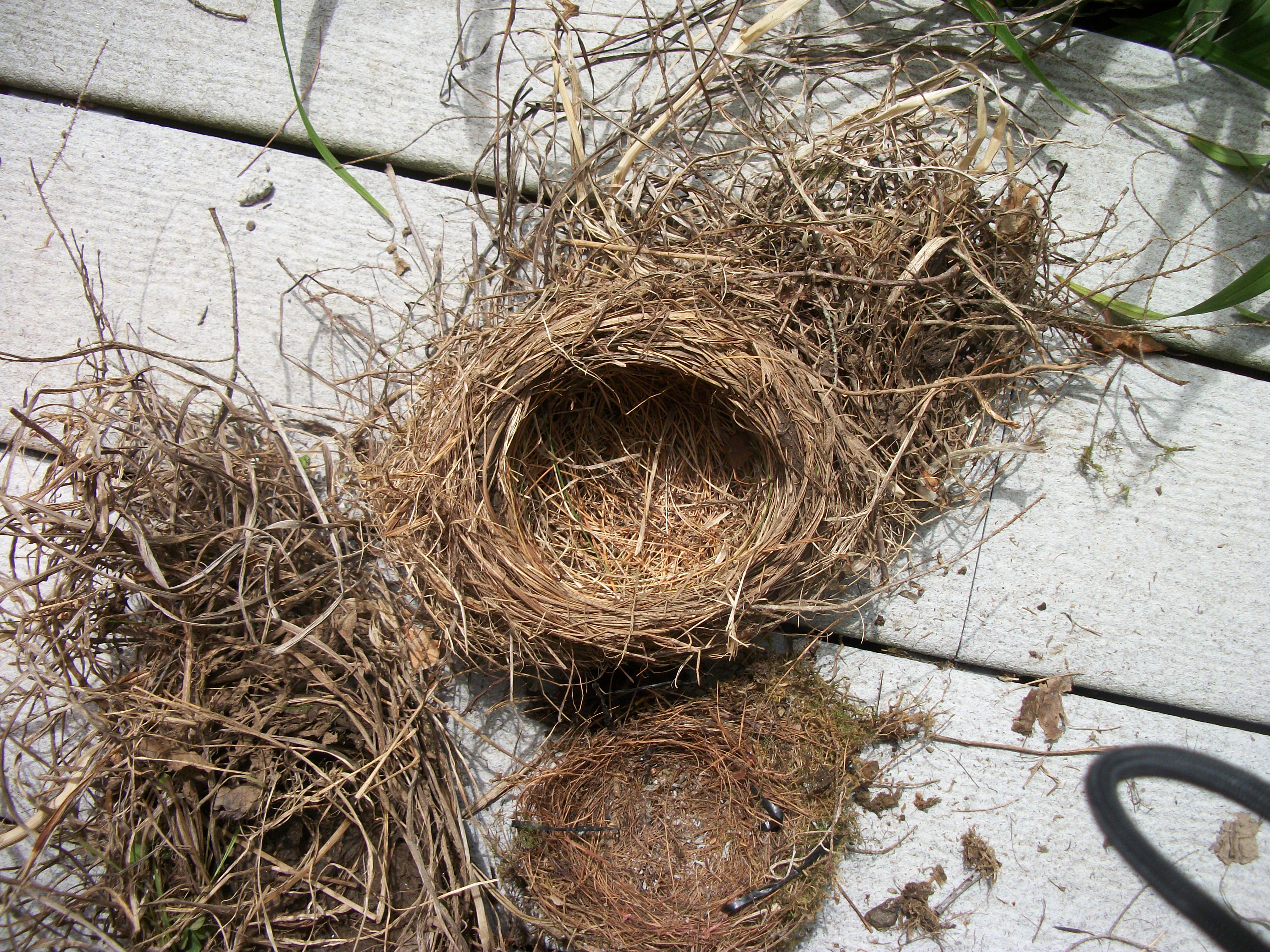
Here’s the most well-formed nest of the lot:

Bird Nest, June 2013

It was beautiful.  I am always in awe that a bird can build such an intricate object.  Such patience.  Such work.

I suspect the porch wasn’t as dry as Mama Bird might have wanted.  It had to be as dry as a tree branch and leaves for a roof though.  But, who knows.

We have rain coming in, so I decided to cut some of the lilacs, iris, and peonies.  The rain will just shatter them.  So, here’s the first yard bouquet of the summer:

First Flowers, June 2013

The whole upstairs smells of sweet lilac now.  It’s really quite heady.

I stopped to take a picture of the window over the kitchen sink as it has caught my fancy.  Maryann brought me the fern for my birthday, and I found this pretty pot for it.  It’s so lacy and graceful, isn’t it?  Friend Cassie Snyder gave me the little glass vase.  I keep it filled with small things that delight my spirit–winter, spring, summer, and fall.  The rock is part of the old Bryan mill near Reynolds, Georgia, which predates my mother.  It’s a treasure I’ve kept with me for more than thirty years now.  My uncle Buddy gave it to me one day long, long ago.

Kitchen Window, June 2013

I hope you all had as nice a Sunday as I did.

Books: Barbara Kingsolver’s FLIGHT BEHAVIOR

Books:  June 16, 2013

Barbara Kingsolver’s FLIGHT BEHAVIOR

For a while I could not decide if I liked this new Kingsolver novel or not.


Kingsolver's Flight Behavior

Then whammo!   All the threads come together in ways that made me walk away with renewed respect for this author who is writing at the top of her game about a subject for which she cares passionately.

I care passionately about his subject, too, and I was afraid early on that Kingsolver was being too didactic, too pat–in ways that would turn off too many readers who really need to understand the basic science of how wrong things have gotten on this planet.

Kingsolver locates her main character in a small southern town where inhabitants just try to get on with living, just try to keep earning money, just try to face and survive really difficult economic issues.  Dellarobia is a high school graduate who had wanted to go on to college; who got pregnant; who married the earnest, sweet father; who struggles daily not only to try to keep her life together, but to find the meaning of it.  She’s at a point where she is going to cut and run when she goes up on the mountain behind her home and sees millions of monarchs who have unaccountably come to winter in southern mountains instead of in Mexico where they have wintered for thousands of years.  There are so many that the sides of the valley seem to be on fire.

The “why” of the monarch move forms the backbone of the book, but Kingsolver never for one  moment forgets to flesh out her characters and show them to be the complicated, struggling beings that they are.  The “flight behavior” is about far more than the monarchs’ flight patterns.

There are no comic book good guys and bad guys in this novel.  There are people who grow and change and acquire new understanding of the world and of each other.  These are, for the most part, people you would want to be among if trouble comes.  And, Kingsolver makes more than clear, trouble has come.  Yet, she leaves us with hope that things can be different, that we can make changes in our lives that will work better for each of us and for all of us.

Monarchs are very present in Maine in the summer.  They arrive, lay eggs on milkweed plants, which we have in abundance, and, I think, die.  Their babies hatch into gorgeously outrageous caterpillars, which eat milkweed, form a chrysalis, and turn into the monarchs which are the generation that make the long flight to Mexico.  (I think I have that right.)

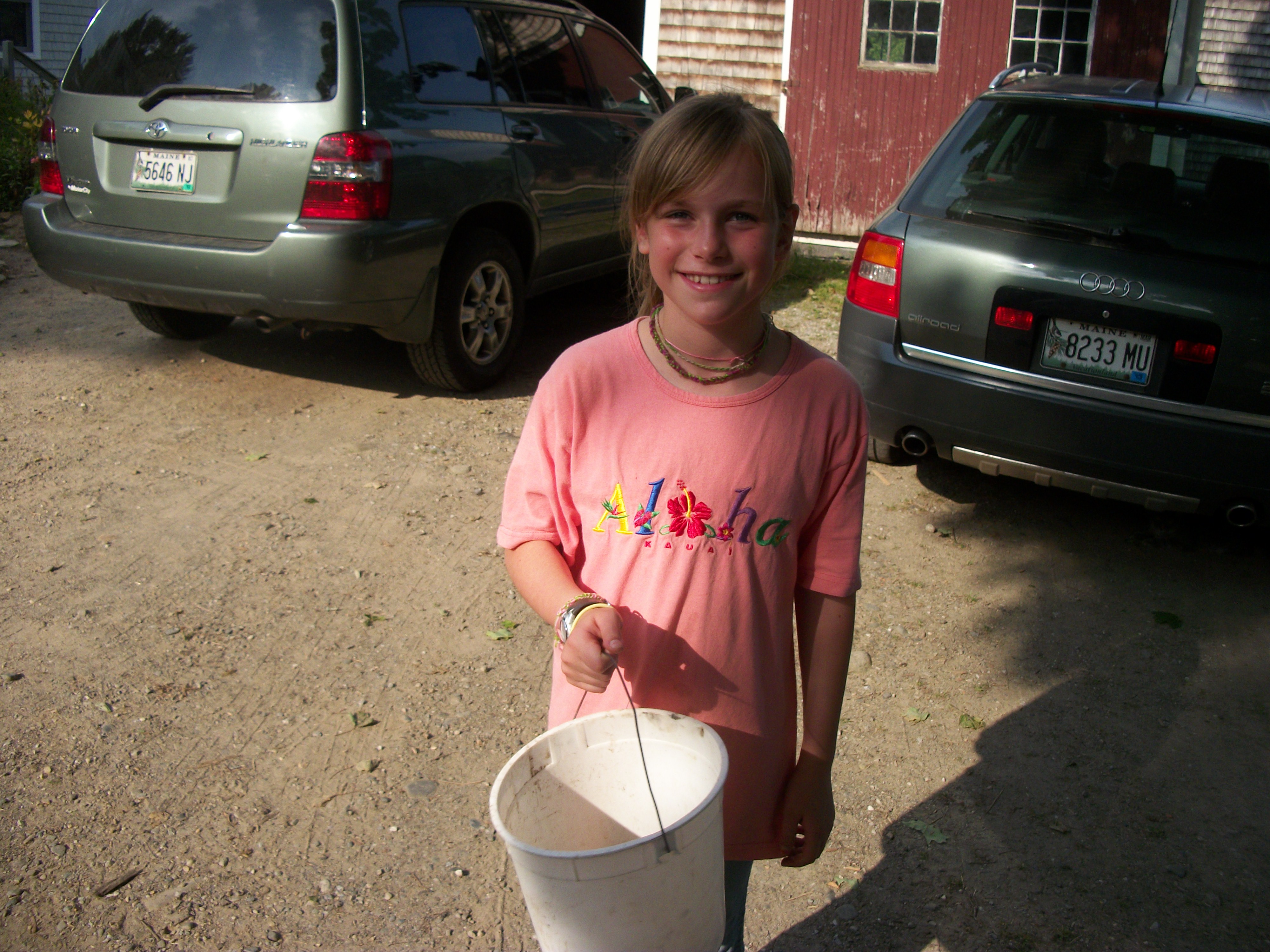
Last summer, young neighbor Margaret Richmond of Golden Brook farm had a pail with about 10 or 12 monarch caterpillars which she offered to share.

Margaret with monarch caterpillars

We declined as the grandchildren were leaving for home shortly.  But Margaret put the caterpillars on milkweed and watched them until they became butterflies.

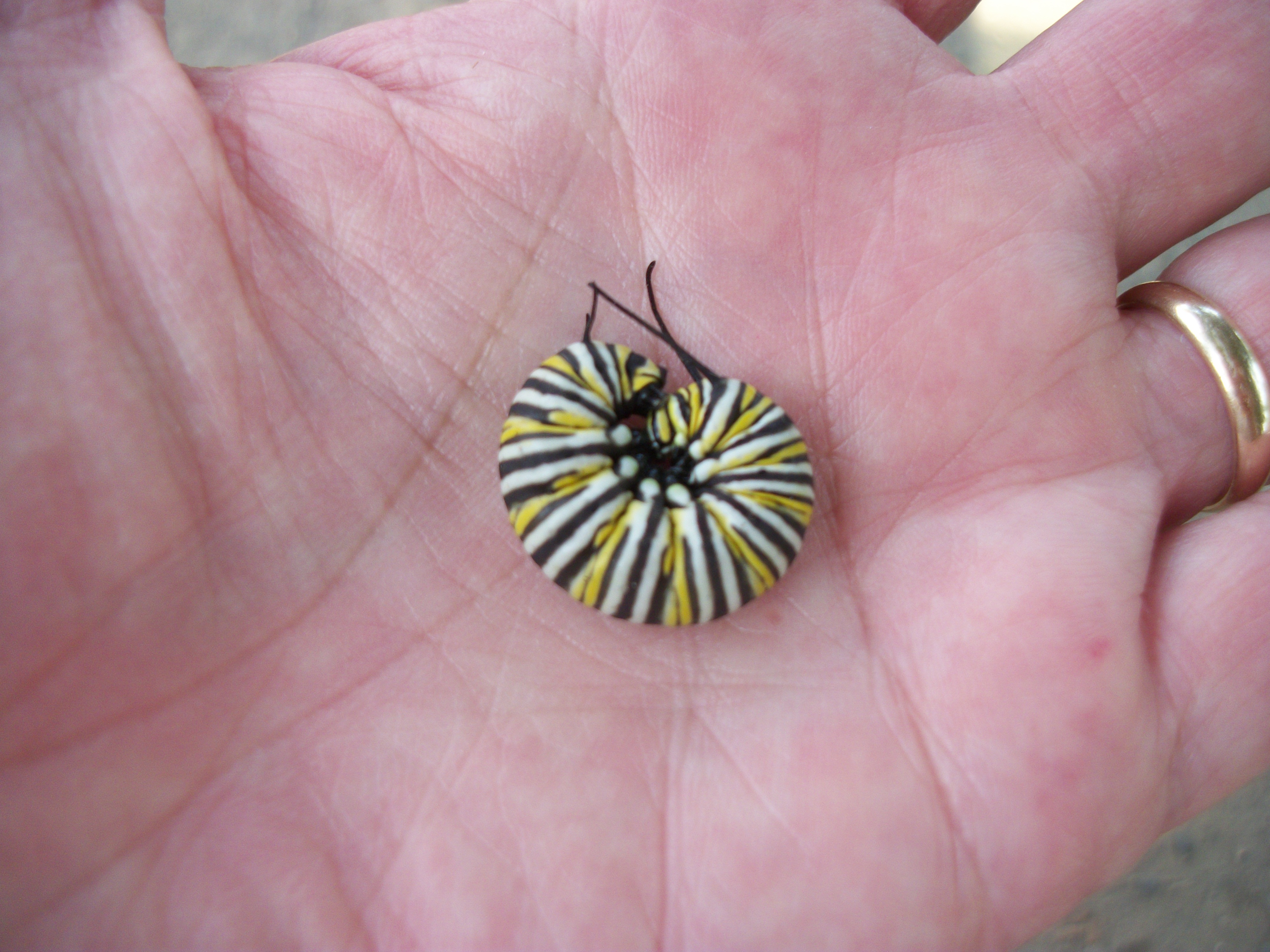
Here’s a caterpillar in my hand:

Monarch caterpiller, Aug. 2012

We came home and Kels found a chrysalis in our yard and, the next morning, watched it hatch into a butterfly.

Turkey Tracks: I Mowed the Lawn Today

Turkey Tracks:  June 15, 2013

I Mowed the Lawn Today

In 47 years of marriage, I never mowed the lawn.

I think John tried once to show me how back on Van Buren Street in Falls Church, Virginia.  But I could not start our big heavy mower, and I already had so many other things to do in and for the house and gardens, that I never pursued it.

Besides, John liked mowing the lawn.  There was something peaceful about it for him.

I can’t imagine why–as it’s one of my least favorite things to do in this world.

Oh, I like the way it all looks when it’s done.  Just the way I like the way the laundry looks when it’s all folded and ready to be put away.  Or, the kitchen when it’s all clean.  It’s not that I mind the work.  I like to work.  I just don’t like mowing the lawn.

I’ll weed all day.  But mowing?  Not a chance.

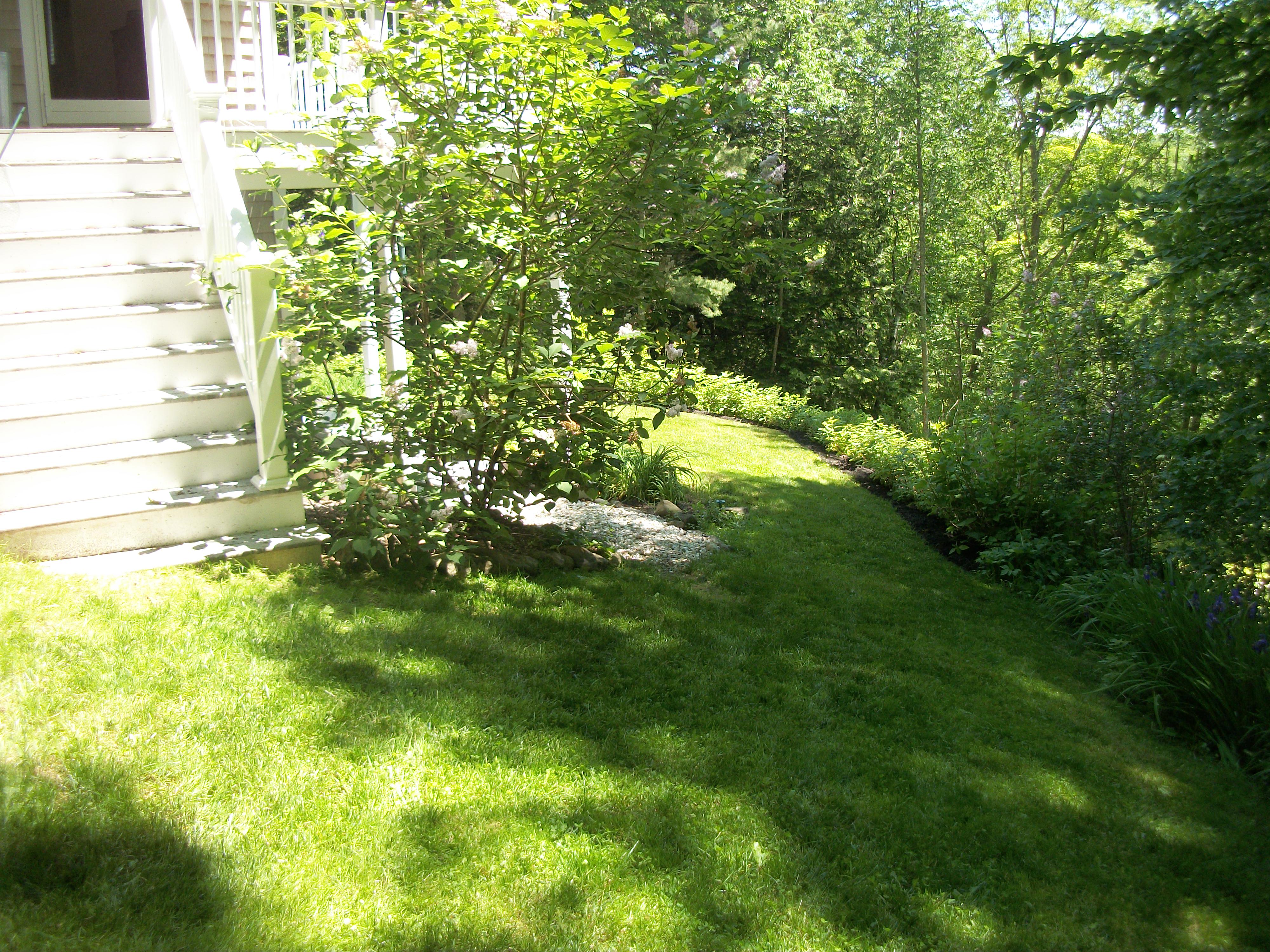
Still, I do a good job.  See?


Mowed!  June 2013

That hill you see really slopes, and it’s murder to mow.  Perhaps that’s why I don’t like mowing.  Or it’s about juggling the electric mower we got me last summer when it became clear John could no longer mow and the long power cord.  The mower is light and efficient; negotiating the cord is irritating, though I’m getting better and better at it.

It’s not a huge yard, and except for this hill, it’s flat up top and down below.

I trim up the bits along the edges by hand–right now that seems easier than using a string cutter.  They don’t work so well along fence lines anyway, and it’s just another thing to plug in that makes a lot of noise.

That’s a big lilac at the foot of the stairs.  It perfumes the whole yard.

That’s a row of raspberries along the front edge, backed by bayberry and rugosa roses and more lilacs.  The wonderful David Hannan came and mulched the raspberries for me and weeded and edged the bed.  What a HUGE help that was.

I wanted to get pictures of the new chickens for you, but they hid in the coop away from the mower.  Rosie, the remaining Copper Black Maran came and visited with me.  She’s the sole survivor of the fox attack in early spring:

Rosie, June 2013

She’s so pretty.

I miss her Cowboy fellow.  I bet she does too.

Turkey Tracks: Play Quilting

Turkey Tracks:  January 15, 2013

Play Quilting

I’ve been working really hard on sorting through my quilting stash–all the fabrics a quilter starts to accumulate–and cutting up all the smaller pieces into useable, accessible strips, blocks, or rectangles.  Those of you who follow this blog know that getting my stash under control has been going on for over two years now.  It’s just way too easy to keep buying new fabric for a new quilt without using up leftovers from previous quilts.

I am now using Bonnie Hunter’s coping strategy of keeping only large pieces for the stash and processing everything else.  Out of the greens, I’ve already made a gorgeous green scrappy top and backing–using up a ton of fabric that was just sitting around.  That top is ready to go on the long-arm, so I’ll return to it here when I’ve finished it.  I LOVE it.  It’s a green version of Bonnie Hunter’s “Blue Ridge Beauty” that I’m calling “Green Camden Hills Beauty.”  You’ve seen pieces of this top in earlier posts, and Bonnie’s version is on her web site, quiltville.com.

So, the green part of the stash is under control–dare I say?  And, I’m making good headway on the blue now.  I had already been working at the blue fabrics over the past two years, but I’m astonished how much of it I still have.  So many small pieces that are just lying around doing nothing but taking up space.

Yesterday, I could see that I was close to finishing cutting up the blues, so I let myself “play” at the machine for two hours–jointly working on two different types of projects.  I made myself quit about 8 p.m. last night because I could have gone on and on…

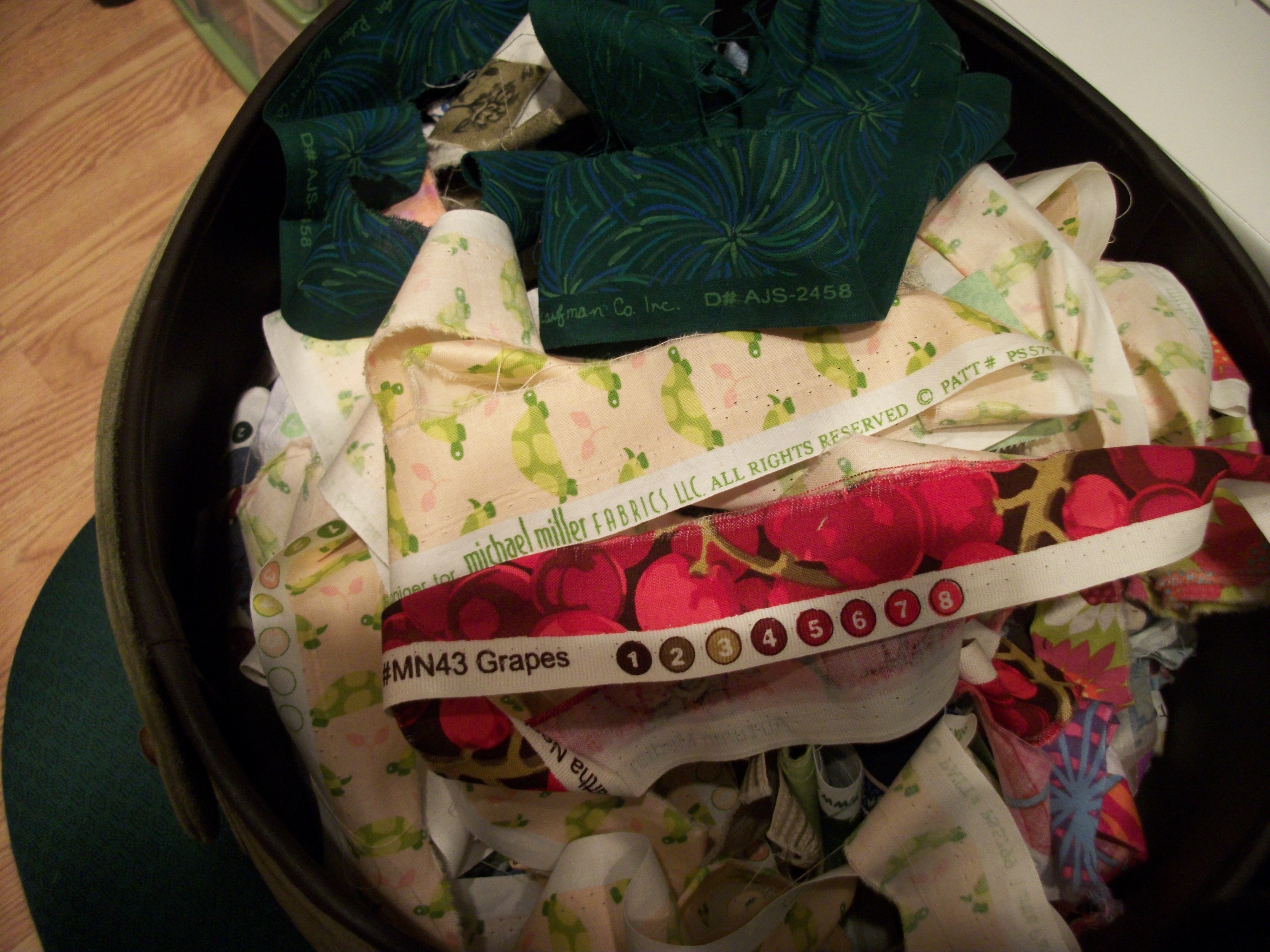
First, in Bonnie Hunter’s system–which you can explore in her four books and on her excellent web site, quiltville.com–NOTHING gets wasted.  The small bits of fabric she calls “crumbs.”  She throws them into a basket and uses them to “make fabric.”  Here’s an example:

Making fabric

These 2 1/2 by 8 1/2 strips will make really cute borders on a quilt when I have enough of them.  Bonnie Hunter uses old paper–phone book paper is the best as its thin and easy to tear away–as a backing.  It’s so much easier and lighter than the muslin I had been using for string-pieced blocks.  You could also use used printed paper from your printer, though that is heavier.

This “making” of fabric is growing in popularity these days.  In addition to Bonnie Hunter’s work, you can see the fun of making and using fabric in OUT OF THE BOX WITH EASY BLOCKS:  FUN WITH FREE-FORM PIECING, Mary Lou Weidman and Melanie Bautista McFarland and 15 MINUTES OF PLAY:  IMPROVISATIONAL QUILTS, Victoria Findlay Wolfe.  Weidman and Wolfe both have blogs as well.

I had some string-pieced blocks left from projects last year and have been throwing strips into a basket for when I wanted to make more of them.  I had only been throwing in strips that were at least 1 1/2 inches.  BUT, after making the border strips above, I can see that strips just under 1 1/2 inches are useable in both the string-pieced blocks and with the crumbs.  Really, the clear 1 1/2 strips should go into a separate box to be used for, say, nine-patches with one-inch blocks.  Or, piano keys borders.

Here’s my string basket, which is getting alarmingly full:

Basket of strips

Only there is a twist:  I’ve been tearing away also selvages with writing or colored dots with a little extra fabric in the strip.  I LOVE writing in a quilt and have become more and more intrigued with thinking how one might use selvage edges that are interesting.  So, here are examples of the kind of strips sith writing and/or dots I’ve been saving:

Basket of strips 2

Here are two blocks I made yesterday, hanging with one I already had.  I was playing with using the strips with writing on them:

Strip Piecing 1

Here’s a close-up:

Strip Piecing 2

And what the blocks might look like if I put them on point with sashing between…

Strip Piecing 3

Bonnie Hunter has lots of ideas of how to combine blocks when you have enough of them.

Meanwhile, it was really fun to let myself have a little “play” time–even though I have a quilt loaded on to the long arm and the BIG green quilt ready to be long-arm quilted.

Turkey Tracks: Nesting Bird Running Amok

Turkey Tracks:  June 15, 2013

Nesting Bird Running Amok

The phobes built a nest over the kitchen door, raised three babies, fledged them early one morning last week before I ever got up, and are now out singing in the woods.

I contrast that with what is occurring on the front porch.

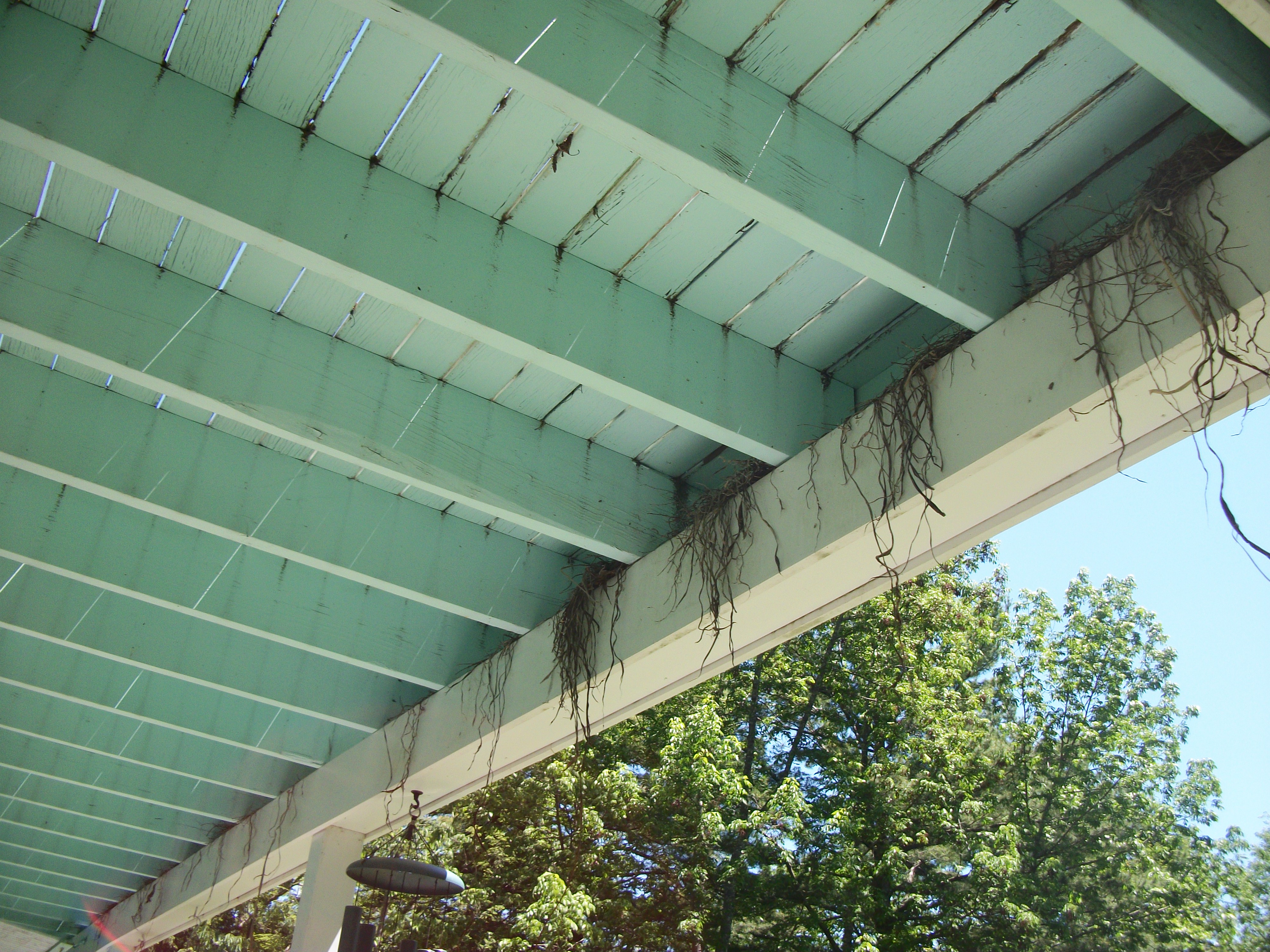
I’ve been vaguely aware of something going on out there.  There’s was a large dark bird flitting about the porch and some straw along the roof edge.  The bird has only been seen in my peripheral vision, just a fluttering of black motion and then gone.  OK, I thought.  I can live with a nest up there for the summer.  The kiddos will love it.

Here’s what I encountered today when I went out to mow the lawn:

Bird nesting

A whole row of half-formed nests.

The ones on the far end seem to be more in earnest:

Bird nesting 2

But as near as I can tell, there isn’t a momma sitting on anything.

There are FOURTEEN of them–one in every pocket along the porch ceiling:

Bird nesting 3

I’ll give it a day or two, then I’ll have to get the ladder and a pail and clean it all up.

Mercy!

Review: Excellent Movie: Incendies

Review:  June 15, 2013

Excellent Movie:  Incendies

I watched a netflix movie that has haunted me for two days now.

By haunted, I mean that I am still thinking about it and having insights about it popping into my head.

I think this movie is especially powerful because of the situation in Syria, where once again, a kind of civil war is unleashing unspeakable, unthinkable violence on innocents who just want to live their lives in peace and joy.

Incendies is set in the Lebanese civil war of the 1970s.  It is a mystery–where twins, raised in Canada, are tasked in their mother’s will to go back to her past so that, we discover, they can move forward into their futures.  It is the story of an amazing, brave, unbreakable woman–caught up in civil war.  It is a story, in the end, of healing and of hope.  And of love.  Great love.

Incendies is tough to watch at times.  It pulls no punches about how war changes people in all kinds of ways and how ugly war is.  There is no comic book good guys/bad guys neat polar opposites here.  War makes bad guys of everyone.  The ending, however, is worth it.  The loose ends are tied off–and not in neat, tidy ways.  We are left with hope–and the certain knowledge that war leaves in its wake ripples that keep rippling out and touching innocent lives.

I won’t say “enjoy,” though there is a great deal of pleasure in watching something so wonderfully executed, so rich with ideas, so beautifully acted.  I will say “learn.”

Here’s a quote from Wikipedia:

Incendies is a 2010 Canadian mystery drama film written and directed by Denis Villeneuve. Adapted from Wajdi Mouawad‘s play, Scorched, Incendies follows the journey of twin brother and sister as they attempt to unravel the mystery of their mother’s life. The film premiered at the Venice and Toronto Film Festivals in September 2010 and was released in Quebec on 17 September 2010. In 2011, it was nominated for the Academy Award for Best Foreign Language Film.

The film won eight awards at the 31st Genie Awards, including Best Motion Picture, Best Actress (Lubna Azabal), Best Director, Best Adapted Screenplay, Cinematography, Editing, Overall Sound and Sound Editing.[4] Incendies was named by the New York Times as one of the 10 best films of 2011.[5]

Turkey Tracks: June Days

Turkey Tracks:  June 13, 2013

June Days

Today is one of those quintessential Maine spring days.

The air is clean, crystal clear, fresh, and smells of the lilac which is blooming everywhere.

It’s sunny, but a long-sleeve cotton shirt feels perfect.

By nightfall, the cool streams in and a sweater is nice.  A blanket on the bed at night feels lovely, especially if you sleep with an open window at your head, as I do.

Sister Susan just spent a week here.  We got a lot of rain while she was here, but on rainy days we went to movies and found indoor pursuits.  (We loved the new Star Wars movie and the Robert Redford film, THE COMPANY WE KEEP.)

We had a glorious time up in Acadia viewing the view from the top of Cadillac Mountain.  No camera shot can capture that 360 degree vision of lakes, mountains, ocean, islands, rocks, green trees, colorful mosses, blue sky, sailing ships, and on and on.  I have renewed interest in taking the older grandchildren up there this summer.

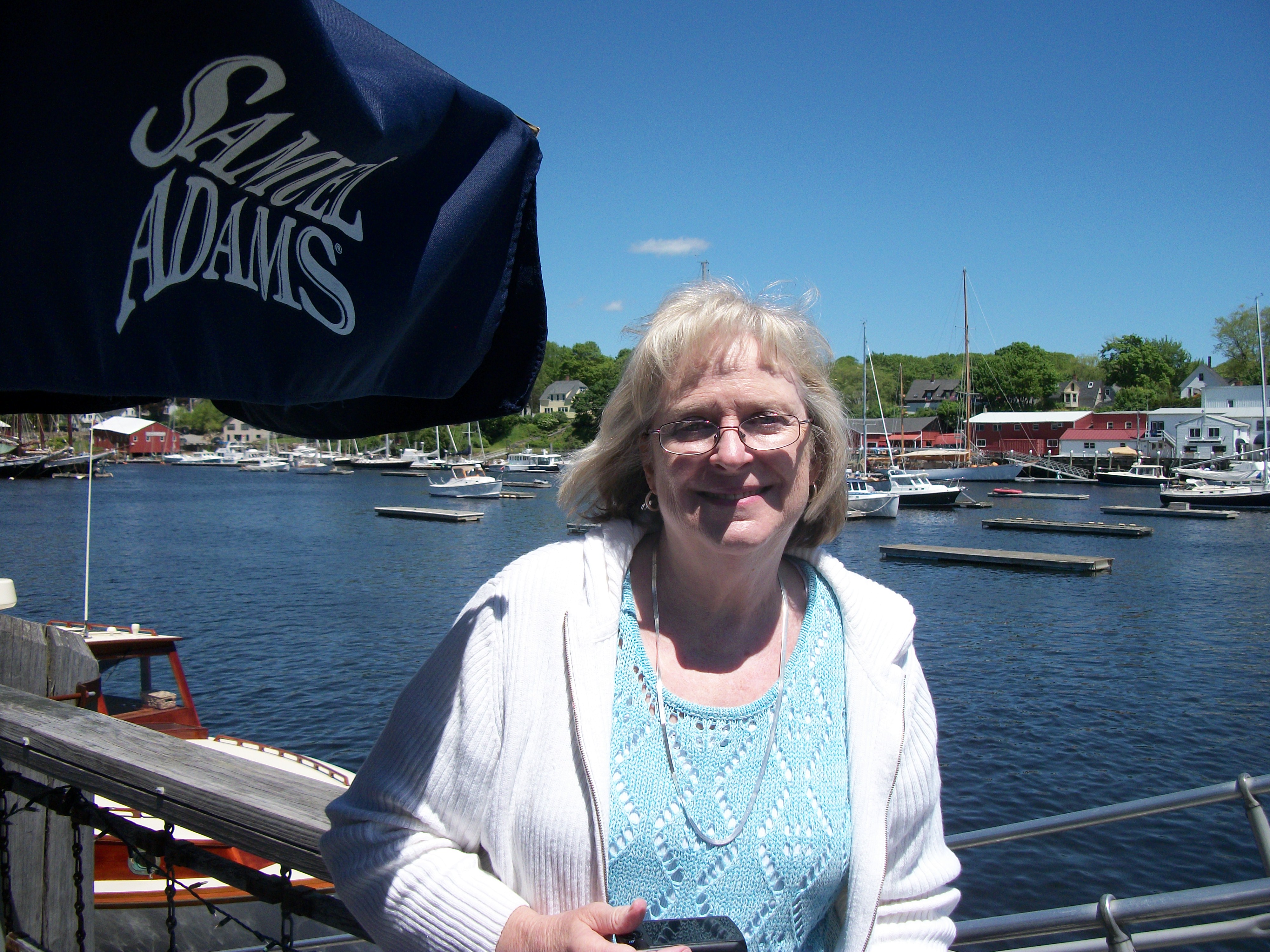
We had a sunny lunch at the Waterfront one day, and you can see that the harbor is filling up with boats now: Susan, June 2013

In Belfast, Susan was fascinated with the lively window boxes that are just starting to plump out.   Window boxes line the rows of shops in all our little towns and they are so beautiful. Belfast Window Box 2

Here’s a close-up of one of the above window boxes.  Soon these flowers will spill and drape over the box’s sides.

Belfast Window Box 3

I love the way these window boxes are enhancing the paintings in the store:

Belfast Window Box

The striped yellow and white petunia in the middle of this window box is the “petunia of the year” this year.  I think it’s called “lemon stripe.”

Belfast Window Box 4

We were both amused at this Belfast visitor:

Belfast visitor, June 2013

We visited Mainely Pottery, of course.  And, had a late/lunch/tea at Fromviandoux, which is always so much fun.

The lupine is blooming, and I don’t have a single picture.  Susan had never seen them and was fascinated.  I have posted pictures in the past, so if you search on lupine at the search button on the right sidebar of this blog, you can see lupine pictures.

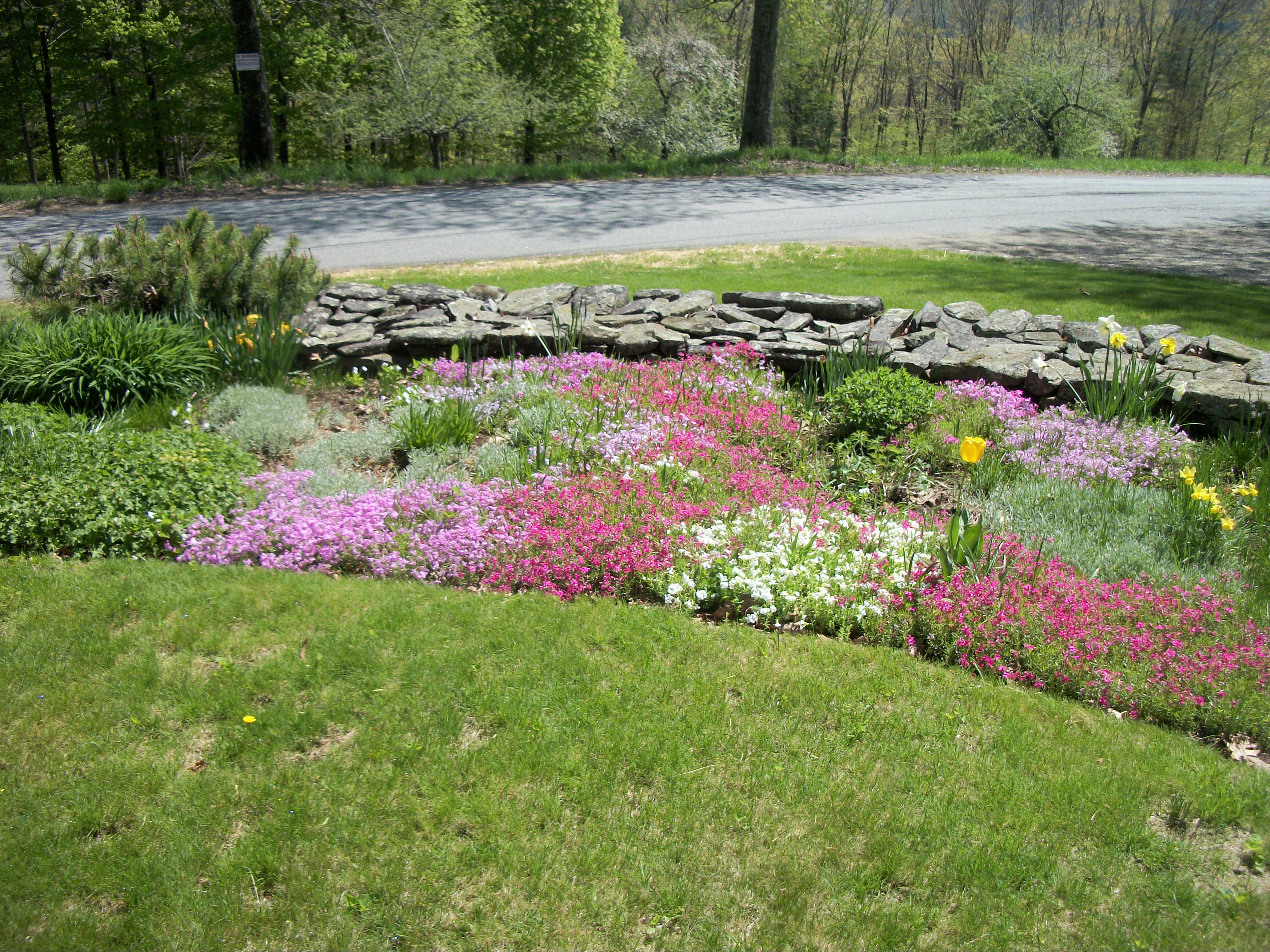
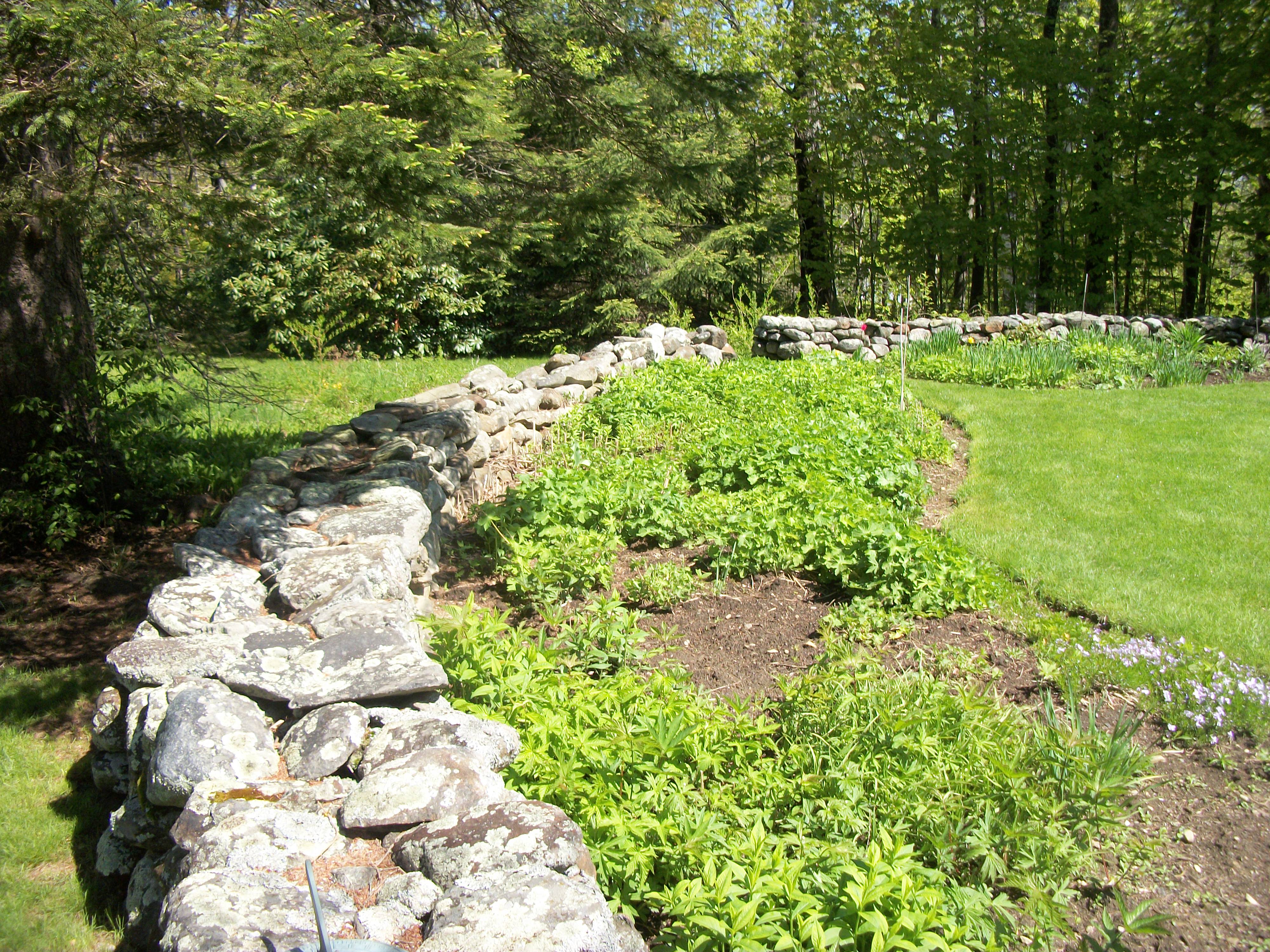
Susan loved the rock walls you see in Maine as much as I do.  This time of year you can see them clearly.  Later, perennial plants grow up and fill in the spaces in front of the rocks.  Here are two rock walls from neighbor Sarah Rheault’s garden:

Sarah's front bed, May 2013

And:

Sarah's back stone wall

The rock walls in my garden are embedded into the hills, so they function differently.  Here’s the end of one, which “Sky Watcher” guards.  I gave him some shade and a cairn of his own this year:

Rock Stairwell

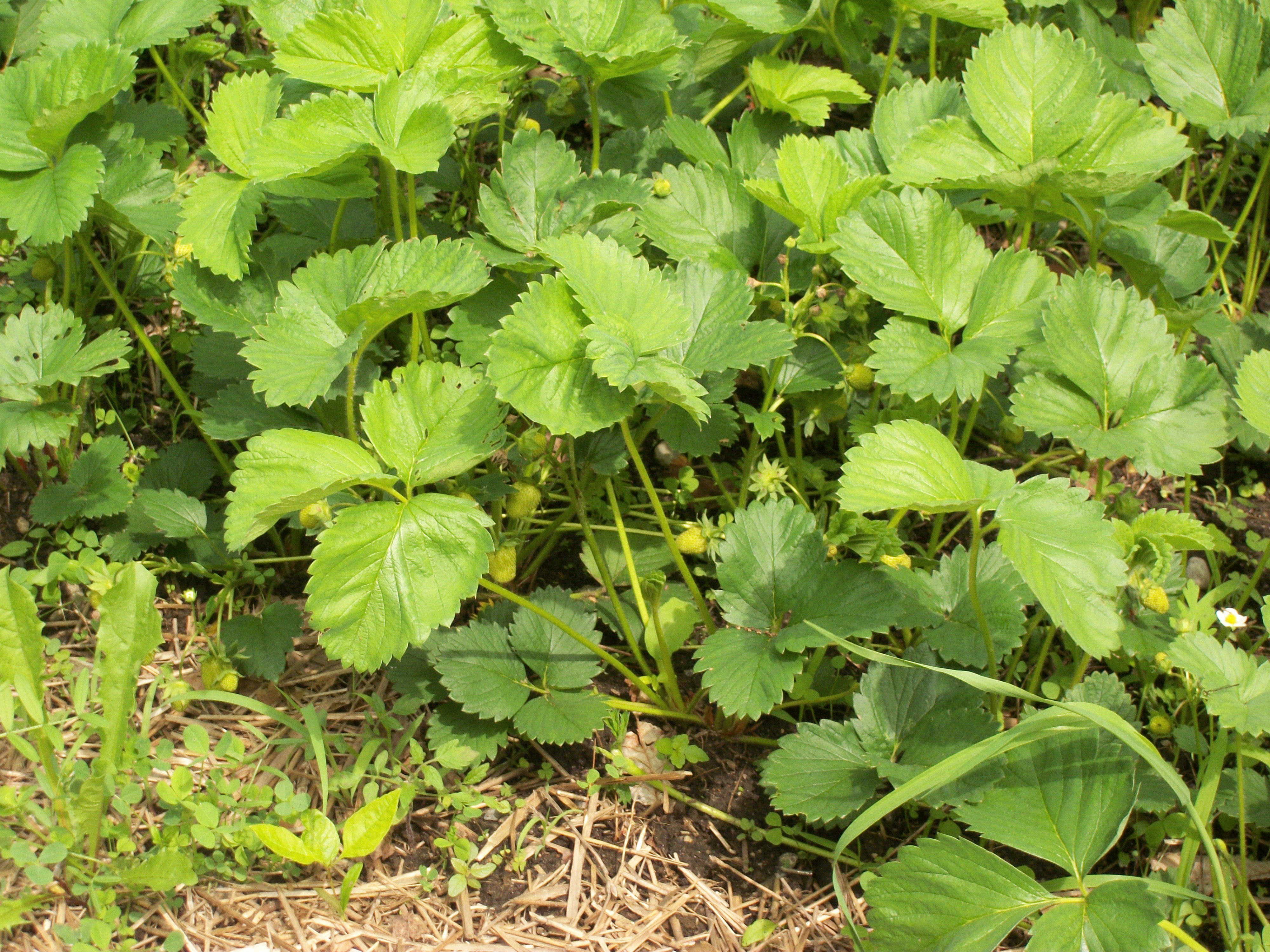
The garden is lush, lush.  The strawberry plants are loaded with fruit:

Strawberry Fruit

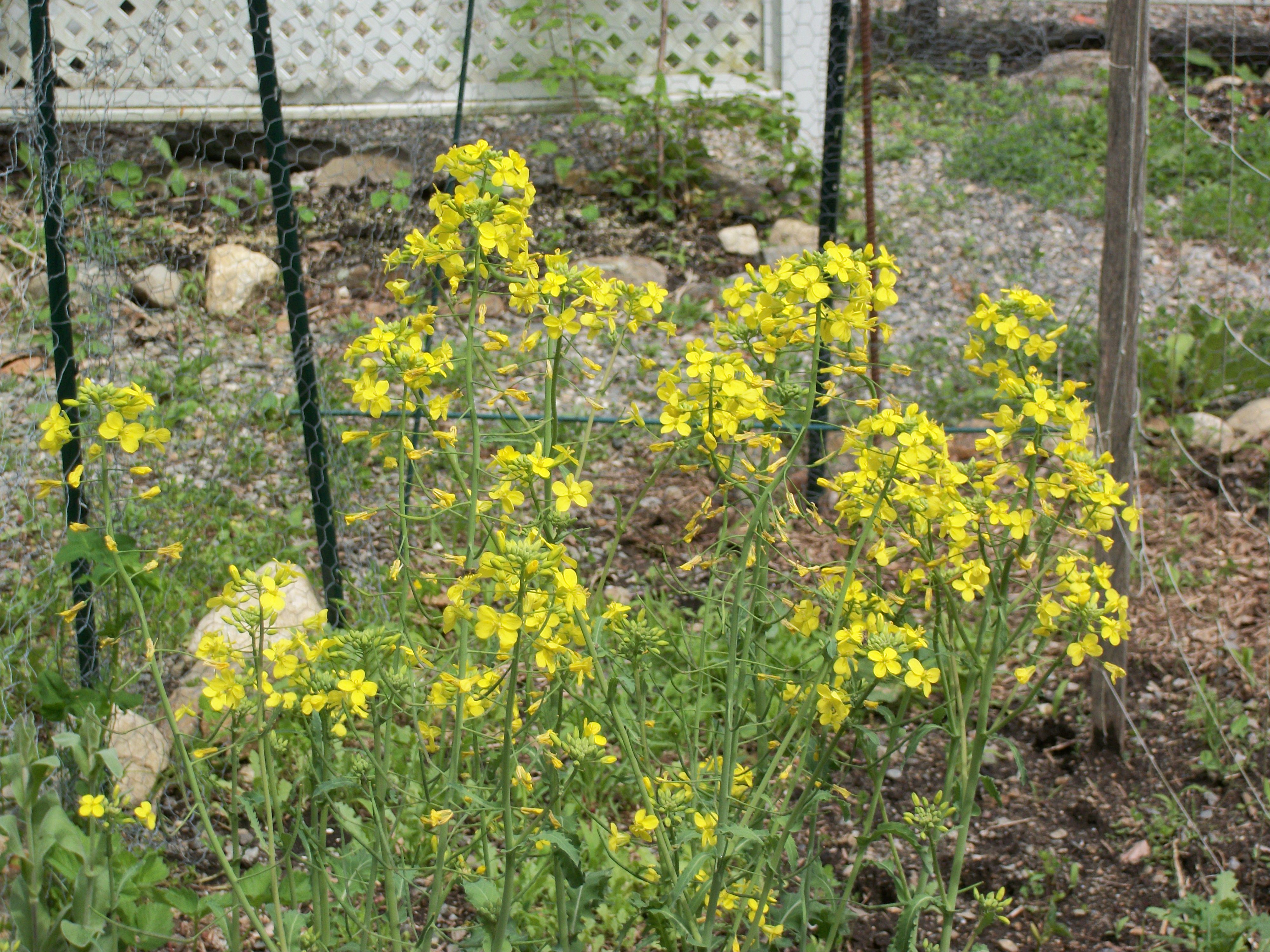
Beedy Parker’s kale came back AND reseeded itself.  It’s blooming now, and the bees love it.

Beedy Parker's Kale blooming

You can get Beedy Parker’s kale seeds from FEDCO.  (Their catalog is an amazing document–there is a wealth of information about growing all kinds of plants in it.)

The white violets are gone now, but weren’t they gorgeous!  They’ve spread in the shady bed on the north south of the house.

White Violets Close up

The tomatoes are hanging in there with all the rain.  The garlic is thriving.  The zukes are up.  Ditto the winter squash and many of the beans.  The peas are thriving.  The cukes are laggards so far, and the cold frame is full of radish and lettuce:

Cold Frame

I’m pulling radish now and will transplant some of the lettuce to the radish side of the cold frame.

Radish, June 2013

These summer days stretch before me, beckoning and teasing with all their pleasures.  Life is full and rich with…life.

Turkey Tracks: Giovanna McCarthy’s Birthday

Turkey Tracks:  May 25, 2013

Giovanna McCarthy’s Birthday

My friend Giovanna has reached the magic age.

She now qualifies for the senior discount at the Belfast Coop.

Monumental!!

We celebrated with tea at Fromviandoux, a wonderful restaurant in Camden, Maine.

Here’s Giovanna taking a picture of the awesome plate of sweets that finished our tea.

Giovanna's birthday, May 2013 2

They asked if there was a celebration when I called for reservations–which is a nice thing to do as it helps them plan.


Giovanna's birthday, May 2013

Fromviandoux’s tea selections also include savory platters–cheeses and pate’s for instance.  Also available are many small lunch dishes for those who want something more substantial.  They do a really good job of dealing with my gluten issue.  Everything on this platter is gluten free, for instance.  And they are really good about mixing up crackers and breads with gluten and non-gluten selections so everyone is happy.

Tea is served from Wednesday to Saturday after 2 p.m.  Sunday is a day where many dishes are also served.

Tea at Fromviandoux…

Anything at Fromviandoux…

YES!


Interesting Information: Mammograms: Yes or No?

Interesting Information:  May 25, 2013

Mammograms:  Yes or No?

I don’t get mammograms any more.

I’m more afraid of the danger the smashing of my breasts and the x-rays pose for my body than I am of the fear-mongering that might make me want to get a mammogram.

It’s not that I’m not afraid of getting cancer.  It’s that I don’t think mammograms are useful for either detecting or dealing with breast cancer.

And that’s because for the past five years, I’ve been seeing a lot of information that questions this whole practice.

For instance, the authors of a new study published in the New England Journal of Medicine (2012; 367:1998-2005) conclude that “nearly one-third of the women who received a diagnosis of breast cancer would never have developed the full-blown disease if left untreated.”  Apparently cancers come and go in our bodies all the time and may be connected to how our bodies deal with and cure illness.

Here’s a further synopsis of this study, taken from The Weston A. Price Foundation’s journal, Wise Traditions (winter 2012, pg. 14)–all of which is available for free online:

Nevertheless, in such cases [seeing possible cancer] patients typically undergo dangerous and invasive procedures such as surgery, radiation therapy, hormonal therapy, and chemotherapy.  H. Gilbert Welch, author of the study, speculated that as mammography technology has become more advanced, doctors are discovering breast lesions in such an early stage of development, it is virtually impossible to distinguish them from the benign cell clusters.  Even worse than the false positives is the fact that the mammograms “fail to catch forms of breast cancer that develop rapidly, explaining why the more widespread use of screenings has done so little to curb the rate at which late-stage breast cancer is found.”  According to Welch, “The sad fact is that there’s a subset of women who develop such an aggressive form of cancer it literally can’t be caught early.”  No one is voicing the thought that the mammograms themselves  may be causing these virulent tumors.

In other words, as I’ve read in numerous places elsewhere, mammograms don’t statistically affect the outcome of bona-fide breast cancer.

The same is apparently true for prostate cancer testing.  All the terrible, stressful  procedures don’t affect the outcome of the disease.  John and I often thought that we wished we had never known about the disease, that we had just lived our lives in bliss until some part of the disease made itself felt in a way that we sought out pain relief.

And doctors are still pushing failed dietary practices that cause diabetes (low fat, high carb, no red meat), are concerned with “high” cholesterol figures when that whole line of thought has been debunked, are still suggesting statins for treatment of a non-disease, are still pushing vaccines without adequate science to support them, will give antibiotics that wipe out all your gut flora and fauna at the drop of the hat, etc., etc., etc.  No wonder they have lost, at least, my confidence.

Truth in writing:  I come from a family of doctors and nurses.  They are all good, caring people.  I know a lot of doctors who are good caring people and who were wonderful to us when John was sick.  They are good people caught in a bad system.  Some of them are more willing to buck the system than others.  And am I glad they are there if I’m in a car wreck?  You betcha.  But for ongoing health care–I’ve taken to saying “stay away from them; they will kill you if you let them.”

Let’s call modern medicine what it really is:  an industry.

What I would like to see is a change in the medical paradigm where the focus is on treating disease from a holistic paradigm, not just treating symptoms, which usually means drugs, surgery, radiation, hormones, and chemotherapy.  These protocols are not working well, if at all.

For instance, the MONTH of radiation John had turned out not to have been needed at all (a suspicious spot on an x-ray was not suspicious after all).  Not surprisingly, his PSA began to rise radically.  My own take is that the month of radiation significantly weakened his body, which made him sicker.  The next treatment up in the standards of care was hormone therapy.  But hormones degrade the bones, so guess what?  The cancer showed up  in John’s bones next.  The oncologist also wanted to do chemotherapy, in spite of the fact that statistics clearly showed it would not prolong life.  The best she could do was to say that “it might make you feel better.”  Really?  Flooding your body with a terrible poison every three weeks might make you fell better?  And bless her heart, for she was a caring person and wanted to help, she offered the hope card:  miracles happen, why not you?  And the treatment for degraded bones?  A drug that basically turns bones into cement, which makes them brittle, and which has horrific side effects.  We stopped the cancer ride at the hormone therapy stop.  But how many desperate people don’t stop?

We do not have another mainstream paradigm than these failed standards of care–crafted by Big Pharma and not science.  And doctors who stray from the “standards of care” are penalized or lose their licenses.  That’s how industry works.  Industry does not care about science; it cares about money.  Practitioners within it are, simply, workers.  All freedom has been lost for them.

AND, the amount of $$$$ involved in treating symptoms is, simply, mind boggling, so the industries involved will fight change tooth and toenail.  The only component that can create change is the grassroots understanding of the problem and a consequent refusal to participate in practices that cause harm and do not work.  We have to take the $$$$ out of the mix.  Do you have any idea what a month of useless radiation costs?

Healing disease is going to have to involve cleaning up what’s causing disease (bad food and a degraded habitat).   The notion that we can degrade the world and create a technological fix to the disease that occurs has to be understood as a nonstarter.

Cancer will strike 1 out of 3 women and 1 out of 2 men.  (Or it’s the other way around.)

Contrary to hype, most will not survive to live out their lives.  Five years is not “survival.”

Cancer is a plague.

Isn’t it time for us to insist on cleaning up the mess we have made?

If not for ourselves, for our children and grandchildren.


Interesting Information: Fat-Soluble Vitamins Need FAT

Interesting Information:  May 23, 2013

Fat-Soluble Vitamins Need FAT

Yep!  They need the right kind of FAT to activate best in your body–and that’s a fat low in polyunsaturated fatty acids–which includes most vegetable oils.

You can supplement all you want–with food, with supplements–but if you don’t have enough good dietary FAT, the fat-soluble vitamins don’t go to work.

Chris Masterjohn is the young scientist that The Weston A. Price Foundation (WAPF) is helping to develop.  He has a PhD in Nutritional Sciences from the University of Connecticut and is currently working as a Postdoctoral Research Associate at the University of Illinois, studying the interactions between vitamins A, D, and K.  His blog is “The Daily Lipid,” which is supported under the Cholesterol-And-Health.com web site.   So you can see he is following in the footsteps of Dr. Mary Enig, who is an internationally recognized expert on fats and the human body.

Masterjohn is a frequent (and welcome) contributor to WISE TRADITIONS, the quarterly journal of the WAPF.  THe winter 2012 issue has an important Masterjohn article:  “Nutritional Adjuncts to the Fat-Soluble Vitamins,” found at http://www.westonaprice.org/fat-soluble-activators/nutritional-adjuncts-to-the-fat-soluble-vitamins.

This article is important because it illustrates that the current scientific paradigm of studying components of foods in isolation leads us to making really bad decisions.  An illustration would be the recent uproar about one component in red meat studied in isolation.  The result:  red meat might be dangerous to eat.  BUT, BUT, BUT, that component never exists in isolation in red meat.  It operates alongside all the other components, or synergistically.  And, red meat is the ONLY place we get vitamin B12 IN A FORM where our body can use it.  (Aren’t you wondering after all these years of folks trying to demonize red meat WHY?  First it was the fat.  Now it’s an isolated component.  Who is paying for this research anyway?  Where are we dealing with a belief system and where is good science?)

We need a new paradigm.  We need to study how components operate SYNERGISTICALLY , or how they react with each other and need each other to give us the best of what they have to offer.  Masterjohn traces the history of how science tried to understand how the fat-soluble vitamins work by isolating each one.  As a result, researchers did not get to an understanding of the truth of these vitamins.  The result was that people were told they needed more vitamin A.  No, it’s really vitamin D.  And vitamin K only works to help coagulate blood.  The role of vitamin K2 was dismissed entirely as it appears in very small quantities.  (Bigger is not always better.)

Masterjohn writes that the fat-soluble vitamins A, D, and K2 “interact synergistically to support immune health, provide for adequate growth, support strong bones and teeth, and protect soft tissues from calcification.”

And, said another way:   “We now know that vitamins A and D also cooperate together to regulate the production of certain vitamin K-dependent proteins.  Once vitamin K activates these proteins, they help mineralize bones and teeth, support adequate growth, and protect arteries and other soft tissues from abnormal calcification, and protect against cell death.”

BUT, the synergism is bigger than just these three vitamins:

Magnesiumn is “required for the production of all proteins, including those that interact with vitamins A and D.

Vitamins A and D “support the absorption of zinc and zinc supports the absorption of all the fat-soluble vitamins.”

Many of the proteins involved in vitamin A metabolism and the receptors for both vitamins A and D only function correctly in the presence of zinc.

Dietary fat is necessary for the absorption off at-soluble vitamins.

Nature provided these ingredients for us in nutrient-dense foods.  Trying to obtain them through supplements can drastically throw off how they interact with each other–which means trouble in the body.

Masterjohn argues that we need to eat the right kinds of fat to access the crucially important fat-soluble vitamins:

Human studies show that both the amount and type of fat are important.  For example, one study showed that absorption of beta-carotene from a salad with no added fat was close to zero.  The addition of a lowfat dressing made from canola oil increased absorption, but a high-fat dressing was much more effective.  Canola oil, however, is far from ideal.  Studies in rats show that absorption of carotenoids is much higher with olive oil than with corn oil.

Similarly, studies in humans show that consuming beta-carotene with beef tallow rather than sunflower oil increases the amount we absorb from 11 to 17 percent.

Why is the animal fat a better fat in terms of absorption?  Masterjohn poses that the lower the fats are in polyunsaturated fatty acids, the better they work inside our bodies.  He poses that polyunsaturated fatty acids likely promote the oxidative destruction of fat-soluble vitamins in the intestines before we are able to absorb them.”

Nutrient-dense foods derive from animals:  meat, milk, eggs, REAL cod-liver oil (not the pasteurized kind with vitamins added back), etc.  Yes, plants are important sources of useful components, but our bodies work best with nutrient-dense foods.