Turkey Tracks: It’s Raining Baby Mice

Turkey Tracks:  July 4, 2012

It’s Raining Baby Mice

Last night John opened the grill–which hasn’t been used for about a week–and a mouse ran out, startling him.  She left a nest with at least two baby mice that had to be removed before we could cook our lamb chops.

This morning when I swung open the chicken coop roof, as I do every morning to fluff up the bedding, change the water, and check grain levels in the food bowl, like fat pink raindrops, out dropped five baby mice onto the bedding below.  They must have been wedged into the stuffing in the top of the coop’s roof.  I can’t imagine how the mother mouse accomplished this feat since the roof is steep and metal, except for the stuffing at the roof’s apex.

The chickens promptly ate them.

Interesting Information: A Healthy Diet Includes 50-70% Healthy Fats

Interesting Information:  July 3, 2012

A Healthy Diet Includes 50-70% Healthy Fats

How’s that for a shocker?

It’s especially shocking when the idea that plant-based diets are your healthiest choice is being pushed so strongly by the USDA and way too many health practitioners who have hopped onto this bandwagon without adequate scientific data for support.  The health of plant-based diets is another one of these food myths that I’ve been writing about for the past few years.  I can’t find any science that supports it that has stood up to peer reviews.  I can find TONS of science that refutes it.  Plants are NOT nutrient dense.  Period.

Dr. Joseph Mercola’s health web site published “Why I Believe Over Half of Your Diet Should Be Made Up of This,” on May 31, 2012 (http://articles.mercola.com).

The “this” was healthy fats, and Mercola noted that his own diet included 60 to 70% of healthy fats daily.

Mercola’s article begins with a history of Crisco, the industrial, white, vegetable-based lard made by Procter & Gamble and introduced a “little over 100 years ago.”  “Atlantic Magazine” published a history of the introduction of Crisco in their April 26, 2012, issue–using an excerpt from the book THE HAPPINESS DIET by Drew Ramsey, MD, and Tyler Graham.  (Mercola’s article contains a link to this Atlantic article.)  Up until Crisco, people used animal fats for frying and in baked goods like pie crusts.  But, the introduction of Crisco included a wildly successful ad campaign claiming that Crisco was “modern” and was healthier than the use of animal fats.

Crisco is an hydrogenated vegetable oil.  Actually its made from the “waste product of cotton farming,  cottonseed oil.”  It’s what we call a “trans fat.”  It causes heart disease for sure and “contributes to cancer, bone problems, hormonal imbalance and skin disease; infertility, difficulties in pregnancy and problems with lactation; low birth weight, growth problems, and learning disabilities.”

Mercola walks readers through the myth of saturated fat being harmful–and gives a history of the misinformation that is still very much present today–misinformation that has no science whatsoever behind it.  (Many of the Mainely Tipping Points essays on this blog discuss this history and what clinical trials and science are actually showing.)  Mercola retells how Ancel Keys ignored countries which contradicted his premise that saturated fat caused heart disease.  Mercola also cites the often-cited statement of Dr. William Castelli, former director of the famed Framingham Heart Study, wherein Castelli notes that “the more saturated fat one ate, the more cholesterol one ate, the more calories one ate, the lower the person’s serum cholesterol….We found that the people who ate the most cholesterol, ate the most saturated fat, ate the most calories, weighed the least and were the most physically active.”  Mercola also includes a video of his  interview with Gary Taubes, whose work I’ve written extensively about also in the essays on this blog.

Saturated fats “provide a concentrated source of energy in your diet.”  I’ve read elsewhere–and I’ll need to find this discussion again–that when your body is burning energy from carbs and sugars, it puts a lot of pressure on the body, causing it to malfunction, causing energy swings, and constant hunger.  Saturated fats don’t have this effect–they provide sustained, steady energy for long periods of time.  And, Mercola discusses why trans fats and sugars, particularly fructose, are the “true culprits of heart disease.”  The Weston A. Price Foundation would add that overuse of highly processed vegetable oils (canola, safflower, etc.) are also a root cause of heart disease.

Saturated fats , notes Mercola, are also carriers for many of the minerals and vitamins that are crucial for the body’s health.  Saturated fats are needed for the body’s conversion of nutrients to useable forms in the body–like the conversion of carotene to vitamin A.  Saturated fats are building blocks for cell membranes, help lower cholesterol levels, act as antiviral agents, modulate genetic regulation, and help prevent cancer.

So, writes Mercola, don’t eat processed foods.  Elsewhere, Mercola has advocated not eating grains.

And, writes Mercola, do eat organic butter (hopefully made from raw milk), use unprocessed coconut oil for cooking, and eat raw fats, such as “those from avocados, raw dairy products, and olive oil, and take a high-quality source of animal-based omega-3 fat, such as krill oil.”  (The Weston A. Price Foundation recommends unprocessed, fermented, high-vitamin cod liver oil instead of fish oils and would add beef fat (tallow), pork fat (lard), and chicken fat–all from healthy animals NOT raised in CAFO environments–to the list of saturated fats to use and consume.)

Mercola notes that Paul Jaminet, PhD, author of PERFECT HEALTH DIET, and Dr. Ron Rosedale, MD, “an expert on treating diabetes through diet” both agree that “the ideal diet includes somewhere between 50-70 percent fat.”
Turkey Tracks: Using Leftover Scrap Yarn

Turkey Tracks:  July 3, 2012

Using Leftover Scrap Yarn

This blog’s readers know I’ve been engaged all winter with what I call “The Scrappy Project,” which is using quilting fabrics left over from over 80 quilts–and already cut into useable shapes and stored–to make scrappy quilts that I really, really like.  I have only been knitting about six or seven years this go-round, but, already, I’ve accumulated more scrap yarn than I felt comfortable storing.

My friend, master knitter Giovanna McCarthy, gave me two ideas/patterns for using up this scrap knitting yarn.  I chose this one from Shelly Kang’s blog–www.shellykang.com.  Once there, look for “Let’s Do a Gauge Swatch.”  You can even get to the pattern by googling “Let’s Do a Gauge Swatch.”  The directions are perfect and there are lots of pictures so you can clearly see how to proceed.  The project reminds me of making a quilt–it’s little squares of differing colors, knitted “on point.”

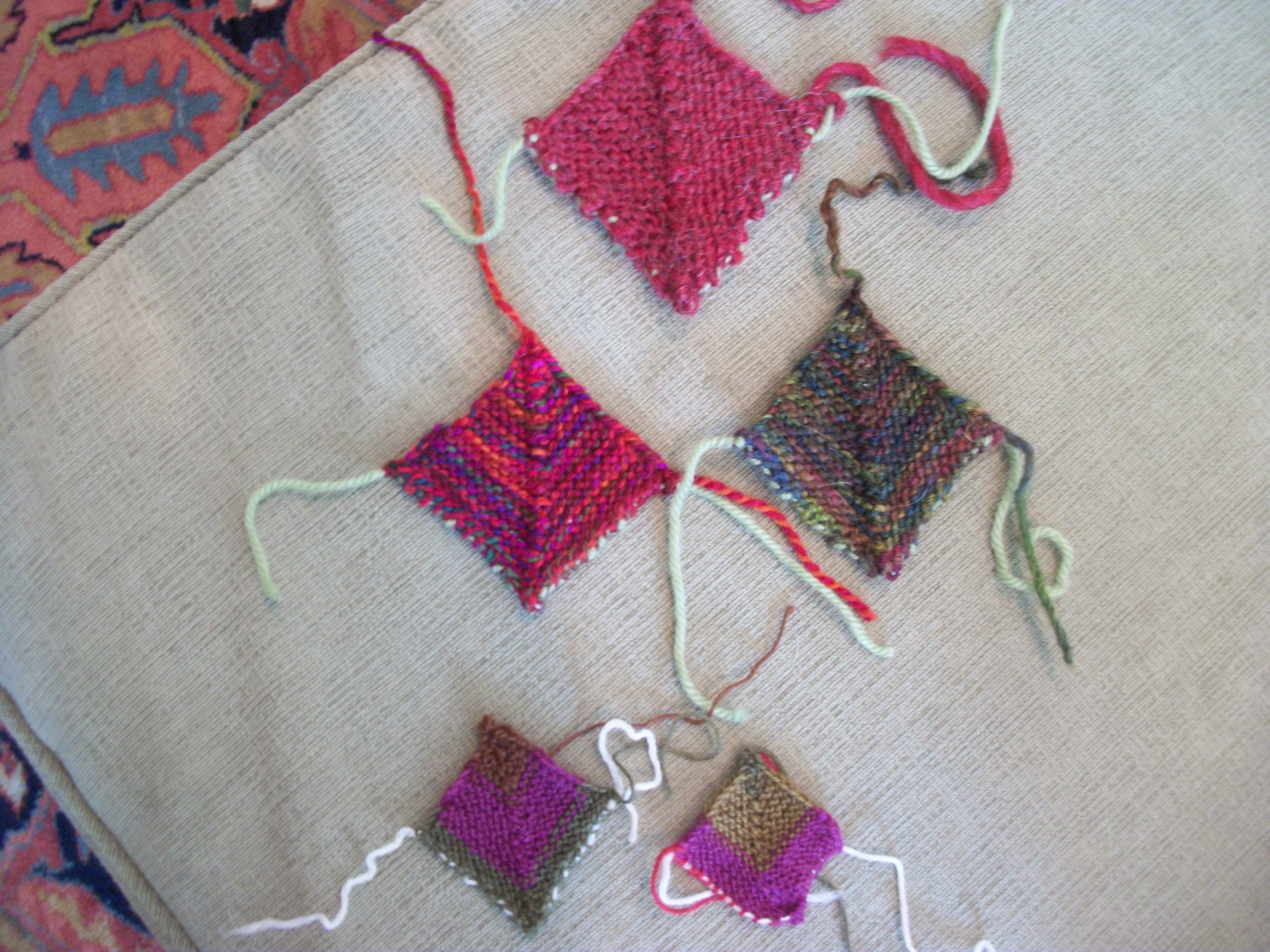
First, I made a series of the squares from some of my available scrap yarns.  The top one is made with a thicker yarn and is a bit bigger.  The middle two are made with a normal weight worsted.  And the bottom two are made from fingerling weight sock yarn.  They are waaaaay too tiny, and it would be insane to use them unless one were making some sort of tiny art project.  It does work to knit with two or three fingerling strands of yarn to get size and thickness.

The thicker, bigger square actually combines ok with the worsted squares, so I did use them when I started using Kang’s method of putting blocks together.  Note that the pale green thread is part of a provisional cast-on (which is really easy and can be found easily on-line) and will be taken out when the squares are joined or edged.  I love the textured stripe in the middle of each block.

Here’s what the blanket looked like about 10 days ago.  It’s getting bigger now–but I’ve capped how wide it will be.

Again, note that the  pale green ties will come out of that bottom row.

I’m obsessed with this project.  I have to make myself do other projects for a set period of time before I can work on the blanket.  (I’m working on grandchild socks made from leftover sock yarns, and I’m close to finishing the 4th pair so pics will be coming up soon.)

And I’ve already reached out to knitting friends begging for some of their leftover yarns…

Turkey Tracks: In Soil We Trust

Turkey Tracks:  July 2, 2012

In Soil We Trust

A friend sent me some cartoons she liked, knowing I would as well.

Here’s one:

I’ve been spending hours outdoors with my own soil this past six weeks or so.  The blog has been neglected as a result, but I can see the end of the weeding, reordering, planting and replanting, and so forth.  I was able to find some really terrific help to put out 65 bags of mulch–which the gardens really needed.  And the watering, weeding, and food gathering will go on all summer.

Anyway, I’ll get back to finishing the Paleo essays and will move to the dangers of soy soon now.  And, I have lots of book reviews and lots of interesting information to share with you.  The pile at my right hand as I type this piece is quite tall these days!  I have been spending an hour in the early morning, when the grass is still wet, reading.

Here’s a picture Tami sent me after we got back from Charleston that I really love!

This little plate has gorgeous bees underneath the cherries.  Tami now has two hives and plans for 4 more on Tara Derr Webb’s land.  Best of all, this sweet plate was a gift from a friend of Tami’s as a “thank you” for some homemade soup delivered to her house in a time of need.  That’s what we call community.   Cherries might be my favorite fruit.   I so look forward to them every spring.

The chickens want babies.

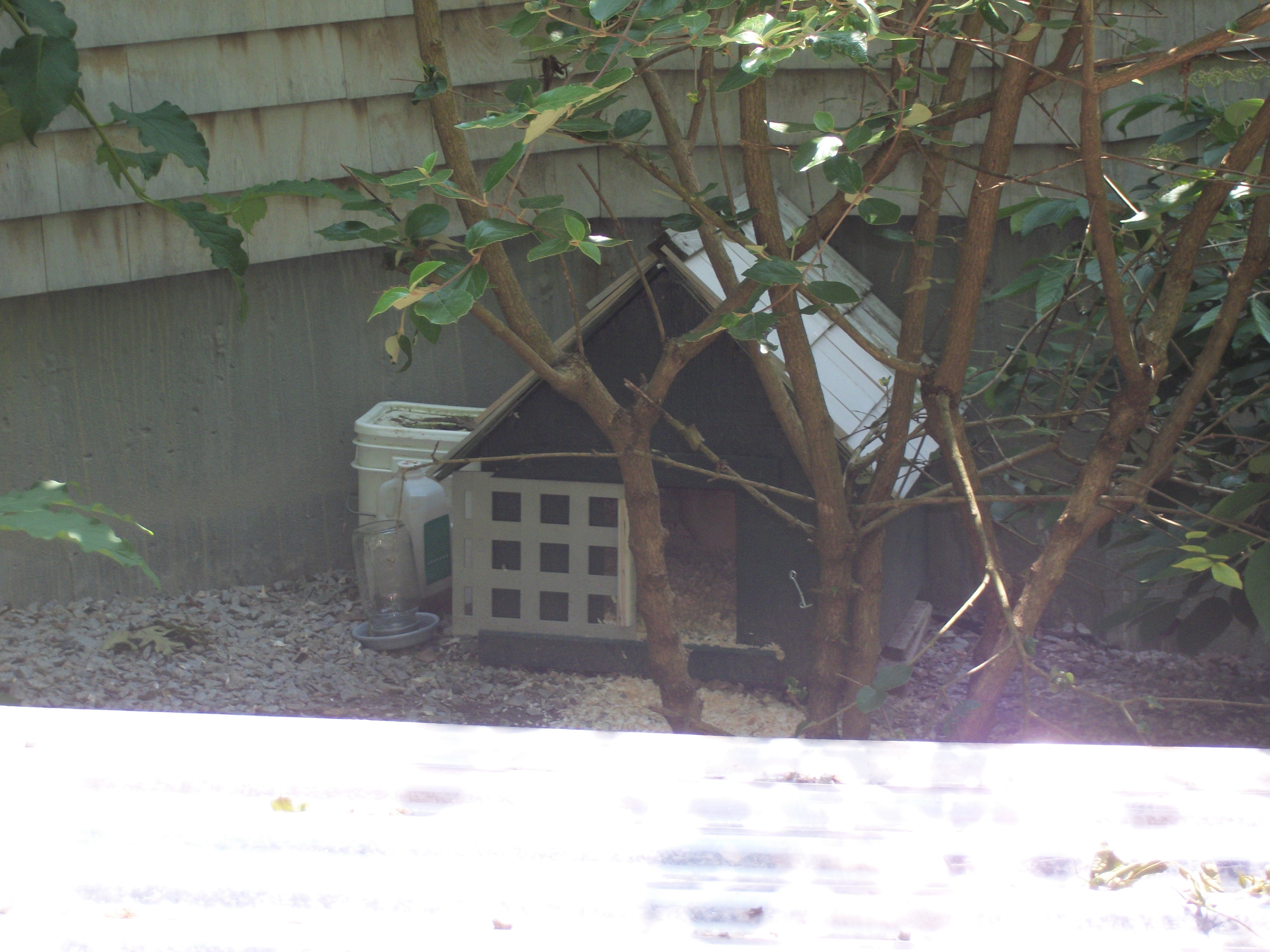
Last year, I found the cutest little doghouse at the dump, and John and the grandsons cleaned it up, repaired it, and painted it for me.  This spring I put bedding in it, and John put on a strong door.  We put it under the eaves of the house, back in the bushes, so it would be protected from the rain.  You can see it up next to the house, beyond the chicken coop protected cage.

Here’s a close-up view–the door slides open and shut and has a lock on it.  John reinforced it so racoon can’t pull it out of the sliders.

Those chickens loved nothing better than laying eggs in the doghouse.  One day I realized I had not gotten eggs in a day or so.  I had to get down on my knees and bend way down and reach way back in there with my left hand–to find 10 eggs.  Twice, one of the hens sat through the night, but abandoned the eggs the next morning.  Now, if I keep the house open, the hens line up outside the door and peer in as each hen lays and Cowboy will run at you if you come near it when one or more is inside.

Now we have a broody hen sitting on 5 eggs, as of this morning.  She seems likely to stick to them.  She screams at me and fluffs out her feathers when I check on her.  Only, she’s in an eggbox in the coop, not in the doghouse, which I’ve kept closed up as I got tired of fishing out eggs from inside it.  She’s sitting on 4 Americauna eggs and 1 Maran egg.  It’s the Maran’s we need, since I opened the coop and found one dead about two weeks ago.  Not a mark on her body.  And she was so heavy and solid.  It’s tough to lose a prize year old hen…   Ninja.  She had been kind of sluggish, I realized, after the fact.

We’ll see where all this baby-chickie thing goes…  And of course, half of them will be males, and it is terribly hard to rehome roosters…  I’m hoping if Nancy actually hatches out eggs that she will keep the youngsters in the doghouse as they will be in danger in the coop from the older hens.

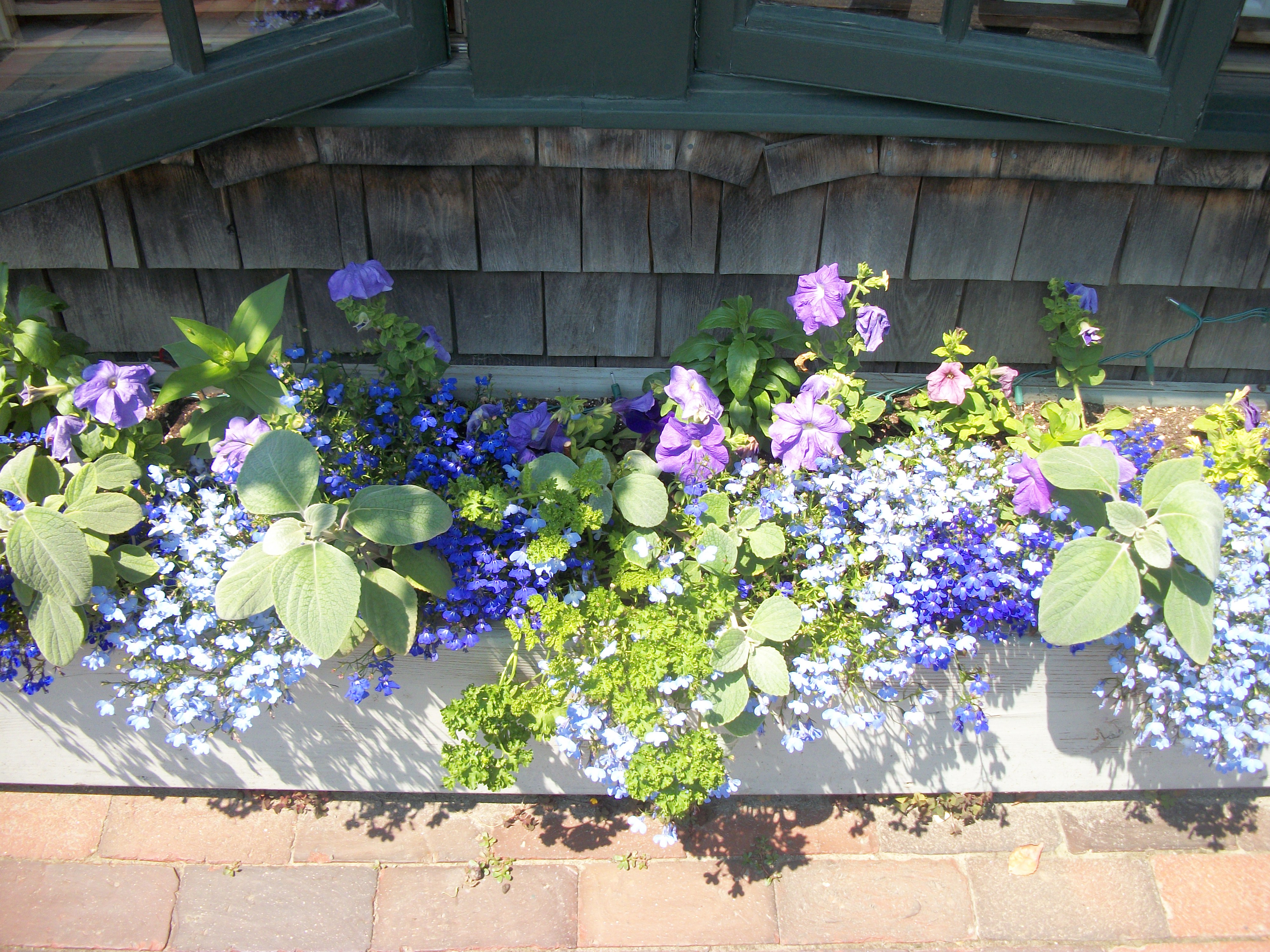
Maine has such beautiful gardens and flowers.  The window boxes in town are gorgeous.  Here are two from around the Waterfront restaurant.  I loved all the blues in this box, which is low to the ground.

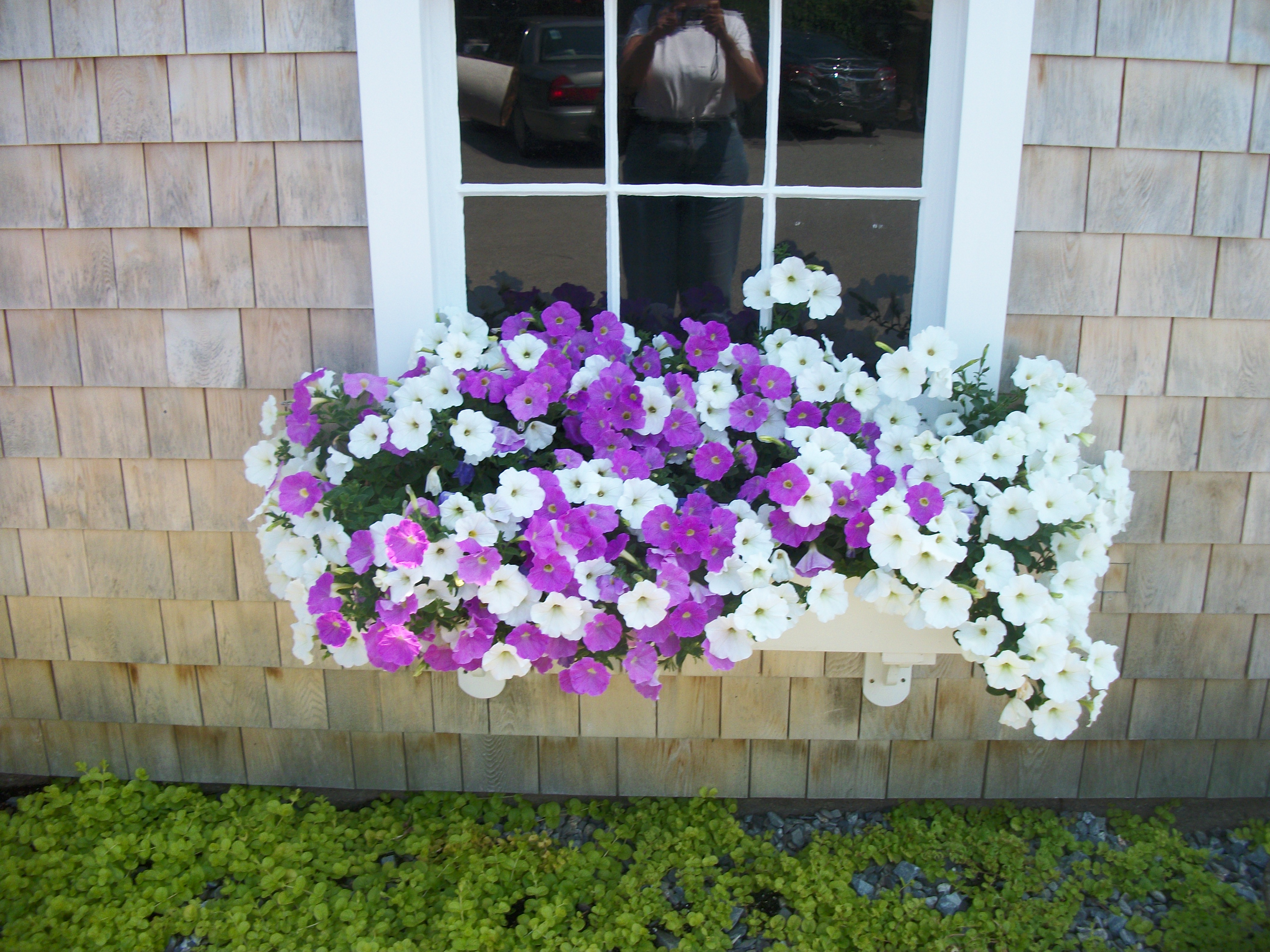
And this one is very typical of the kind of lush growth we have.

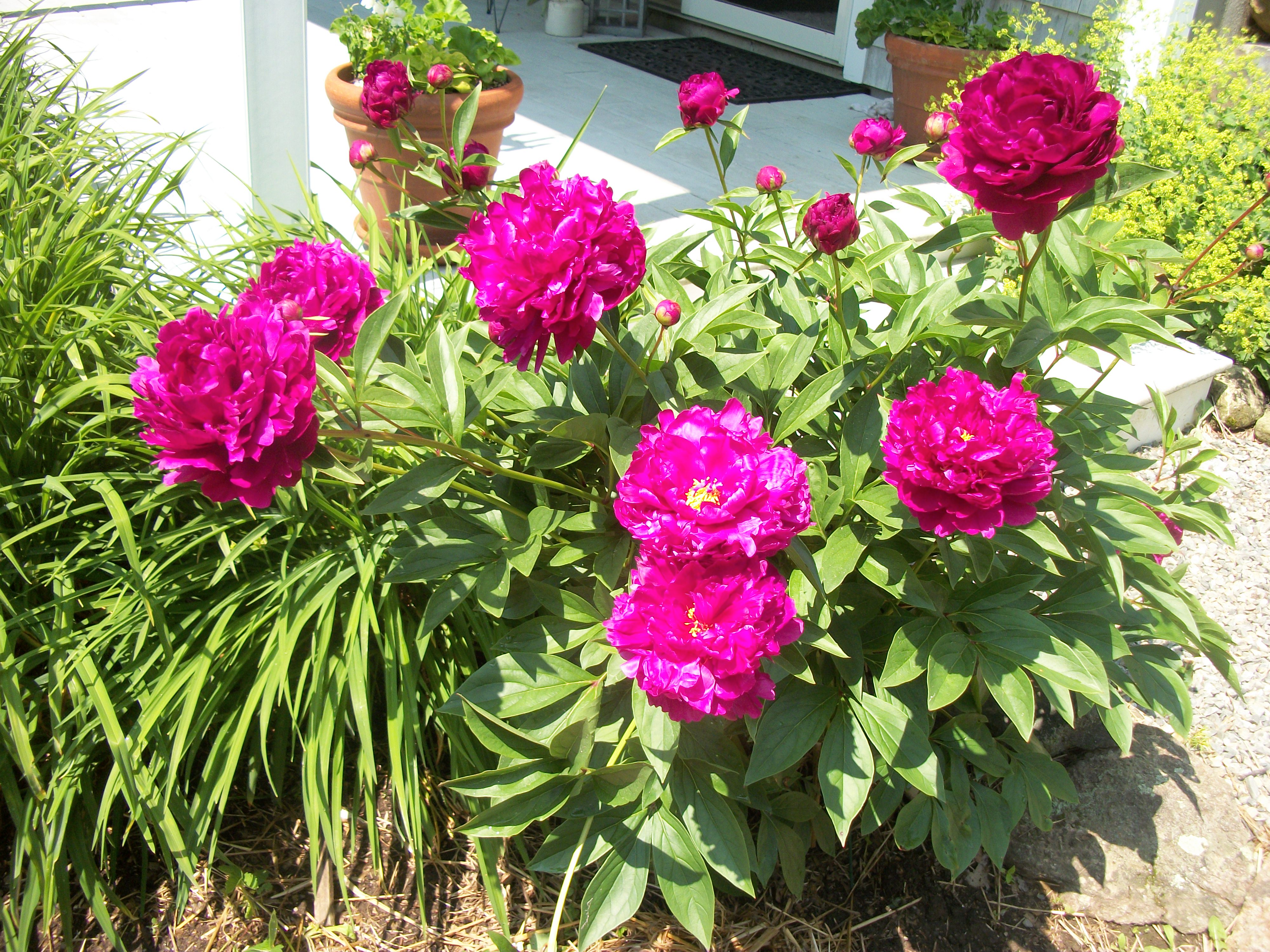
The peonies were gorgeous this year.  We actually got to enjoy them before a rainstorm shattered them–a first in the past few years.  Here’s a clump of them on the walkway to the porch.

 So, on that note, I’ll close out this entry.

Turkey Tracks: Fairy Houses of Maine

Turkey Tracks:  July 1, 2012

Fairy Houses Of Maine


Fairy Houses are a big deal in Maine.

I first saw them nine years ago out on Monhegan Island–just scattered about as people had built them along island paths.

Boothbay Gardens–a beautiful place–has a fairy house section now.  Boothbay Gardens are new in the past five years or so and are well worth visiting.

There are books now:  Liza Gardner Walsh’s FAIRY HOUSE HANDBOOK came out this year (Downeast Books).  There are others, like Downeast’s FAIRY HOUSES OF THE MAINE COAST.

My granddaughters and I love to collect materials–which usually involves a long walk and filling up bags with flora and fauna–and then they are happy for several hours building and building.  The grandsons have been known to get involved, bringing tool chests with them.

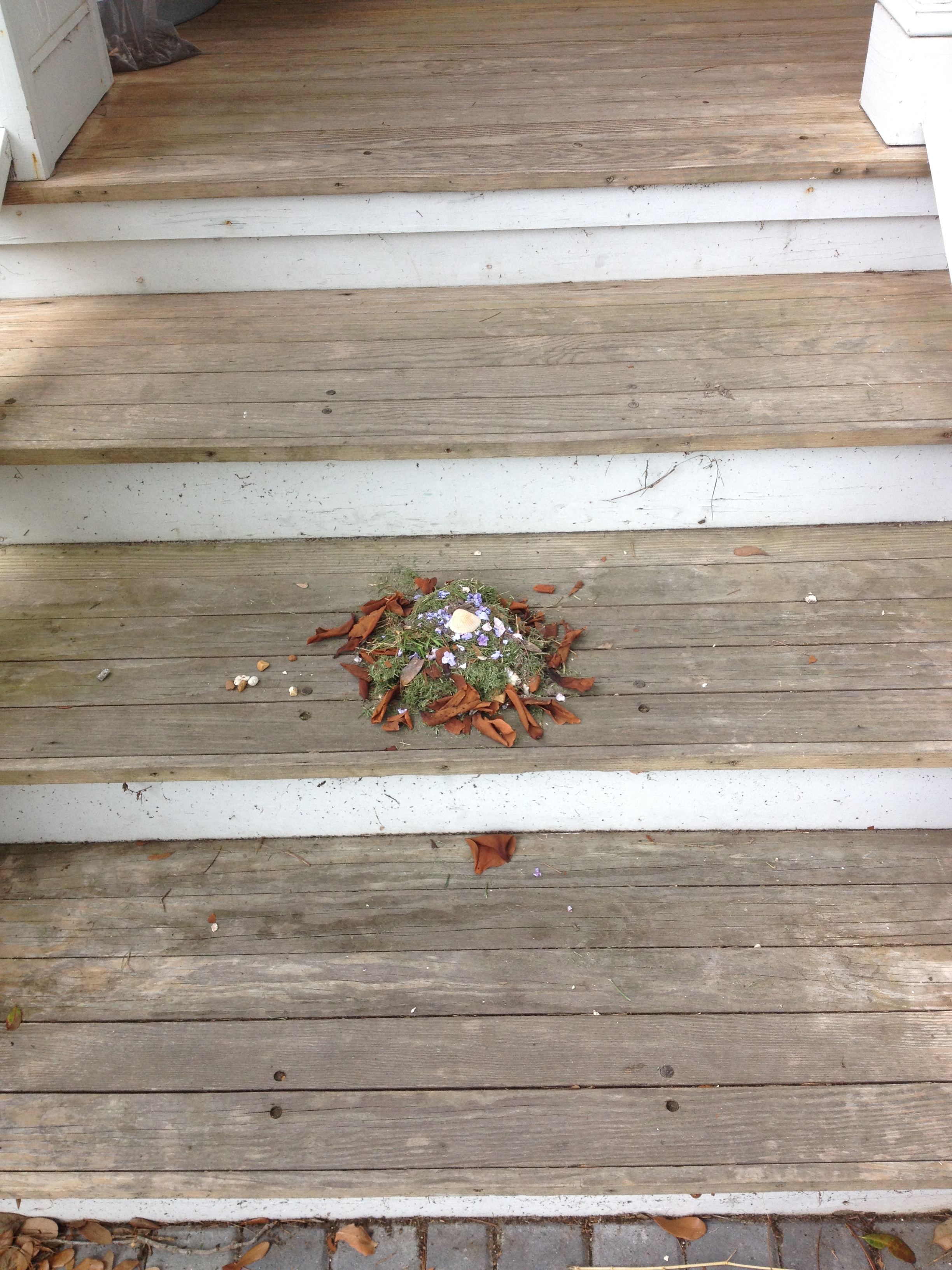
On our May visit to Charleston, we took a book on fairy houses and spent a few happy hours collecting and building.  Shortly after we left, son Mike went out to the yard early one morning with his coffee and found one of these–among many more all along the pathway beyond these stairs.

Did the children make this house…

Or, did the fairies…

Having discovered a house where fairies are welcomed…

Turkey Tracks: Hope’s Edge: First Pick-up of Season

Turkey Tracks:  June 25, 2012

Hope’s Edge:  First Pick-up of Season

Last Friday was our first pick-up of the season at our Community Shared Agriculture (CSA) farm, Hope’s Edge–where we have been members for at least 7 years.

The first day of visiting the farm is always such a pleasure.  We get to say hello to old friends and get and give lots of  hugs.  We get to savor what is one of my favorite places on this earth.

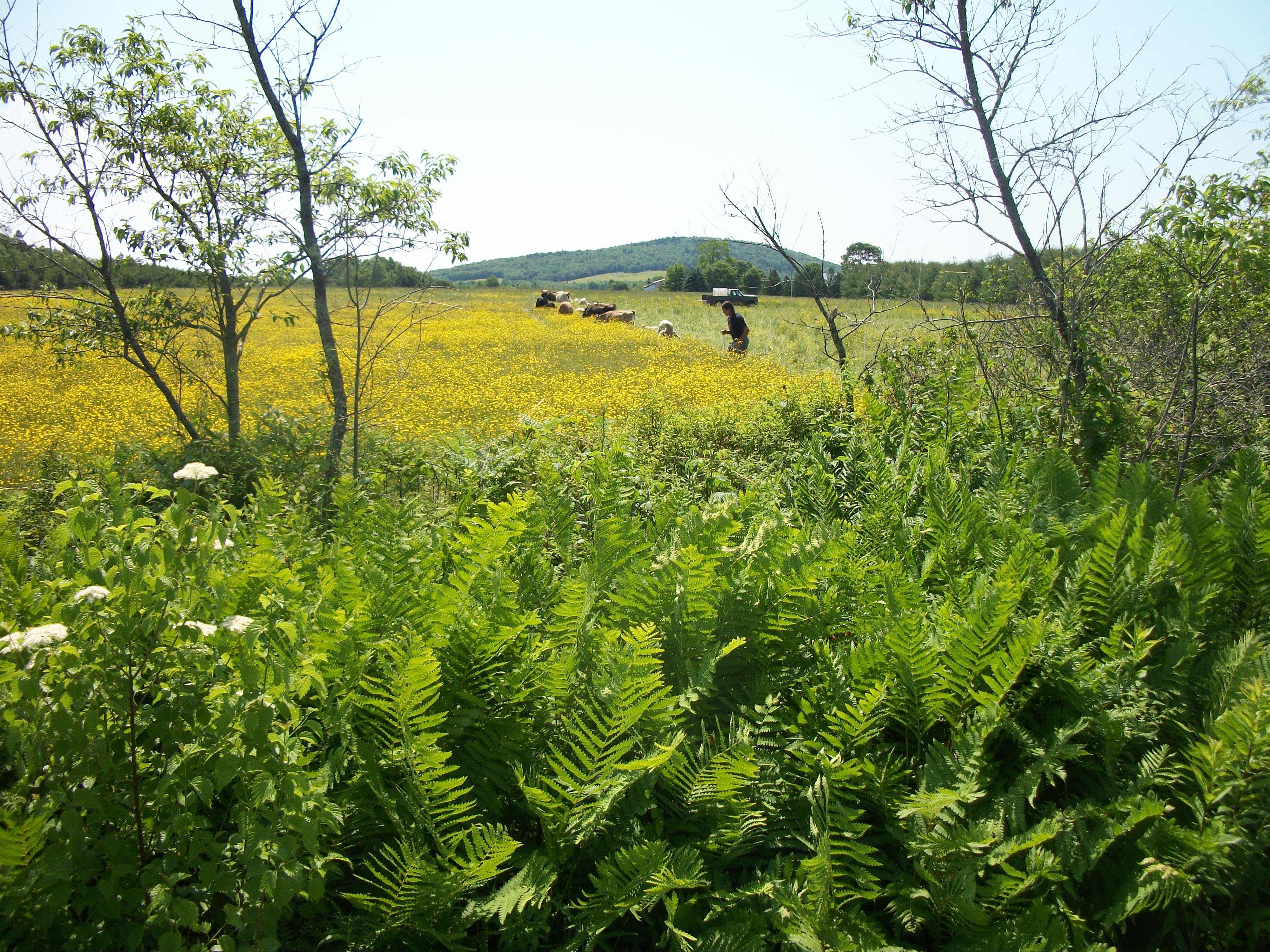
Here’s a picture from the road–of the growing herd of milk cows and sheep being moved into a new pasture area.  Hope’s Edge is down a road running along the right side of this field of buttercups.  You can see that the cows have grazed the right side of this field and are now being moved onto the buttercups.  Their milk will be absolutely delicious after this treat–and the butter will be a deep yellow color.

This year we are also doing a cheese CSA from Appleton Creamery, and we pick up at Hope’s Edge.  Our first week’s cheeses are beyond delicious!  So, with Cheryl Wixson’s Kitchens CSA (products she cooks using organic foods, like great tomato sauces, jams, pickles, sauces), we are up to THREE CSAs now.

Turkey Tracks: No No Penny’s Skull

Turkey Tracks:  June 23, 2012

No No Penny’s Skull

The Maine woods are now summer dark–closed in, dense with ferns, mysterious.  Sometimes, as trees blow in a breeze, the sun penetrates along paths, dappling them, beckoning one to enter…

I’ve been out in the yard weeding, weeding, planting, seeding, watering, enjoying.  I have not been hiking once this summer.

No No Penny divides her time between staying near me, fruitlessly trapping chipmunks in the rocks, and patrolling our woods.  She’s the only thing that stands between the chickens and racoon, skunk, coyote, fox, and, yes, a bear has been sighted near our house.

A few days ago, she dragged in this skull:

Here’s the inside:

The teeth are VERY sharp.  Here’s a close-up shot:

I’m thinking it’s a deer skull.  Deers, I think, would need grinding teeth this sharp to eat evergreen branches in the winter…  And, it’s the right size.

What do you think?

In any case, the grandchildren will have fun bleaching it out when they come.  I’m sure it will find its way to Isle of Palms, like the deer antlers we found in the yard…

Turkey Tracks: I Finished It!!!

Turkey Tracks:  June 21, 2012

I Finished It!!!

And I already miss making it and watching the diamonds shape…

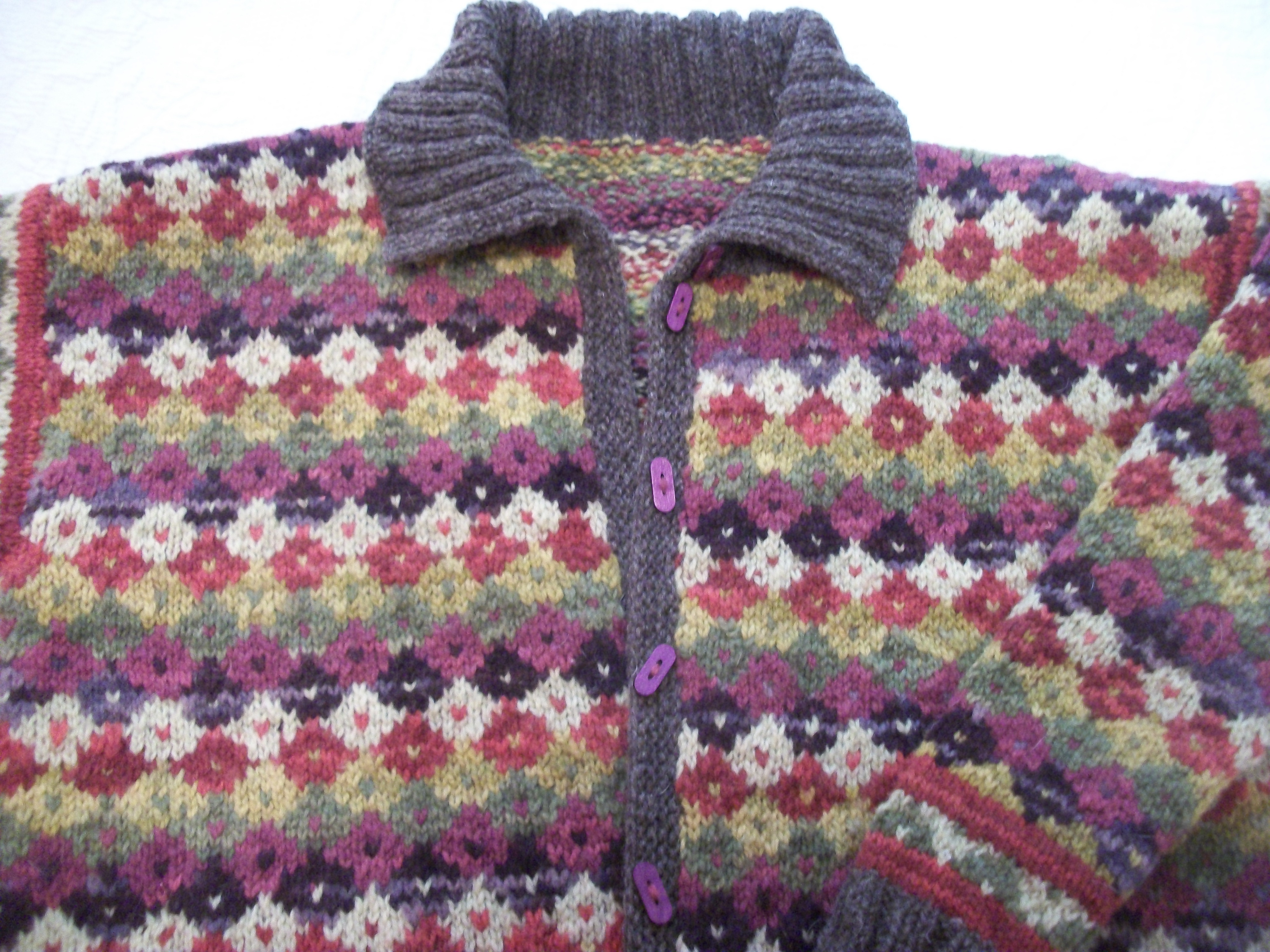
To recap earlier entries on this sweater (click on knitting on the right sidebar or search for Romney Ridge Farm), I met Kelly Corbett of Romney Ridge Farm and Aloisia Pollack at the Maine Organic Farmers and Growers Association “Common Ground” Fair last fall.  Aloisia had made a sweater out of Kelly’s beautiful yarns, and I was instantly captivated.   Aloisia taught me and Giovanna McCarthy how to do the pattern and showed me how to make a cardigan from the pullover pattern.  I added the big collar, as I thought the sweater needed to be really grounded what with all that pattern and color.  And, Helen of Heavenly Socks in Belfast suggested these buttons, which I also really like and would not have found on my own.

The greyish yarn of the collar, front bands, etc., is the natural color of one of Kelly’s sheep.  The rest she dyes herself, and the colors are shaded and glow in the sweater.   You can see the shading in the dark purple yarn really well…

Here’s a close-up of the bottom of the sweater–and yes, the color lines do match up as the body was knit on round needles.

Giovanna used the narrower, two-color bands Aloisia’s pattern employed, and I think they make the sweater lighter–as you will see when she finished hers.

I have so enjoyed this project and working with these beautiful yarns.

Turkey Tracks: Bug Mystery Solved–a Spittle Bug

Turkey Tracks:  June 19, 2012

Bug Mystery Solved–A Spittle Bug

When we were in Charleston, Kelly and Talula were deep into observing local bugs–which if you know me at all, you know their interest delighted me totally.

“Have you seen a Love Bug, Lovey?” they asked.

I had no idea what a Love Bug was, so we went to view one.  After coming through the grass for a bit, they turned up this little beetle-like bug, which was black with orange stripes and about 1/4-inch long.

We searched every way I knew on the internet–under beetle.  I didn’t think of searching bug.  But, could not find an image matching this creature.

A few days later, Tami identified it while reading her Master Gardeners course book. “It’s a Spittle Bug,” she said.  And the nymph form is bright green and makes itself a ball of surrounding spit.

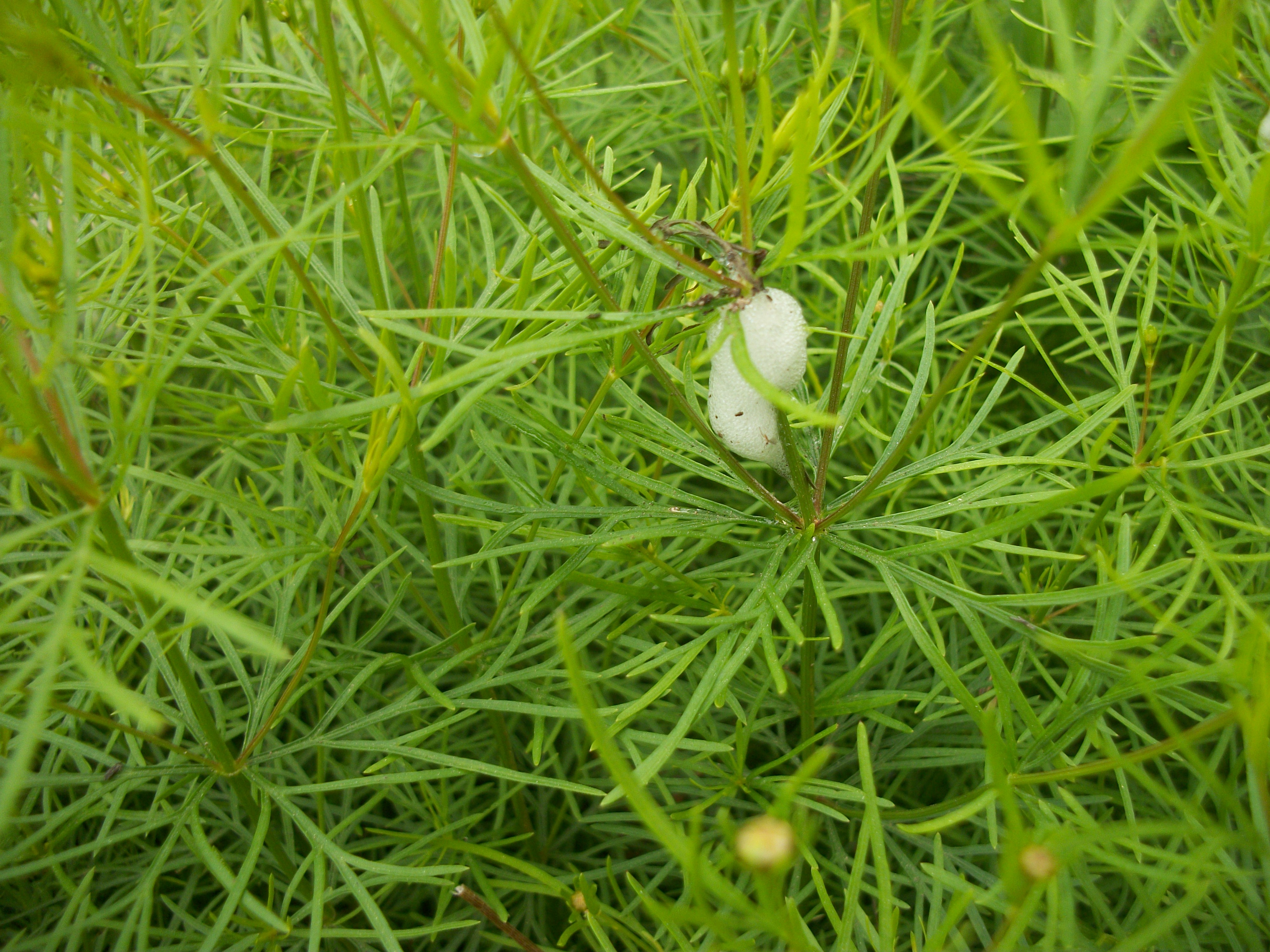
A flashlight went off in my head.  I have those spit balls in my garden here in Maine.  Here’s a ball of spittle bubbles on a Tickseed plant.

When you uncoat it, the little green nymph appears.

And walks around on our hand…

Don!’t you love the intricacy of bugs!

PS:  Tami says these guys don’t do much major damage and that if you have a lot in your grass, something is “off,” like too much or too little water.  I don’t really know what they mean in a flower garden–they don’t seem to get into the veggies.  But I have about a dozen spittle balls at any one time…

Now I need to see what the difference is between a bug and a beetle…

Turkey Tracks: Black Kettle Farm Barn Dance, Essex, NY

Turkey Tracks:  June 15, 2012

This is Part 4–and the final entry–of an ongoing entry, scroll down for the beginning…

Black Kettle Farm Barn Dance

After leaving Kristin Kimball and Essex Farm (read THE DIRTY LIFE by Kristin), we went back to the Essex Inn, regrouped, had tea on the porch, and set out for a local fundraiser for a local Waldorf School held at Black Kettle Farm–dinner and square dancing.

Wow!  Here was a whole community–people of all ages–all gathered together to have some fun and to raise some money for a good cause.

Dinner was served outside this amazing, gorgeous, wonderful barn–a barn with a wooden floor and a soaring roof–and it was all local food that people had made for this event.

Tables were set up inside the barn for eating.  Musicians were gathering at one end of the barn, and we could see at least two fiddlers–one of whom had an adoring dog with him who never left his side all night long.  A silent auction has some really amazing items–one a quilt from a local artist, another a HUGE basket of many Mason jars of homemade jams, pickles, and so forth

After eating, people rose to put away tables and chairs and the dancing began–starting with the children, who were patiently taught several dances by their parents and a square dance caller.

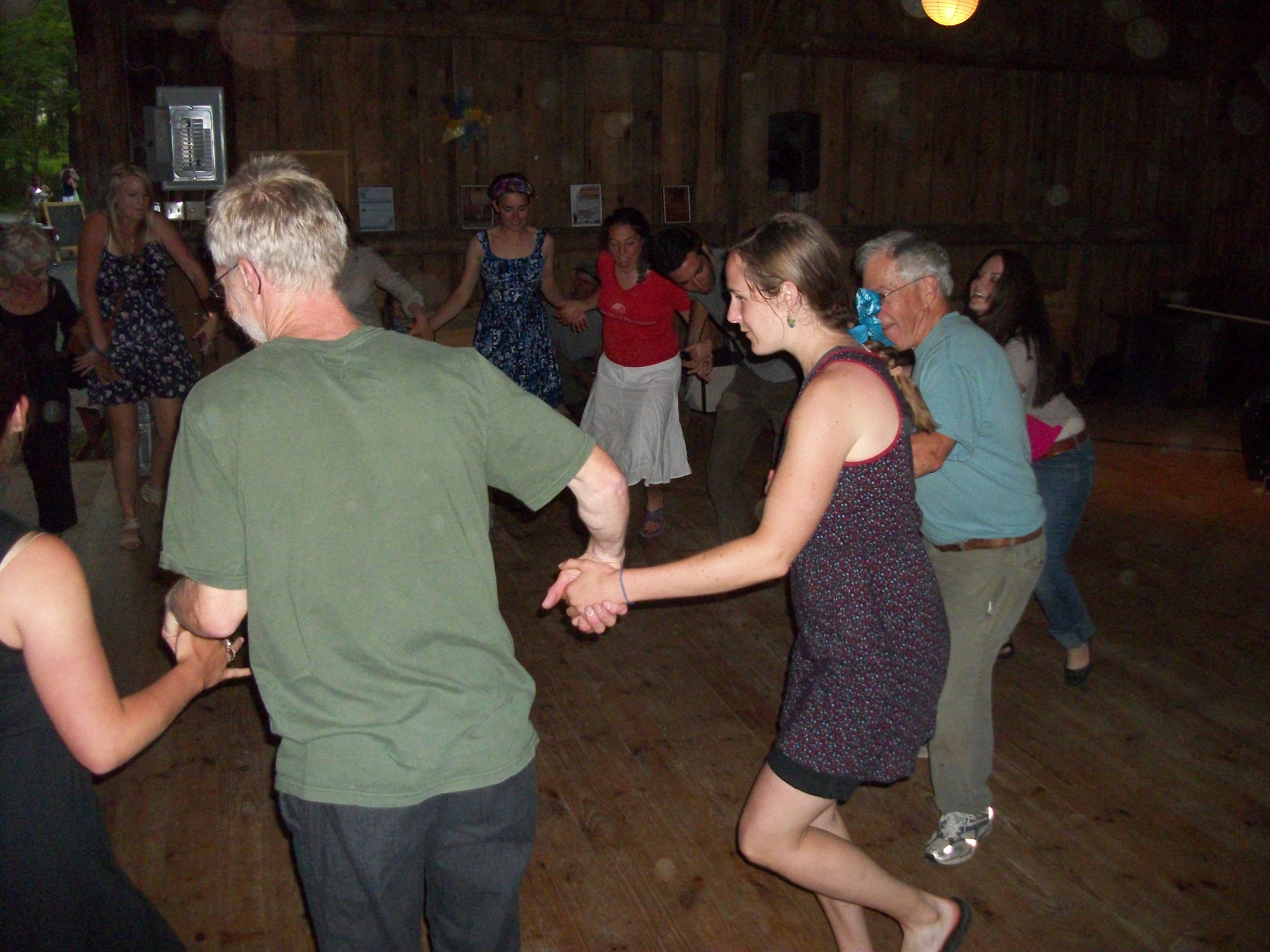
Then the real dancing began.  There were at least three sets of circles–and sometimes lines–depending on the dance being called–and as darkness fell, the energy in the barn reached whole new heights.  Dancers of all ages whirled and twirled and laughed and moved–sometimes so fast you could hardly see them.  Here’s a very tame picture of one dance.

A group of foreign students appeared and were immediately pulled into one of the rings.  The students caught on quickly and were soon laughing and…yes…sweating–for there is a lot of movement in this kind of dancing.

We called it a night about 9 p.m., but it was plain that the dancing would go on for some time to come.

We had breakfast with Tara on Sunday morning at the Essex Inn–before we went our separate ways.  We would drive home to Maine, and Tara would drive back to Accord, finishing packing, and on Tuesday, head to Charleston, SC, to start her own farm.  As I write, I know she and Leighton have arrived, the animals made the trip ok, the small barn is up, the fencing in place, and our son Mike’s family will take food to them tonight.

As we boarded the ferry,  here was our view:

The White Mountains beckoned, and Maine and home awaited us.

We need a year-round CSA in Maine!