Turkey Tracks: Shine On

Turkey Tracks:  March 18, 2013

Shine On

A year before John died, my quilting chapter, Coastal Quilters, of Camden, Maine, brought us the most beautiful quilt.

“We are bringing you lots of hugs,” they said.

And, we felt each and every one of those hugs over the next year.  Some, many times over.

I called the quilt “Shine On” because it is a heritage quilt that will be passed on to a grandchild and will carry with it all the hugs and love that reside in its depths.   This quilt glows with light and warmth and will always “Shine On” down through the years with its beautiful colors and memories.

Here is a picture I took of it on my bed upstairs, where I take a picture of all the quilts.

Shine On edited

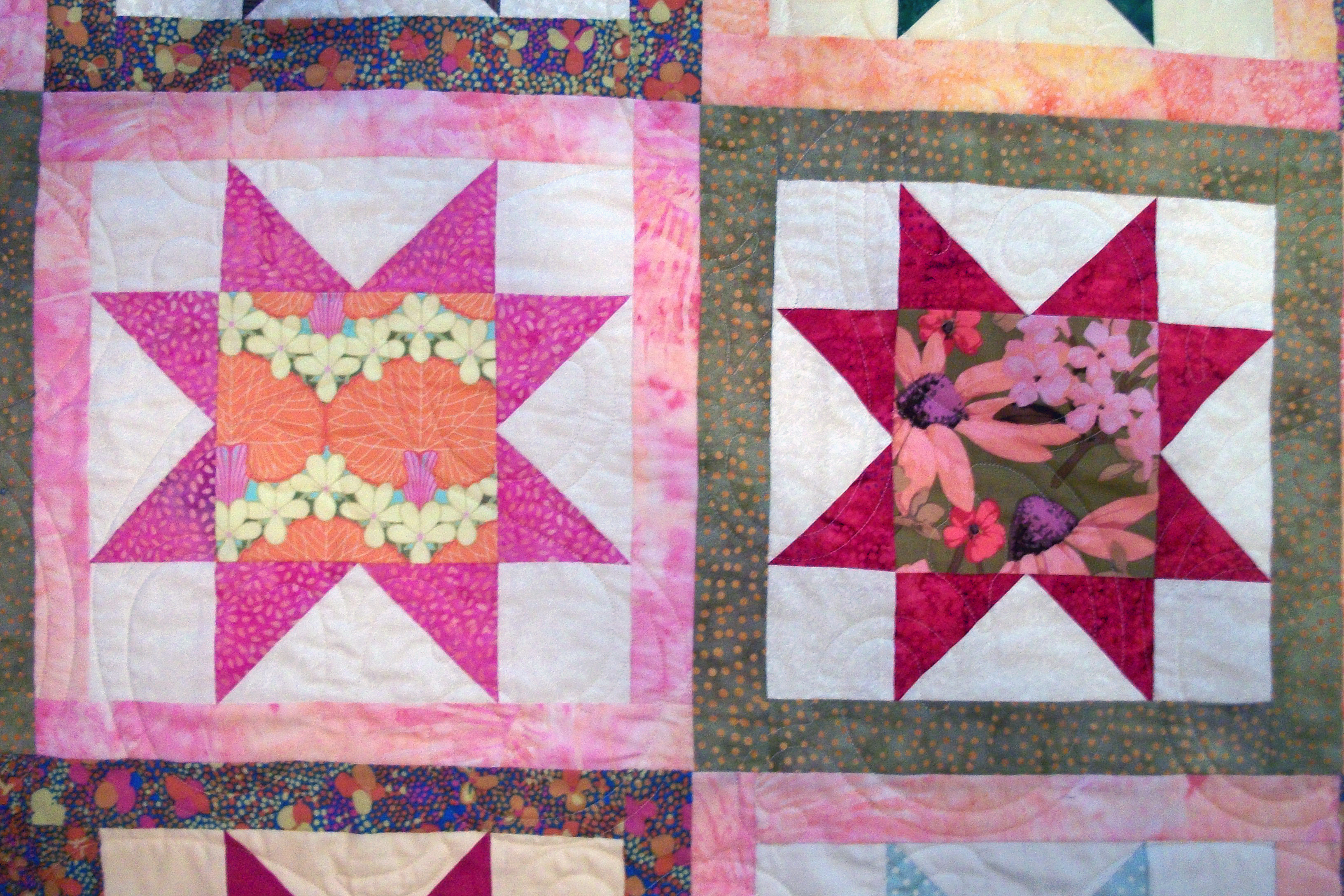
Here is a close-up of two of the many beautiful blocks that so many in the Coastal Quilters chapter made.

Shine on blocks edited

Here is a picture of the border fabric and the binding, each put on by Sarah Ann Smith, whose blog link is on the right sidebar.  Sarah designed the quilt; bought, washed, and ironed the fabrics; made kits for each interested quilter; squared up the blocks; and  assembled the quilt.  The quilting was done by Marge Hallowell’s Mainely Quilting in Nobleboro and is beautiful.  Marge also donated the batting for the quilt.

Shine On border

Here is a picture of the label, made by Barb Melchiskey:

Shine On label

And here is a picture of the downstairs room that son Mike and I put together for John for the day when he could not manage the stairs any more.  This room was formerly John’s office, so we thought he would be close to his computer as well.

Shine On on John's bed

John never made it to this bed, choosing instead to die in his own bed and in his own time.  And now I spend a lot of time in this room.  I’ve moved my computer down here.  And my quilting and research books.  And my quilting supplies are now in this closet.

The quilt speaks to me as I pass it many times each day, reminding me of all the love and the many hugs it holds.  For it “shines on.”

Turkey Tracks: Garden Promises

Turkey Tracks:  March 18, 2013

Garden Promises

We are getting “plowable” snow tonight and all day tomorrow.

You’d never know it as it is a sunshiny day today.

Last summer I went around the yard and took pictures of all our garden decorations.  We have way more than I would have thought as neither I nor John like overly decorated yard stuff.

Anyway, I’ve saved the pics for a day just like today, when we are expecting a big snow storm and can’t quite imagine what the yard looks like during summer.

For instance, this porch now has two feet of snow on it–which was melting away until we got our present cold snap.

Garden dec

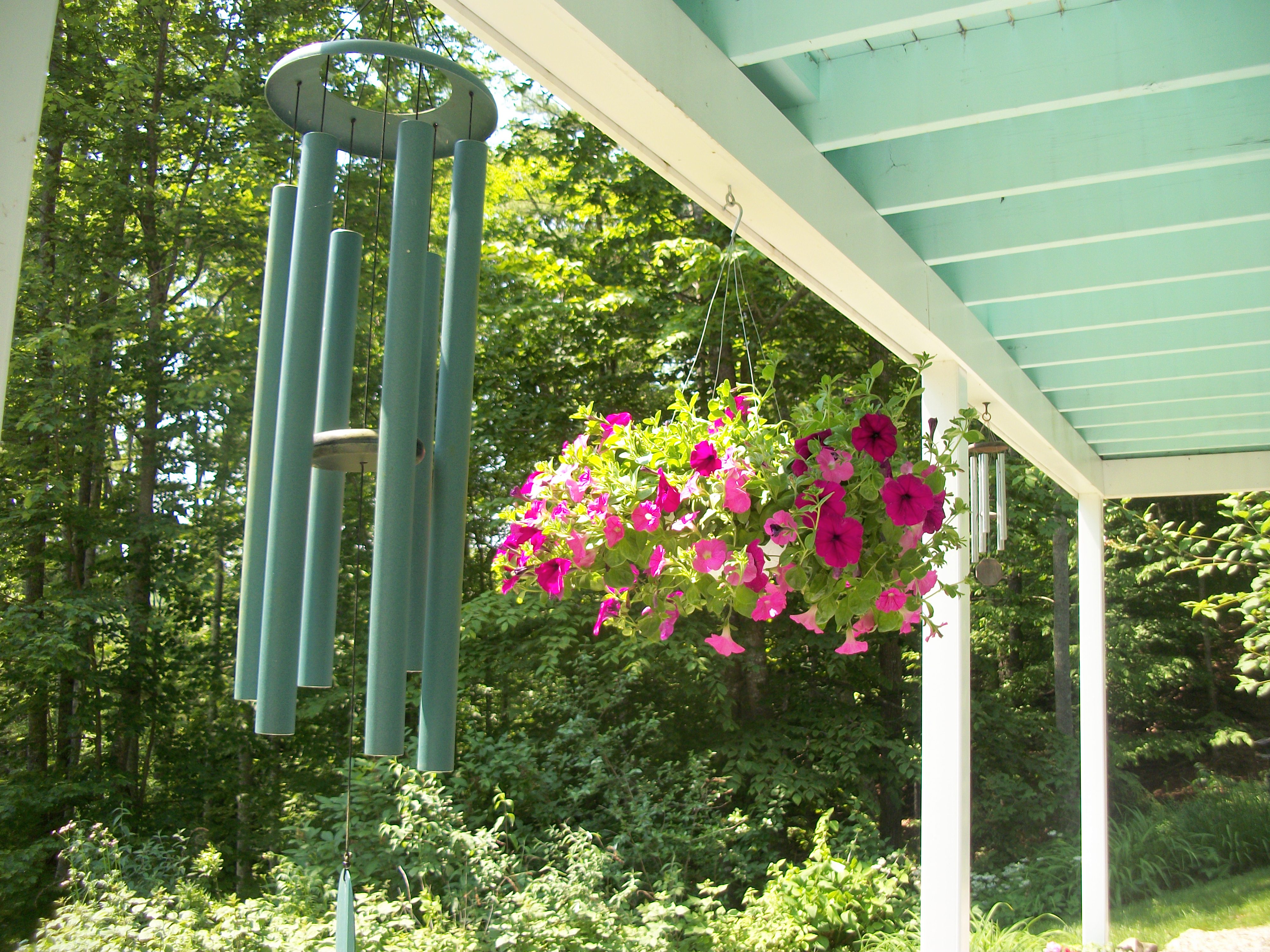
I love wind chimes and have them hanging all over the place.  They sing to us all summer.  This hanging plant was so beautiful this past summer.  At dusk, in the quiet heat, it perfumed the whole porch.  John loved sitting on this porch the most of all.

Garden decorations 1

John and I both say the dragonfly one day in Renys, and without a word between us, it went into the basket to come home.  The dragonfly is my artistic sign.  Were I to start selling quilts, they would be “Lovey Dragonfly Quilts.”

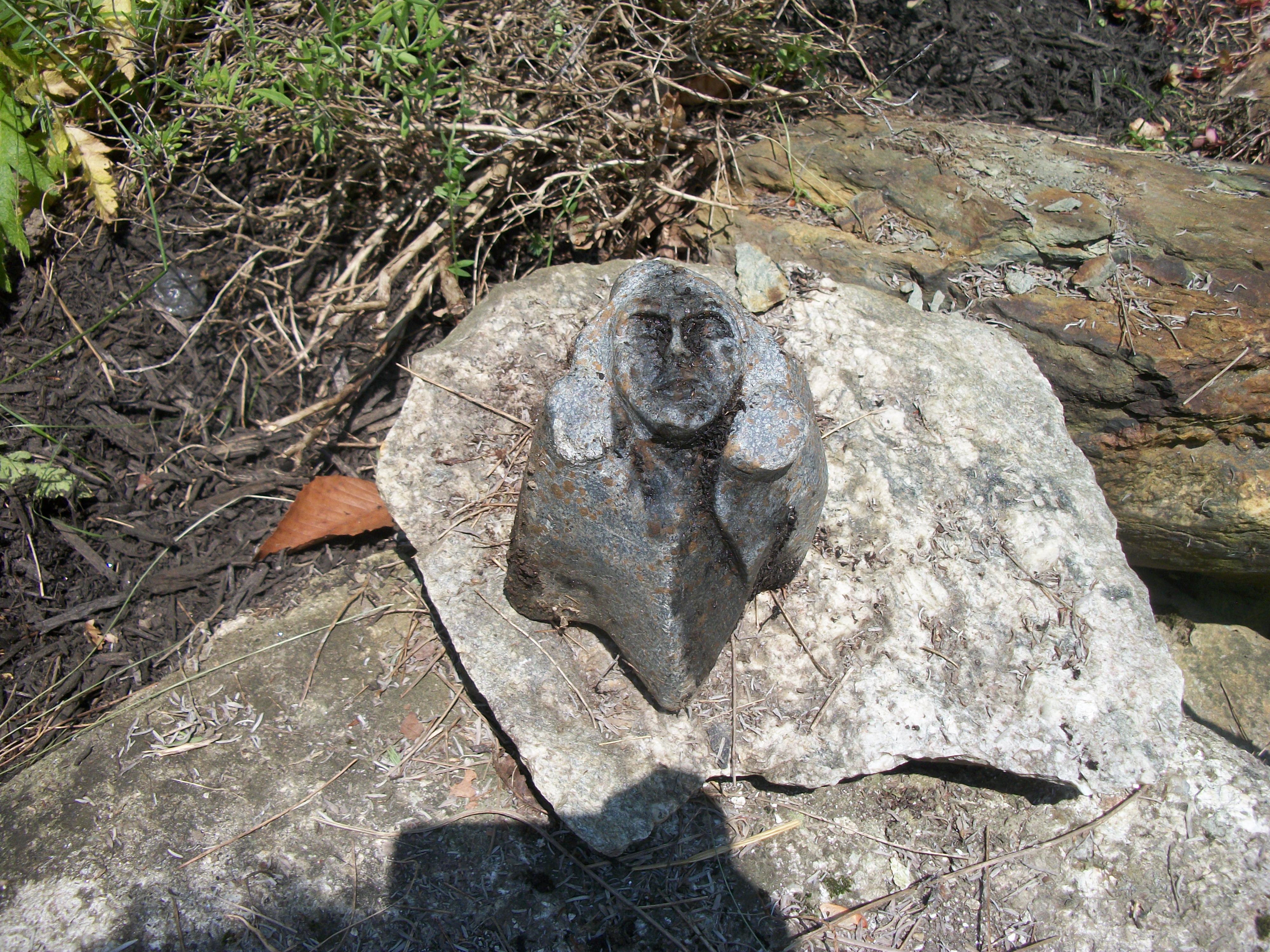
The rock woman came from our hillside.  She was waiting to be showcased in this place where she now lives.

Garden decorations 2

Bedo was a present to John from me back in Virginia.  The story is that the real Bedo was made by a little girl for the Notre Dame cathedral roof in Paris.  He keeps watch over our driveway all summer.

Garden decorations 3

All across New England, people hang stars of various sizes and colors on barns and houses.  For no message or reason that we’ve ever been able to discern.  Everyone just likes them.  And, they are happy, aren’t they?  That’s a metal butterfly to the left of the left garage door.  I forget what is usually on the right side and will remember when I start bringing out the decorations in the spring.

Garden decorations 4

The children gave John this bench one father’s day.  We would often have a mug of tea together while sitting on this bench and admiring the garden in all its stages of development.  This past year we planted all kinds of winter squash in the blue tubs, and they fed us well into the winter.  You can see them just sprouting in this early summer picture.

Garden decorations 5

June Derr sculpted this Indian, and Charlie Derr worked on it as well.  Skywatcher.  He likes Maine a lot a there is no ambient light to keep one from seeing ALL the stars.  The garden is fenced temporarily to keep the chickens out as they are still loose in the yard.

Garden decorations 6

St. Francis sits in the river birches amidst the Lady’s Mantle.

Garden decorations 7

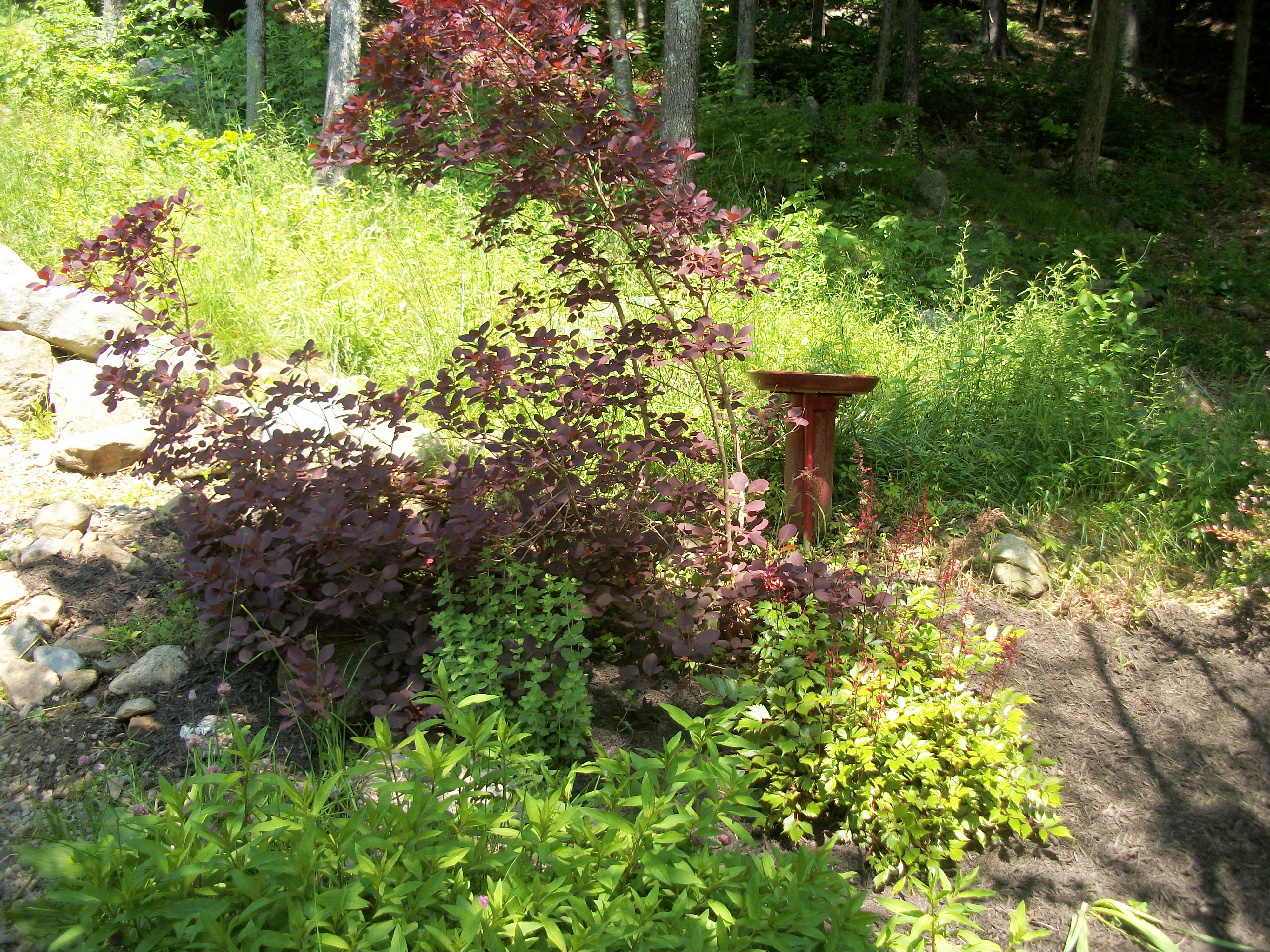
That’s our well pump with the bird bath on top.   Putting the bird bath on the well pump was John’s very clever idea.  The Smoke Tree (purple plant) was planted just after we came nine years ago in June.  Beyond the pump are wild woods going up the hill.

Garden decorations 8

John built the two fences to shield my compost holders, the generator, the propane tanks, and the clothes line.  The red climbing roses are doing very well in this spot we carved out of the gravel and fill dirt.  The blue pot stops the eye from plunging on down the rock wall just beyond it.  And, hopefully, any young grandchild unaware of the drop.  Later I planted nasturtiums in the beds at the foot of the fences.

Garden decorations 9

Bowen, Kelly, Talula, and Wilhelmina made me this rock for my birthday the year after we moved to Maine.  I love it.

Garden decorations 10

So there you have it, a garden pictorial essay when, in Maine, we are yet far from spring.

Turkey Tracks: Wild Turkeys and Chicken Bedding

Turkey Tracks:  March 6, 2013

Wild Turkeys and Chicken Bedding

With all the snow, I’ve had wild turkeys around the house a lot this winter.

There has been a group of males, from five to seven in number, almost every day.  They are hungry.

There was so much snow that I had to put discarded chicken bedding in piles on top of the snow several times this winter.   The snow was just too deep for me to carry the pails further into the edge of the woods where I have a passive compost pile.

That bedding is filled with food that the chickens have “billed out” of their dish.  And, you know what else.

I cleaned out the coop a few days back, and the turkeys were ecstatic.  They will pick at the bedding until there it is pretty much all gone, even the wood shavings.

I took this video this morning.  It isn’t great as the turkeys start to leave the moment they see me.  But, you’ll get some idea.  And you can see how often the snow does not hold their weight.  You will hear my chickens fussing in the background.

Later, the hens came, and the males came with them.  One male spent quite a lot of time fully displaying all his charms.  I will try to get a picture of that one of these days.  It’s actually pretty spectacular.  My knitting group was fascinated, especially with the way the tom’s head turned bright, cobalt blue.

Turkey Tracks: First Video, Snow at Dusk

Turkey Tracks:  March 3, 2013

First Video, Snow at Dusk

Camden, Maine

I’ve upgraded this blog so that it has its own domain:  http://louisaenright.com.

I’ve added the ability to add videos, and I’ve added more memory.

I’ve also been trying to learn how to take a video–on what was John’s fancy android phone, on his bigger camera.

It’s been snowing for the past three or four days, but not sticking.

So, here’s my first video!

Turkey Tracks: Braided Rug Using Sheets

Turkey Tracks:  March 2, 2013

Braided Rug Using Sheets

Not long ago I replaced old sheets.

But I couldn’t bear to throw away the old sheets.

What about a braided rug for the front door?  The rug I have there to catch wet, muddy boots is getting very thin and worn.

I cut the sheets  into 2 1/2 to 3-inch strips using the pinking blade on a rotary cutter.

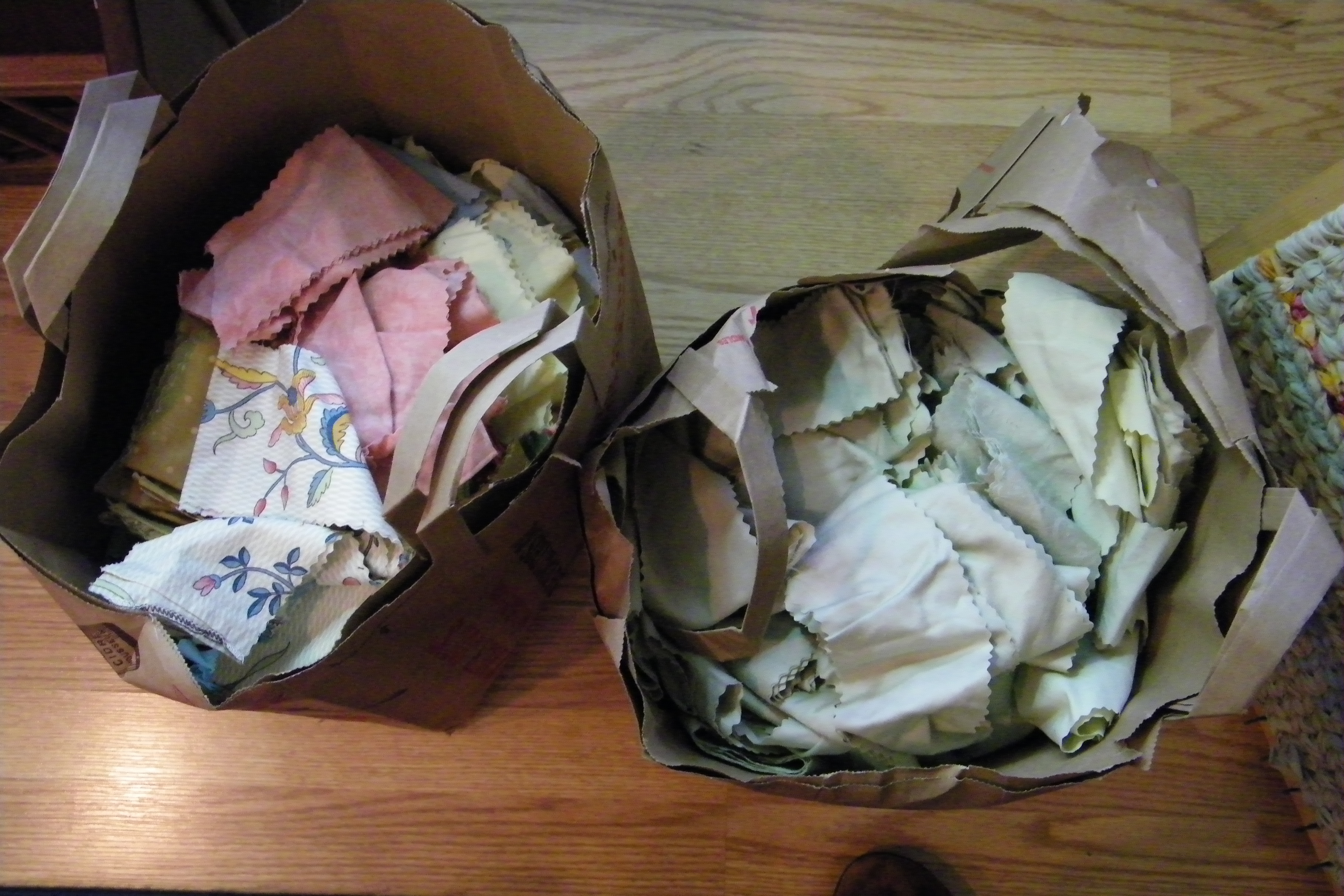
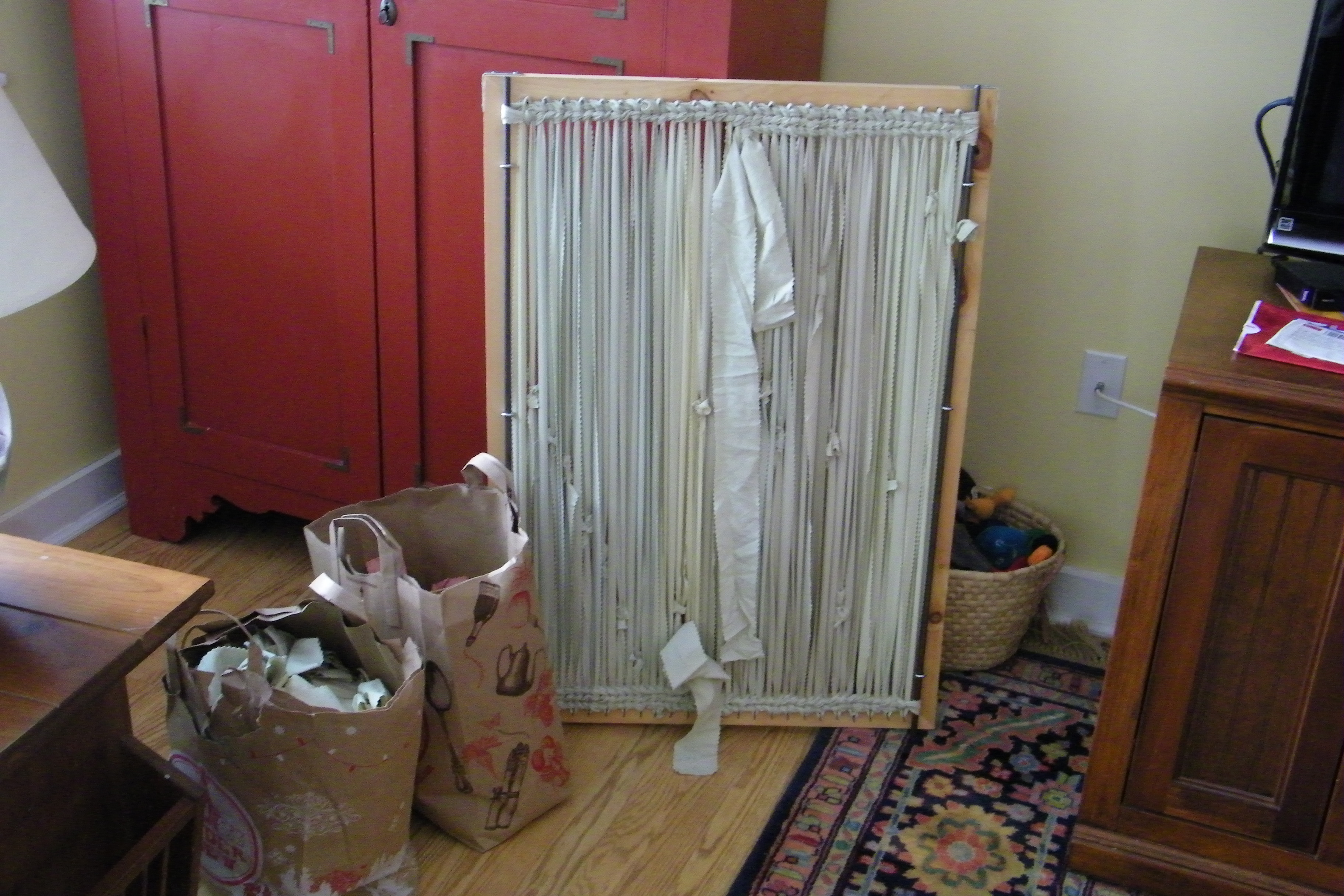
They made A LOT of strips.  Two packed grocery bags full.

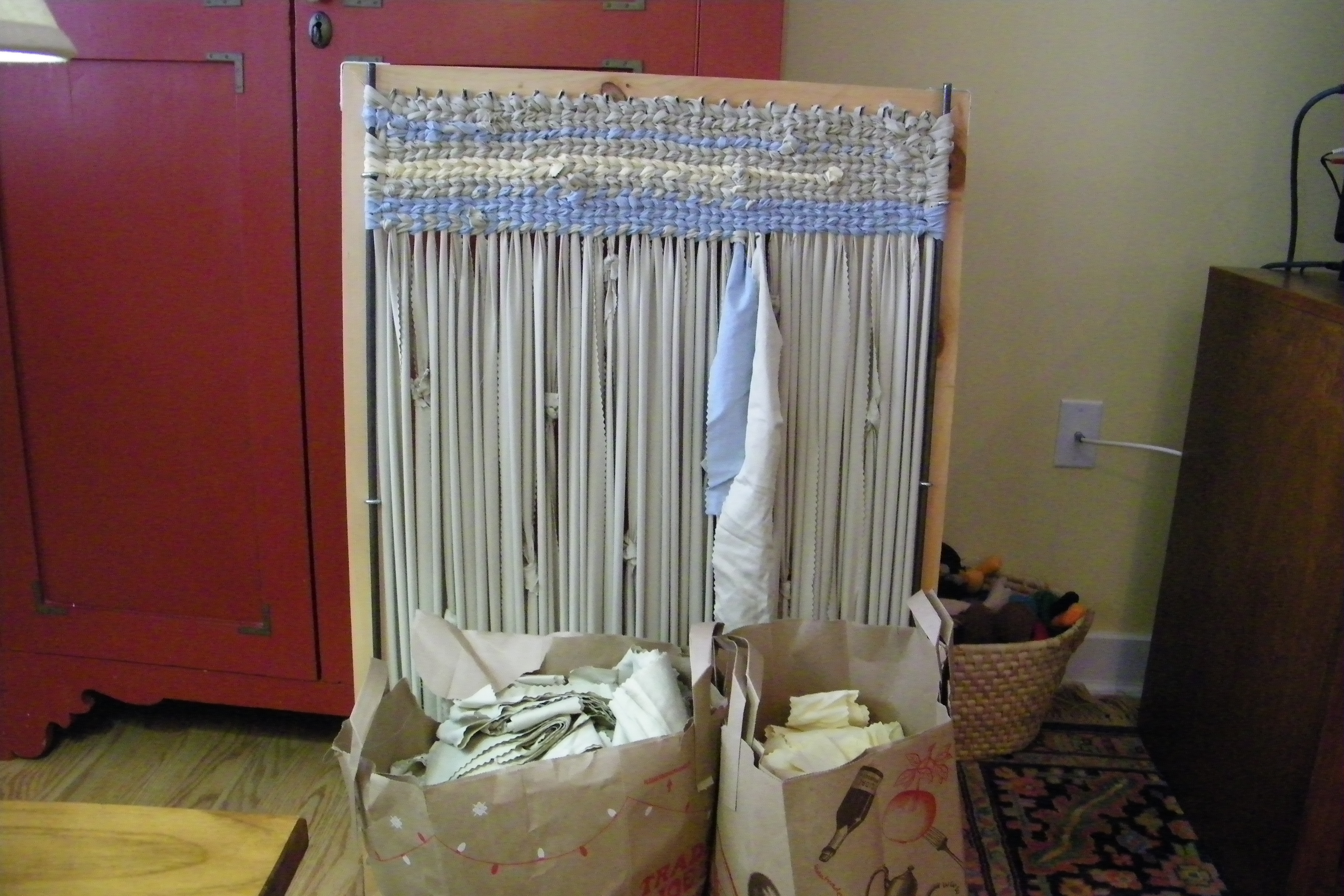
Weeks ago, I dragged out the hand loom and set up the woof strips using the sheet strips.  That sat around for a bit before about 10 days ago.

Here’s the work of one night.   You can see the FULL brown bags.

Rug Sheet project 1

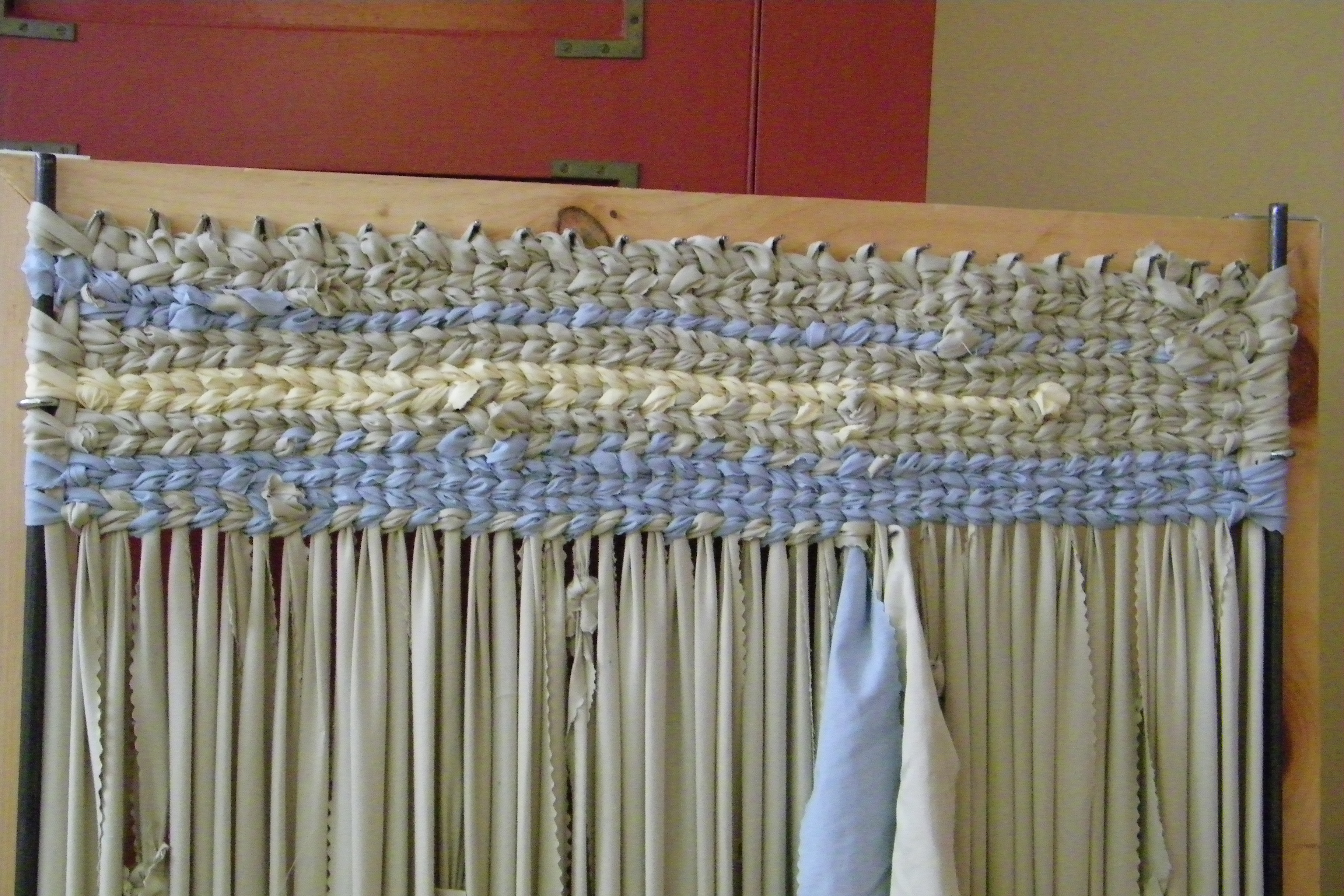
Here’s a close-up of the braiding.  The sheets are packing in tightly, which is nice.

Rug Sheet project 2

I got bored with the plain colors and rummaged around and found some pre-cut strips left over from using them in one of the crocheted rugs.  Aha!  The addition of color made me smile.   These rugs, or placemats, get worked from both ends until you meet in the middle.  Note that the strips in the bags are not diminishing very fast…

Rug Sheet project 3

A little more progress.   Here it is a few nights later.

Rug sheet project 4

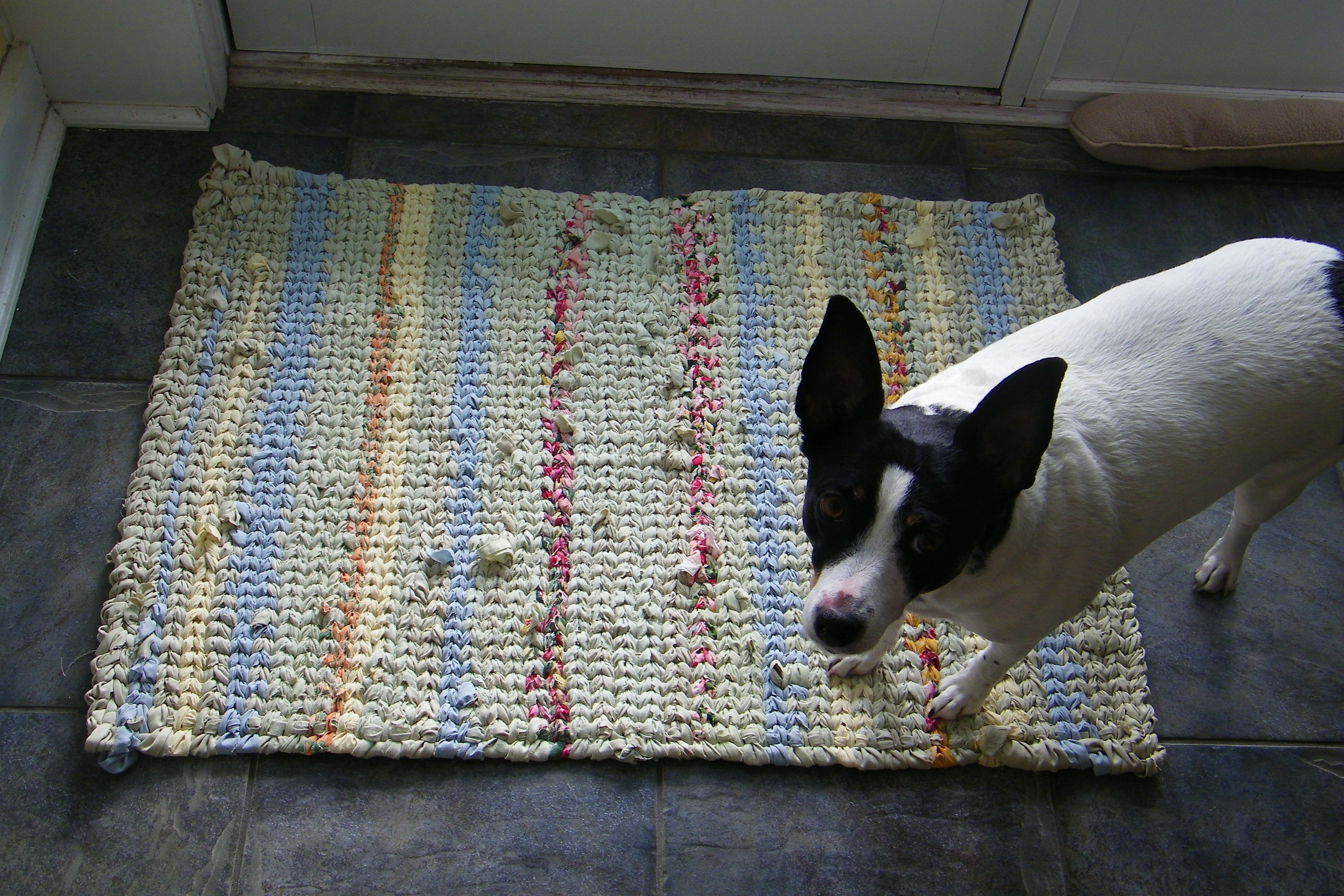
Here’s the rug finished:

rug Sheet Project finished

It looks so nice at the front door.  And, it’s sturdy and will wash well.  The sheet strips are not going to fray much.

But, I still have A LOT of strips:

Rug Sheet Project Leftovers

So, here I go again…

Rug Sheet Project 5

If I have strips after this second rug, I’ll make some placemats on the smaller loom…

Mainely Tipping Points 46: The Good Old Soys

Mainely Tipping Points:  March 2, 2013

Part III:  The Good Old Soys


As established in Part I, my soy expert is Kaayla T. Daniel, PhD, CCN, the author of THE WHOLE SOY STORY:  THE DARK SIDE OF AMERICA’S FAVORITE HEALTH FOOD (2005).  Daniel’s credentials, experience, and extensive research on soy make her an expert.      


* * *

Throughout Asia, Daniel explains, traditionally fermented whole-bean soybean products–miso, tempeh, natto, and soy sauce, or the “good old soys”–are thought to be “digestive aids, potent medicines, powerful energizers, stamina builders and longevity elixirs” (47). 

Soybeans contain a dangerous set of chemicals that must be neutralized, and the only way to partially defang these chemicals is through traditional fermentation.  Modern industrial methods have never accomplished this task and have, in fact, introduced new dangers.  Note that tofu is not fermented. 

Traditional fermentation can take months or years to complete, and the results, writes Daniel, “bear little or no resemblance to the modern soybean products promoted by the soy industry and sold in the American grocery stores.  Further, Asians simply do not eat any soybean products in great quantity.  They are used in small amounts as condiments or seasonings, not as main courses, and rarely more than once a day.  Even with the finest organic and perfectly prepared soybeans, the lesson is, `Less is more’ “(53).  

Daniel’s quick list illustrates what is at stake when eating untreated soybeans.  Soy is one of the top eight allergens.  Its goitrogens damage the thyroid.  Its lectins cause red blood cells to clump together and may cause immune system reactions.  Its oligosaccharides cause bloating and flatulence.  Its oxalates prevent proper absorption of calcium and have been liked to kidney stones and a painful disease known as vulvodynia.  Its phytates impair absorption of minerals such as zinc, iron, and calcium.  Its isoflavones are phytoestrogens that act like hormones and affect the reproductive and nervous systems.  Its protease inhibitors interfere with digestive enzymes, leading to gastric distress, poor protein digestion and an overworked pancreas.  Its saponins bind with bile, which can lower cholesterol (not a good thing here) and can damage the intestinal lining (38-39).     

People use soy as a protein replacement strategy.  But, writes Daniel, even “fermented soyfoods are not ideal sources of proteins.”  Human bodies have “more than 50,000 types of proteins, all built from the building blocks known as amino acids.  Nine of these amino acids are considered `essential’ for humans because we cannot manufacture them on our own and must obtain them from the diet.  If the `essential’ amino acids are present in sufficient quantities, we can build the `non-essential’ amino acids.  But if one or more are missing or low in quantity, the body will fail to synthesize many of the enzymes, antibodies and other proteins it needs” (153-154). 

Animal proteins (eggs, milk, fish, meat) contain a “ `complete’ set of the essential amino acids in desirable proportions.”  Plant proteins are “incomplete” because they are “low in some of the essential amino acids.”  Soybeans and other legumes are low methionine.  And  grains are low in lysine.  Thus, in most traditional cultures, beans and rice are combined and served with small amounts of animal foods to insure sufficient protein intake.  Soybeans are often fermented with a grain (50-51, 154).   

Daniel cautions that the practice of combining beans and grains to create a complete set of amino acids is vexed since how the food is cooked or industrially processed can affect the protein presence or availability—which gives rise to the statement that not all protein eaten is protein digested and used by the body.  Regardless, it is important to understand that the Net Protein Utilization (NPU) of animal proteins is much higher than any of the plant proteins, and traditionally raised animal protein does not involve ingesting dangerous chemicals (50-51,154).

So, what’s good about traditionally fermented soy products?  The microorganisms and enzymes that form can help prevent disease and can impact food poisoning and dysentery.  The products contain essential fatty acids (EFAs) in undamaged forms.    [Organically grown soybeans are definitely preferable in that many pesticide and fertilizer chemicals accumulate in the fat portion” (173).]  The products are almost never contaminated with aflatoxin—which has “been identified recently as a major problem in modern soy and peanut products” (49-52).

Miso.  Traditionally fermented miso takes from one to three years to make and is the most digestible (90 percent) fermented soy product.  “During aging,” writes Daniel, the bean-rice or bean-barley nuggets turn to paste, while flavors and aromas develop.  The process takes place at the natural temperature of its environment, slowing down in the winter and speeding up in the summer.”  Hundreds of distinct varieties are produced, and none are ever pasteurized (54-55).

American industry started producing pasteurized quick misos around 1960.  These misos are “fermented for three to 21 days in temperature-controlled, heated environments.  To improve flavor, aroma and appearance, sweeteners (usually sugar or caramel syrup), bleaches, sorbic acid preservative, food colorings and MSG are likely to be added (55-56).

Daniel cautions that “the most common quick misos are dehydrated instant powders and dried soup mixes.”  Heat drying deploys 482 degrees F heat, which kills everything, so the freeze drying method is preferred.  Nevertheless, dried miso products contain many additives and are, in essence, fake foods.

Tempeh.  The traditional process for tempeh is much quicker than miso—it’s less than a week.  During the fermentation period, numerous bacteria, yeast, and other microorganisms begin to proliferate on the inoculated, cooked whole beans (57).    

Daniel cautions that “news stories reporting high levels of vitamin B12 in fermented soyfoods—particularly in tempeh—are not usually accurate.  The most common molds used to manufacture tempeh…produce analogues of B12, not the physiologically active forms.  These analogues actually increase the body’s need for B12”(49). 

Natto.   I’ve eaten natto in the home of a Japanese friend more than once.  It’s bitter,  slimy, smelly, and definitely an acquired taste.  Natto is not commercially produced in America. 

Shoyu .  Traditional Japanese soy sauce is fermented for six to eighteen months, using roasted soybeans, roasted cracked wheat, and mold spores.  Tamari is an Americanized term for soy sauce signifying a supposed “natural” product.   

American soy sauce is a chemical brew made in two days or less using  “automation, chemicals, preservatives, pasteurization, artificial colorings, sweeteners and flavor enhancers such as MSG” (58-59). American soy, cautions Daniel, may “also contain dangerous levels of chemicals”:  chloropropanols,  furanones (mutagenic to bacteria, causes DNA damage in lab tests), salsolinol (neurotoxin linked to DNA damage and chromosomal aberrations, Parkinson’s disease, and cancer), and ethyl carbamate (linked to cancer).   

Tofu.  Tofu curd is precipitated from cooked whole beans.  Daniel explains that the “unwanted components….concentrate in the soaking liquid…so they are reduced in quantity, but not completely eliminated” (72).  Silken tofu is made by pouring thick soymilk or soy yogurt directly into a package along with a curdling agent.  This tofu has “more of the unwanted antinutrients” (73). 

In 1999, Lon R. White, MD, a neuro-epidemiologist with the Pacific Health Institute in Honolulu announced results from his longitudinal study of 8,006 Japanese-American men and about 500 of their wives, each of whom ate two or more servings of tofu per week in midlife.  Data showed these folks were “more likely to experience cognitive decline, senile dementia, and brain atrophy later in life than those who ate little or no tofu.”  White thinks that soy isoflavones are impacting the area of the brain involved with learning and memory.  For White, soy phytoestrogens are drugs, not nutrients  (307-308).   

Here in Maine, traditionally fermented soy products can be found at local Co-ops or farmers’ markets. 

Next:  Part IV:  The American Soy Products

Turkey Tracks: Chicken Feed II

Turkey Tracks:  March 2, 2013

Organic Soy-Free Chicken Feed

Green Mountain is now making an organic SOY-FREE pellet for laying hens.

I am ecstatic!!!

Best of all, Rankins, a store here in Camden, Maine, is carrying it.

Here’s the url so you can see the components:  http://www.greenmountainfeeds.com/products/poultry/organic-soy-free-layer-pellets/

It has 1 percent less protein than other mixes, but I give my chickens meat and milk on a regular basis, so that should be ok for me.

Turkey Tracks: New Purse

Turkey Tracks:  February 26, 2013

New Purse

 I really needed a new purse all fall.

Here’s what the handles on the old one looked like by mid-December.

Purse handles

Can you believe that?

So, sometime around Christmas I rummaged through my fabric stash and assembled the ingredients for a new purse.

I got as far as getting all the parts ready to be sewn together.

And, then, John got really sick.

After he died, after everyone left, putting together the purse was a very soothing thing to do.

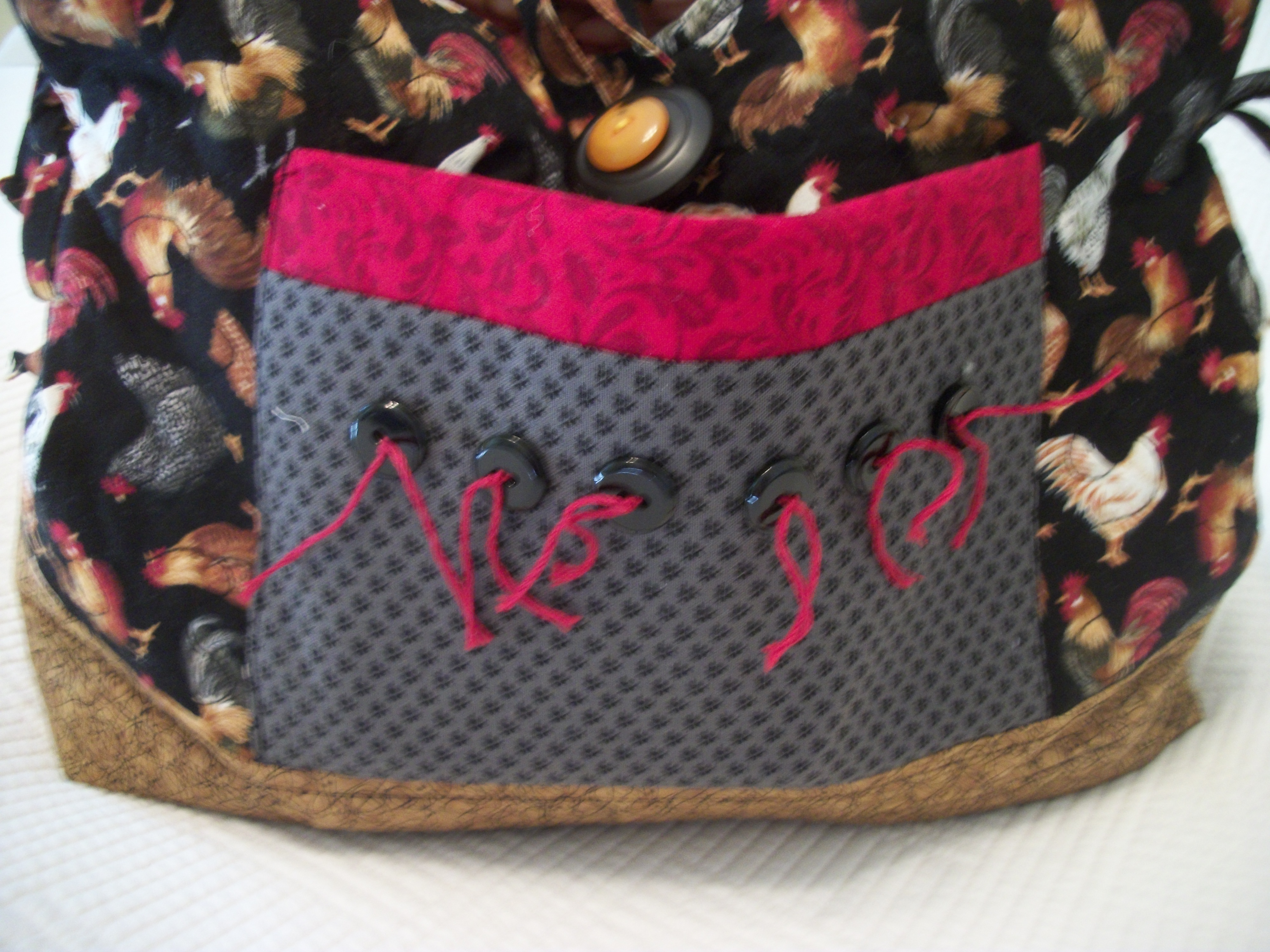
Here it is finished.  See the chicken fabric?

chicken purse 2

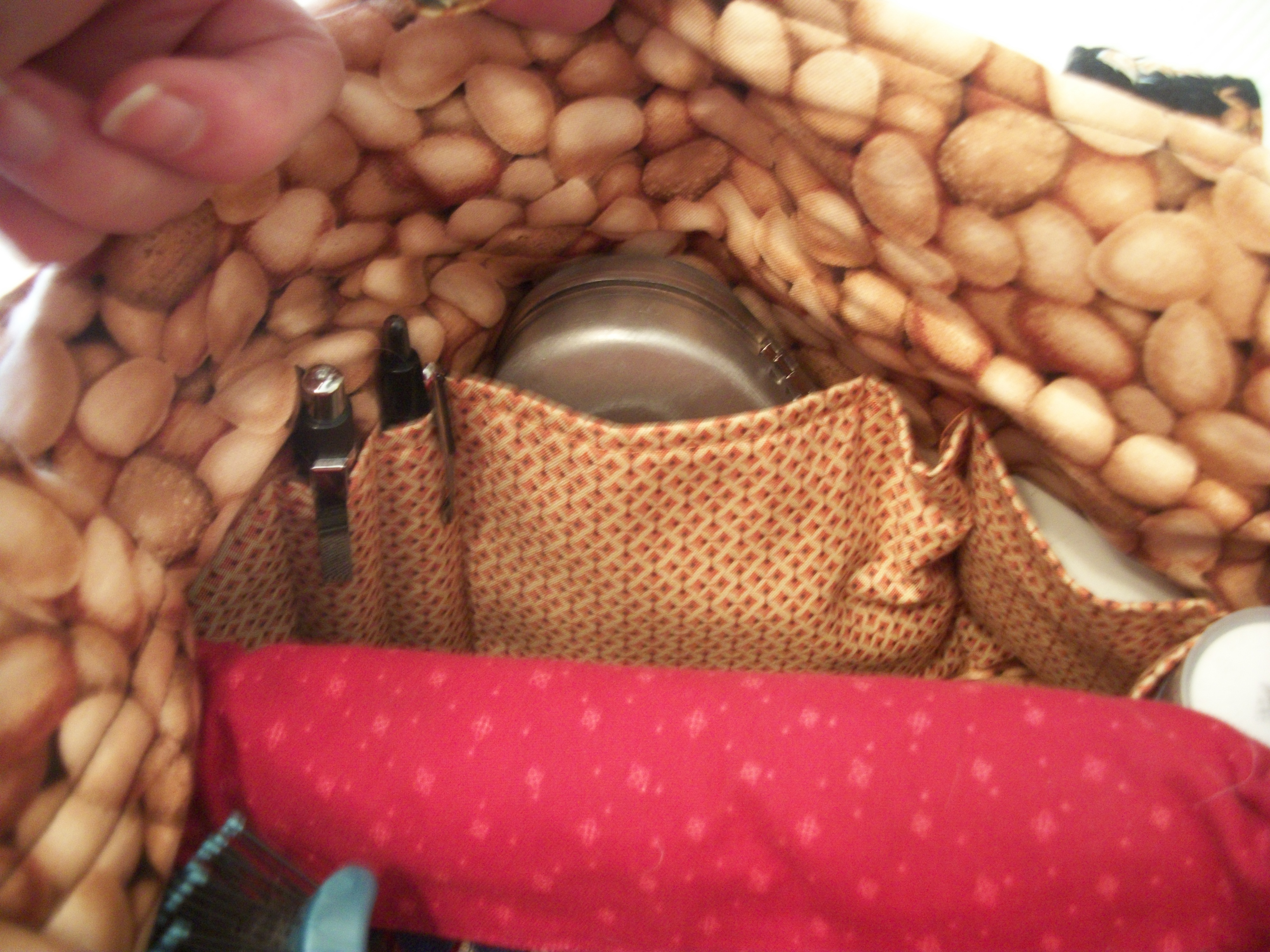
Here is the inside, with its egg fabric:

Chicken Purse inside

Here’s a view of the pocket:

Chicken purse

If you follow this blog at all, you know that there are MANY versions of this purse pictured.  When one wears out, I make a new one.  And I’ve helped a lot of people make one.  The pattern is Bow Tucks Tote by Penny Sturges, No. PS008.  And I love everything about how this purse is organized and how it wears.

This new one, though, is about the tackiest thing I’ve ever seen.

And, I love it.

Turkey Tracks: Nancy’s Red Socks

Turkey Tracks:  February 26, 2013

Nancy’s Red Socks

My niece Nancy Howser Gardner offered a barter some months back:  a pair of hand-knitted red socks for a hand-knitted scarf.  She would make the scarf, and I would make the socks.

It actually took me some time to find a nice red yarn.  The one I found had some cotton in it, which I thought would be good for the climate in Atlanta, Georgia.

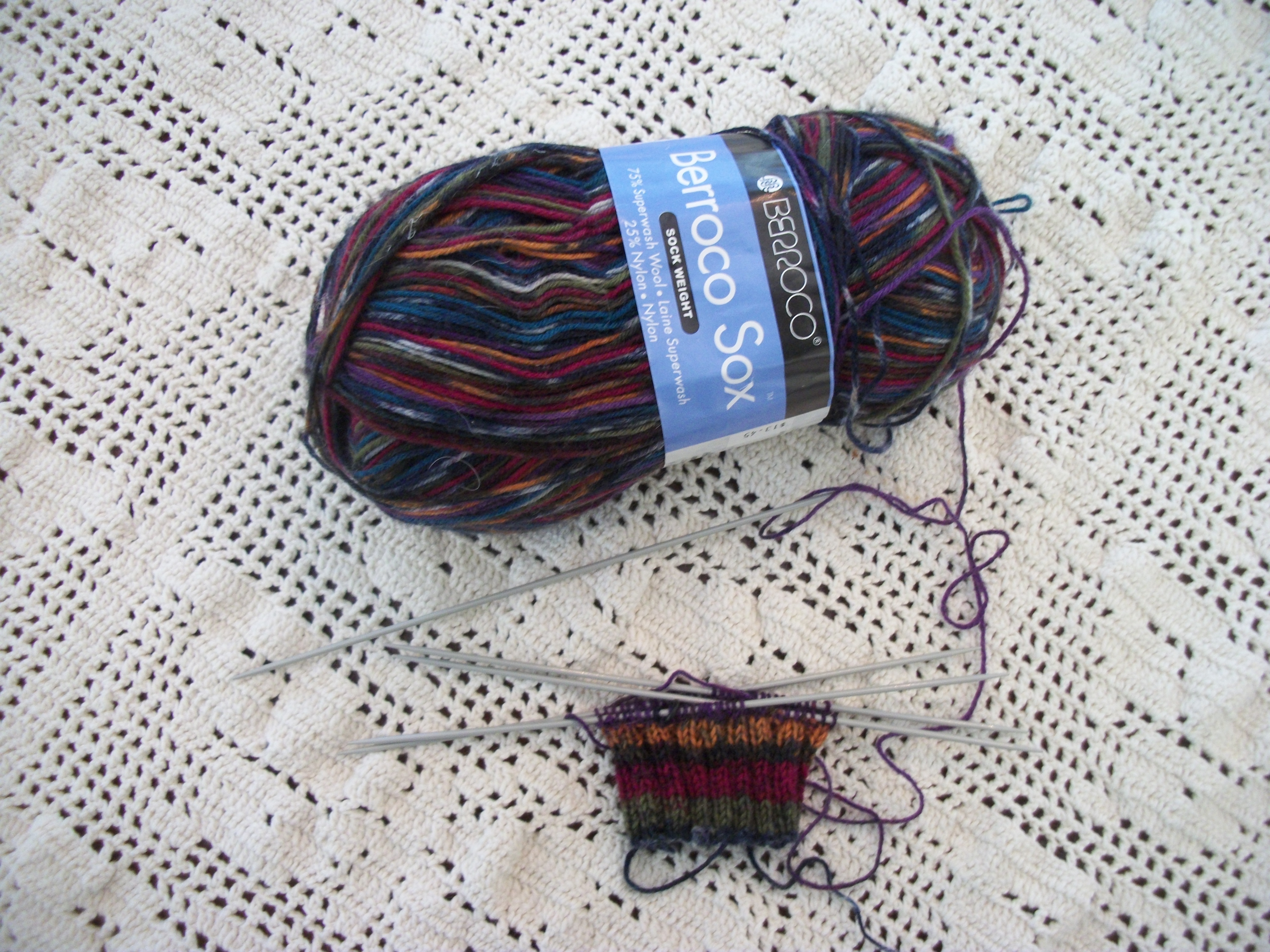
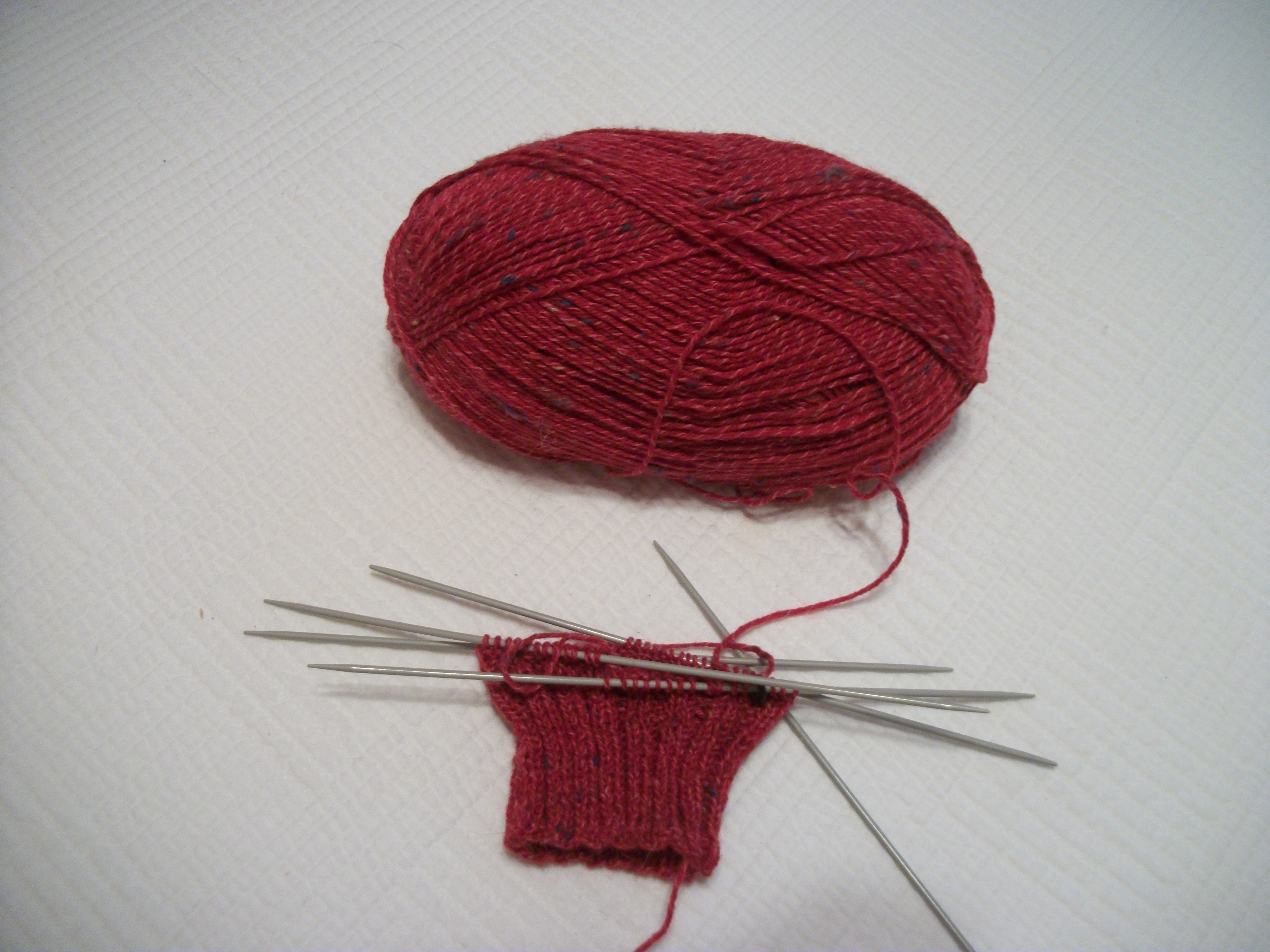
Here are Nancy’s socks a few weeks back.  I use five double-pointed needles to make socks, that way, the sock is divided over four needles, which are easier to handle than three needles.  I also move stitches around the needles as I go since I have never been able to NOT ladder the work if I keep the same stitches on the same needles.

New Project

Nice red, huh?

Here are the finished socks.  You can see the little blue slub in the red yarn, like a tweed.  The yarn band is next to the socks.

Nancy's red socks

Nan posted this picture  on Facebook after the arrived at her home:

Nancy's socks

I like them with her dark jeans…

The pattern is from Charlene Schurch’s SENSATIONAL KNITTED SOCKS, page 33.  This four-stitch pattern is called “garter rib.”