Turkey Tracks: Gallery On The Lake, Greenville, Maine

Turkey Tracks:  October 24, 2013

Gallery On The Lake, Greenville, Maine

One of the stores in Greenville, Maine, is Gallery On The Lake, run by Becky Morse.

Susan and I both bought multiple items for gifts in the store.

I bought my granddaughter who will be three in late November a special present.  I’ll put up a pic of that after she has the gift.

And, I bought several handbags made by Anne H. Doody.

Now, I don’t buy handbags.  I make them myself.

But, Anne’s workmanship was so excellent and her fabric combinations so terrific that I bought two bags–both destined as gifts.  I am telling myself that I am supporting a fellow fiber artist and saving myself some time to work on the many quilts I have planned for the winter.

Here’s a bag of Anne’s I bought:

Anne Doody blue purse

Here’s the backside:

Anne D. blue purse back

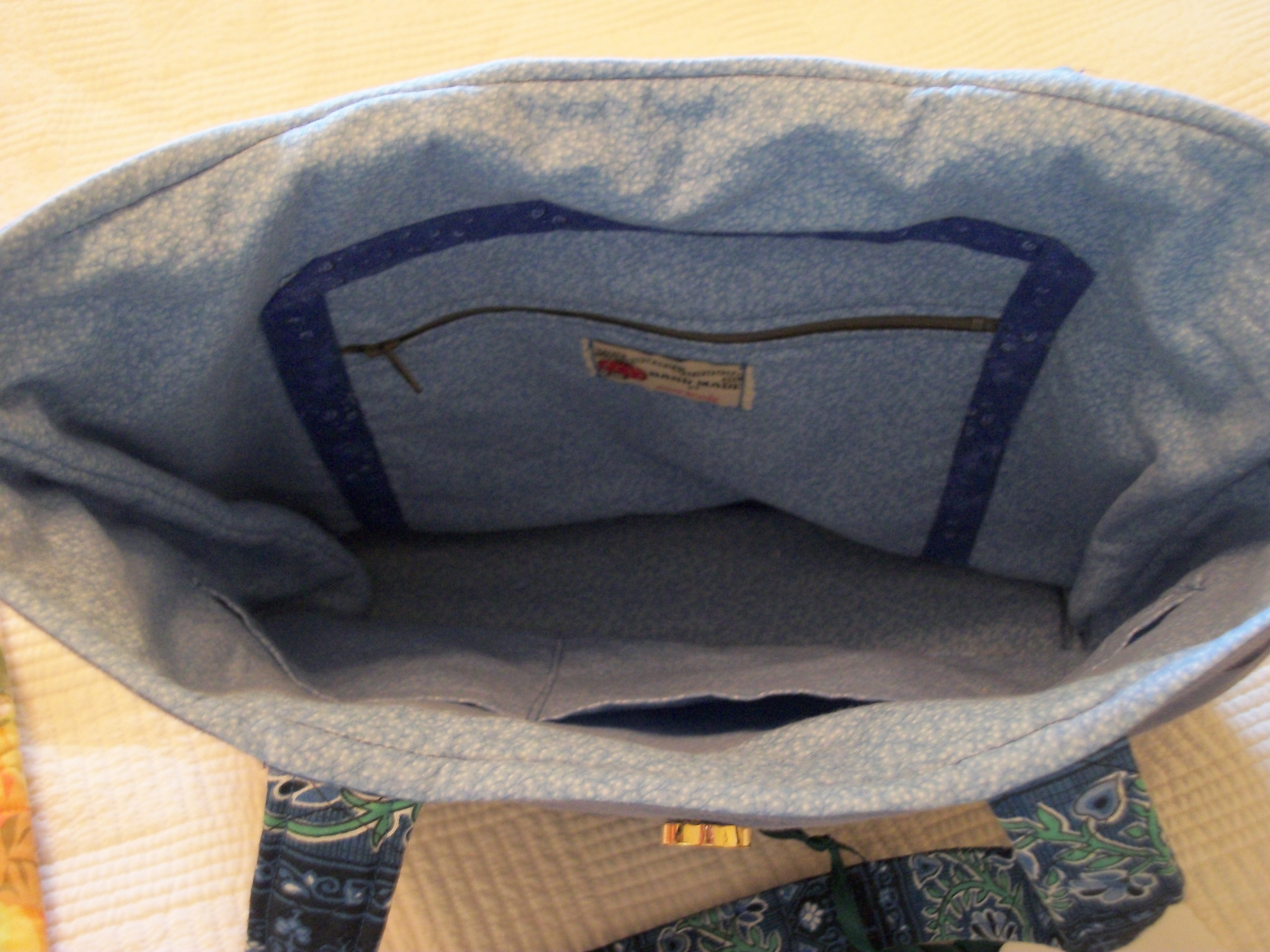
I love the jean pocket.  And here’s the inside which has a zipper pocket and other pockets too:

Anne D. blue pursie inside

I also bought a diaper bag–and sure enough, I just heard of a new family baby coming in May.   (Not one of my sons.)

Greenville, Ann Doody diaper bag

Here’s the side view of a bottle pocket:

Anne diaper bag

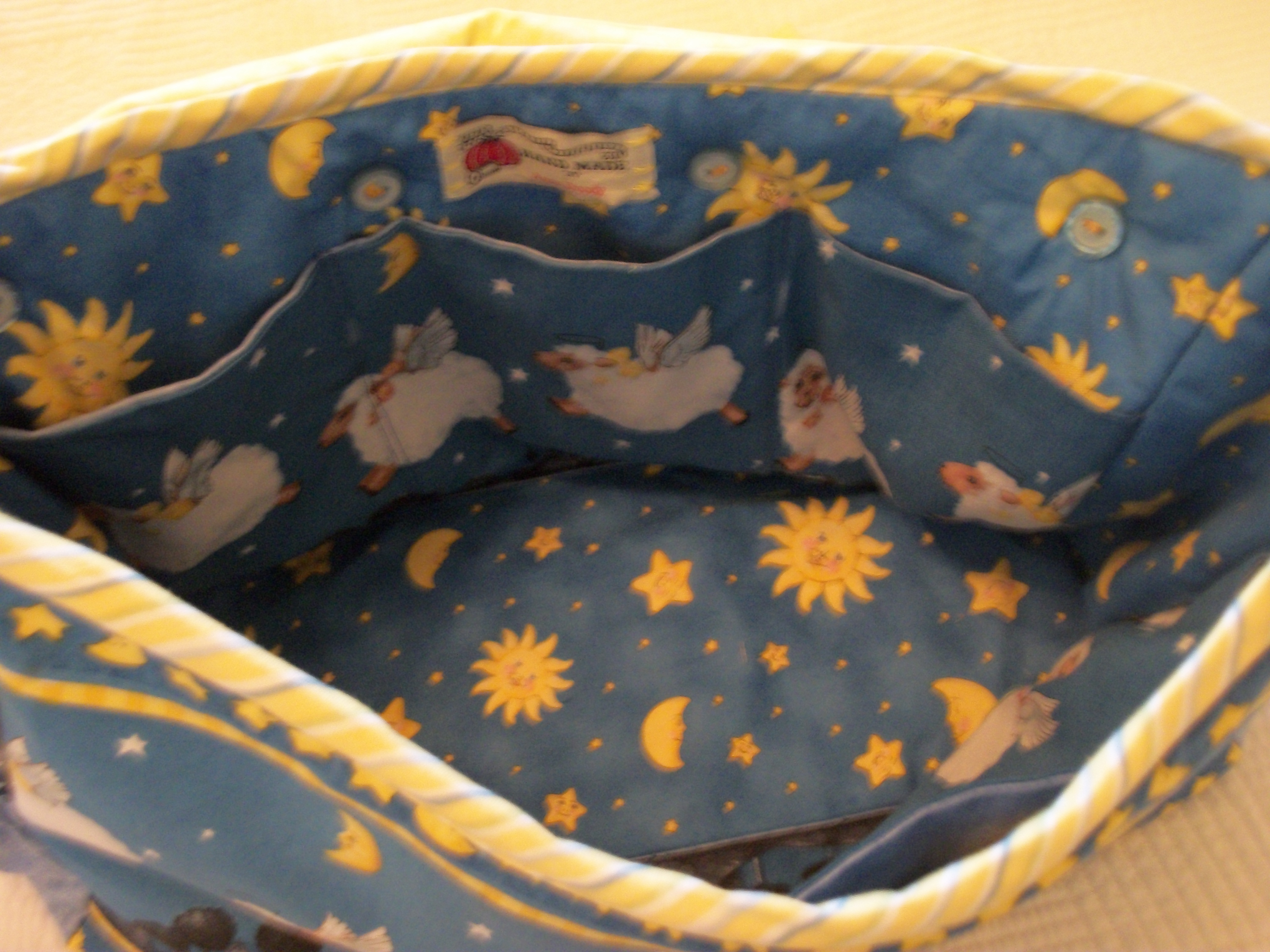
And there are lots of pockets on the inside:

Anne diaper bag 3

ANNIEUPNORTH takes custom orders, and if you want something special for someone special, you would not go wrong with her work.

Anne H. Doody

PO Box 87

Sinclair, Maine 04779

207-543-7382, or adoody1@hotmail.com

And Becky Morse of Gallery On The Lake can be reached at bgmorse@myfairpoint.net

Turkey Tracks: Moosehead Lake, Fall Foliage, Greenville, Maine

Turkey Tracks:  October 24, 2013

Moosehead Lake, Fall foliage, Greenville, Maine


Sister Susan Heath came for a week on October 6th to see our beautiful Maine fall foliage.

I found a “fall foliage” suggested route on the Downeast Magazine web site that took us up north to the famed Moosehead Lake area.  We decided we would stay a night in Greenville, which sits at one tip of the lake.  Our destination–halfway around the suggested route–would be the Captain Sawyer Inn.

So, we set off on Wednesday morning–the car packed with warm clothes in case we needed them and a cooler filled with food we could both eat.  It was a beautiful fall day, and the tree colors up north were said to be at their “peak” intensity.  (Our leaves here on the coast were just starting to turn in earnest.)

North of Waterville, which is about an hour from Camden, we started up a scenic highway, 201.  And, it was very pretty.  We stopped several times to take pictures as the Kennebec (or some of its tributaries) ran alongside the road all the way up to Jackman.  you can see that these trees are not at full peak yet, but they were starting to be really pretty.

Moosehead Trip 3

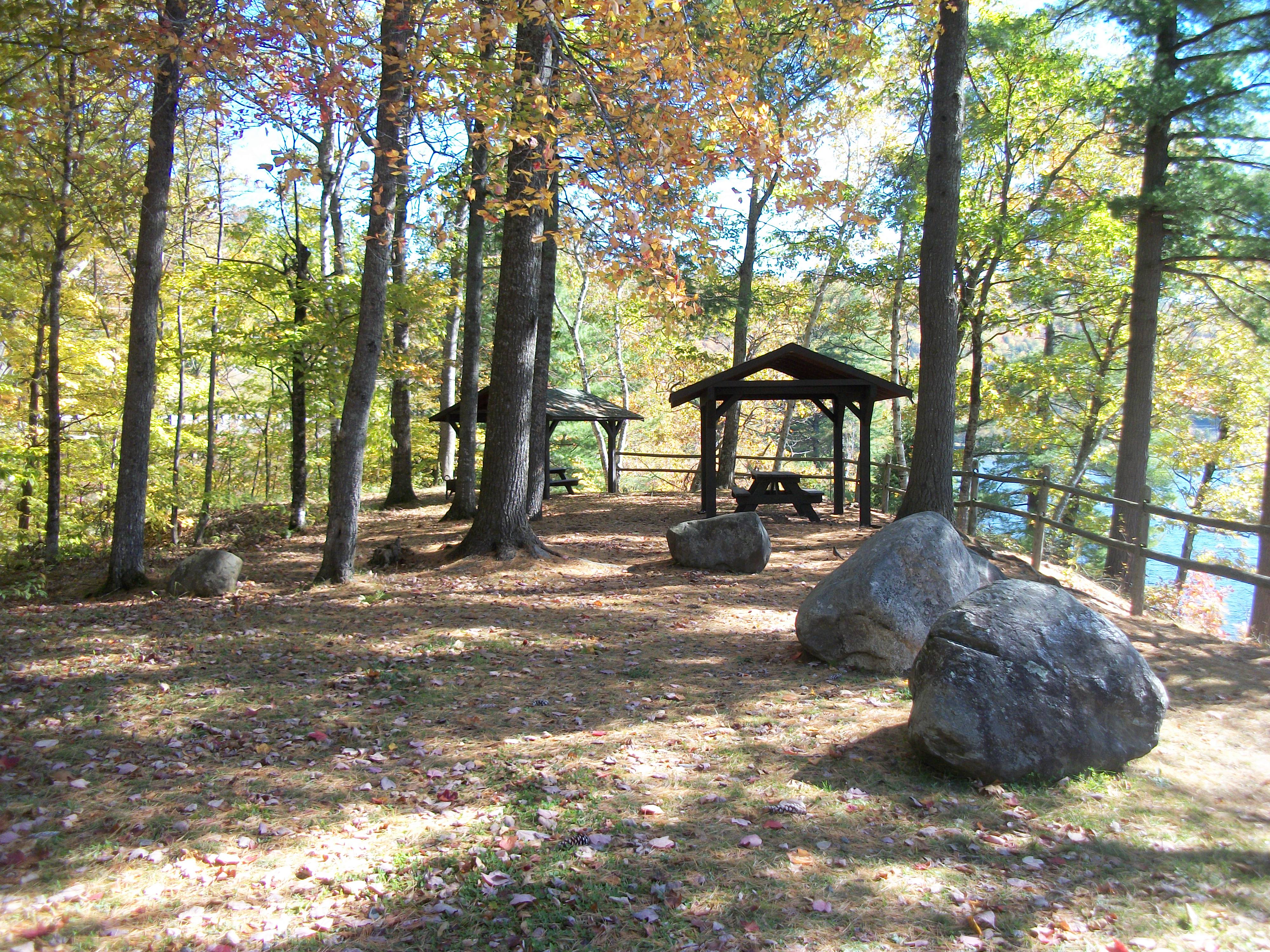
Here’s where we stopped for our picnic.  This stretch of the river was damed years ago down in Skowhegan for electricity.  In the process, a whole village was flooded and people had to relocated in the name of progress.  Susan could not get over how much water there is in Maine–rivers, creeks, lakes, ponds, mudpuddles.  Maine was gouged out by the retreating glaciers, which made all of our beautiful water features.

Moosehead Trip Picnic Site

There were a half-dozen picnic tables scattered across this pretty little park.

Moosehead Trip Picnic

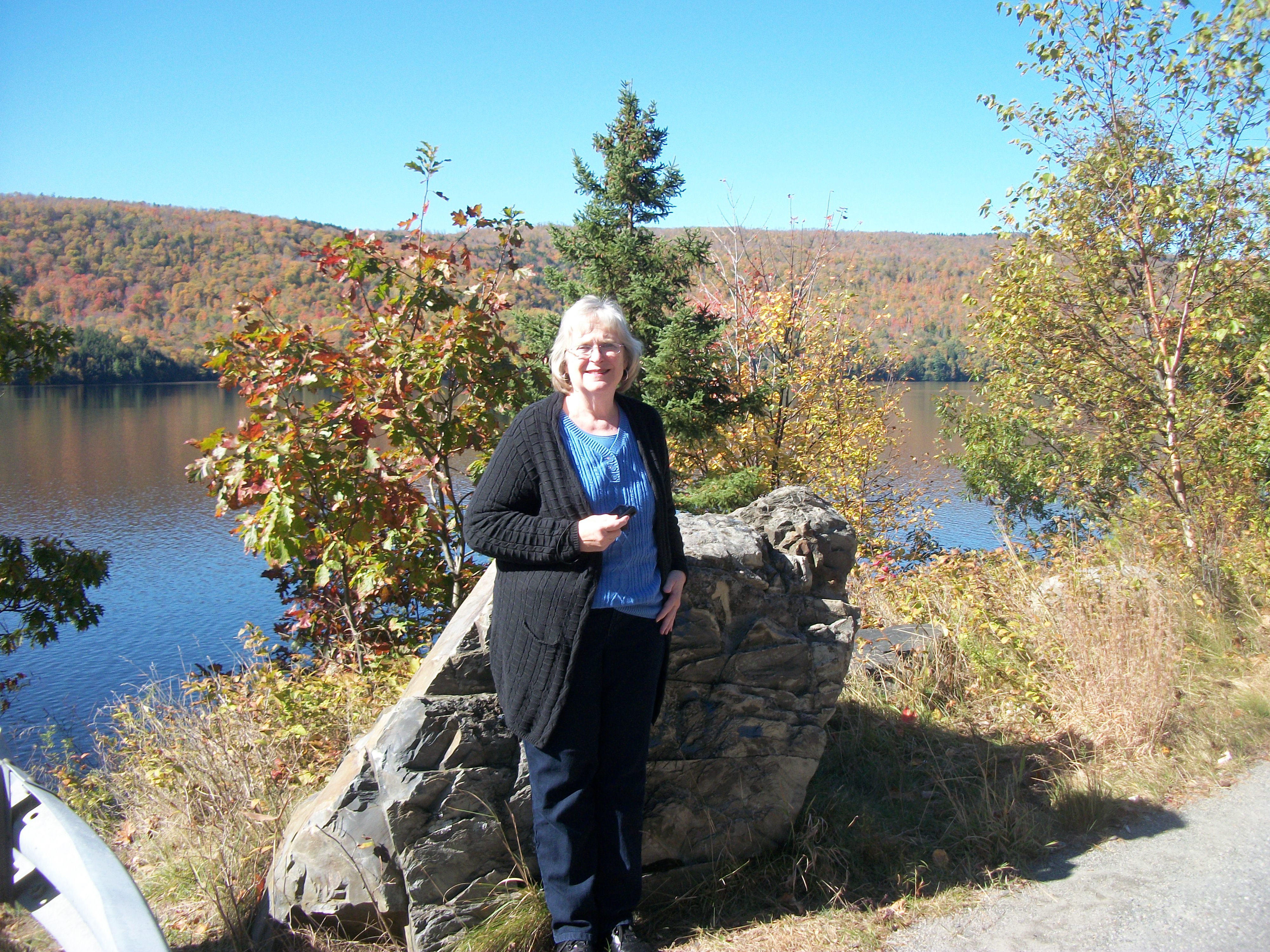
Up near  Jackman, we stopped at this amazing view.  That’s Canada starting in those mountains.  And the start of the Appalachian Trail is just a few miles north of Greenville, at Mount Katahdin.

Moosehead Trip Canadian Border,

Sadly, Susan, who takes far better pictures than I do, lost all of her pictures in a technical glitch.  Among them was a great picture of the sunset over Moosehead Lake.  That means another trip up there to take the picture again!!!

At Jackman we turned north and drove along the lake to Greenville.  The Inn was delightful, and the town had some shops selling lots of products made by local artists.  I WISH NOW that I had bought one of the wooden picture pieces–where the artist fitted together a north country scene out of painted wooden pieces.  So many of these products were so very different from anything else I’ve seen in Maine.

The leaves were gone up here though–blown off by a storm that came through two days before we left for our drive.  And our trees, which are very late this year, are only now, on October 24th,  in all their magnificent full color.

We stopped in Belfast for another picnic on our way home.  Belfast is just above Camden on the coast.  Belfast and Searsport, the next town north on the coast, were major sites for ship captains to sail into when transport was best served by boats.  Searsport has dozens of huge sea captain homes as a legacy of that time.

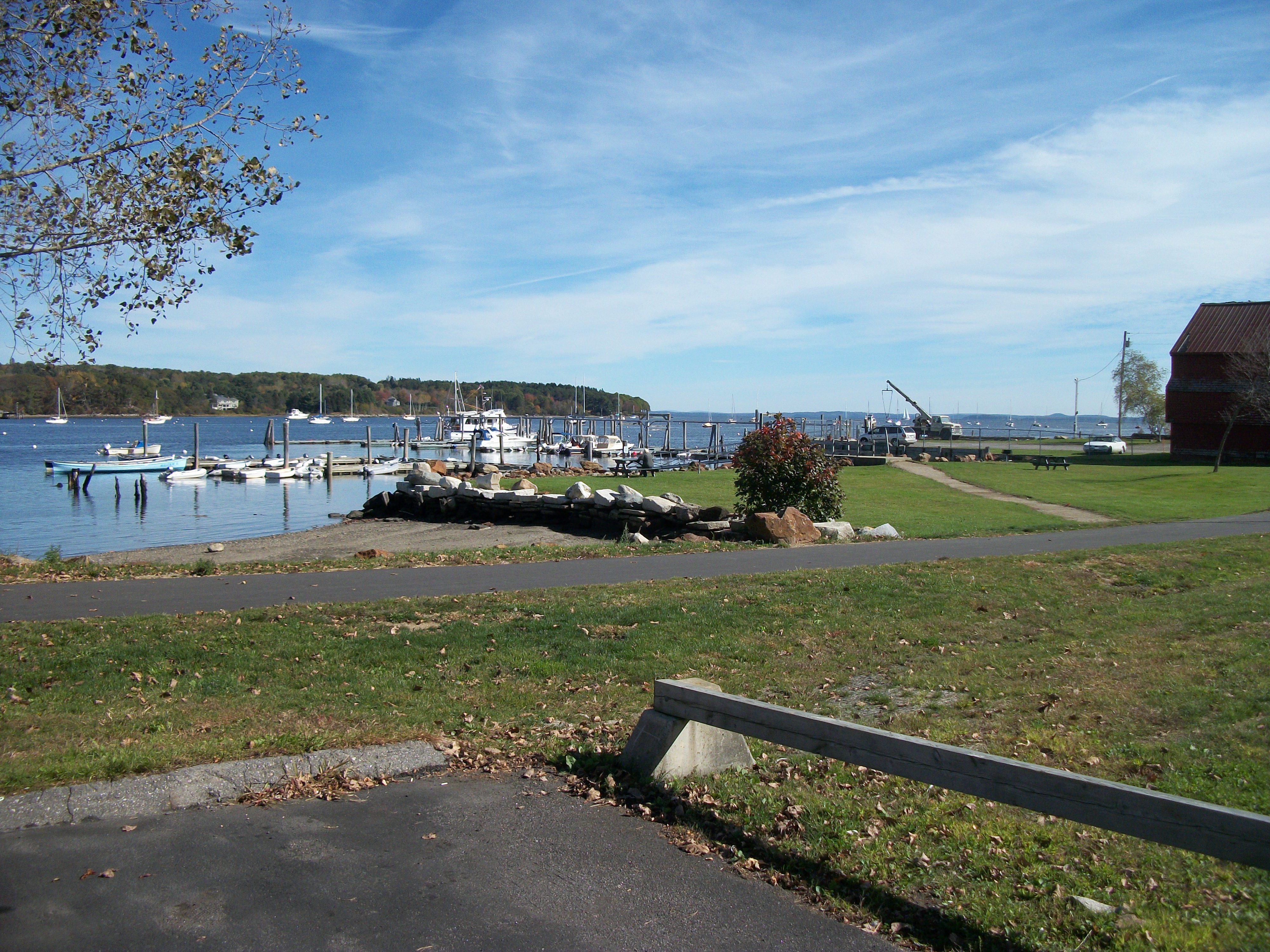
Belfast has done a lot of work on their harbor park in recent years.  It’s quite lovely and very inviting.  As you see, we had another gorgeous day.

Moosehead Trip Belfast Harbor

Here’s Sue again:

Moosehead Trip Belfast Harbor (2)

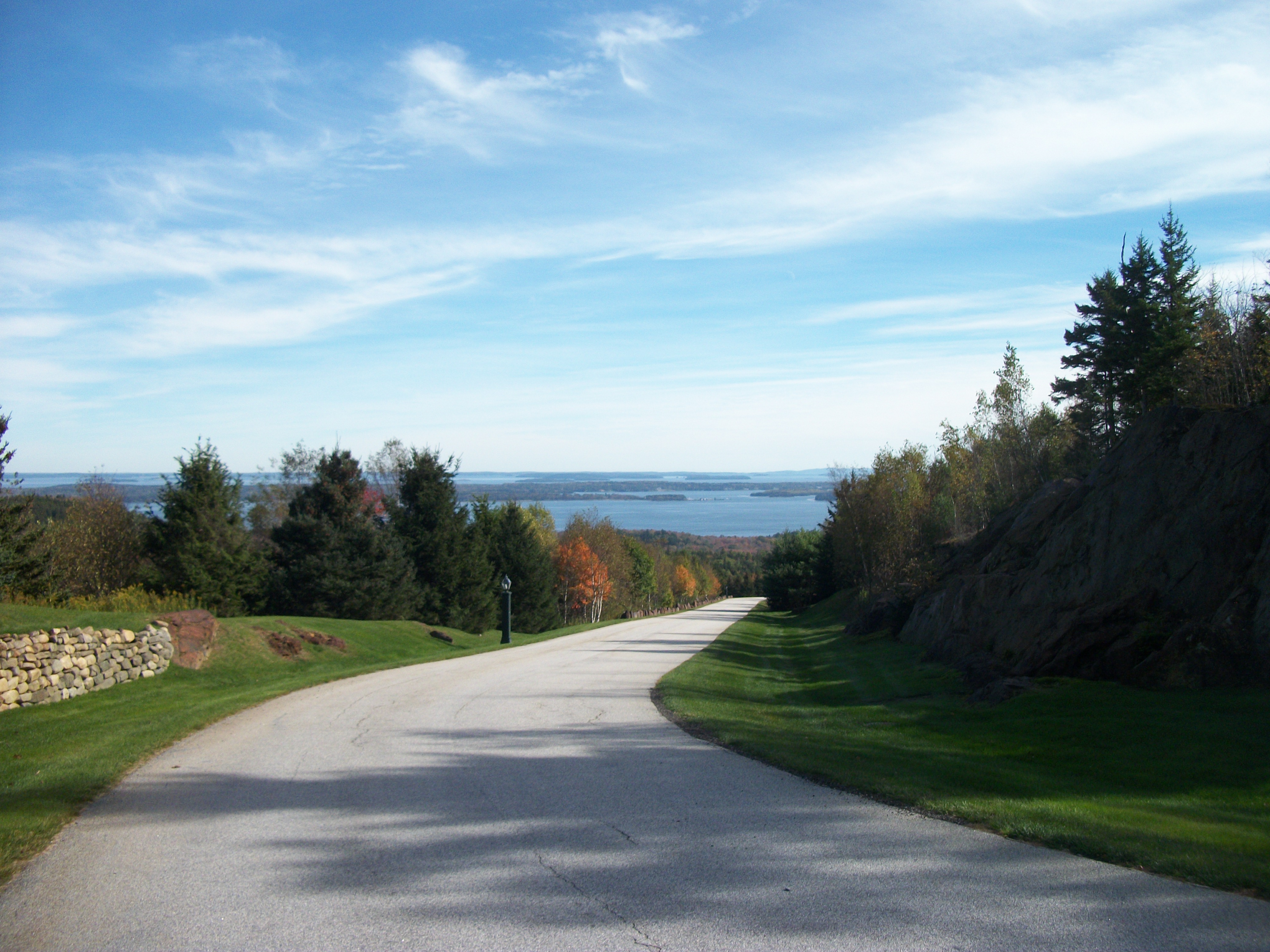
On the way home I took Susan up to Point Lookout, where the woods and the view are lovely.  (I will be eating Thanksgiving dinner up here.)  Susan took this picture with my camera.

Moosehead Trip Pt. Lookout


It was a good trip.  One I will make again I hope.

We ate the rest of our cooler food, which was delicious, for dinner.


Turkey Tracks: Elderberry Tincture

Turkey Tracks:  October 22, 2013

Elderberry Tincture

I almost missed the elderberry harvest again this year.

you really have to keep a sharp eye on the berries because they are near ripe one day and gone (birds) the next.

So, back in September some time, I got what remained on the two bushes I have.  One is almost a tree, and when we first came, I kept cutting it down as it’s growing in the rock wall below the house.  (Harvesting it is…dicey.)  The other is a bush I planted two years ago, and those berries are plumper and bigger than the wild berries.

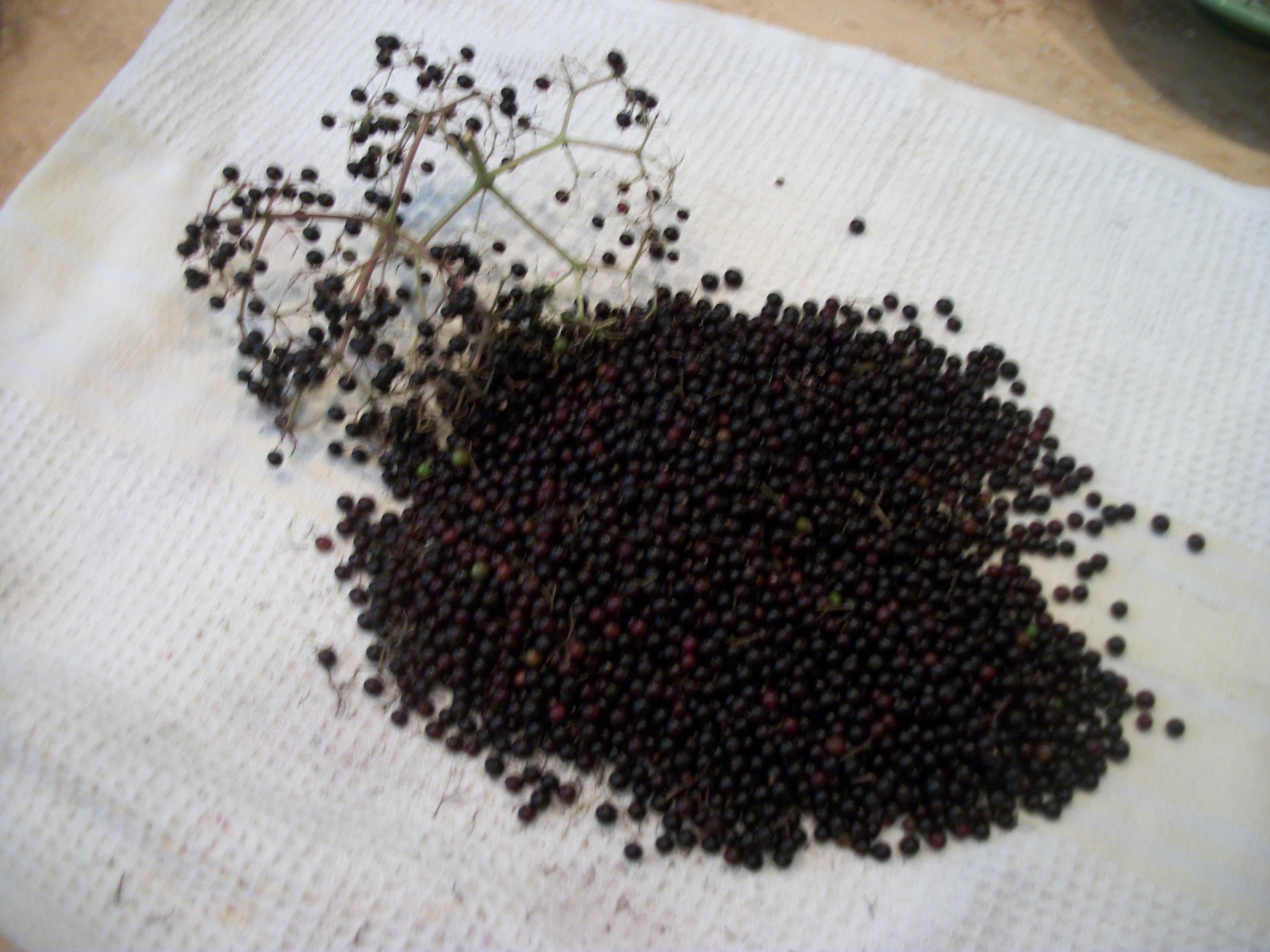
Anyway, you cut off the berry clusters and strip off the berries in the kitchen.  You can see elderberries are TINY little purple berries.  And you can see how the clusters grow on the plant from the last one I’m stripping in this picture.

Elderberries

I make a tincture.  And, tinctures are alcohol based.  I use vodka.  Next time you are in Whole Paycheck or a health food store, see what a little bottle of elderberry tincture costs, and you’ll have newfound respect for my efforts.

I fill a quart jar with berries and pour the vodka over the berries to fill the jar.  I freeze the berries I have left.  Then I let the mixture sit out on the counter until the berries go white–as all their purple goodness is leached out.  At that point, I strain off the old berries and put in new ones and pour the now-purple vodka back into the jar.  Last year I did this process three times.  And can I tell you that that tincture was incredibly powerful.

Elderberry Tincture 2013

This year, I will probably do only two leachings since I don’t have that many berries.  Maybe I’ll leave the second batch of berries inside the liquid–they would provide fiber at least.

This tincture is dynamite for anyone coming down with a cold or the flu or anything that seems like it will become an illness.

Another use for frozen elderberries is to just thaw a few in a spoon overnight and eat them in the morning.  Dr. Natasha Campbell-McBride–of the GAPS protocol–which I’ve written about many times on this blog–recommends eating a few berries over the fall and winter to support your immune system.

Elderberry bushes are easy to locate and to forage, in the late summer.  FInd them in the spring when they have big white flat cluster blooms, flat like a Queen Anne’s Lace flower.  Google them for an image?  They like damp places.  If you don’t have access to the countryside, plant a bush in your yard somewhere.

Turkey Tracks: Fall Foliage

Turkey Tracks:  October 22, 2013

Fall Foliage


Oct. 16, 2013, Sarah's field close-up

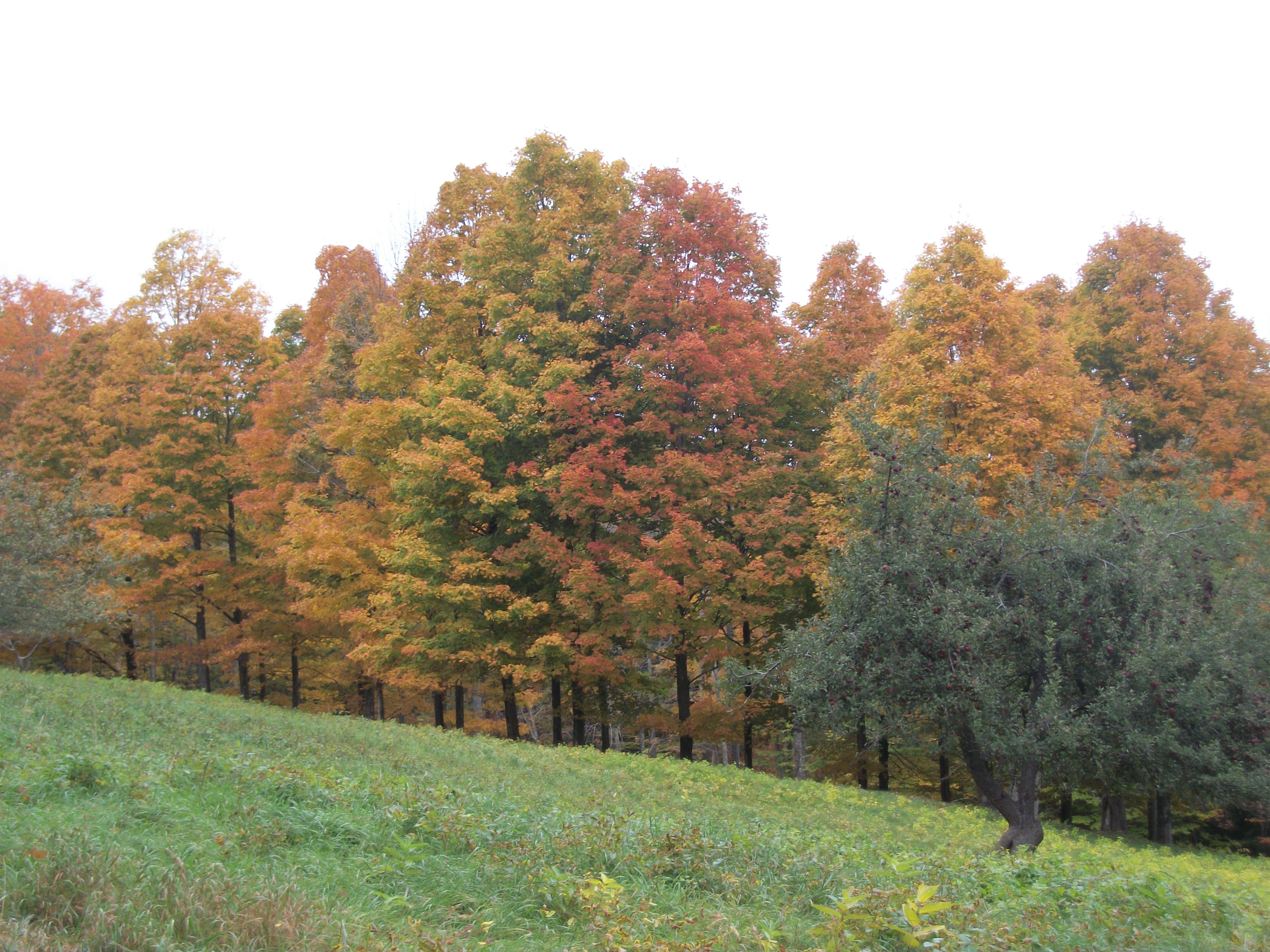
These trees are on Sarah Rheault’s land, and they were so pretty one day last week that I turned the car around, went back, and took this picture.

The green tree is an apple tree, and it’s got lots of deep red apples that are not really showing up in this picture.

This view is the kind of fall foliage I wanted to show to my sister when she came for the week of Oct. 6th.  But, the trees up north had lost their leaves in a storm, and our trees had not yet turned.

The fall foliage here on the MId-Coast seems late this year.  We have had a long dry spell.  That’s probably a factor.  But they sure are pretty now.  One just wants to ride around in the orange and gold light.

Turkey Tracks: A Prairie Home Companion

Turkey Tracks:  October 22, 2013

A Prairie Home Companion

One of the delights of my life is listening to the LIVE BROADCAST of Garrison Keillor’s weekly program “A Prairie Home Companion.”  It airs on NPR from 6 to 8 p.m. on Saturday night and is repeated on Sunday from noon to 2 p.m.  Sometimes I listen to it twice–while I quilt.

“A Prairie Home Companion” is filled with music and skits–and always has a segment where legendary sound man Fred Newman creates the sounds that illustrate a Keillor story.  This program can and does make me chuckle, sing along, and spend some quality time with music and creativity right in my own home.

I podcast the “Lake Wobegon” segments and often listen to them more than once.  But, I thought that once the program was over for the week, it was over–due to copywrite restrictions from the many guests on the show.

This past week’s show was in Lincoln, Nebraska.  Some of you know that I spent many years growing up in Nebraska, from eighth grade through high school.  One guest on this week’s show was a farmer who talked about why he loved farming in Nebraska.

This show featured  Sara Watkins, jazz vocalist Jackie Allen, Tim Russell, Fred Newman, Lynda Crotty, The Guy’s all-Star Shoe Band, and the latest news from Lake Wobegon.

But guess what!!!!  The web site has many utube clips from the show.  So I’m listening again while I type.  And, am thrilled to discover this additional resource.

http://prairiehome.publicradio.org

Here’s a link to videos from last week’s show:

http://prairiehome.publicradio.org/programs/2013/10/19/videos/index.shtml#video-7

ENJOY!

And think about slowing down to do some hand work or machine quilting work while listening to “A Prairie Home Companion.”

Quilting Information: Fons & Porter Needs Quilts

Quilting Information:  October 22, 2013

Fons & Porter Needs Quilts


Fons & Porter have several magazines.  I get “Love of Quilting.”  They also do “Easy Quilts,” “Scrap Quilts,” and “Quilty”–and others.  As a result, they need 300 to 400 quilts a year to feature in their magazines.

Do you have a quilt that YOU designed without using published instructions from anybody/any place?  And, yes, you can use traditional blocks.

You might want to submit a quilt to Fons & Porter for consideration.

For detailed submission guidelines, go to FonsandPorter.com/submissions. They respond within the week.

Remember, they can’t say “no” if you do not send your quilt information to them.


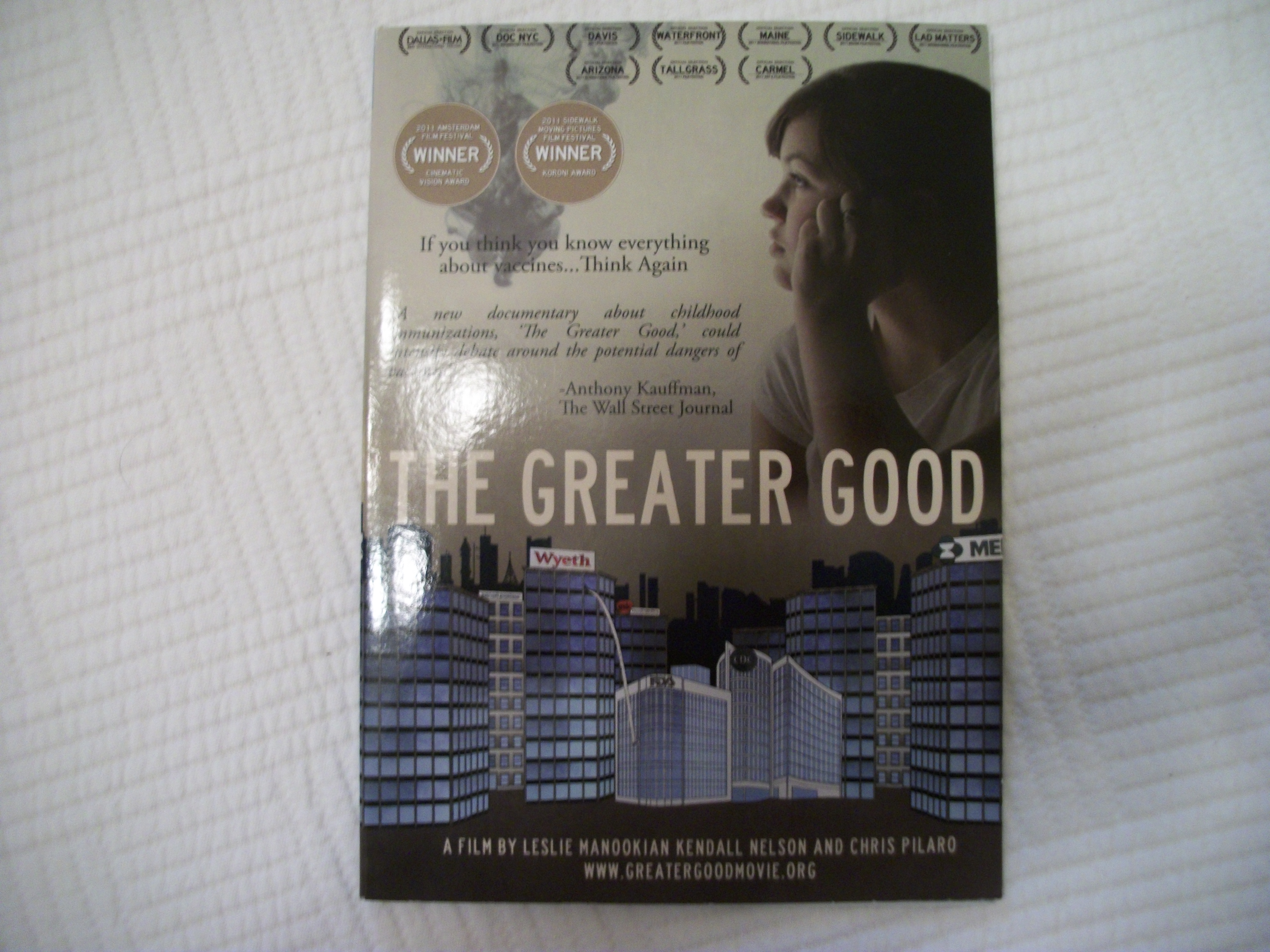
Books, Documentaries, Reviews: “The Greater Good”–Are Vaccines Safe?

Books, Documentaries, Reviews:  October 21, 2013

“The Greater Good”

Are Vaccines Safe?

Maybe some vaccines are safe.

But, who knows?

No one knows how many people are being hurt by vaccines.  Or, how.

Few scientists are doing research on that question at the cellular/molecular level.  And the research of those who are finding significant problems is being ignored.

Maybe vaccines are effective.

But, no one really knows.

The only studies that call vaccines safe are epidemiological studies that compare large groups of people.  And the industry-created myth that vaccines can provide “herd immunity” has allowed state governments to mandate vaccines for “the greater good” of all.  (See earlier post discussing herd immunity.)

In fact, these epidemiological studies only show correlation, NOT causation, in terms of stopping disease.  So one burning, unanswered question is what has caused some deadly diseases (polio, small pox) to dissipate over time since vaccines came into play only AFTER these diseases were on the wane.

Indeed, there are many unanswered questions about vaccine safety.  But it is quite clear that vaccines are a life-threatening risk for some people.  And, maybe, even, for all people at the level of the inducement of chronic illness.

“The Greater Good” is a documentary film that tries to at least surface many of these worrisome questions.  It is being shown all over the country to general audiences and to medical groups and institutions.  The film contains voices from across the spectrum of this issue of vaccine safety–including that of a major medical spokesman, Dr. Paul Offit, who has said famously that babies can tolerate 10,000 vaccines at once.

So, please, please, please–before you get another vaccine or give one to a child, do not assume that you have a good understanding of the issue of vaccine safety.  Or even the need for vaccines.  Start your research with “The Greater Good” for less than the price of a large pizza.
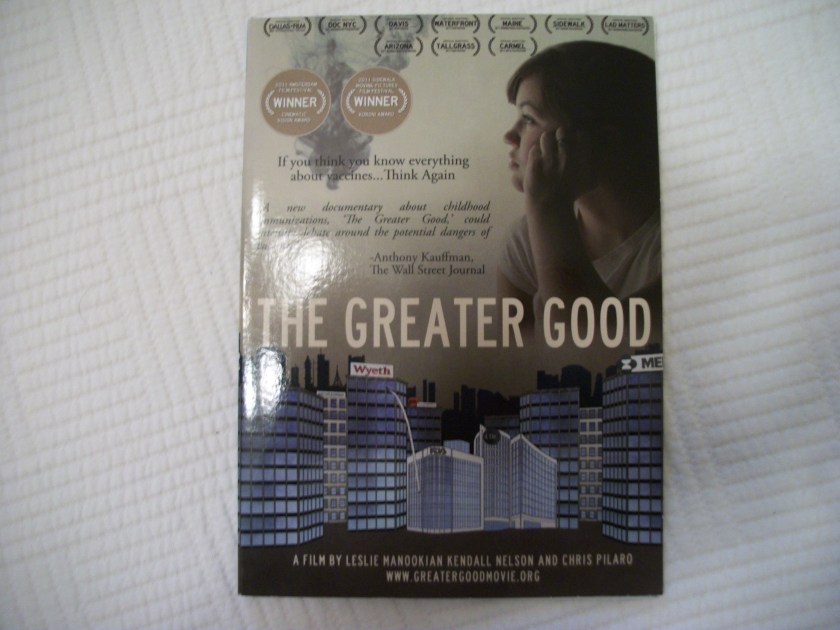
Documentary, The Greater Good

Here’s what I took away from the film–and I hope it’s enough to spark you to NOT assume that your doctor knows and understands the dangers of vaccines.  That does not mean your doctor is a bad person.  It just means your doctor is caught in the same “kool aid” information bubble that you might be caught in, that most of the US is caught in since the media is not doing its reporting job properly.

First, the film takes a close look at three families whose children have been harmed by vaccines.  Gabi Schrag acquired a terminal illness from the UNTESTED vaccine Gardasil when she was fifteen.  Another family’s baby daughter died after a vaccine around her first birthday.  This child was apparently reacting to earlier vaccines, but her parents and pediatrician did not recognize the trouble signs.  Her two brothers did not die, but in retrospect, the parents recognize that their sons, too, have been harmed.  The third family’s son, now 11,  acquired autism from the mercury in vaccines.  That’s not a theory; the mercury showed up in blood tests.  His body could not detox itself, and the mercury and other components in vaccines permanently injured his brain.

***Barbara Loe Fisher became an activist for vaccine safety when her son was injured permanently.  She notes that in 1980, children received 23 doses of 7 vaccines.  Today, the vaccine schedule calls for 69 doses of 16 vaccines.  That’s TRIPLE the number of vaccines.  That’s an industry at work in my opinion.

Dr. Lawrence Palevsky noted that he did not question vaccine safety until the Hepatitus B vaccine was recommended for newborn babies when, he said, infants are not at risk for Hepatitus B.

Fisher now has the following mantra:  SHOW US THE SCIENCE AND ALLOW US THE CHOICE.  She notes the irresponsibility of any system that takes vaccines off the table when they might be factors or co-factors for the causes of chronic illness or outright injury.  Vaccines need to be shown to be safe and effective, and they have NOT BEEN.

Dr. Palevsky–as do other worried experts in the documentary–notes that reducing the vaccine safety issue to just that of autism has worked to hide the bigger issues.  He notes that today ONE IN SIX children have some form of neural disability.  And he wonders how many other chronic diseases are the result of vaccines.  You read that right:  ONE IN SIX CHILDREN.

Vaccines contain ingredients like mercury, aluminum, formaldehyde, and preservatives–ingredients that are meant to keep them in your body for as long as possible.  Palevsky and Bob Sears, a pediatrician, notes that there has been no safety testing for these ingredients.  (Sears wrote a book that is pro-vaccine, but which, among other things. recommends spreading out vaccine doses.)

Chris Shaw, PhD, is a scientist who studies the origins of neurological diseases.  He says we cannot claim that vaccines are safe as their ingredients were chosen to make them stay in your body.  Injectable aluminum injected into mice in an attempt to replicate the vaccine schedule showed the rapid emergence of symptoms that included cognitive deficits, muscle and motor malfunctions, and behavioral symptoms.  Autopsies showed massive damage to motor neurons–and Shaw posed that this situation was creating the conditions for diseases like MS and Parkinsons twenty to thirty years later.  The FDA ignored these studies and refused to perform additional research.

So, how many children are being sacrificed for “the greater good”?  We don’t know.  Vaccine harm reporting is voluntary.  But the fact that Congress created the Vaccine Compensation Program to pay off parents of harmed children signals that harm is being done.  By the way, you pay into the fund every time you or your children get a vaccine–so here again is how industry is making YOU pay for your own injuries.  Vaccine makers generate about $21.5 billion in annual sales.

Are there truly benefits from vaccines?  If so, what are they?  Do those benefits outweigh the risks?  We don’t know.  By the way, the last measles death in the U.S. was in 2003 and many are saying measles death has a strong correlation to poverty and malnourishment.  Vaccines won’t “cure” that.  (See earlier posts on the “measles outbreak” nonsense.)

What vaccines would you choose to get or give to your child.  hepatitis B is not polio.  And chicken pox is not small pox. And since 99% of the population lives in cities now, how many children are stepping on rusty nails?  We now have good medicines for whooping cough.  There is a big correlation between polio and the use of DDT, and polio was on the wane when the vaccine started.

What vaccines would you get for yourself?  The flu shot?  Do you know that science does not show that it is effective and that many flu shot forms still contain mercury?  Or, other worrisome ingredients.   But if you’re going to the third world, you might want to get appropriate vaccines.  Just understand the risks first.

Did you know that INDUSTRY does the testing on new vaccines?  The FDA accepts their word for the testing.

Did you know that INDUSTRY cannot be sued for vaccine harm?  Thus there is no accountability or responsibility when vaccines harm people.  Which brings me to Gardasil…

GARDASIL

So, let’s look at Merck’s Human Papilloma Virus (HPV) vaccine Gardasil–and let’s note that HPV only MAY–only MAY I repeat–cause cervical cancer.

Merck asked the FDA too “fast track” Gardasil, and FDA agreed.  As a result, whatever testing Merck was doing (on just over 1,200 girls under sixteen) was stopped.  SO, GARDASIL HAS NEVER BEEN TESTED FOR SAFETY.  Really, Gardasil has never been tested on anyone in a trial that was carried to its conclusion.  So industry has no idea of its effectiveness either.  What’s occurring is a giant experiment on young people. 

Today, both young women and young men are being pressured to get this vaccine.  Young men are said to carry HPV in their mouths.  So they can “infect” young women.  Do you really think any vaccine is going to kill HPV virus in someone’s mouth so that they never carry it again?  Really?  Hello…we all carry stuff like this all the time–on us, in us, it’s all around us.

Gardasil was released in 2006, and Merck spent $100 million on advertising targeting young women.  You could be “one less” the ads stated.

Gabi Schrag saw those ads and got the multiple-shot vaccine–which caused her to get central nervous system vasculitis and central nervous system lupus.  She will die.  She is dying.  Meanwhile, her life is a living hell.  She has many symptoms, including seizures, paralysis on her face, partial vision, extreme fatigue, and on and on.  Her family buckled under the medical costs and stress.

Diane Harper, MD, MPH, MS, is one of the world’s leading experts on HPV and was the LEAD RESEARCHER FOR THE GARDASIL TRIALS (before they were cancelled).

Harper notes that the death rate from cervical cancer is 3 per 100,000.  Young people are more at risk from an automobile accident than from cervical cancer.  PLUS, we have a very good system in place to defeat cervical cancer:  PAP smears–which are not risky.  Plus, Harper notes, our daughters are not cancer deaths waiting to happen–which the Merck ads indicate.  In fact, says Harper, while Merck’s ads are not lies, they are false in their overall impressions.

WOLVES IN THE CHICKEN HOUSE:

Now let’s talk about Dr. Paul Offit.

Offit’s credentials are pretty heavy duty.  And his certainty about the safety of vaccines so complete that I decided to poke around a bit.  It didn’t take one minute to surface some real conflicts of interest–ones that are at the heart of what is wrong with medicine today, and why many people like me do not trust it.

Offit is a pediatrician.  He is the Chief of infectious Diseae at the reknowned Children’s Hospital of Philadelphia, or CHOP.  He is also a professor of pediatrics at the University of Pennsylvania’s medical school.

Pretty good, huh?  You’d pay attention to someone like this man, wouldn’t you?

Only Offit has strong financial ties to the vaccine industry–as a story of Sharyl Attkisson for CBS News reveals.  He consistently refuses to disclose his industry ties.  But, his research Hillman chair at CHOP is funded by Merck, for $1.5 million.  He co-invented the Rotavirus vaccine and sold it to Merck–his share was somewhere between $29 and $46 million.  He was on the CDC’s Advisory committee on Immunization Practices when his vaccine was put onto the vaccine schedule.  Yet he said in the film that he does not see any wrong doing in the intersections between doctors and the vaccine industry.  (We need to enroll him in a course on ethics and morals immediately.)

In this documentary, Offit says that UNTESTED Gardasil is a “safe and beautiful” vaccine.  Yet, by 2010, there were 85 recorded Gardasil deaths.  And, uncountable injuries as no one is looking for them.

Offit also said the following:  “Are parents really in the best situation to evaluate the data?  I don’t think they often have that expertise.”

Really?   Apparently some of us do a better job of that then people like Offit do.

But, it is this kind of statement that misleads parents into trusting people like Offit–into trusting in his goodness, in his knowledge, and his genuine interest in the health of their children.  To those folks, I say “WAKE UP.”  There’s BIG MONEY involved here, and we live in a system that has thoroughly detached morals and ethics from the business of making money.l

* * * * *

Clearly, the “one size fits all” vaccine schedule is a mistake for too many children.

Clearly, industry is driving the vaccine juggernaut, not science.

Clearly, the states have overstepped their bounds by forcing people to get vaccines they do not want to get in the name of a misuse of the very real scientific concept of “herd immunity”–of which the vaccines cannot ever be part.  Here, again, is where politics is trumping science–as it has in many of the issues about which I research and write.  And when politics makes this move, it does harm.  When it does it by and for industry, it is evil.

Clearly, the vaccine industry needs to be held accountable for the harm it is doing.  They need to answer in our courts of law.

Clearly doctors like Offit need to lose their prestige and power and the positions they are misusing.

Clearly, the media need to do a better job of reporting all sides of the vaccine safety issue.  And of exposing people like Offit and the rigged system that Merck is using for its own gain.

Clearly, parents have got to educate themselves and take responsibility for NOT being driven like fearful sheep into harming their children or themselves.

Clearly, clearly, clearly…

…this film is a “must see” immediately for you, your family, your doctors.

Books, Documentaries, Reviews: Vinalhaven Trip and Great Reads This Summer

Books, Documentaries, Reviews:  October 17, 2013


Vinalhaven Trip and Great Reads This Summer


I have belonged to a book club here in Camden for eight or so years now.

I treasure my book club in many ways, but perhaps one of the best reasons I do is that I wind up reading books I would not have discovered or, even, chosen on my own.

We don’t always agree on which books we like–and that enriches our discussions.

We are NOT all on the same political page either, though we are all caring, good people.  Those differences adds to the discussion, too.

There are six of us at the present time:  three sets of neighbors.  I was invited to join this book club by my neighbor Sarah Rheault, and I am grateful to her for that invitation.

In the summer for many years now, Sarah has us out to her summer house in Cushing.  There are pictures elsewhere on this blog of some of the views from her house.  We sit outside, snack on savory tidbits, eat lunch together, and talk and talk.  This year was no exception, and we all look forward to this summer event.

This year, we upped the ante.  Book club member Sally Burnett-Lessor and her husband Norbert bought an old house about three years ago on Vinalhaven–one of the offshore islands.  They’ve been summering out there, and this year rented their Camden house and spent their whole summer on the island.  And, loved it.

Sally invited the book club to come and see the house, walk the island, and have lunch.  We took her up on her offer, rode out on the ferry, and had a wonderful day with her and Norbert.  I wish I had taken pictures of all the beautiful work this couple has done on their old house–to include adding an astonishing glass room which they built themselves off the redone kitchen.  (Next time, for I hope we have just established another summer tradition.)  They are both amazing craftspeople, and the house shows many loving restorative touches.  The tiled bathrooms are beyond belief.  It’s exactly the sort of house I treasure–two stories; narrow, old stairway going upstairs; painted, wide-planked, crooked wooden floors; a great front porch, and on and on.  The house is furnished with woven rag rugs, old pieces of furniture collected with love and delight, and many of Norbert’s own photographs.  (He has a great eye.)

Here are some pictures from our day–but not ONE of the house.  How dumb was that?

First, as we came up to the Vinalhaven harbor entrance, I looked back to see the Camden Hills where we started.  This look back is a beautiful part of this ferry trip:

Vinalhaven ferry view going

Vinalhaven is a working fishing village.  There are some stores and a sturdy restaurant.  One can walk to some interesting places, like the local refuge we visited, which is lovely.  But Vinalhaven is a working fishing community first and foremost, and that’s why one might want to visit and see what that’s like.

Here’s a video I took as we came into Vinalhaven harbor.

Here’s a picture taken from the far side of the harbor as we walked to the preserve.  The main part of the village is beyond the spit of land.  I think this creek in the foreground is called Indian Creek.

Vinalhaven from Indian creek

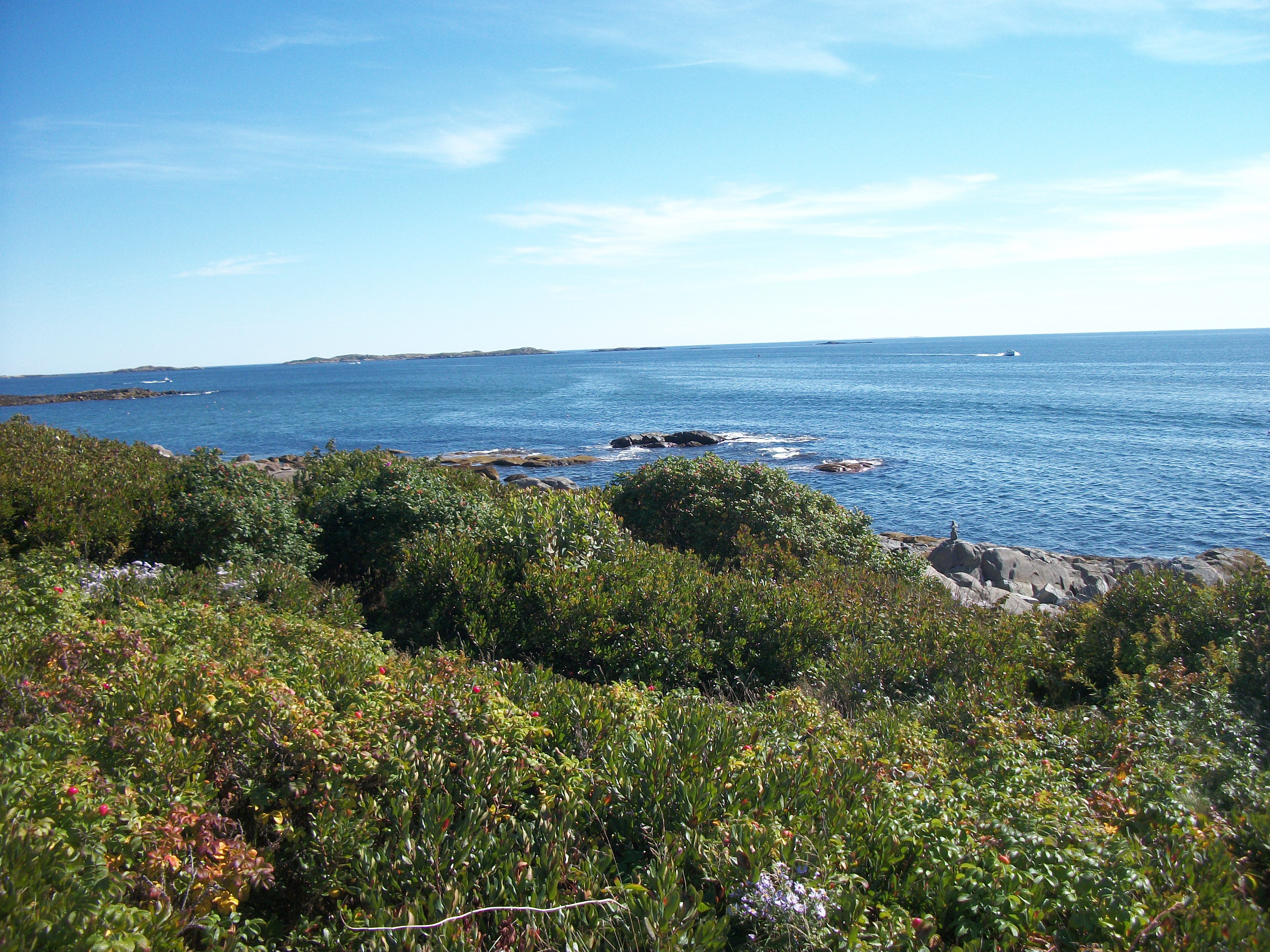
Here’s a shot from inside the preserve.  It does capture how very blue the Maine water is on a sunny day.  That’s open ocean beyond the island shore.

Vinalhaven 4

Bayberry bushes covered this hillside.  The smell of them was heady and rich.  And in the background are the firs that writer Sarah Orne Jewett called “pointed firs”–as in her novel The Country of the Pointed Firs.  Jewett was the same vintage as Willa Cather, who also lived on the Maine Coast.  And, Lura Beam, who wrote A Maine Hamlet, which was a very good sociological study of what happens as families expand and dividing the land their parents owned became more and more difficult.

The other gal in this list is Ruth Moore, and I read every one of her books I could get when I first came to Maine.  Especially after I was told that people used to put bumper stickers on their cars saying “I read Ruth Moore.”  She chronicles that moment when local people begin to leave the islands and the coast because they want to buy things.  They want money.  So they work in fish factories to get money.  And they lose their purchase on the land–and their health–just as wealthy people start coming to Maine and buying up the coast and the high places with views.  Today, access to coast and water is a problem for many traditional fishing families.

Vinalhaven bayberry

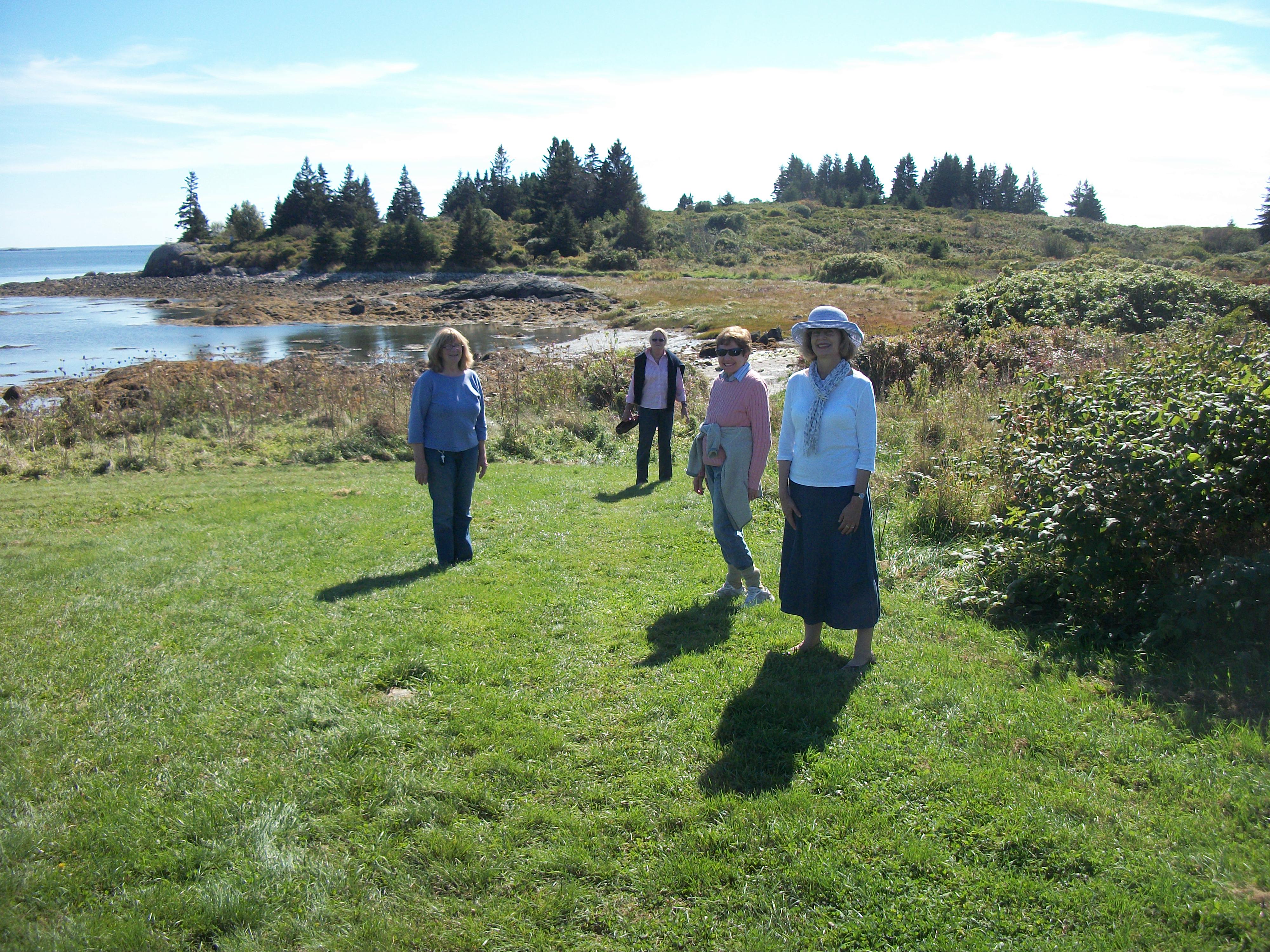
Here’s the book club, save one member who had to work today.  From the left:  Sally, Sarah at  the rear, Elinor in the pink sweater, and Susan in the cloth hat.

Vinalhaven, Lane Island 3

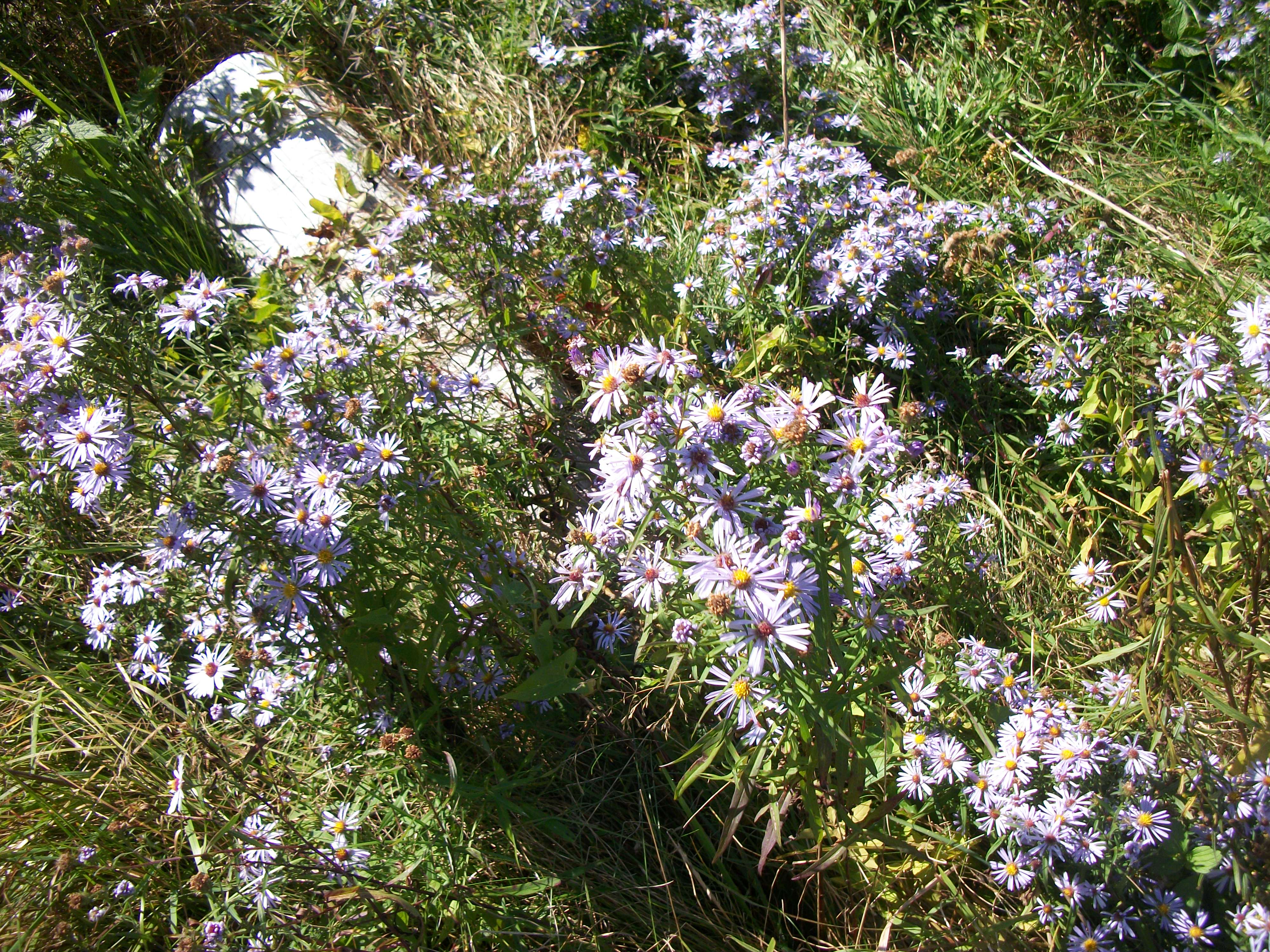
The purple asters are one of the last wildflowers to bloom.  When we see them along the roadsides, we know fall, and pumpkins, and glorious leaves are not far behind.  Here’s one of the prettiest clumps I saw all year.  They were everywhere on Vinalhaven.

Vinalhaven purple asters

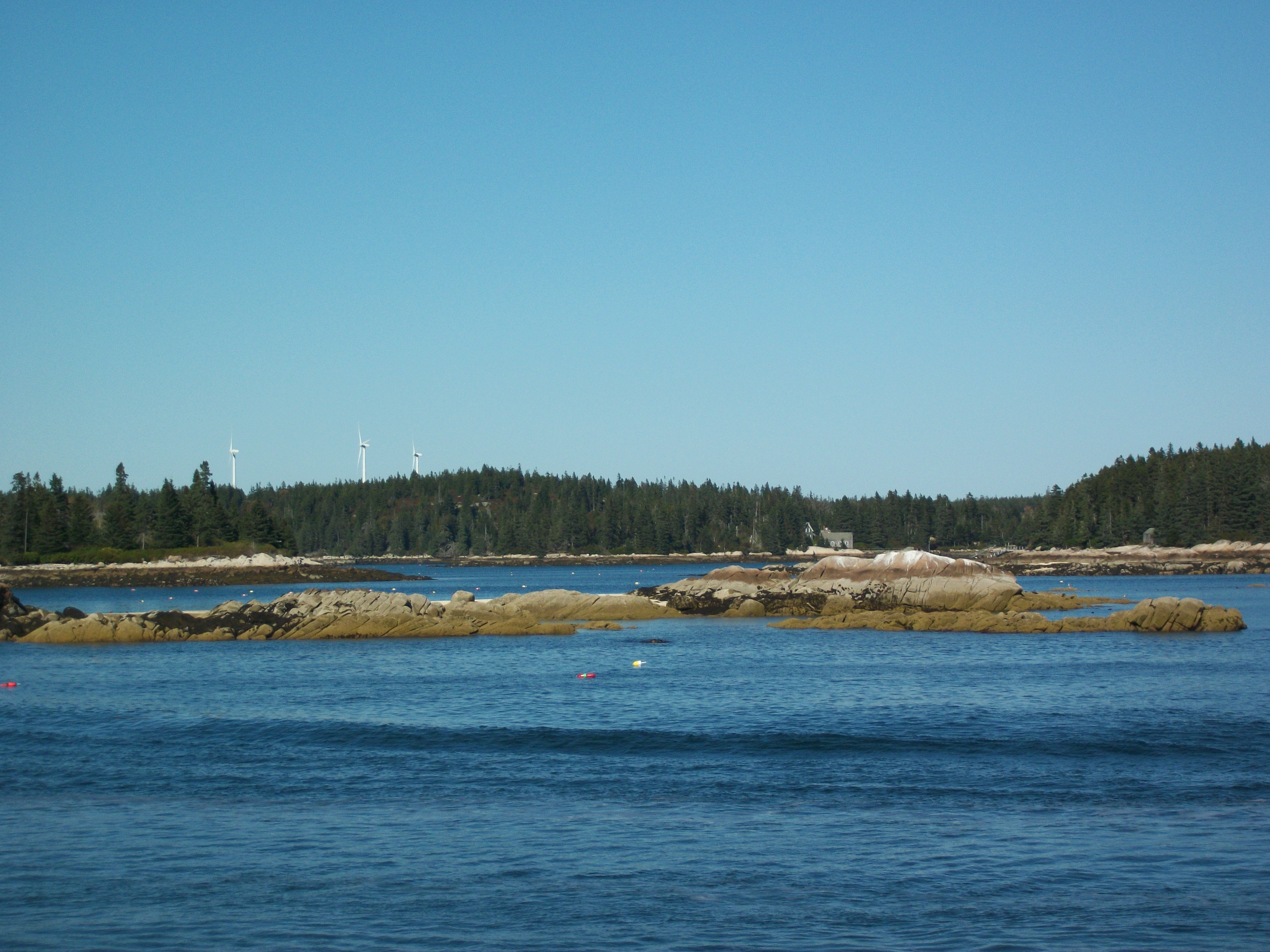
On the way home, we had a clear view of the wind mills on Fox Island.  They are supplying all the electricity for Vinalhaven, Fox Island, and North Haven–as I understand it.  The blades of these windmills are huge.  I was in Rockland one day when they were trucking the blades out to the island.  I was blown away by their size.

Vinalhaven, Fox Island windmills

The wind mills have been hugely popular with everyone but a few families who live near them.  They say the noise is bothersome.  And, I know these blades can throw ice in the winter.  But…properly positioned–as Europe has done–out in the ocean–or away from homes–they are a good thing.

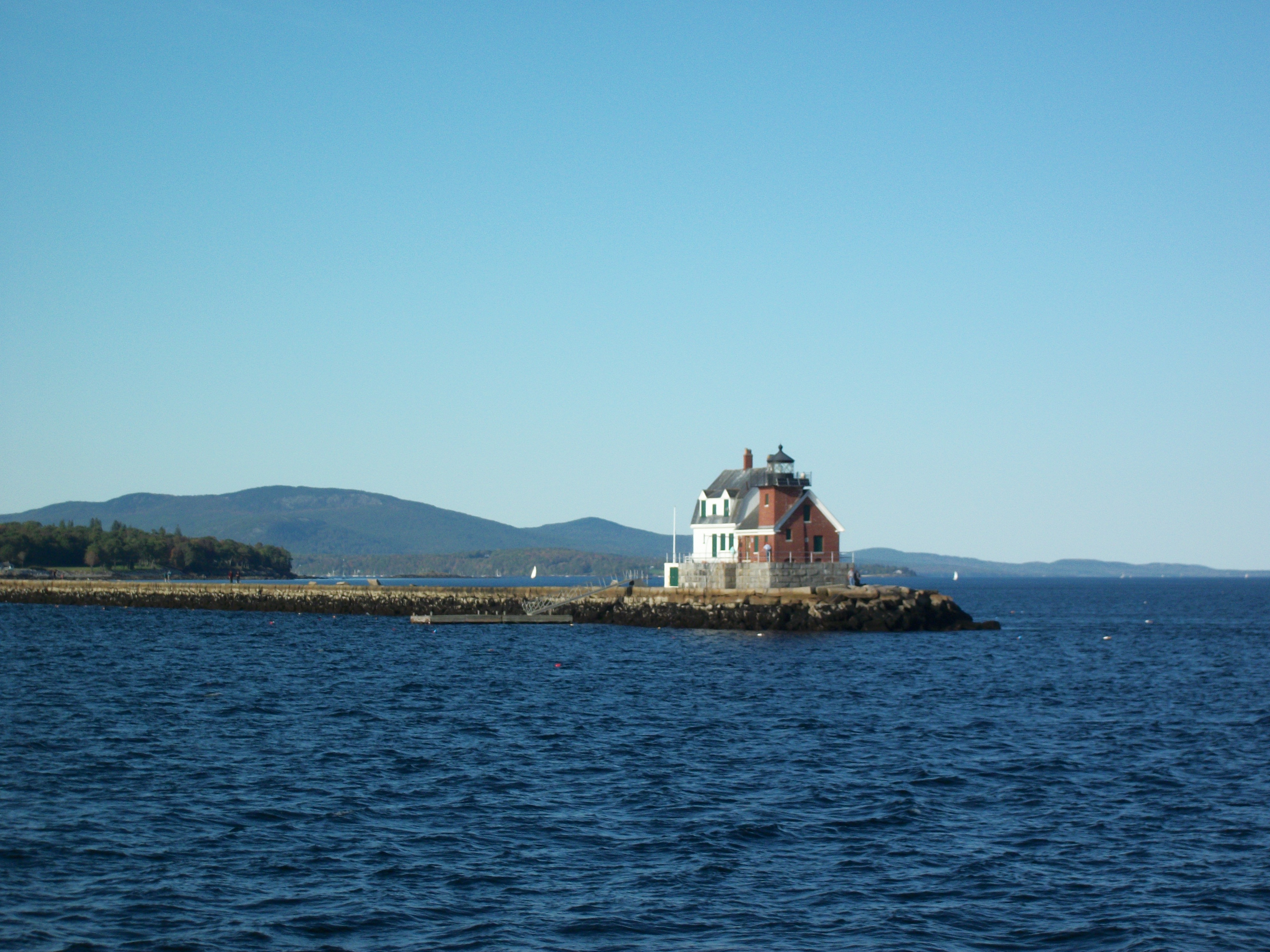
On entering Rockland Harbor, I got a lovely shot of the Breakwater lighthouse from the water.

Vinalhaven, Rockland Light House 2

So, here are my most favorite books read this summer–in no particular order of importance:

Maine writer Bill Roorbach’s award-winning Life Among Giants made me want to go and read all his other books.

Maine writer Monica Woods My Only Story is a lovely little novel.  She also has an award-winning memoir out that Maryann Enright is going to bring to me on her next visit.  I think it’s called When We Were The Kennedy’s.

Martin Walker’s latest Bruno story, The Devil’s Cave.  Bruno is a policeman in a small town in the Perigord region of France.  The books always explore a serious issue, have a mystery at their heart, and are filled with the lovely life of a small town–from meals to showing the complexity of relationships.  They are just plain fun.

Michael Oondatje, The Cat’s Table–a novel with depth, wisdom, mystery, and so much more.  It’s a lovely read.

Ann Patchett’s State of Wonder.  I inhaled this one.  It’s set in the Amazon jungle.  I will now go get Patchett’s Bel Canto, which won all sorts of prizes a few years back.

I am now reading Steward O’Nan’s Wish You Were Here, which is very good if a bit painful to read.  The patriarch of the family has died and his wife and grown children and his sister are all struggling to handle and understand their relationships in the wake of his death and the selling of the vacation cottage that united them at least once a year.

And I will move next to Curtis Sittenfeld’s Sisterland.  The book club read her novel American Wife a few years back, and we all liked it.  Sittenfeld’s American Wife is Laura Bush, and the novel treats her gently and with great compassion.


Interesting Information: ITP, or Immune Thrombocytopenic Purpura

Interesting Information:  October 16, 2013

ITP

Immune Thrombocytopenic Purpura

One year ago this month, our Kelly and his brother were taking a shower after a soccer game.

Nine year old Bowen wrapped Kelly, then 7 1/2, in a towel and brought him to his parents.

Kelly was covered with bruises–big dark bruises all over his trunk, front and back.

That moment will go down in family history as being one of the darkest.

The feared words lept into everyone’s mind:  leukemia, cancer…

But, fortunately, I guess, Kelly had contracted an immune system illness:  Immune Thrombocytopenic Purpura, or ITP.  His body was turning on its own blood platelets and killing them.  Kelly was down to about 7,000 when he should have had somewhere around 200,000.  HIs doctor wondered how he was walking around, let alone playing a soccer game.

Here’s an explanation from the Children’s Hospitals and Clinics web site:

What is Immune Thrombocytopenic Purpura?

Immune thrombocytopenic purpura (ITP) is a platelet disorder in which the body produces antibodies that bind with platelets that are the small, sticky cells of the blood that help the blood clot. The platelet-antibody complex is then destroyed in the spleen or liver. This can occur as a short-term event or can be chronic. Patients who have low platelet counts are more likely to have bleeding with trauma or surgery. Some evidence suggests that ITP is related to an overactive immune system; however, the cause is not clearly understood. The condition happens more frequently following certain viral infections and certain immunizations. It also can be associated with autoimmune disorders such as lupus.

http://www.childrensmn.org/services/cancer-and-blood-disorders/blood-disorders/childrens-center-for-bleeding-and-clotting-disorders/idiopathic-thrombocytopenic-purpura-itp?gclid=CIirnN6RorQCFUid4AodhiwAxA

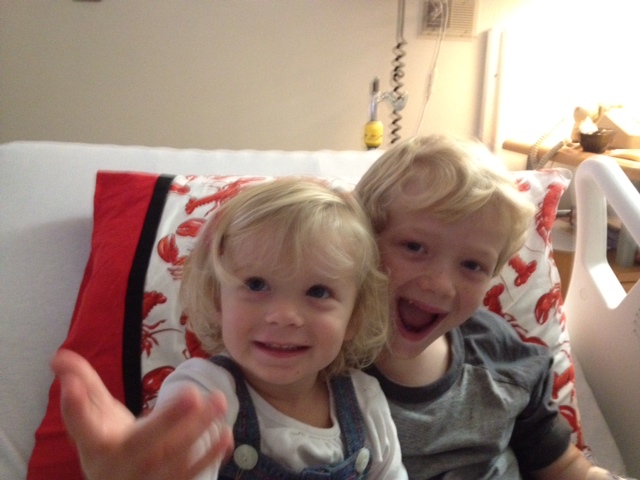
With both parents at his side and his siblings farmed out to nearby family, Kelly went straight into the hospital where doctors tried to trick his body into stopping its immune reaction.  The lobster pillowcase went with him.  (Kelly picked out these fabrics, and I made the pillowcase.)

Kels in hospital edited

Everyone held their breath to see if the treatments would work. to see if this would be an isolated incident or would become a chronic condition that would alter his life forever.

Parents worked to keep him amused, as with this loaded dinner tray–ordered to try to get him to eat as much nourishment as he could.  Kels loves mac and cheese and hamburgers.

Kels at dinner edited

HIs siblings visited and crawled into the bed with him.  And his first cousin Ailey visited as well:

kelly and Ailey after hospital, Oct 2012

Even Sea Breeze  visited:

Kels and Seabreeze edited

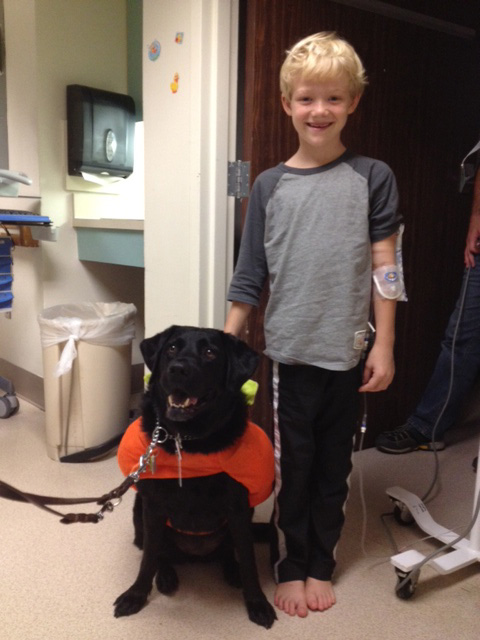
Thankfully, the treatments did work, and when his platelets had grown to numbers that were not so life-threatening, Kelly was allowed to visit even sicker children and, eventually, to go home himself.

The pillow went, too, but not before many, many people had remarked upon it.

Kelly going home edited

Kelly and his Mom Tami decided they would make more pillowcases and bring them back to the children’s wing of the hospital–and a local quilt store donated fabric.  Halloween fabric.  Here is Kelly giving a pillowcase to one of the nurses to give to a child.

Kelly and the pillowcases edited

The pillowcases make a nice story.

But, the real story here is the one that asks “why did this event happen to Kelly?”

Note that ITP is associated with having had a virus recently.  Or, a vaccine.  Or, certain drugs.  And the internet is full of people making associations with aspartame.

The fancy word for an association is a correlation.  It’s always important to remember that correlations are not causation–which has to be proven to be called a causation.  One thing that is really wrong with our culture today is that all sorts of correlations have been made to seem as if they are causations–like cholesterol and heart disease.  Or, saturated fat and heart disease.  Or salt and high blood pressure.

In the end, medicine and scientists do not know what is causing ITP.  And as near as I could discover, no one is asking about any correlations between toxic chemicals and ITP.

Who would do this work?  Who would pay for it?  Not industry.  Especially not the chemical or drug industries since either might be to blame.

Charleston folks do a lot of lawn spraying and mosquito/bug spraying.  Like too many folks today, they seem brain-dead about the effects of this kind of indiscriminate killing.  They ignore the fact that lawn chemicals have long lives and get on their children and are tracked indoors.  Skin is a very permeable organ.

Mosquitos are sprayed from planes that drop toxic chemicals on everyone and everything.  I’ve been told that after such spraying, local bee hives are surrounded by hundreds of dead bees and the beach is littered with dead butterflies.  Disrupting a food chain in this way causes a ripple effect that spreads and spreads.  Chemical fogging trucks patrol the streets at dusk.

Research shows that we are learning daily that very small amounts of toxic chemicals have long-lasting effects on humans.

It mystifies me why anyone would think that a chemical that kills an insect by harming their nervous system would NOT harm them.

Airplanes sprayed not long before Kelly got sick.  Now, there’s a correlation for you.

A year has passed–a year in which Kelly, who was quite fragile for some time after his hospital stay, has grown stronger and more sure of himself.   The circles beneath his eyes are gone.

But there remains for me a nagging dread as to what caused Kelly’s very serious illness.

Nothing much has changed in his environment…

And, again, I ask myself, where is the tipping point where people say enough is enough and something has to change.  Clearly the tipping point is a long way away when one out of two people now gets cancer, and no one acts.

Turkey Tracks: Quilting Projects Update

Turkey Tracks:  October 15, 2013

Quilting Projects Update

I have really enjoyed making the Wheel of Mystery/Winding Ways blocks–many of which I did by hand.  Here’s a picture to remind you what these blocks look like:

Wheels of Mystery 2

The line-up of lights and darks makes the “wheels of mystery.”

Anyway, after sewing while watching all of the tv series “Suits” and “Falling Skies,” I started making some blocks by machine to speed up the process.  And, then, started wanting to get the top finished.  (There is a quilt to make for granddaughter AIley’s third birthday in late November.)

When I get focused on finishing a top–it gets finished.  All the blocks are done–so I will start sewing rows together–which will require patience as there are lots of joins that need to be perfect.

i’m going to do two borders that will finish at 3 inches–and come out to a border of 6-inch nine patches in the fabrics of the quilt–with the dark fabrics predominant.  I hope the math works.  It does on paper.  These blocks are kind of stretchy and wonky–what with all the bias edges.  It could be a disaster.  It could be ok.  Time will tell.  It will be what it will be.

Anyway–handsewing blocks is a big thing in quilting now.  “Hexies” are all the rage.  And other shapes are showing up.  Micky Dupre and Bonnie Hunter have a new book out that mixes hand-sewn blocks with machine patchwork.  I can’t wait to see it.

I love hand-sewing.  For the moment I’ve given up on knitting and am hand sewing some clam shell blocks.  I walk around with the ingredients in a bag in my purse–such as at the airport last week to pick up sister Susan. Here are some of these blocks sitting on my knees:

Clam shells

Here area  few sewn together against the blue arm of the chair in the airport waiting room:

Clam Shells 2

Here’s what the top looks like as of today:

Clam Shells 3

It has not been ironed–but it’s going to lay down nicely.  I’m not sure it’s wide enough.  I’ll trim up and put on multiple borders and will hand quilt the clam shells at the very least.

This fabric came from a collection Susan Barry, who died of cancer a few years back now but who is still remembered, put together.  It came to me in a nice plastic box–all matched up and ready to go.  I wanted to do something with it to remember her by.  The clam shell block seemed to be perfect for these fabrics–which are sweet and soft.

Can I tell you that clam shells are hard to sew?  There is a lot of fabric that has to be eased into a small curve.  Heres’ a TINY clam shell block done by a dear friend who is leery of internet so she will remain nameless.  It’s not a great picture.  I’ll try to retake it.

100_3316

Each of these tiny clam shells is perfect.  The quilt is called “Shore Dinner” as I recall.

I can tell you that I have grave reservations about my clam shells being this perfect.  BUT, I am enjoying making them.