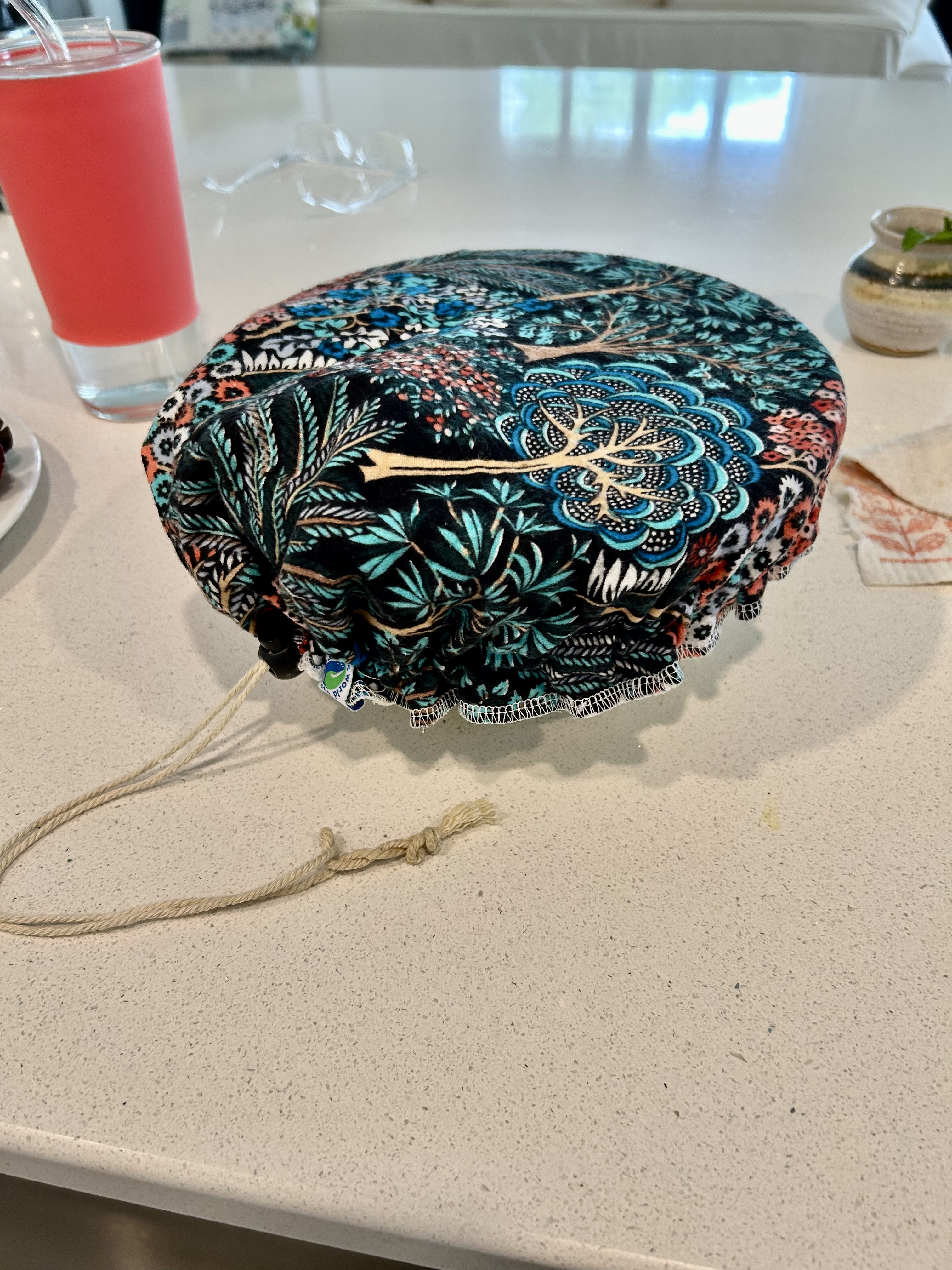
The Green Cropped Pants

Last night we had the most spectacular thunderstorm I’ve seen in the last two decades. We are talking LOTS of lightening and thunder, lashing rain, and high winds. These storms are heat-produced, I think–and Maine didn’t have summer storms like this one. Our temps went over 90 degrees yesterday, but today is cool and lovely. The porch is soaked, but the grass is happy. And in a bit I’ll go out and weed more in the grass as the clay layer will be soft and weed roots will come out easily.

Sunday morning I finally sat down to alter a pair of pants I rather like and have had for years and…years. I can date them to when Mike and Tami moved to the Charleston, SC, after Mina was born. Mina will be 16 this fall.

I never really wore these cropped pants in Maine. I don’t know why not. Perhaps it was a weight thing? But now I’ve lost 50+ pounds. And these rarely worn pants are PERFECT for beach walking and shell collecting here in SC. They are, actually, perfect for lots of activities. They are a pale mint green. They have these really neat pockets. The fabric is soft cotton with some lycra, so a bit stretchy—and definitely needs poly thread during.
I had started to rip out part of the elastic on the waistband where it was just way, way too big, but kept putting the pants aside.  For several months, it seems. And a few weeks back, I put the pants on the back seat of the car in case I passed one of the rehoming clothing bins I know I’ve seen—but couldn’t remember where. And, deep inside, I just could not let go of these pants, so they went back up to the sewing room.  

On Sunday, though, I finished ripping out what needed to be ripped out on the waistband. I took SIX INCHES out of the waist and using knit stitches and zig-zags on the big Janome, I tapered down the side seams—then put the waistband back together.  I should have used the serger, but didn’t have a good thread match and one needs 3 spools for the serger.

The pants look and fit AWESOMELY!!

I am so happy I fixed them!

And now I need a beach walk so they can shine.

Pine Straw Gardening

***Today at 10 am is DIL’s Tami’s live bee interview in Athens, Georgia. Now, 330,000 educators have signed up to view it live, along with school children and some adults. Details are on yesterday’s post. It can be viewed taped later, which I will do as I have a dentist appointment this morning.

***

I grew up with pine straw being used in my Georgia grandmother’s magnificent gardens and on her open back yard areas.

I remember that in the shady back yard areas, people visited together in a ring of metal garden chairs, or worked in the summer kitchen to can tomatoes, or ate some wonderful and special food at the long wooden outdoor table. This backyard area got new pine straw a couple of times a year.

New pine straw is prickly on children’s bare feet, which was our condition most of the time in our summer visits, unless we were made to put on shoes to run up the block to the local grocery store to get something someone needed immediately, like, for instance, cold coca-colas for a morning backyard chit-chat break. But no weeds came up under the pine straw, which offered a pretty way to cover a shady back yard space that would not have supported grass.

This use of pine straw would have predated the current market for wood chips and/or mulch made of composted wood pieces mixed with composted dirt which now is used to cover garden beds. But here in the Deep South, pine trees are abundant and are sources of…pine straw. And pine straw, unlike mulch, covers dirt and keeps one’s feet clean.

The builder of my house and neighborhood used pine straw around the new houses. And that triggered memories for me. Honestly, I don’t remember what grandmother had in her formal flower beds, but I don’t remember weeding being a huge issue either.

As an aside, look what I saw in my front garden bed the other day. One of the little lizards so common in the South. Hello, my friend.

I’m seeing, also, tiny little black rain frogs in the pine straw when I have an occasion to disturb it. So the pine straw is doing a good job holding in moisture. And these tiny frogs will consume smaller insects I think. Pine straw, thus, is a natural part of the habitat here. And it is inexpensive and not heavy to transport.

After years and years of mulching in both Virginia and Maine, I’m enjoying this reunion with pine straw being used in one’s garden. I’ve been in my new home since early January, and I’ve only had a few sprigs of grass or weeds spring up in my pine straw beds, so I am kind of amazed, actually. That is so not true of other forms of mulch I’ve used over so many years. I had to do a lot of weeding in both Virginia and Maine.

Pine straw is high in acid and is a boon to acid-loving southern plants like azaleas, camellias, rhododendrums, tea olives, and many more southern plants.

It’s really easy to lift the edge of a pine straw mat and fold it back to weed beneath, which I had to do along some of the beds’ edges where the pine straw covered the centipede sod mats that come with a grid of plastic to hold them together. It’s a bit like folding back the covers on a bed one is making up. Then, when the sodded grass and its plastic grid is cut and removed, one just refolds the turned back pine straw edge.

Many of my neighbors are taking out the pine straw and putting in types of wood-chip mulch. Heavy wood chip mulch without added compost will retard weed growth, but it also pulls nitrogen out of the soil for a year or two while it degrades, which is not so good for the plants. Or so I read many years ago. And heavy compost mixed with wood chips feeds weeds as well as plants.

One neighbor told me she thought the pine straw harbored insects, which I took to maybe mean the dreaded palmetto bugs. But I’ve been outside a lot working in my beds, and I have not seen more than a spider or two. And, yes, a few of the tiny rain frogs. And that beautiful lizard, which also eats bugs.

The folks coming around to spray garden insecticides help foment this dread of “insects,” of course. Inside and outside. Can I just say data today clearly shows that herbicides and insecticides are WAY more dangerous than any insect–especially for children, which are happily abundant here in this neighborhood. (I love living where there is a healthy mix of human ages.)

One DOES have to treat for termites here. They are a menace. And once in Maine, carpenter ants got into one of my dry storage spaces upstairs, and I had to spray for those. And, then there was the time when we brought home bedbugs in, probably, our suitcases after traveling. That was a terrible spraying event. Terrible. So, yes, there is sometimes a need to stop a particular kind of destructive insect. But there are always health costs involved as well. Face it, we live in ways that encroach on the balance of the natural world all the time. But I hope that I’m making the point that insects are also part of the natural world and each has their place in it.

THUS, it makes no sense to me to spray to kill ALL insects (and creatures) in your lawn and on the whole of your house when many are needed in gardens and are doing no harm. My little lizard friend is here to EAT some of my insects, as are those tiny frogs, as are the spiders–insects and frogs and spiders that may have moved to my lawn and beds to escape death, as one sprayer predicted while standing on my front porch.

I can live with my insects for now. I baited some for roaches inside and in the garage where the big garbage cans live. And the house was treated for termites. But for me, that’s it for now.

And Alex, who mows for me, put down more pine straw Monday.

Look at how fluffy and pretty it looks:

Those azaleas and hollies are HAPPY.

I’m really liking recalling my Georgia pine straw memories–which are supporting what I think is the best thing to do in my own southern garden now.

The Bee Cause Live Interview Is Tomorrow

My DIL Tami Enright is the director of The Bee Cause Project–initially funded in South Carolina by Georgia’s Ted Dennard of the Savannah Bee Company.

Ted Dennard and Tami Enright partnered to create and facilitate The Bee Cause Project, and Tami has grown the program nationally and internationally as “bee grants” have gone to over 500 schools and organizations. There are now Bee Cause hives in all 50 states. And, The Bee Cause also creates inspirational and educational programs that support protecting bees. The Bee Cause work is impacting hundreds of children and adults across the US, Canada, and Puerto Rico.

There will be a live interview about bees tomorrow in Athens, Georgia, with Tami as the guest expert. Some 40 thousand school children and many adults are signed up to watch live.

The Bee Cause Project’s web site follows if you are interested in more information:

https://www.thebeecause.org

A Cooking Day

Yesterday, Friday, was a cooking day–after a morning trip to Whole Foods for ingredients I cannot get closer to home. And, Whole Foods is not really all that far away–maybe 15 minutes, depending on traffic.

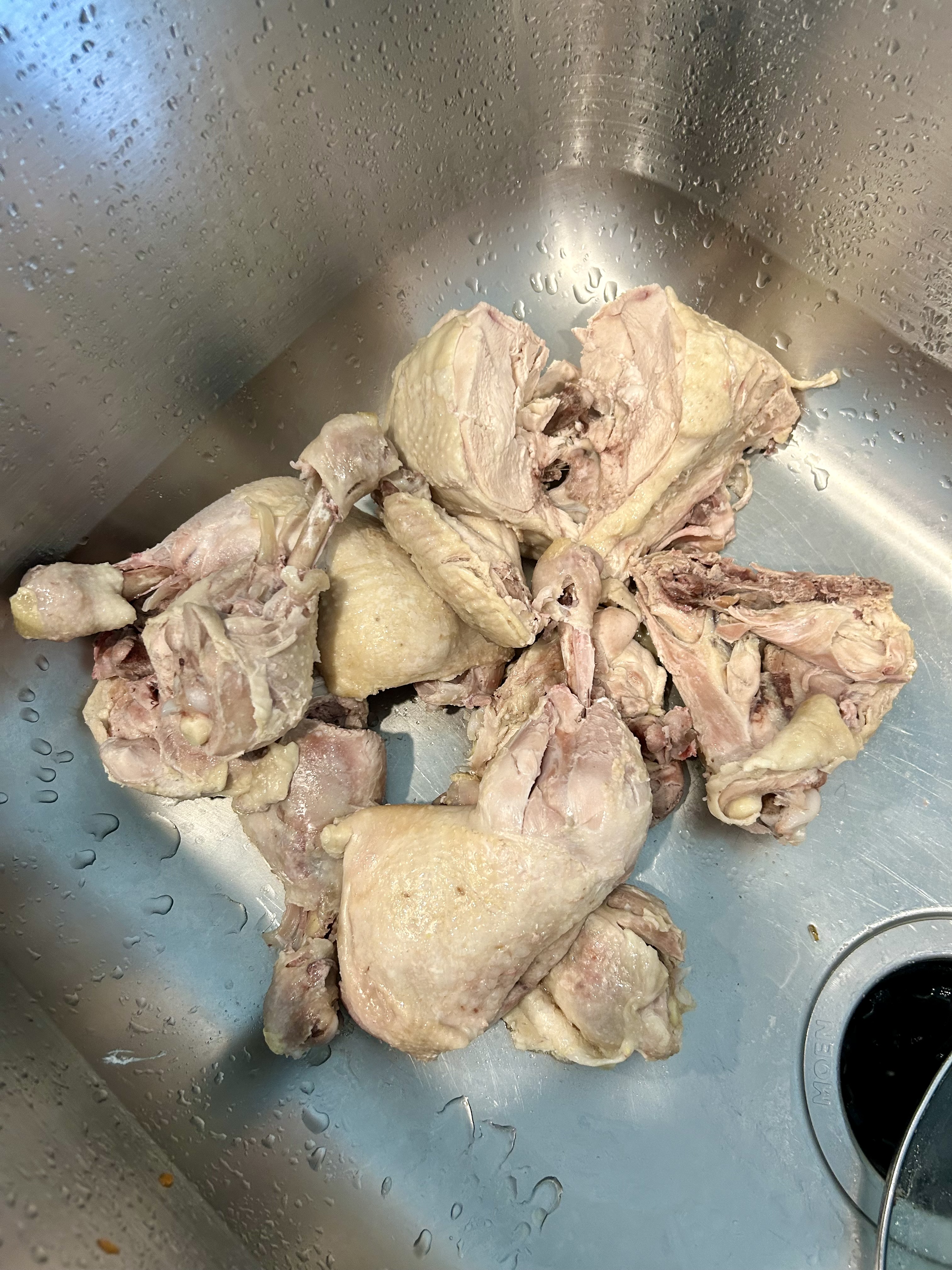
The saved chicken bones were taking over my little freezer, so it was time to make a bone broth–which I froze as I’ll have a granddaughter here for a weekend in early June–and she wants to make soup.

The broth turned out to be lovely and dark–and rich with fat, some collagen, and, hopefully, some glycine. Note the skin left on the onions–which I do if the onions have no mold anywhere. The skins add lovely color.

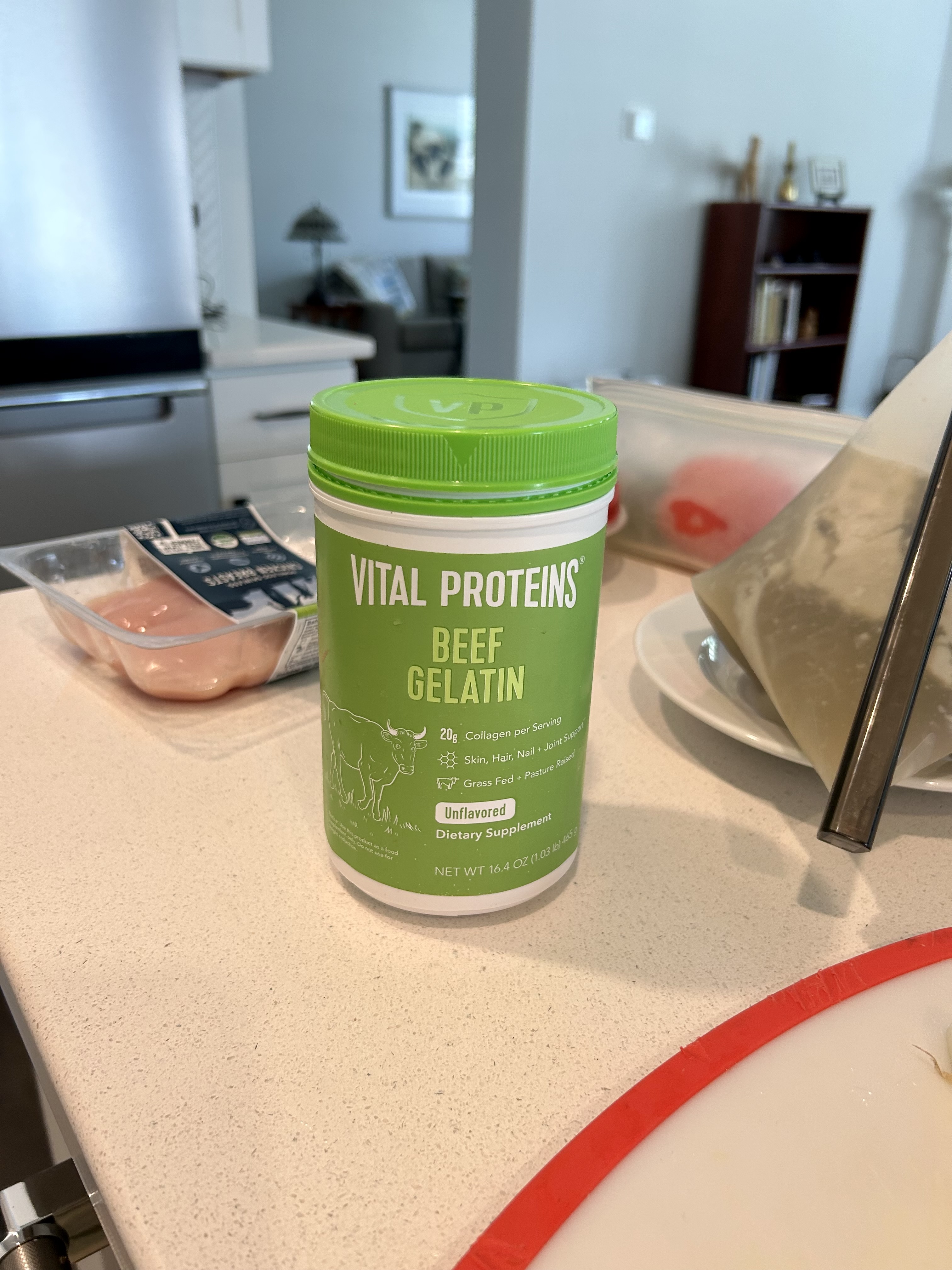
I found some recommended beef gelatin at Whole Foods that I had been seeking. And a nice rice mixture, though I prefer sprouted, organic rice, which I think Trader Jo’s carries.

Gelatin contains vital ingredients for human health: good fats, glycine (an essential amino acid), and collagen.

Check your fingernails–if they are soft and flexible or peel easily, you are lacking these essential health foods. And that’s because people today are not eating meat products where the connective tissues and fat have been left intact. People are eating neat butchered parts. In other words, boneless, skinless chicken breasts will not float your health boat. Nor will lean steaks or hamburger. And, no one eats organ meats much anymore. I could go on about eating nose to tail, but I do the best I can with what I can find in the market.

But, adding some good quality gelatin, I think, is a good idea. I can, actually, add a bit to my coffee each morning. Or some other warm drink. And I will add some to the future soup. I’ll figure out a daily plan.

My nails are really strong. So no worries there. And I don’t snack between my two daily meals and my breakfast of coffee, raw local honey, and lots of raw heavy cream. And I have super high energy levels from the daily fats I consume, energy that is steady and long-lasting. But it doesn’t hurt to make sure I’m getting enough collagen and glycine.

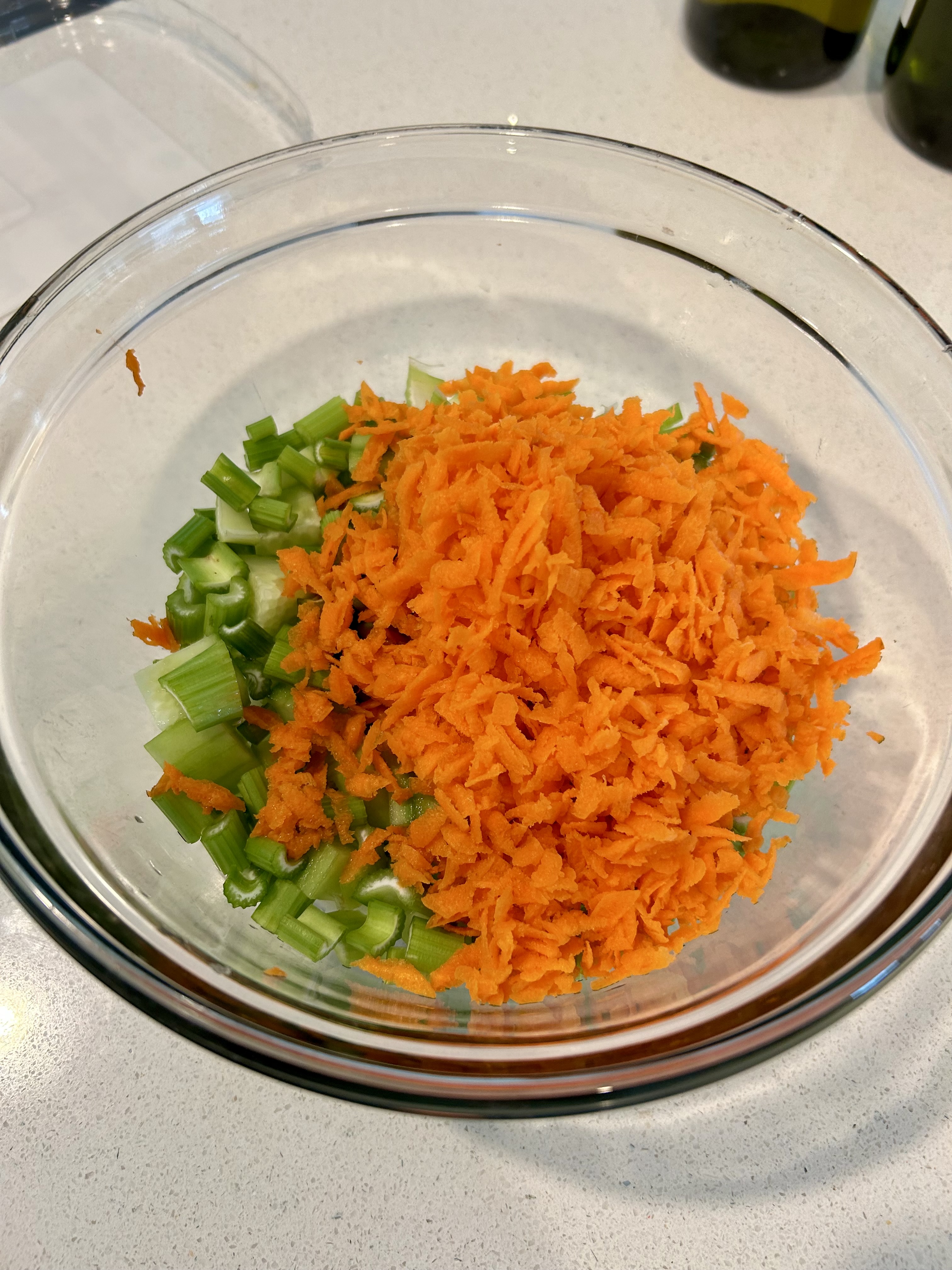
I made a delicious raw kale massaged salad–and added in some onion, grated carrot, and herbs–mint and basil from the herb garden. I didn’t add an acid or the normally-used Parmesan cheese, but you could add fresh lemon juice and the cheese–the acid and salt helps break down the kale as you massage it after adding olive oil.

Later I added a teaspoon of white vinegar–and that helped with both flavor and breaking down the leaves. The tiny experimental amount seemed to be ok in terms of being a histamine trigger.

While the cooking was going on, I roasted a sweet potato in the oven and grilled some lamb chops when the sweet potato was almost done. You can just see the raw butter melting over the sweet potato half I ate–the other half is now an asset in the refrigerator.

Dessert was the after-dinner espresso while reading my current book.

In the late afternoon I watched a granddaughter win that day’s tennis match in a local tournament. And in the early evening, there was time for sewing.

Supper involved some sliced cucumber, a glass of milk, some leftover grilled chicken, a bit of sliced sweet onion (contains needed sulfur), and tv.

It was a good day.

Dentist Morning

I am slow to post today as I spent the morning at the dentist.

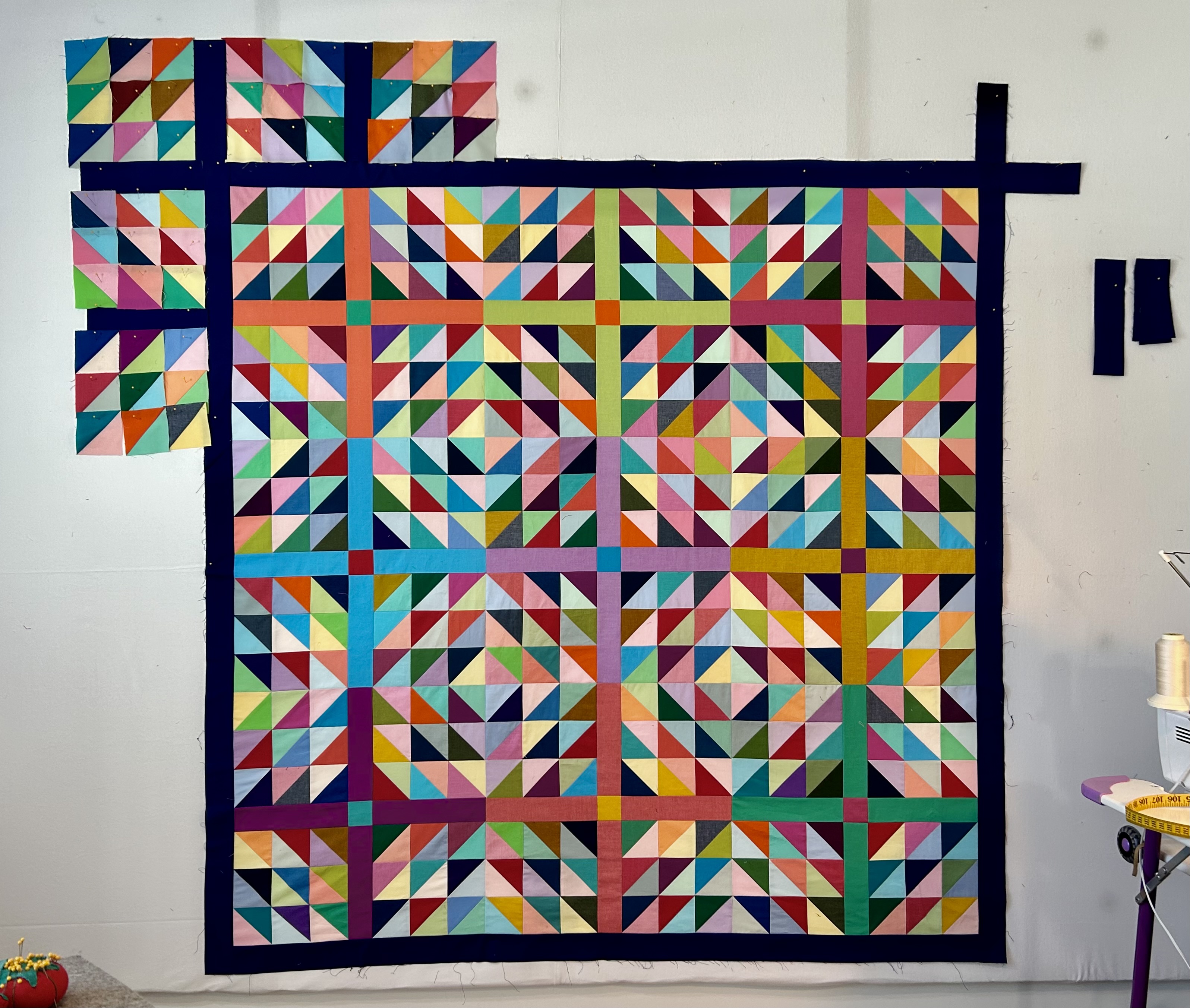
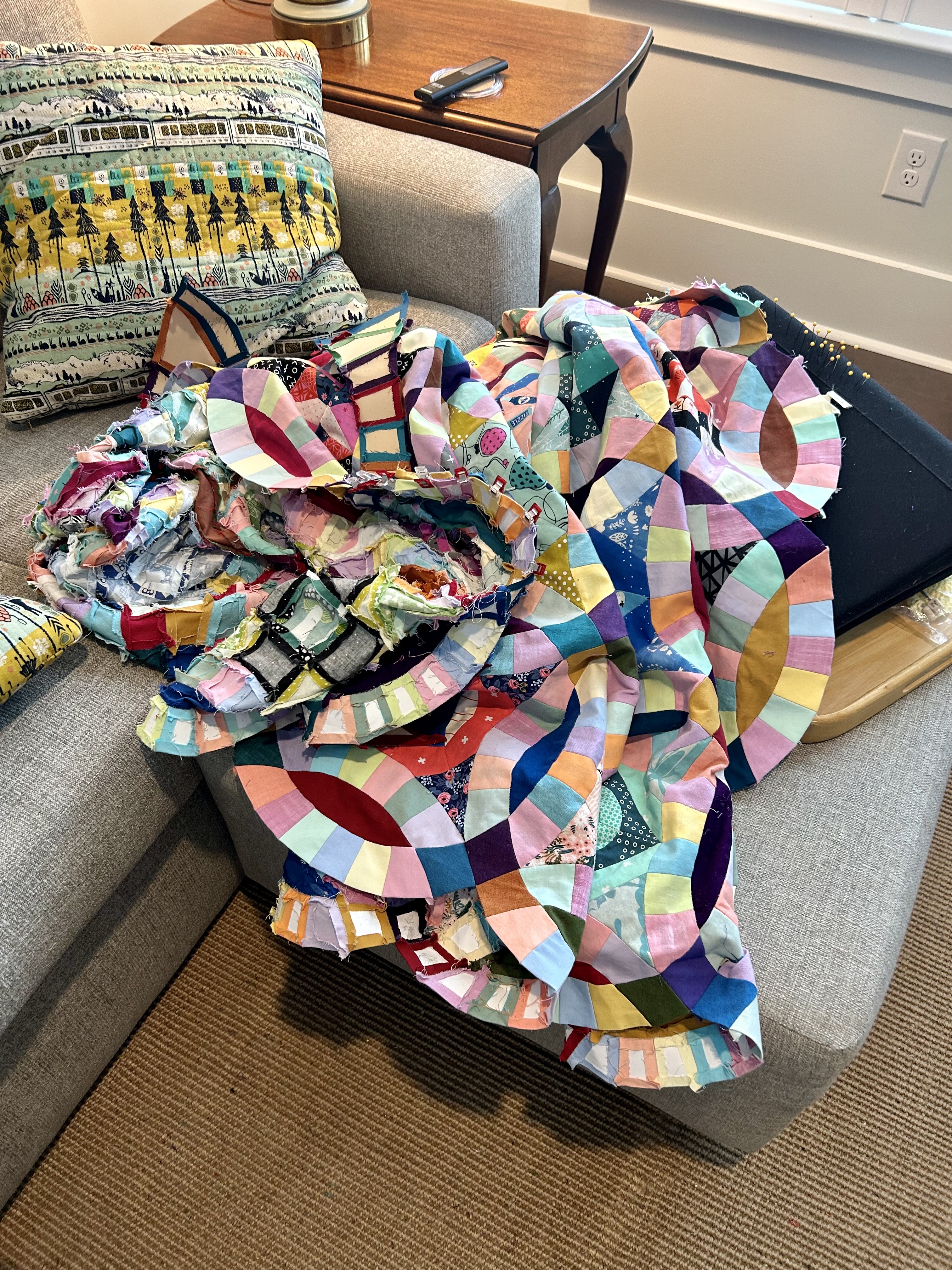
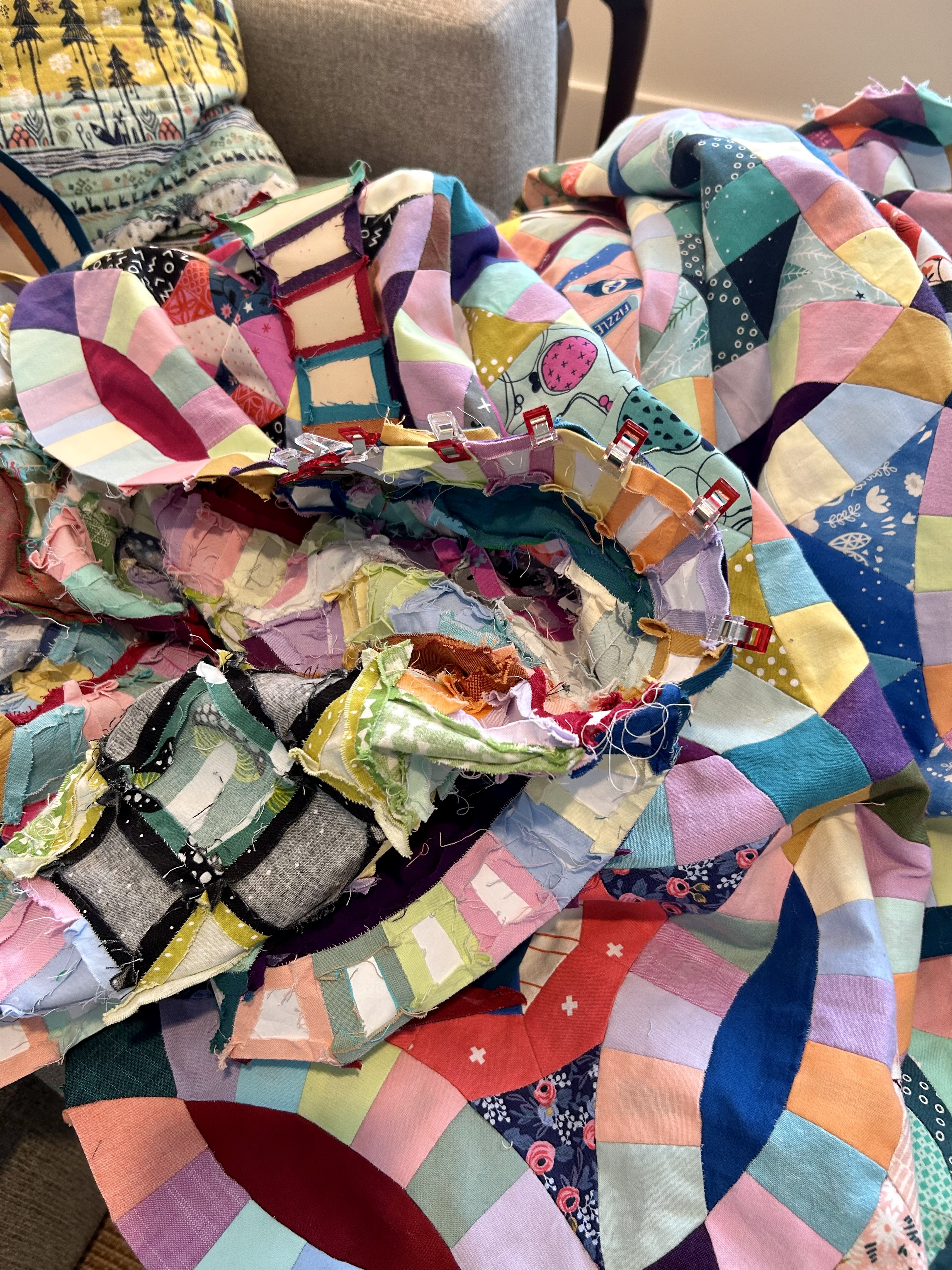
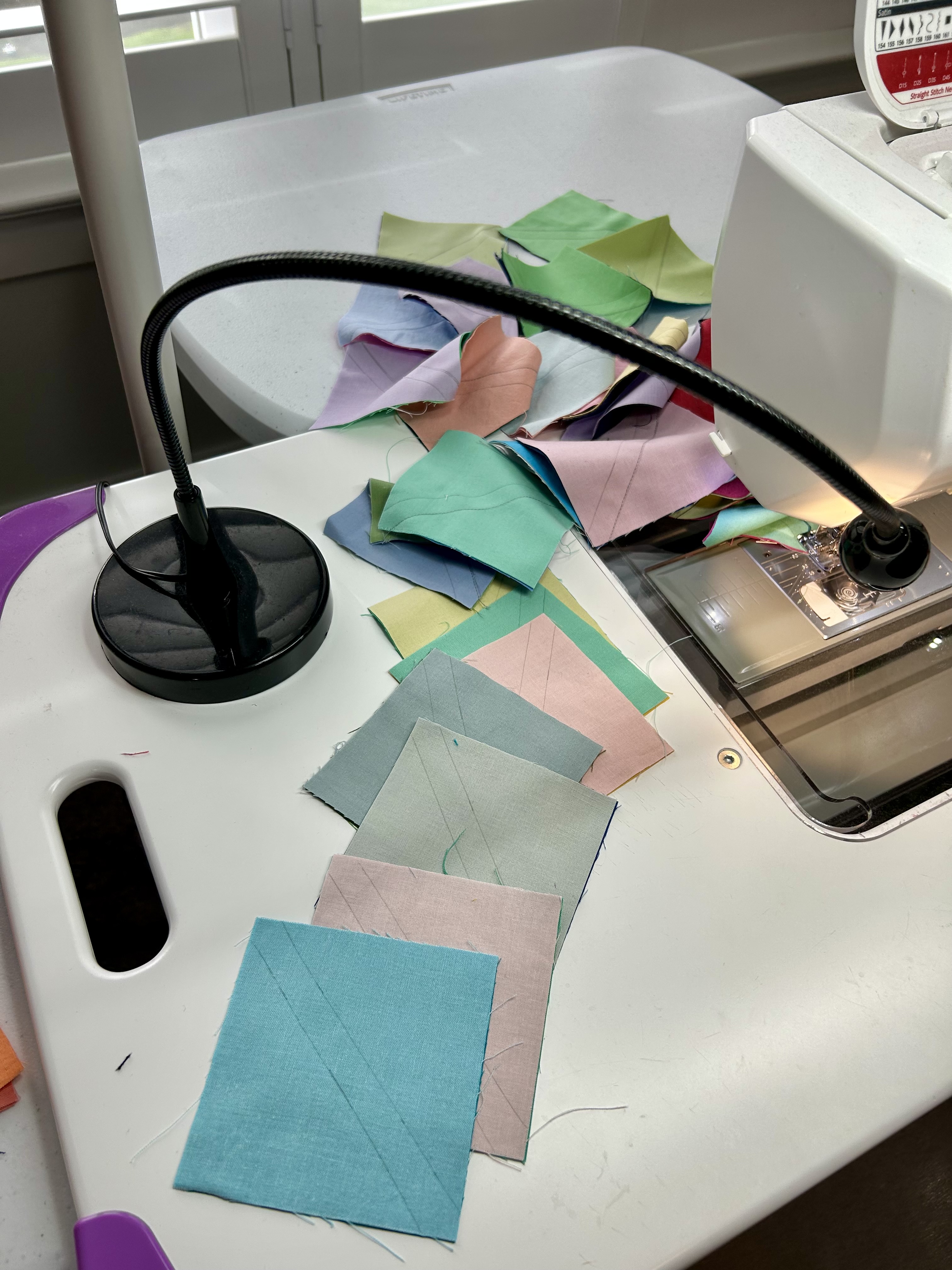
When I got home my mouth was still to numb to eat, so I finished sewing in the 3rd block of 6 to the last row of the “quilt from hell,” which is easily 5 or 6 years in the making now. It feels like that amount of time anyway.

But, I’m seeing the end in sight now, though I’m NOT looking forward to joining these three rows to the other three. I don’t know… It’s feeling like this quilt needs to be hand quilted too. If so, it’s a good thing I can put it on Innova the longarm to baste it.

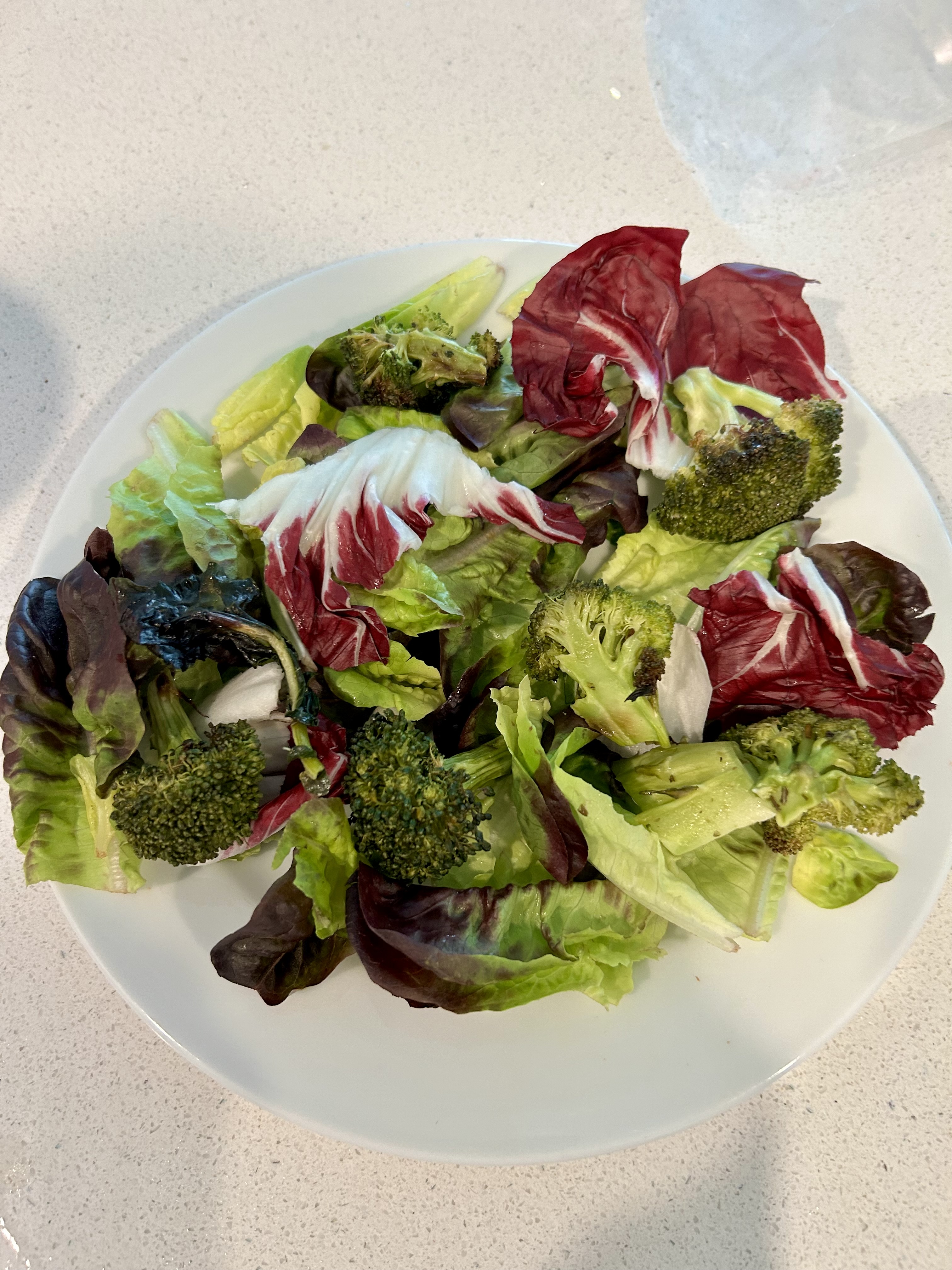
Dinner on the porch with a mouth that could safely chew again was mostly leftovers: grilled chicken thighs, roasted broccoli and zucchini squash, and some buttered black rice noodles I did cook as I am out of sprouted brown rice. (*Note to self. Again.)

One of these thighs went back in the refrigerator for supper as two was one too many.

I love, love my new dentist. SHE (the first time with a woman dentist for me) is awesome, gentle, kind, careful, not hurried, has small hands which fit much better inside my mouth, has empathy, is a perfectionist with tons of patience, and I could go on. My mouth was a mess after the CDC shut down the dentist offices during the worst of the covid hysteria and then dentists had a huge backlog. I now have old teeth, old crowns, old fillings, and new cavities.

But I also have a NEW dentist that I like and trust.

I kind of feel like I’m living through the Rascal Flatt’s song, “Northern Star.” All the roads led straight to…her…when I needed…her…and her assistant Caroline.

Blueberry Placemats

And, napkins.

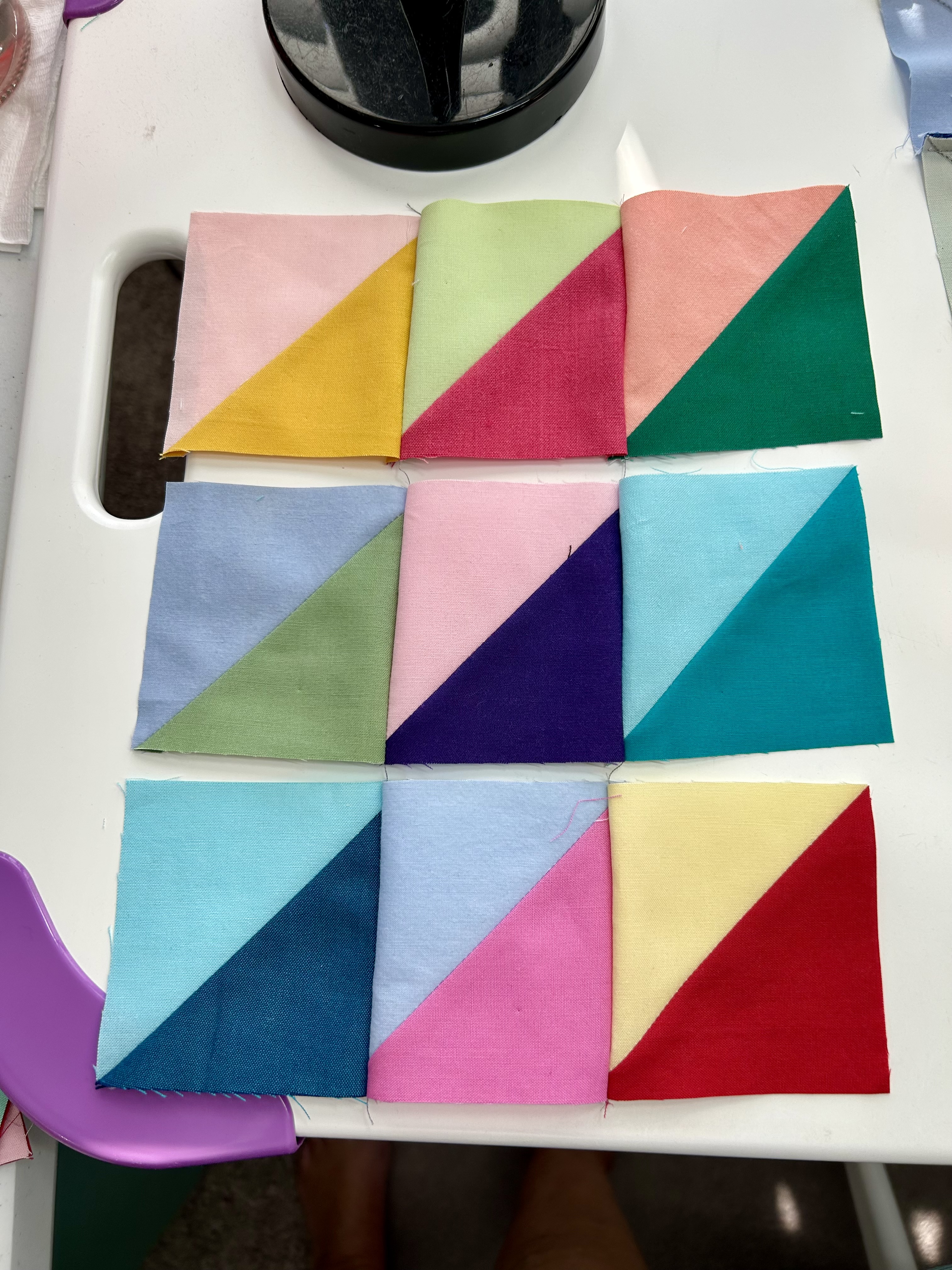
I am loving using the stack of blueberry fabrics I bought when we first moved to Maine in 2004. I thought at one time about a quilt with a house block made with the blueberry fabrics. But I never slowed down to try a sample block. I think now that making placemats and napkins which go with them is the perfect way to use this fabric.

I seem to have two kinds of blueberry fabrics–and probably collected the different ones along the way after moving to Maine–but I’ve had them all for a long, long time. And now that fabric stack is on my cutting table, all cut up and organized for the placemats.

Here are the six I have completed–made from one type of fabric in my stash.

I may replace the one napkin that matches its placemat. But, I might not either. Time will tell. The bigger napkins made with the solid fabrics require a 20-inch square start, which is a big hunk of fabric out of a one-yard piece. But, they are lovely and feel good in the hand. Plus, Kona solids are reasonable priced.

I like the striped binding on one of these placemats–and I have more of that binding cut and ready. That placemat is made in the traditional way–three layers that are quilted, then bound. The others are made with the turning opening on the back, after quilting the top and batting layers–just improv wavy lines. I then make at least two wavy lines that go through all the layers so the back will remain in place when washed.

I have my older Janome set up with a walking foot, which I’m really enjoying for the quilting on these placemats and for installing binding. I’m using that machine a lot. It’s easy enough to move the thread I need for various tasks from my primary Janome machine to the older Janome–much easier than constantly installing a walking foot on the newer Janome.

Now I’m starting on the other blueberry fabrics–which are softer and less bold in color–and after making some will decide if they will go with these first six in any kind of scrappy way. That could be interesting. Some of these next placemats will have printed fabric napkins.

I finished the next block on the quilt from hell last night and will sew it into the big piece and set up another block–the 4th of 6, so I’m over the hump on this last row.

Progress in various ways…is happening…which makes me happy.

The Beach, The Beach!

I had a lovely walk on the beach yesterday–despite the fierce wind out there. I parked further north this time and came down this path–36A. I took a picture of the houses so I could find this path again on my way out. Just in case. All the paths are marked by number too though. But it is easier to see the houses then walk through the soft sand to check the path number.

Look at that sky!

The entry paths are marked by yellow barrels and the path number on both the street and on the beach. The path number is keyed to the island street numbers, which ARE numbers with few exceptions. Low numbers start in the south and increase as one moves north. Many local beach visitors leave their road shoes in the sand near a barrel or the path’s end–to be retrieved on the way out.

As I said. The wind was FIERCE. I loved seeing this little group of people happily talking behind the wind barricade they had erected, so I turned around and took a picture after I had passed them.

The pelicans were hunting further out. They fly in chain lines–like one sees geese fly–and dive into the water. Or, they all alight in the water beyond the wave breaker line. I tried for a picture when they flew over my head, but didn’t get my phone camera organized fast enough.

The tide was just turning from dead low–and you can see that there is a sand bar further out, with a deep slough near the shore.

Here’s where that outer sand bar curves to meet the exposed beach. Note: the wind is too hard for my voice to be heard.

Tidal pools lie above the water line, and they are often filled with treasures. Here is a battered veteran of the tidal cycles.

I think it is time to get a refresher on the various shore birds. I remember the little, very active, sand pipers (sanderling family). But what is this bird, with his/her distinctive black legs and long bill? S/he was energetically dining on something in the sand in the backwash of the waves.

S/he did NOT like it when I pointed a camera at him/her. With the wind ruffling his/her back feathers, s/he stopped eating and started a quick walk away from me and would have flown off if I persisted.

I did a little research when I got home. Maybe this bird is a Dunlin. Or, a Red Knot.

https://www.allaboutbirds.org/guide/Dunlin/id#

Note to self: the next time the wind is this high, walk INTO the wind on the way down the beach so when you get tired, you will have the wind at your back on the return trip. It is very, very easy to walk a LONG way with the wind at your back and not so easy to walk against such a fierce wind when it is time to turn around. My upper thigh muscles were really tired by the time I retrieved my shoes–which I suppose was a good thing.

Anyway, I slept like a log last night.

And, It’s Another Monday

We have a very pretty morning here today. The strong wind is gone now, and low tide is the middle of the day, so there may be a walk on the beach. I’m definitely mailing the two quilts to Wyoming first thing.

“Eye Candy No. 5” came off the long arm yesterday afternoon and got trimmed. This quilt will end the Churn Dash series.

I love the backing–Ruby Star Society’s Sarah Watts: Firefly Nature Forest Owls on Ash.

I’m really happy with the quilting texture.

I used a curvy pantograph.

Later today I’ll bind this quilt, but I won’t start stitching down the binding until I finish a block on the quilt from hell and set up another one. I want to just move that project along, no matter how slowly.

I’m watching SWEET TOOTH on tv, Netflix. It’s interesting. It might be too scary for my 8-year old granddaughter though. And there is violence as there are very bad people who must be…stopped…from what they are doing.

Have a wonderful week everyone!

Ligustrum

The ligustrum is blooming everywhere now. Ligustrum is the main family for various blooming privet types in the olive family. It is super hardy in the Low Country, and it needs very little care. The blooms are very fragrant. But, the fragrance is strong–and one either likes it or one doesn’t. I like it, but I don’t have the greatest nose for scents.

Ligustrum can grow really tall if left untrimmed. It can make a really nice hedge. And as it is so hardy here, the builder has used it to camouflage electrical boxes, for instance, around the development.

I think Ligustrum is a good choice for how it is being used here. And I’m enjoying seeing all the white blooms everywhere I go right now.

Rain started off and on in the night last night–so I’m doing a happy rain dance as I won’t have to hand water the newly-fertilized grass. And as I am writing, the sky is fairing off as the storm moves north.

I came home from a family birthday celebration last night, complete with a locally made gelato super chocolate cake, with a granddaughter’s sweatshirt that needs a quick and easy repair.

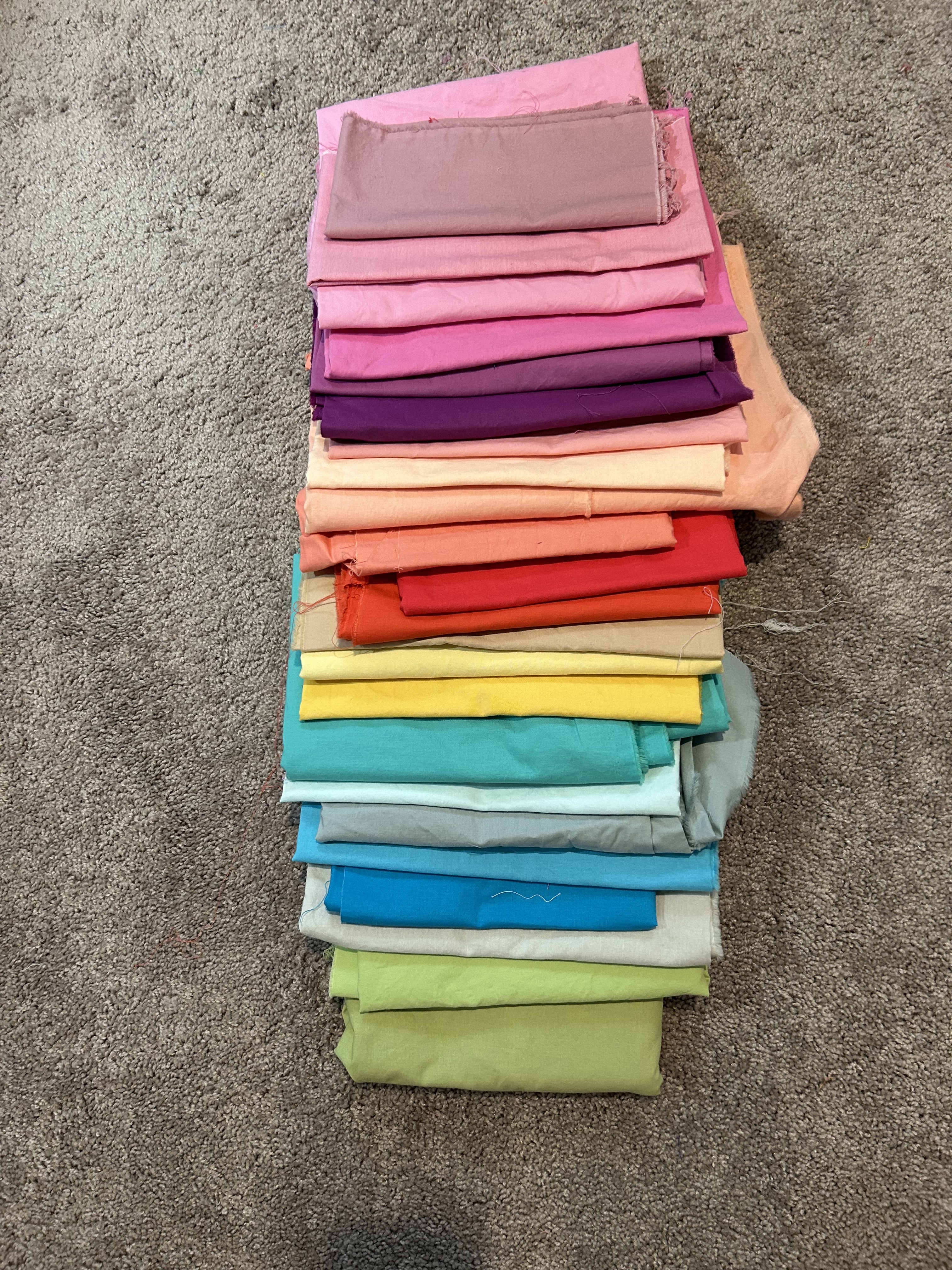
The Churn Dash quilt is half done on the longarm. And yesterday I paired all the blueberry fabric pieces cut for placemats with Kona solid backings and 20-inch pieces for napkins. Missouri Star had free shipping yesterday, so I ordered some more Kona solids to fill in where I ran out of big pieces–AND, a potential 108-inch Kona backing for the Transom BOM quilt–which I’m planning to hand quilt with 12-wt. thread.

Two-Shower Days

Wednesday and Thursday were shopping (food, plants) and planting days.

I promised a picture of the Asian Jasmine groundcover I’m planting, and Lowe’s had a big bed of it as it turned out. You can see how it will put down a solid, low mat in sun or shade. And this bed still had some of its little white flowers blooming.

After shopping for plants and amendments, I was famished. So I stopped to make my dinner, which I eat in the middle of the day. Getting the major meal of the day out of the way allows me to sew later at night as its easy to fix a light supper with food that is on hand before watching tv and hand-sewing.

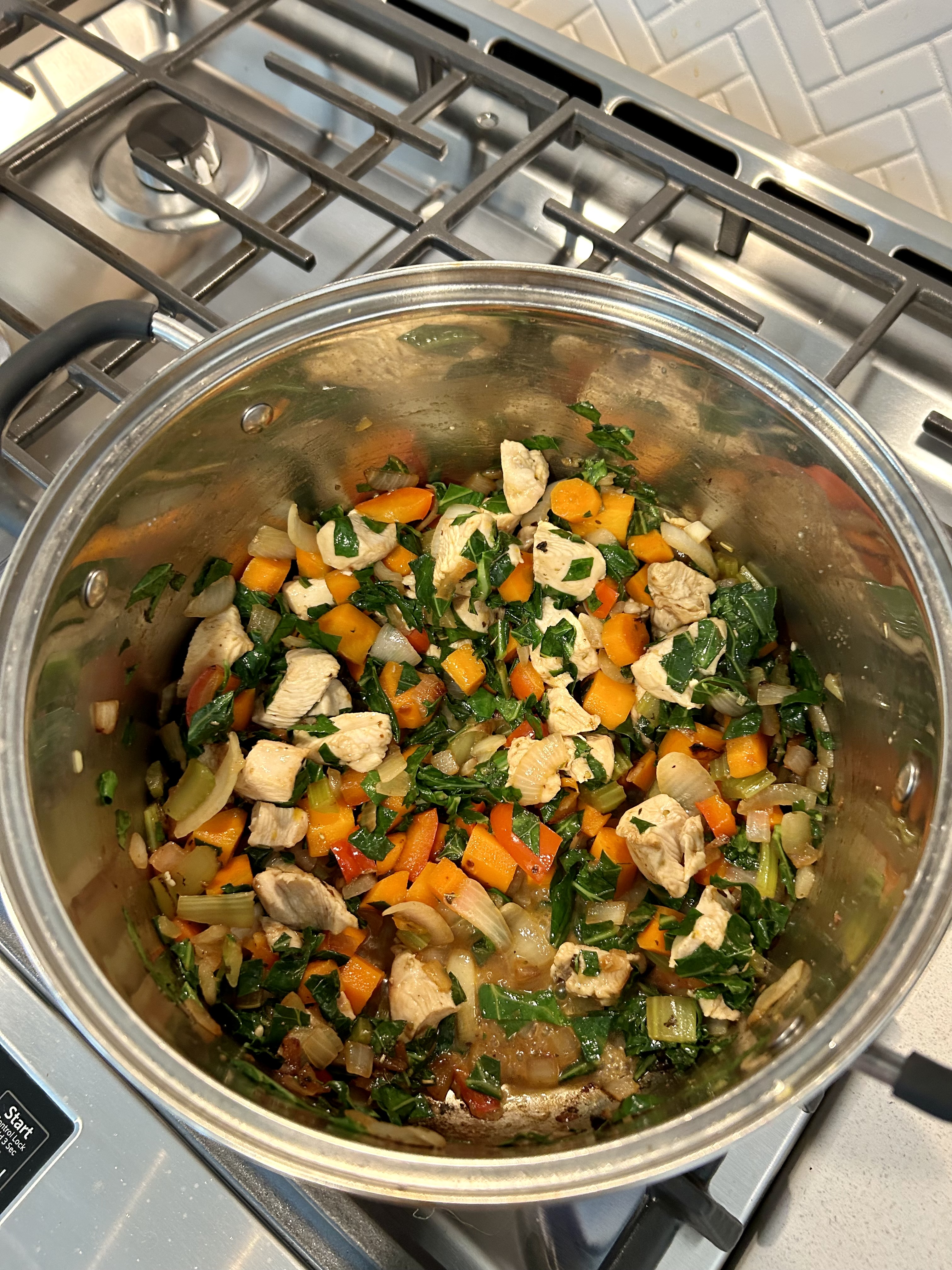
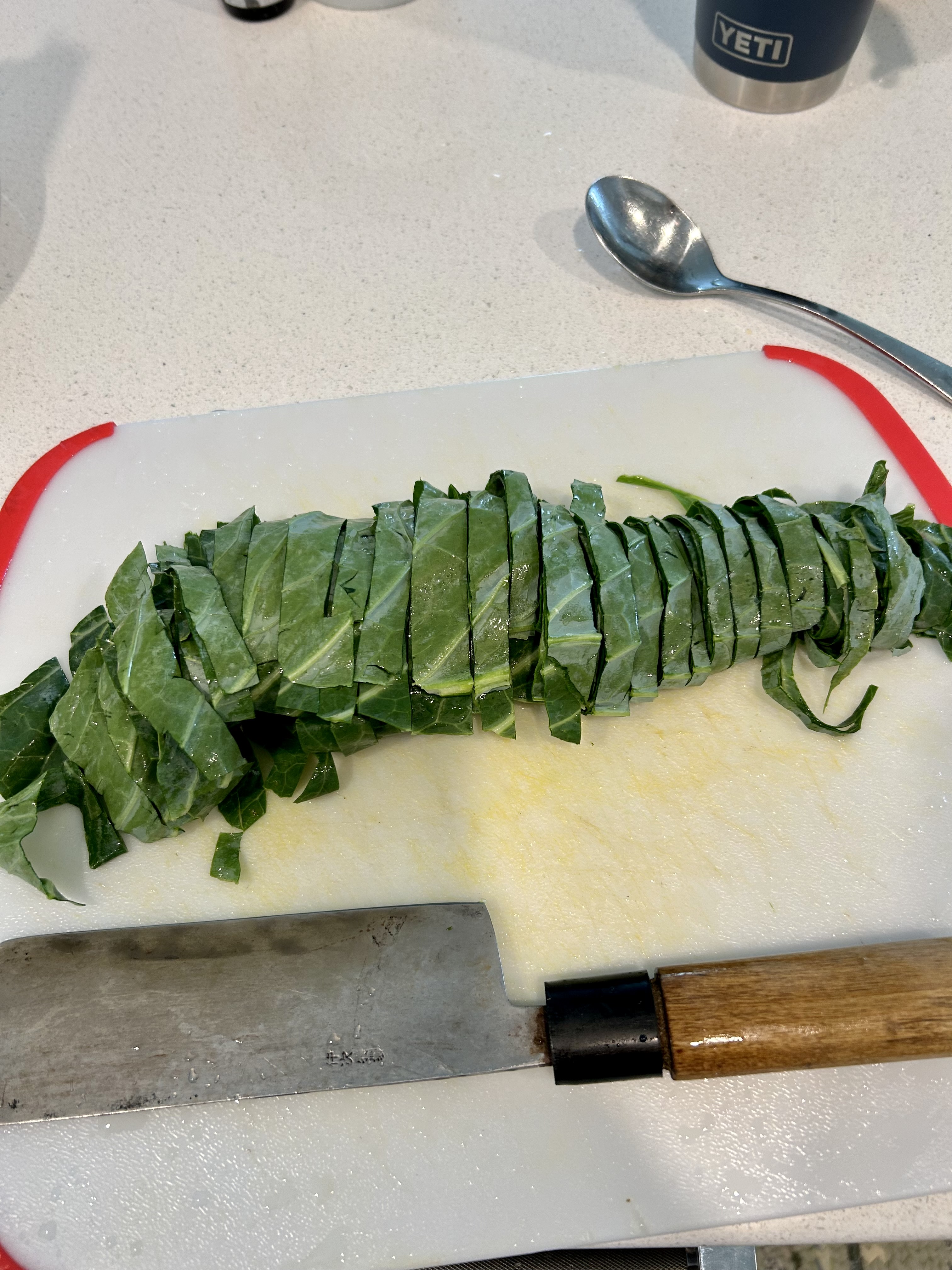
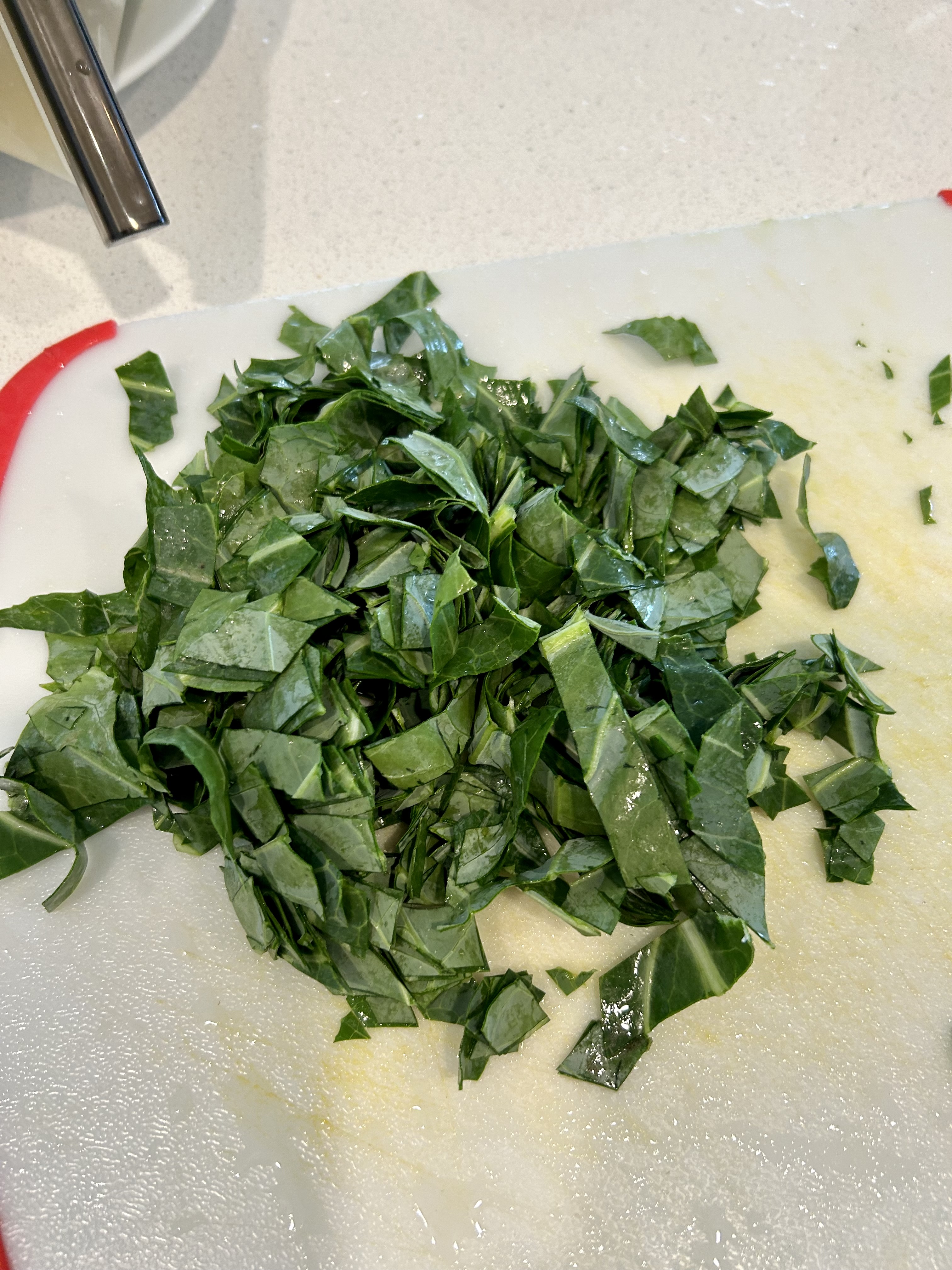
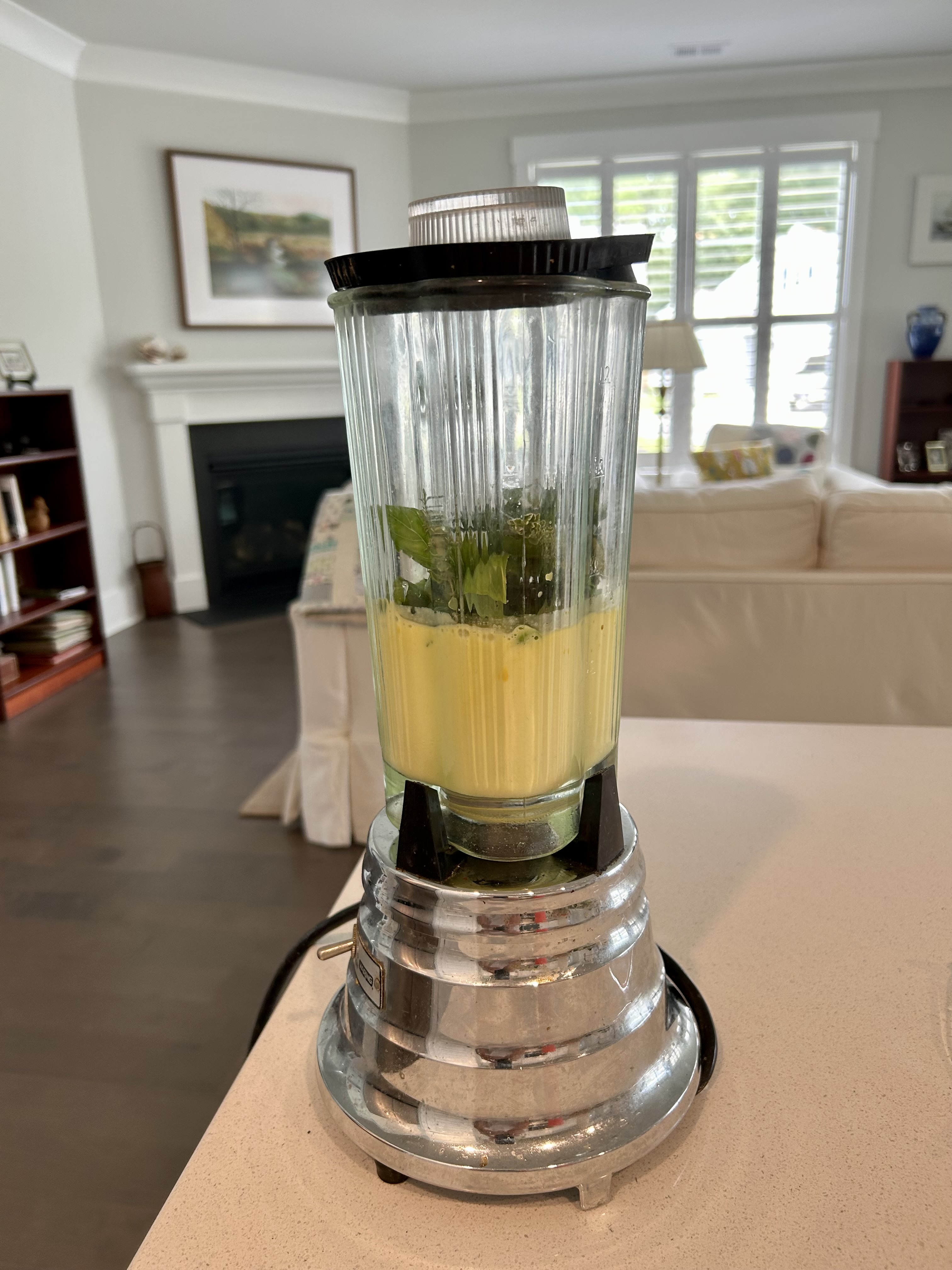
I’ve never tried this particular mix of veggies to sauté, but as I use what I have, this mixture emerged. I had beet greens on hand from some beets I bought for my blender drinks. (Beets are a powerhouse food, cooked or raw.) I started with veggies that needed longer sautéing in, this day, beef fat. I diced a small raw beet, carrots, sweet onion, red pepper, a zucchini for more bulk, garlic, and herbs from the garden. I added some of a dried oregano mixture and salt. I added the chopped beet greens last and just turned them in the hot mixture until they were thoroughly wilted. Then I added store-bought flat-leaf Italian parsley chopped fine and just mixed it in as a final garnishment.

Voila! I had red veggies. And, enough for two meals. While cooking the veggies, I grilled a steak. This mixture is kind of pretty with its intense red. I’m eating the rainbow here, for sure.

Yes, everything went to outdoor room, along with my current book and a freshly made espresso made with honey and raw cream for dessert.

After planting the long row of Asiatic Jasmine on the shady side of the house, I was hot and sweaty and tired. And I needed the second shower of the day. For sure.

On Thursday, I tackled planting the Stella D’Oro day-lilies, the Buddlea (Butterfly Bush), and the Endless Summer hydrangea along the sunny side of the house. It was hot, with the feel of a storm coming in, but the sea breeze was steady and cooling.

Planting these three (5 with the 3 Stellas) looks simple. But it is NOT. Digging here is really, really hard–due to the big veins of clay that lie beneath whatever topsoil there is. Some of these veins of clay are so pure and are such pretty colors–like a vivid aqua or a rich cream–that they would really entice a potter. But it takes real muscle and patience to carve out a planting hole in this ground. I’m putting in a lot of amendments (sand, organic soil meant for ground plantings) and mixing it with the clay, but…I don’t know. Clay like this can on the bottom of the hole can form a kind of bathtub that holds water around a plant’s root ball.

To loosen the cement-hard clay, I tried soaking the planting area with the hose and letting the water sink into the clay. That helped, as when water hits clay, the clay kind of softens and, even, melts. That has been a problem with the four new gutter drains. Where the water emerges, big holes start to form. Thus, I’m hoping this idea will put the water out onto the grass and away from raw dirt under the pine straw.

After getting the new plants in the ground, I needed another shower. For sure.

I’m writing this post on Friday morning and will post it tomorrow. We got rain in the night Thursday, and today is cloudy and cool. Alex is here mowing and will put down a bit more fertilizer on the new grass. It’s a good day for that if we get more rain. He’s going to put down more pine straw for me when he comes next too. And he’s offered to help me dig holes for bigger plants when I buy them.

Here are the new herbs I added to the mint (top left) I planted–basil and flat-leaf Italian parsley. The basil is an annual; the parsley is a biennial, so blooms and seeds the second year. The mint has all sorts of new growth starting now.

The drainage spout additions seem to be working. There are no new holes in the ground.

And today, Friday, I’ll take it fairly easy–a walk with my music and sewing on the longarm.

These two Wyoming quilts are washed and dried and are cooling thoroughly on the living room couch until I pack then up and mail them on Monday.

I keep hoping the fabric on the couch skirt, which got crushed in the move, will sort itself out. But so far…NO.