Turkey Tracks: Settings for String-quilt Blocks

Turkey Tracks:  March 20, 2014

Settings for String-quilt Blocks

Remember my pile of 100 plus string-quilt blocks made during my quilting retreat?

image

I’ve been looking at different settings for these blocks.  Here’s an interesting one from a quilter whose name I have totally lost on Bonnie Hunter’s Open Studio Facebook site–and I apologize for that as she designed this setting.

IMG_0202

There’s a ton of work in this setting, but it’s making a terrific quilt.  I think I’m going to do something a bit different though….  I’m playing around with some sort of double lattice with cornerstones made with very bright colors–like aqua, fern green, orange, red…

Rosie Pilkerton was working on a different version of a string quilt–one that makes it’s own lattice as you leave a set width of your underlying fabric foundation square (the pale yellow here) free and start your strings on either side of that central diagonal stripe:

IMG_0201

VERY nice, Rosie.

Interesting Information: Misunderstandings About “Good” and “Bad” Cholesteral

Interesting Information:  March 21, 2014

Misunderstandings About “Good” and “Bad” Cholesterol

Within the past week, two family members have had questions about “good” and “bad” cholesterol and WHAT causes heart disease.  One has been on a statin for three years now–much to my horror as you will see why if you keep reading–to lower LDL cholesterol.  The other thought saturated fats led to the plaques that can block arteries and that the plaque was formed from the “bad” LDL cholesterol which must be lowered for health.  The latter understanding is both incomplete and flawed in that saturated fats are not the culprit and undamaged LDL cholesterol is not even…cholesterol…so lowering what is called LDL cholesterol is not going to work and is going to make you sick as you will not be getting the nutrients you need.  In addition, Seneff explains in detail how statins destroy your muscles, including your heart muscle.

I’ve written about Stephanie Seneff’s article “Cholesterol:  The Essential Molecule–And the Adverse Effects and Overuse of Statins” in Mainely Tipping Points 37, available on this blog.  This comprehensive article appeared in Well Being Journal, Nov/Dec, and is not free.   Seneff, based at MIT, is doing some amazing bench science research at the cellular level, and I like her work a lot.  Her web site lists her credentials, papers, talks, etc., if you want to take a look:  http://people.csail.mit.edu/seneff/.  Or just google her name.  Much of her work is free to you, so you can find parts of the information in the above article scattered across her papers or in shortened forms.  In addition, the Joseph Mercola web site has a nice video of an interview with Seneff about statins:  http://articles.mercola.com/sites/articles/archive/2012/02/11/dr-stephanie-seneff-interview-on-statins.aspx.  (There are other interviews on Mercola with Seneff as well as her main concern is the lack of cholesterol sulfate in our bodies today. Or, sulfur, which used to come from the soil, but which, thanks to commercial farming, is no longer available in the soil in the quantities we need.)

ANYWAY, Seneff’s explanation of HDL (called the “good” cholesterol) and LDL (the “bad” cholesterol) calls into question these simplistic and erroneous labels.  These terms were coined to sell you–and your doctors–the notion that you need to take a statin to lower your LDL cholesterol.  I’ve read Seneff’s explanation from other researchers, but her explanations in this article are very comprehensive and are easy to understand.  

Seneff’s conclusion about statins is also easy to understand:

I have been driven by the need to understand how a drug that interferes with the synthesis of cholesterol, a nutrient that is essential to human life, could possibly have a positive impact on health.  I have finally been rewarded with an explanation for an apparent positive benefit of statins that I can believe, but one that soundly refutes the idea that statins are protective.  I will, in fact, make the bold claim that nobody qualifies for statin therapy, and that statin drugs can best be described as toxins (13).

So, here’s Seneff’s discussion of LDL, HDL, and Fructose:

We have been trained by our physicians to worry about elevated serum levels of low density lipoprotein (LDL), with respect to heart disease.  LDL is not a type of cholesterol, but rather can be viewed as a container that transports fats, cholesterol, vitamin D, and fat-soluble anti-oxidants to all the tissues of the body.  Because they are not water-soluble, these nutrients must be packaged up and transported inside LDL particles in the blood stream.  If you interfere with the production of LDL, you will reduce the bioavailability of all these nutrients to your body’s cells.

The outer shell of an LDL particle is made up mainly of lipoproteins and cholesterol.  The lipoproteins contain proteins on the outside of the shell and lipids (fats) in the interior layer.  If the outer shell is deficient in cholesterol, the fats in the lipoproteins become more vulnerable to attack by oxygen, every present in the blood stream.  LDL particles also contain a special protein called “apoB” that enables LDL to deliver its goods to cells in need.  ApoB is vulnerable to attack by glucose and other blood sugars, especially fructose.  Diabetes results in an increased concentration of sugar in the blood, which further compromises the LDL particles by gumming up apoB.  Oxidized and glycated LDL particles [glycation is when a sugar molecule combines with a protein or fat molecule, degrading it] become less efficient in delivering their contents to the cells.  Thus they stick around longer in the blood stream, and the measured serum LDL level goes up.

Worse than that, once LDL particles have finally delivered their contents, they become small dense LDL particles, remnants that would ordinarily be returned to the liver to be broken down and recycled.  But the attached sugars [through glycation] interfere with this process as well, so the task of breaking them down is assumed instead by macrophages in the artery wall and else where in the body, through a unique scavenger operation.  The macrophages are especially skilled to extract cholesterol from damaged LDL particles and insert it into HDL particles.  Small dense LDL particles become trapped in the artery wall so that the macrophages can salvage and recycle their contents, and this is the basic source of atherosclerosis.  HDL particles are the so-called good cholesterol, and the amount of cholesterol in HDL particles is the lipid metric with the strongest correlation with heart disease, where less cholesterol is associated with increased risk.  So the macrophages in the plaque are actually performing a very useful role in increasing the amount of HDL cholesterol and reducing the amount of small dense LDL.

The LDL particles are produced by the liver, which synthesizes cholesterol to insert into their shells, as well as into their contents.  The liver is also responsible for breaking down fructose and converting it into fat (Collison et al., 2009).  Fructose is ten times more active than glucose at glycating proteins, and is therefore very dangerous in the blood serum (Seneff et al., 2011).  When you eat a lot of fructose (such as the high fructose corn syrup present in lost of processed foods and carbonated beverages), the liver is burdened with getting the fructose out of the blood and converting it to fat, and it therefore can not keep up with cholesterol supply.  As I said before, the fats can not be safely transported if there is not enough cholesterol.  The liver has to ship out all that fat produced from the fructose, so it produces low quality LDL particles, containing insufficient protective cholesterol .  So you end up with a really bad situation where the LDL particles are especially vulnerable to attack, and attacking sugars are readily available to do their damage (15-16).

SO THE REAL CULPRIT IN HEART DISEASE IS TOO MUCH SUGAR, ESPECIALLY FRUCTOSE SUGARS.

What to eat:

Cut way back on fructose–found in processed foods and in FRUITS.  Grains also turn into sugars in the body.  Really, if it’s in a box, a can, or a package in the grocery store–or in the middle aisles–don’t eat it.

Spend time outdoors and let the sun shine on your skin as that produces useable cholesterol sulfate.  Strenuous exercise helps clear your body of excess sugars.

Eat foods that are good sources of lactate:  sour cream and cultured products like yogurt and kefir, preferably made from raw milk.

Eat foods rich in cholesterol sulfate:  GOOD eggs (NOT the ones from vegetarian chickens), liver, oysters, onions, garlic, cabbage family, GOOD meats–in other words, clean, nutrient-dense whole foods.

Books, Documentaries, Reviews: Renata Adler’s PITCH DARK

Books, Documentaries, Reviews:  March 20, 2014

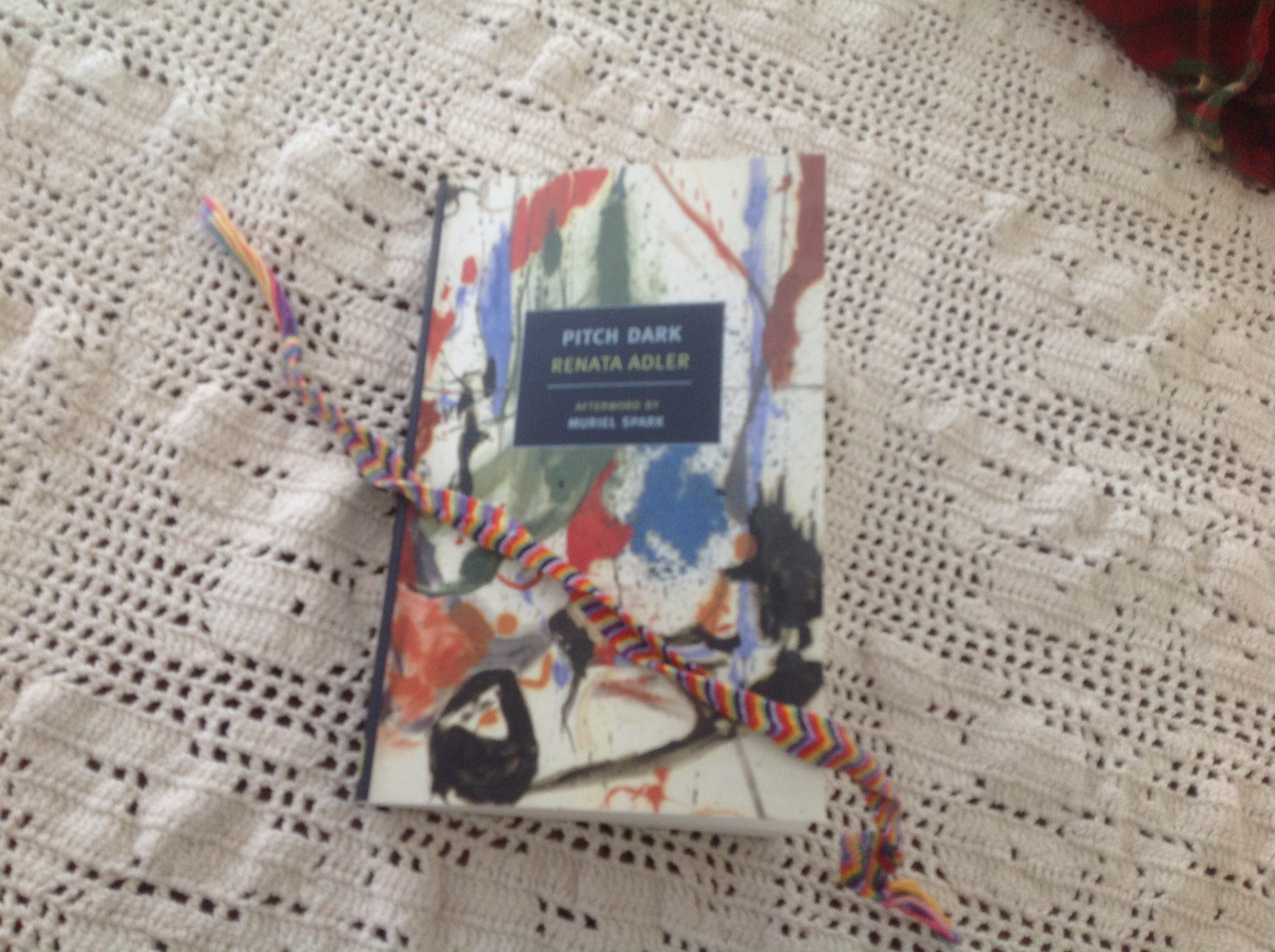
Renata Adler’s PITCH DARK

I’m reading a very different kind of a book:

IMG_0204


I heard about it recommended on one of those NPR programs just before Christmas–the best of the best books of the year.

Only, this book was published in 1983.  Adler was a staff writer for The New Yorker for 40 years or so–and comes with an impressive list of credentials (Bryn Mawr, Harvard, the Sorbonne, Law degree from Yale and an honorary doctoral law degree from Georgetown) and of fiction and nonfiction books.  The recommender said he had recently reread Pitch Dark and thought it a classic in some way.

The book is very modern, very spare–and is written in a kind of stream of consciousness where it takes the reader a few pages to figure out what’s going on–a love affair with a married man.

At first the text is distancing, even off-putting.  But then one runs across a nugget of observation that just pulls one right in.  Many observations concern the nature of the thing we call “love”–and the observations are not confined to the failing relationship at all or even to people–though the ones I’ll cite below are about the relationship:

He knew that she had left him when she began to smoke again….Years ago, he had smoked, but not when they met.  So she stopped, as people do when they are in love  Take up cigarettes, or give them up, or change brands.  As people do to be at one at least in this.  Long after that, she began to smoke again (8).
And:

You can rely too much, my love, on the unspoken things.  And the wry smile.  I have that smile myself, and I’ve learned the silence, too, over the years.  Along with the expressions, like No notion and Of necessity.  What happens though, when it is all unsaid, is that you wake up one morning, no, it’s more like late one afternoon, and it’s not just unsaid, it’s gone.  That’s all.  Just gone.  I remember this word, that look, that small inflection, after all this time.  I used to hold them, trust them, read them like a rune.  Like a sign that there was a house, a billet, a civilization where we were.  I look back and I think I was just there all alone.  Collecting wisps and signs.  Like a spinster who did know a young man once and who imagines ever since that she lost a fiancé in the war  Or an old fellow who, having spent months long ago in uniform at some dreary outpost no where near any country where there was a front, remembers buddies he never had, dying beside him in battles he was never in (9).

And:

Sometimes he loved her, sometimes he was just amused and touched by the degree to which she loved him.  Sometimes he was bored by her love and felt it as a burden.  Sometimes his sense of himself was enhanced, sometimes diminished by it.  But he had come to take the extent of her love as given, and, as such, he lost interest in it.  She may have given him this certainty too early, and not just out of genuine attachment.  One falls out of gradations of love and despair after all, every few days, or months, or minutes.  With courtesy, then, and also for the sake, for the sake of the long rhythms, she kept the façade in place and steady, unaffected by every nuance of caring and not caring.  He distrusted her sometimes, but on the wrong grounds.  He thought of her as light with the truth, and lawless.  And she, who was not in other ways dishonest, who was in fact honorable in his ways and in others, was perhaps dishonest in this:  that not to risk losing him, or for whatever other reason, she concealed, no, she did not insist that he see, certain important facets of her nature.  She pretended, though with her particular form of nervous energy she was not always able to pretend this, that she was more content than she was, that her love for him was more constant than, within the limits that he set, it could be (12).

Interesting.

I’ll let you know the outcome of the read…


Turkey Tracks: The Best Cup of Coffee Ever!

Turkey Tracks:  March 20, 2014

The Best Cup of Coffee Ever!


I don’t drink coffee in the morning.  I’m mostly a tea drinker.

But, I love a good cup of coffee after lunch or dinner–as a special treat.  And, bad as they are for you–bad, dead milk and too much sugar–I am almost always tempted by lattes.  Vanilla lattes.  Mocha lattes with real whipped cream.  Fortunately, actually getting one happens only when I travel or off and on in the winter.

So, when I was recently in Virginia, my niece Meg Challand, made me a cup of after-dinner coffee using a cone-shaped porcelain drip affair with a filter inside.

Oh my!  It was the best cup of coffee I’ve every had in my life.  Smooth and sweet–with no bitter taste at all.

So, guess what sister Susan sent me yesterday for my birthday???

IMG_0205


I have just enjoyed the BEST cup of coffee since the one Meg made me.

And mine has local, raw unheated honey and local, thick, gorgeous raw cream from Jersey cows–which is full of good fat and lots of fat-soluble vitamins (A, D, K) crucial for health.

I am spoiled beyond belief!

PS:  You do NOT want one of the cheap plastic drippers as plastic off-gases chemicals.  And there is something called a “pour over” stand that allows you to see how much coffee has dripped into your cup.  Online, the ones I found are incomprehensibly expensive given that they are just a few pieces of wood or a pre-formed plastic.  So, I’ll look locally in our kitchen stores for something.  Or ask a local carpenter to make me one…

Books, Documentaries, Reviews: Toxic Hot Seat Movie

Books, Documentaries, Reviews:  March 20, 2014

TOXIC HOT SEAT


The documentary Toxic Hot Seat is going to be shown FREE at the Strand Theater in Rockland, Maine, on Sunday, March 30th, at 2 p.m.

Maine’s own Hannah Pingree, former state congresswoman and now a young mother, is featured in the documentary.  Hannah Pingree has been instrumental in getting the information in the documentary to the public–which has been largely unaware of how the chemical industry has used fire safety as an excuse to douse so many of our products (furniture, rugs, clothing, etc.) with highly flammable and poisonous chemicals.

Ms. Pingree was raised and lives on a pristine coastal Maine sland.  When she participated in a “body burden” analysis about ten years ago, she was shocked to discover how many chemicals were present in her body.  One of the participants of this study, MOFGA’s beloved Russell Libbey, died last year of cancer, many years before he should have died.  (MOFGA is the Maine Organic Farmers’ and Growers’ Association, and it hosts a yearly fair, the Common Ground Fair, each year in late September.)

I hope that many of you will be able to see this documentary in your own communities and will stop buying products saturated with these chemicals–if you can find them.

Take a look at the trailer and read the information:  Toxic Hot Seat Movie.

Know, too, that this situation is another of what I am now calling a “kool aid” circuit–based on the notion that a group of people followed a charismatic leader into the jungle and willingly drank the poison he gave them.  This fire retardant issue is such a circuit since an entity (in this case the chemical industry) knowingly manufactured, publicized, and used bad information in order to sell a product for you to use.  Often, and it’s true in this case, “safety” is the mechanism being used to promote lethal practices that harm people and that have NO reputable science behind them.  So, yes, there is a conspiracy here.  Here’s a quote from the web site about this documentary:

Set against the backdrop of the award-winning 2012 Chicago Tribune investigative series “Playing With Fire,” TOXIC HOT SEAT threads together an intricate story of manipulation that details how Big Tobacco skillfully convinced fire safety officials to back a standard that, in effect, requires all furniture to be filled with toxic flame retardants. The film continues to untangle how the chemical companies obscure the risks to public health and misrepresent chemical safety data by paying “experts” to alarm legislators and the public about the deadly risk of removing chemical flame retardants from our homes.

AGAIN, know that you CANNOT depend upon the government regulatory agencies to protect you from what industry is doing in this country.

You have got to investigate and act for yourself–and that is where I am trying to help all of us understand where real science exists and where the notion of it is being misused.

Blog Readers’ Quilts and Quilting Information: The Mid-Atlantic Quilt Festival, Norfolk, Virginia

Blog Readers’ Quilts and Quilting Information:  March 18, 2014

The Mid-Atlantic Quilt Festival

Norfolk, Virginia

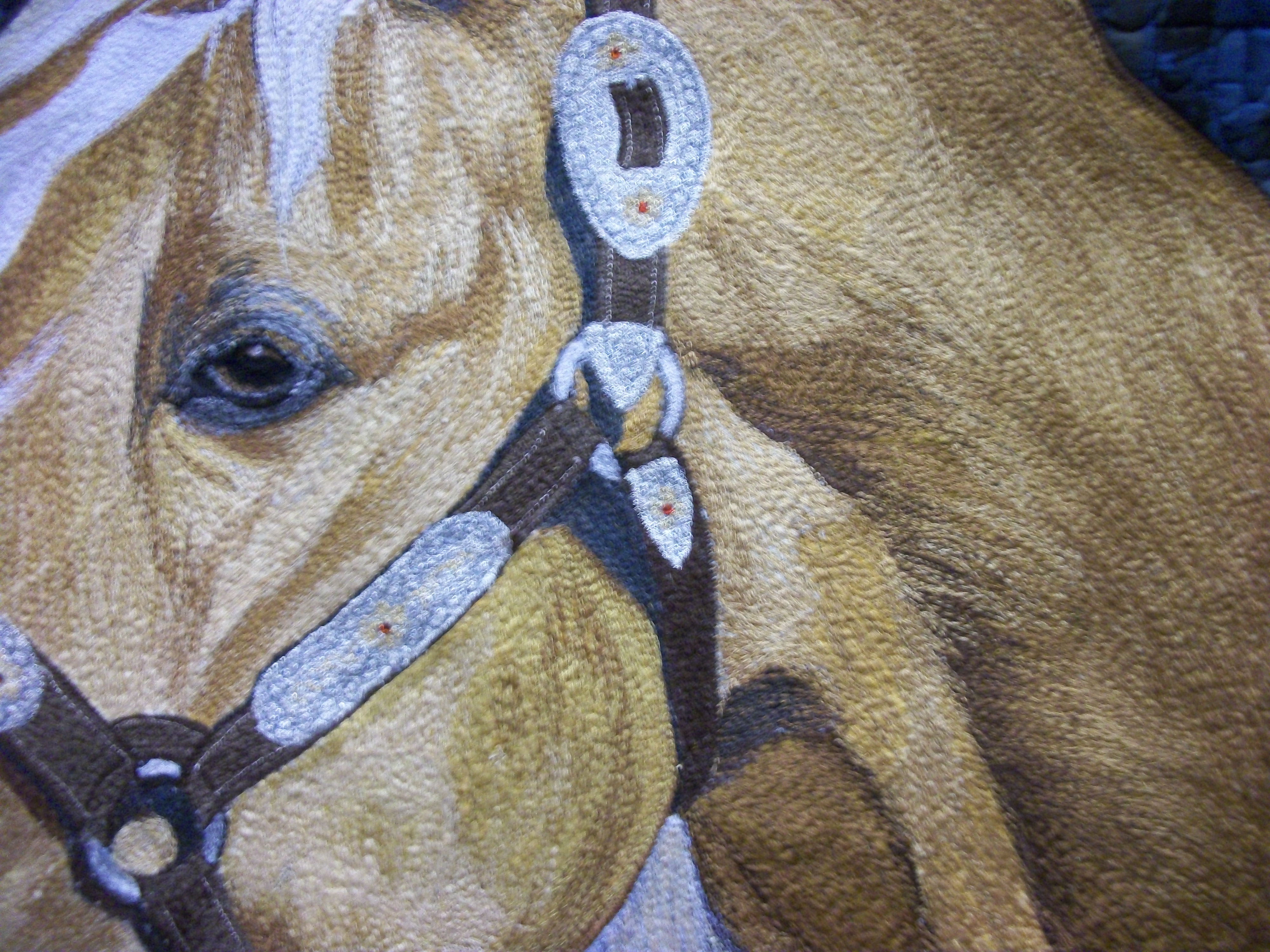
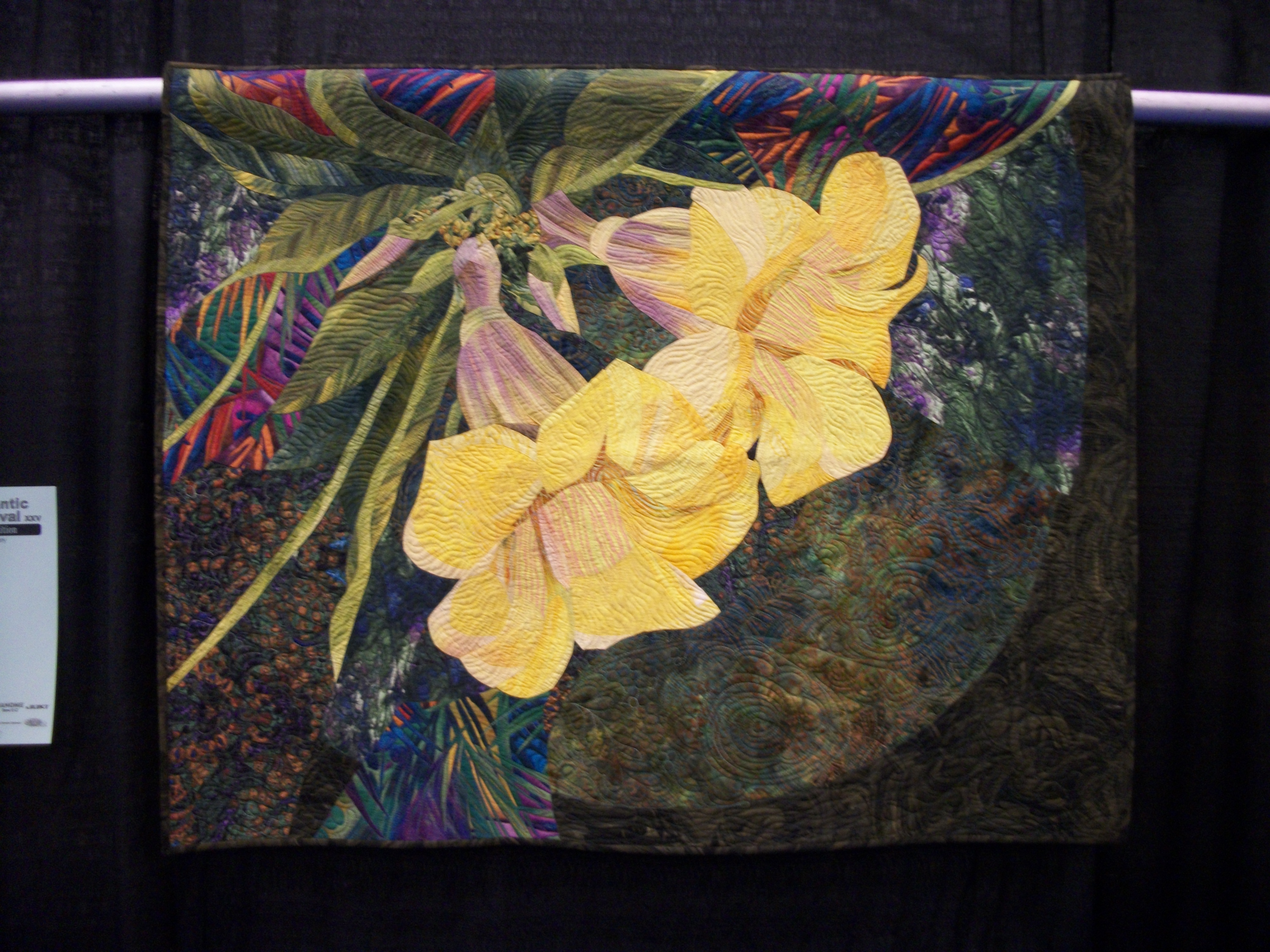
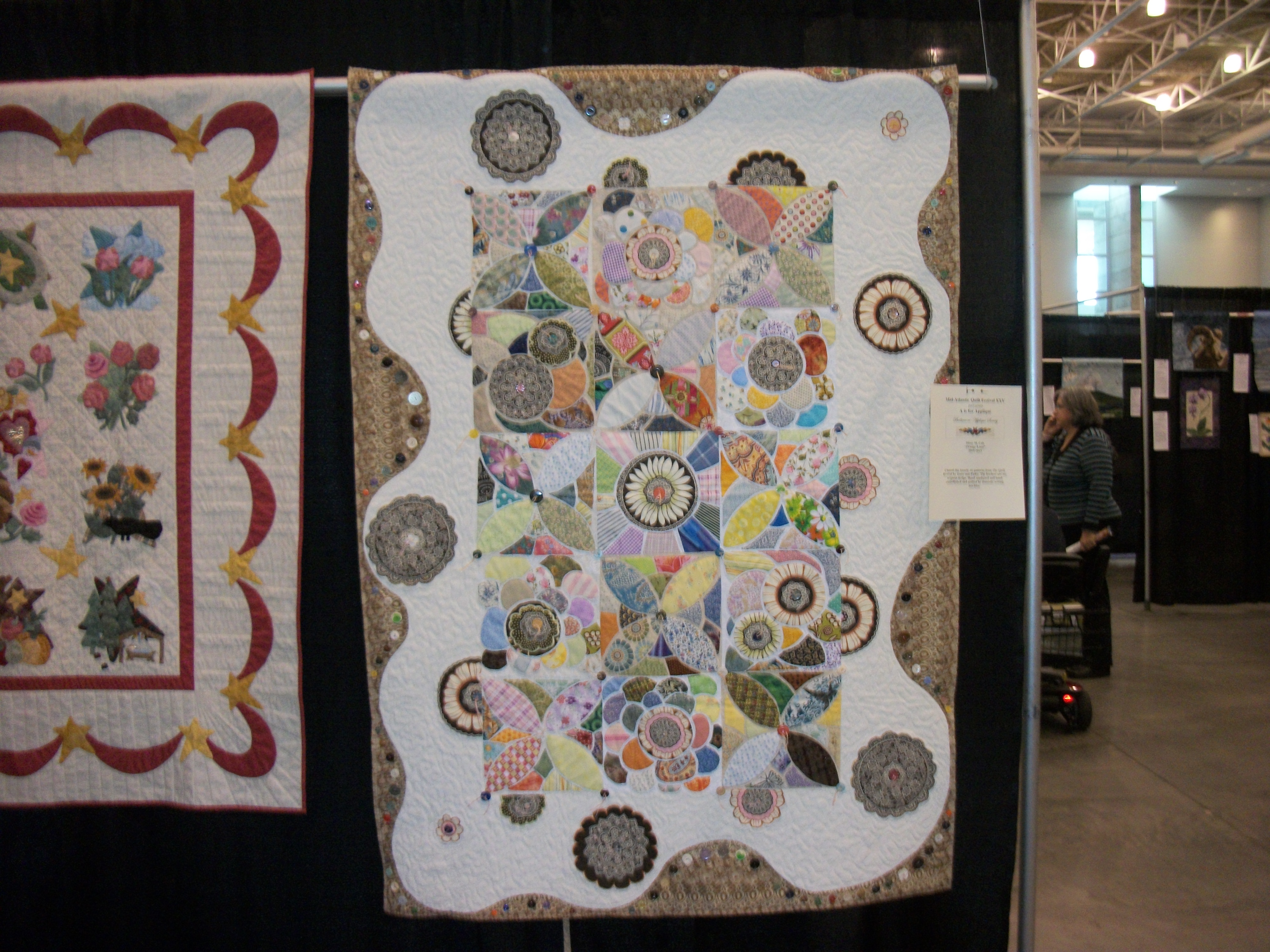
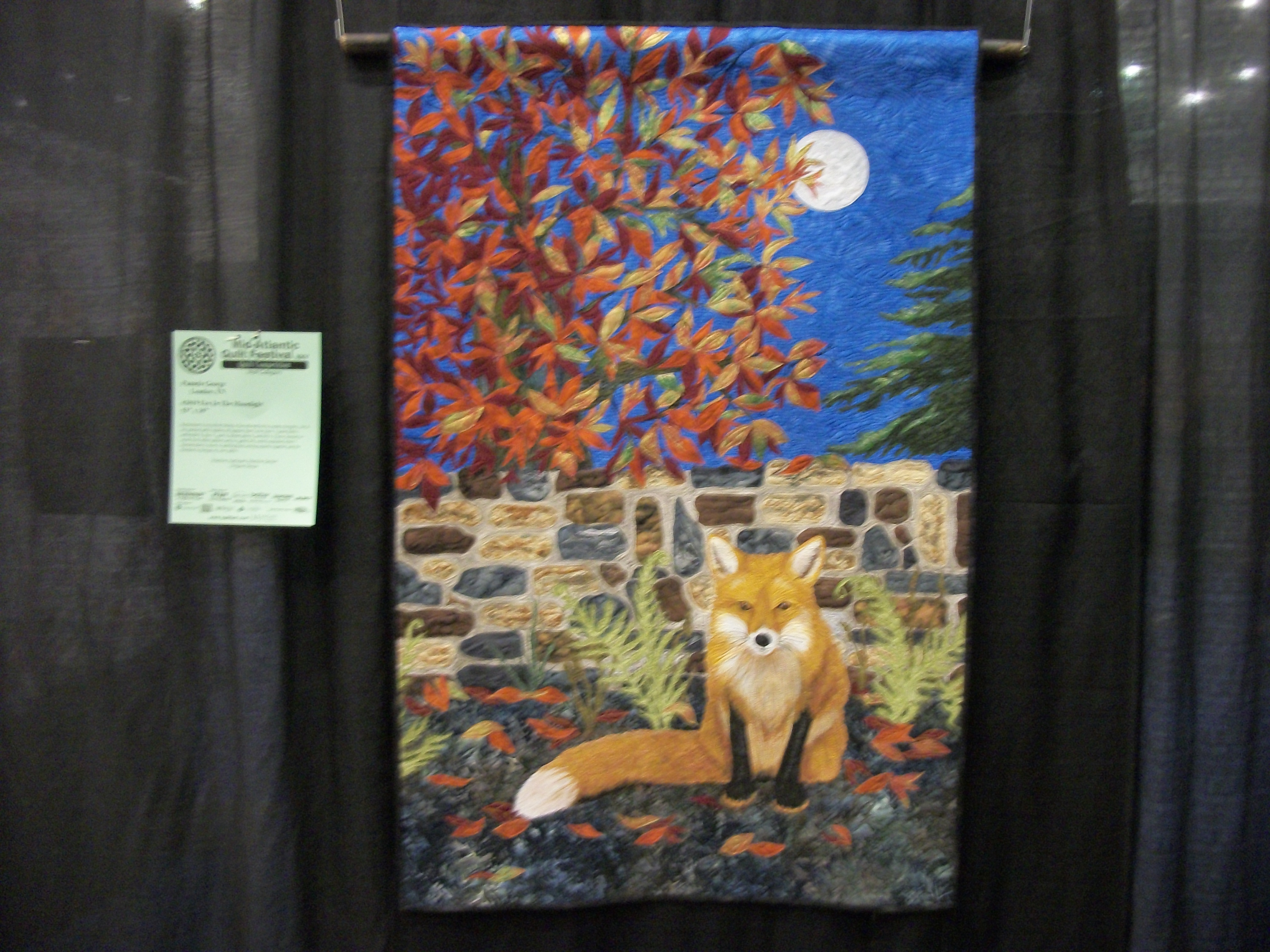
I had a terrific time attending The Mid-Atlantic Quilt Festival in Norfolk, Virginia–for me, February 29th and March 1st and 2nd–each time with different people.  I have not been to a big regional quilt show without grandchildren in tow for some years now–and it is a real pleasure to attend a quilt show that is outside of the region where you live.  The vendors are different, the emphasis on quilts is different, and so forth.  This Mid-Atlantic show is run by the Mancuso brothers and leans towards art quilts–though this year (it’s 25th) there was a lovely exhibition of log-cabin quilts–each with a different setting.

100_3758

I will confess that the quilts I like best are not often the BIG WINNERS.  I am a scrappy quilter.

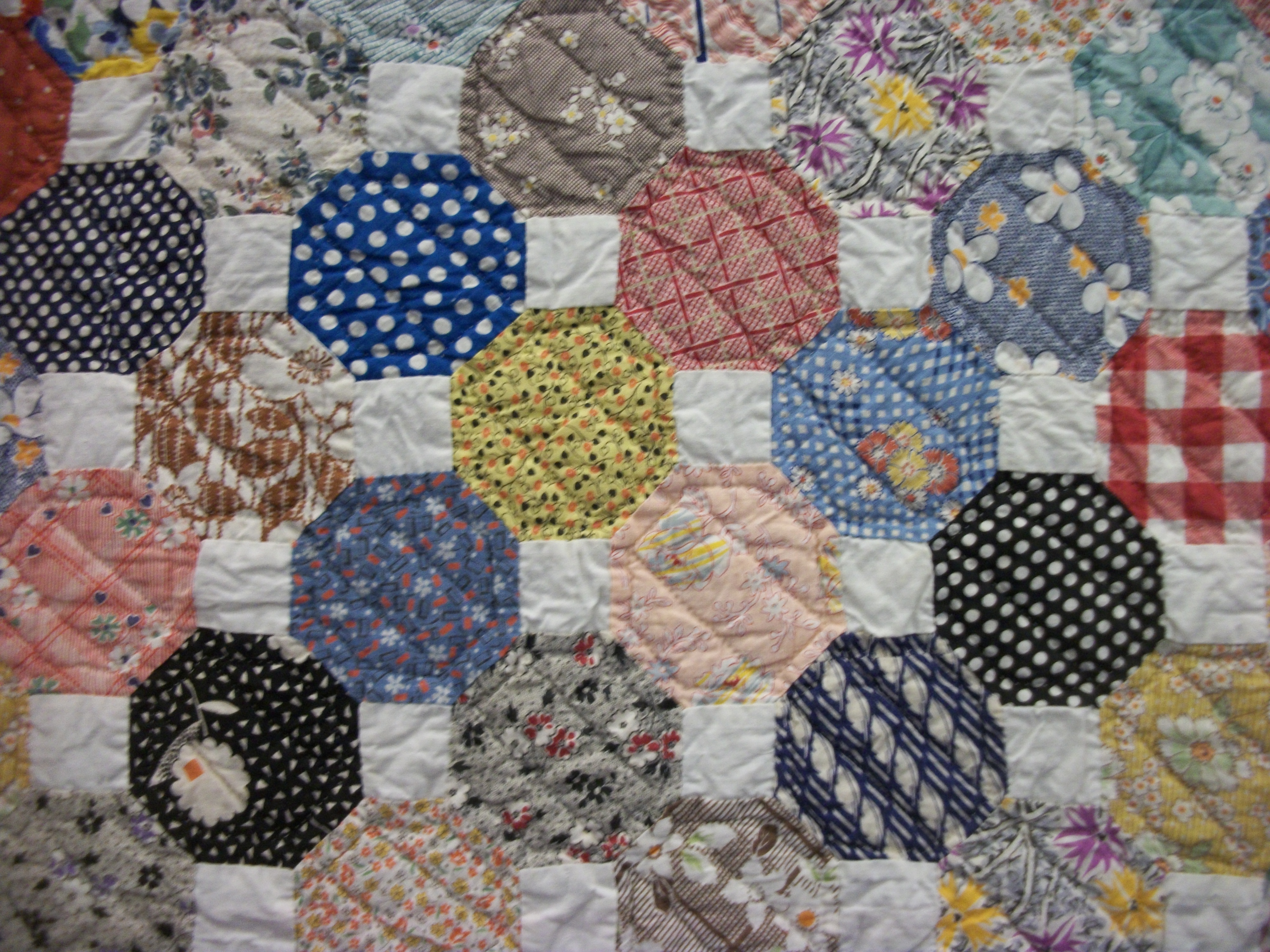
For instance, I saw many novel use of the current quilt rage:  hexies.

Look at how the use of connecting squares makes these hexies so much more interesting than if they were jammed up together:

100_3770

And how about using hexies to form a bar in a bar quilt?  (Sorry about the slight blurring, but you’ll get the method.)

100_3762

100_3761

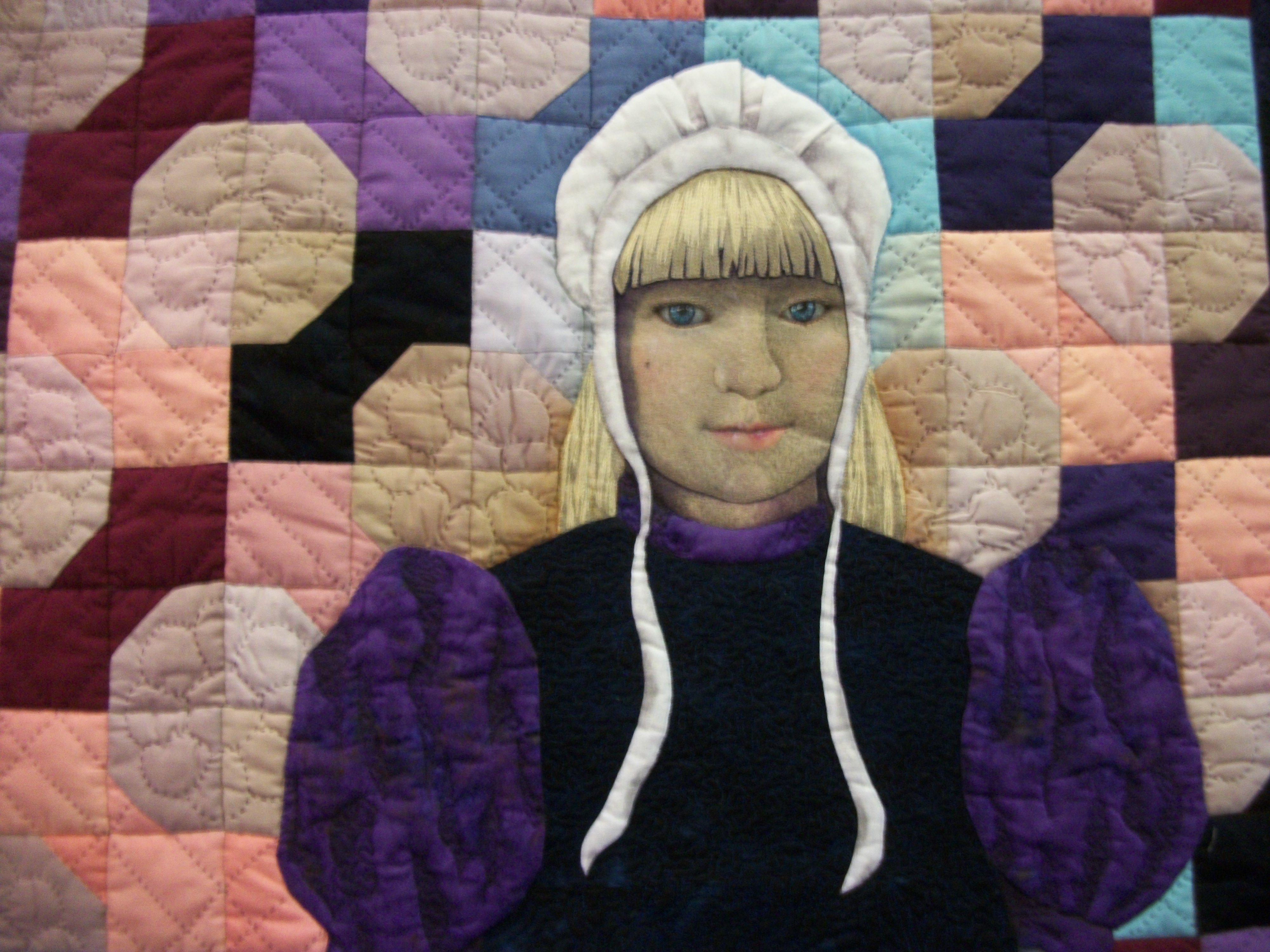
Here’s a quilt I didn’t see until the last day I went–it was hanging on the end of a wall, and I just lost it in the blur of vendors beyond it.  How you see quilts really varies from which direction you approach them.

100_3768

Here’s the whole quilt:

100_3766

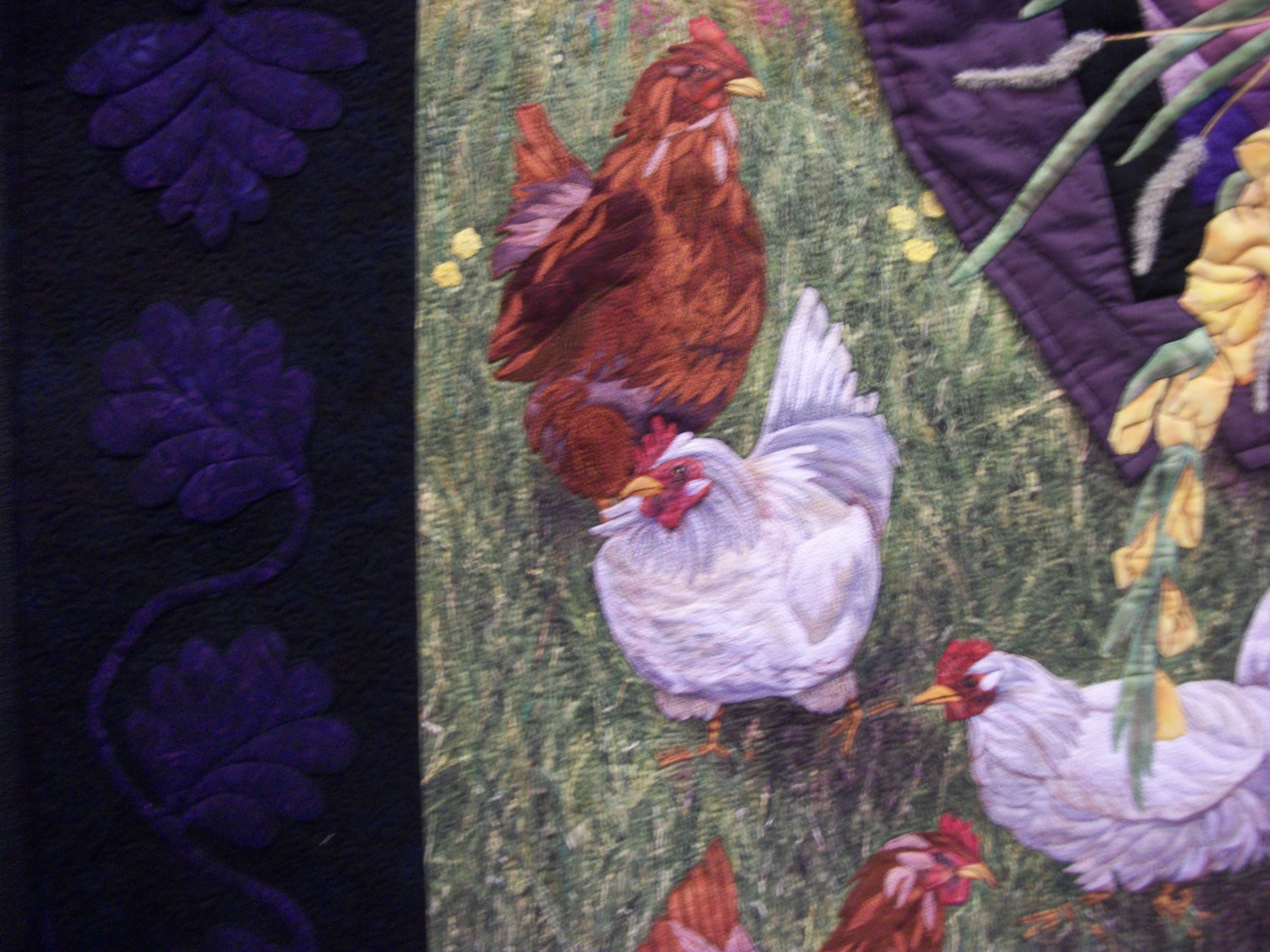
The chickens were amazing:

100_3767

Contrast the above quilts with one of the big winners of this show:

100_3727

Exquisite quilting, novel use of color–especially that bright yellow.  Here’s a close-up of the quilting:

100_3728

It seems to me that this type of medallion quilt which is quilted to death is meant to win in a show.  The quilt itself does not draw me at all.

The BIG WINNER (Best of Show) was a larger version of the above–amazing workmanship, lots of beading as well, but I didn’t even take a picture of it.

Here’s another big winner:

100_3724

Clever, whimsical, etc.  But is it any better than this quilt?

100_3749

Or, this one?

100_3738

Here’s a close-up of the amazing thread work:

100_3739

This funny little quilt really drew me in:

100_3731

Here’s a close-up of the block:

100_3732

I love floral art quilts.  Here’s a really nice one:

100_3740 100_3741 100_3742

And this quilt was really interesting–I took this picture for you Sarah Ann Smith because, like your quilting, the quilting seems to be working WITH the quilt rather than just filling spaces with novel designs:

100_3736

I love the New York Beauty block–and there were some very pretty New York Beauty quilts at the show.  Here’s one:

100_3743

What piqued my interest was that the block quadrants vary considerably within each circle.  I hadn’t really seen this kind of variation before this quilt.

100_3744

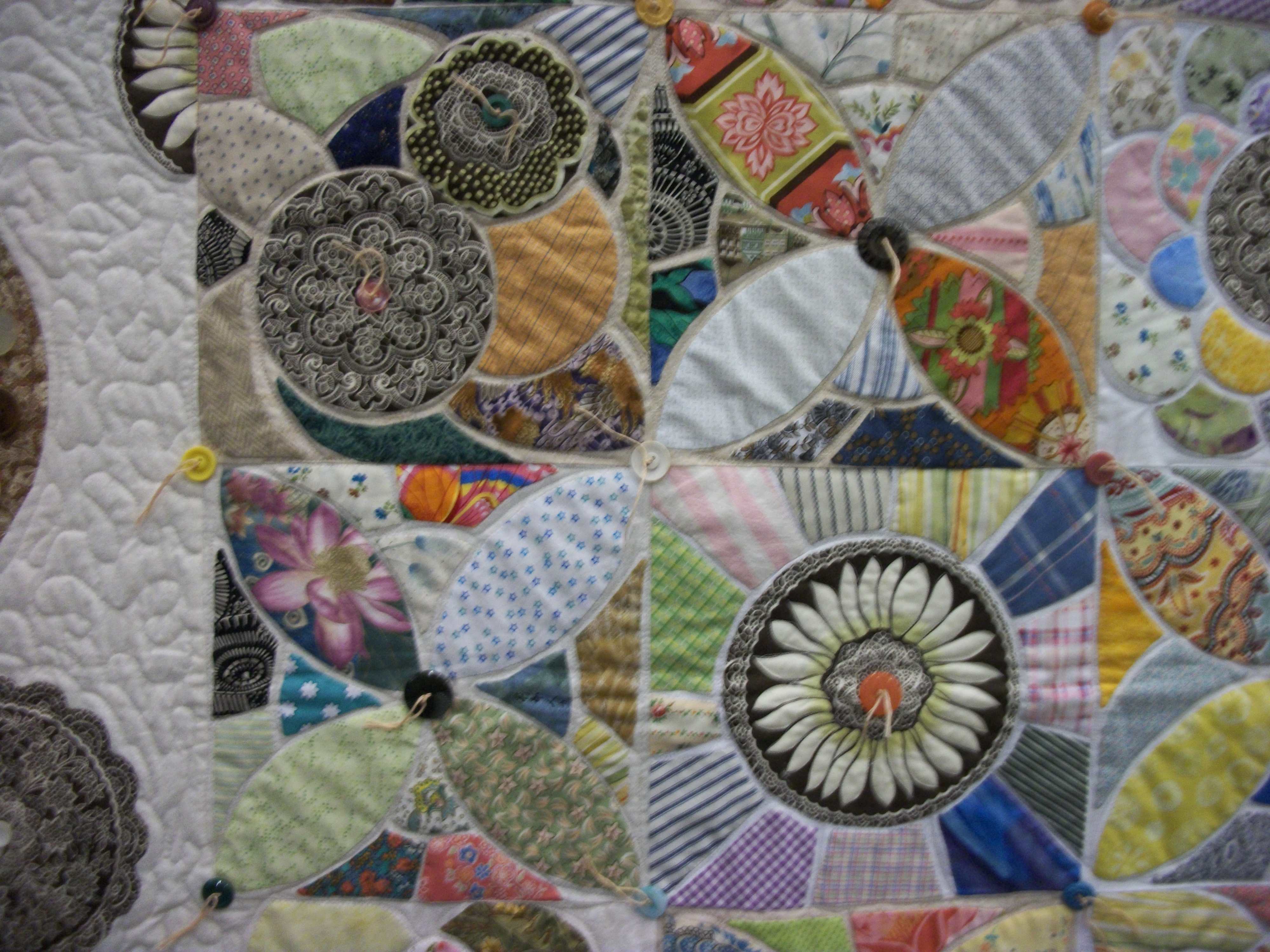
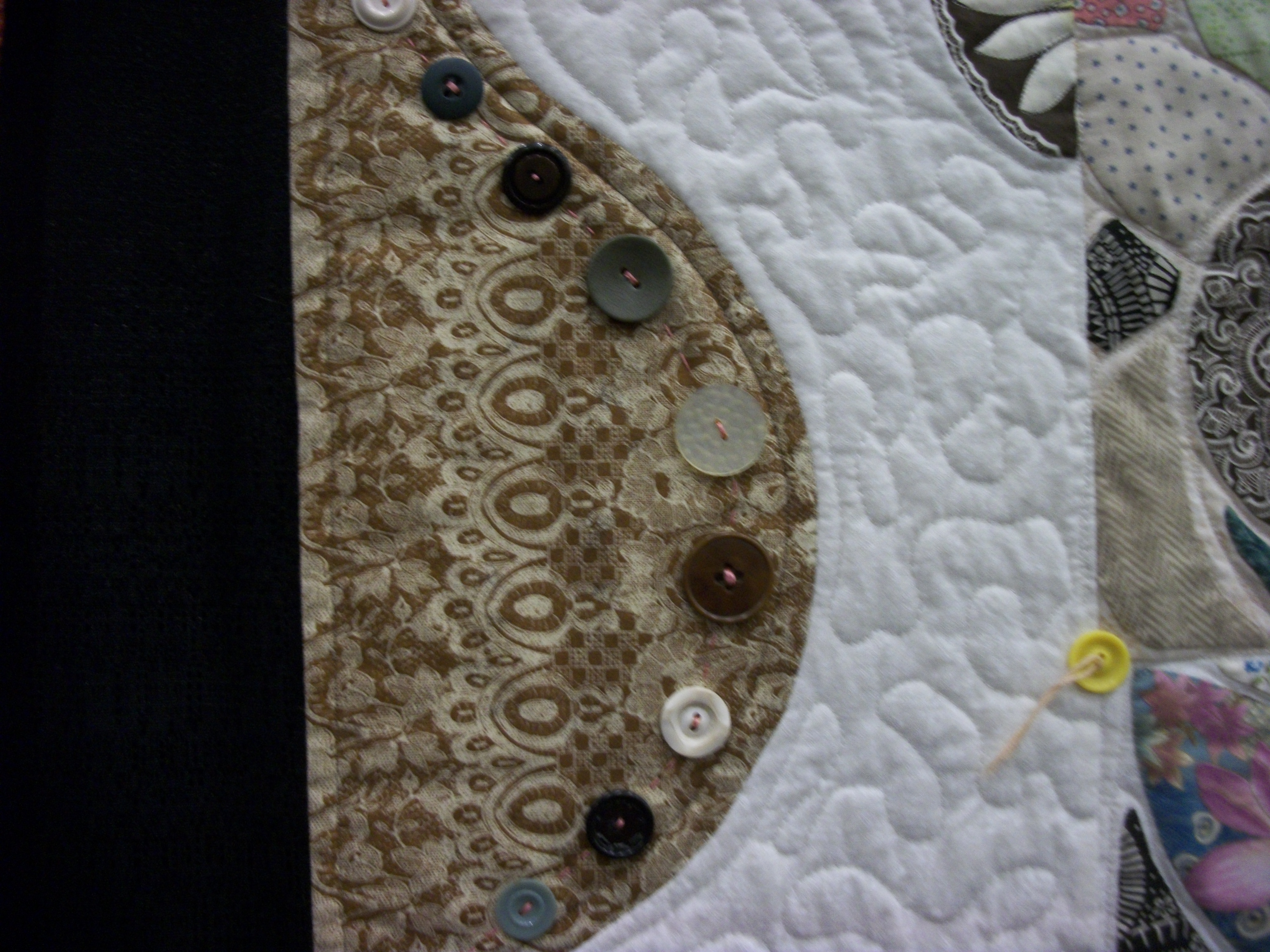
And I love buttons.  Look at this very fun quilt–much of which was appliquéd–and the use of buttons:

100_3751 100_3752 100_3753

This quilt won “best use of color”–and was painted, then quilted.  It glowed.

100_3748 100_3747

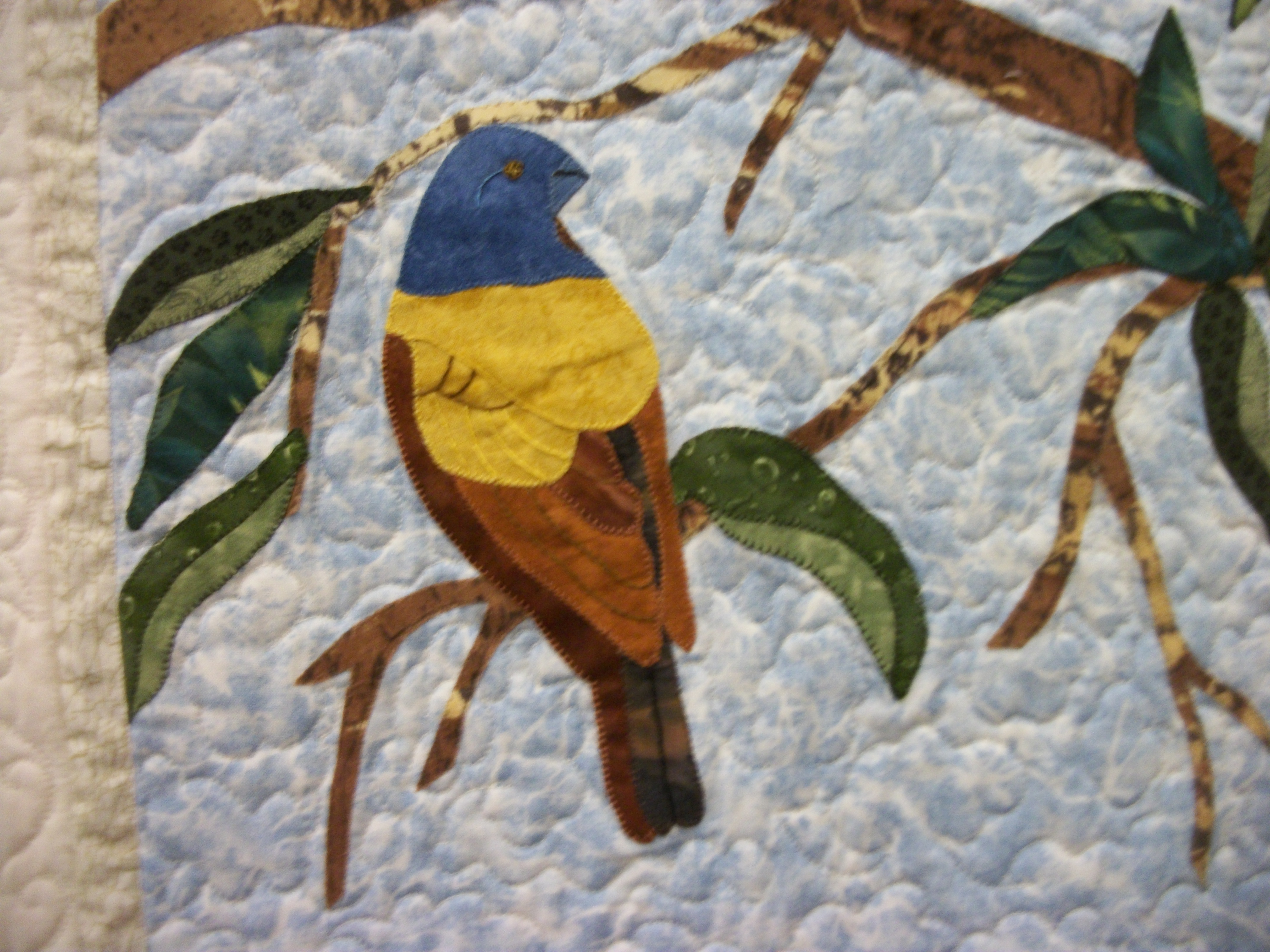
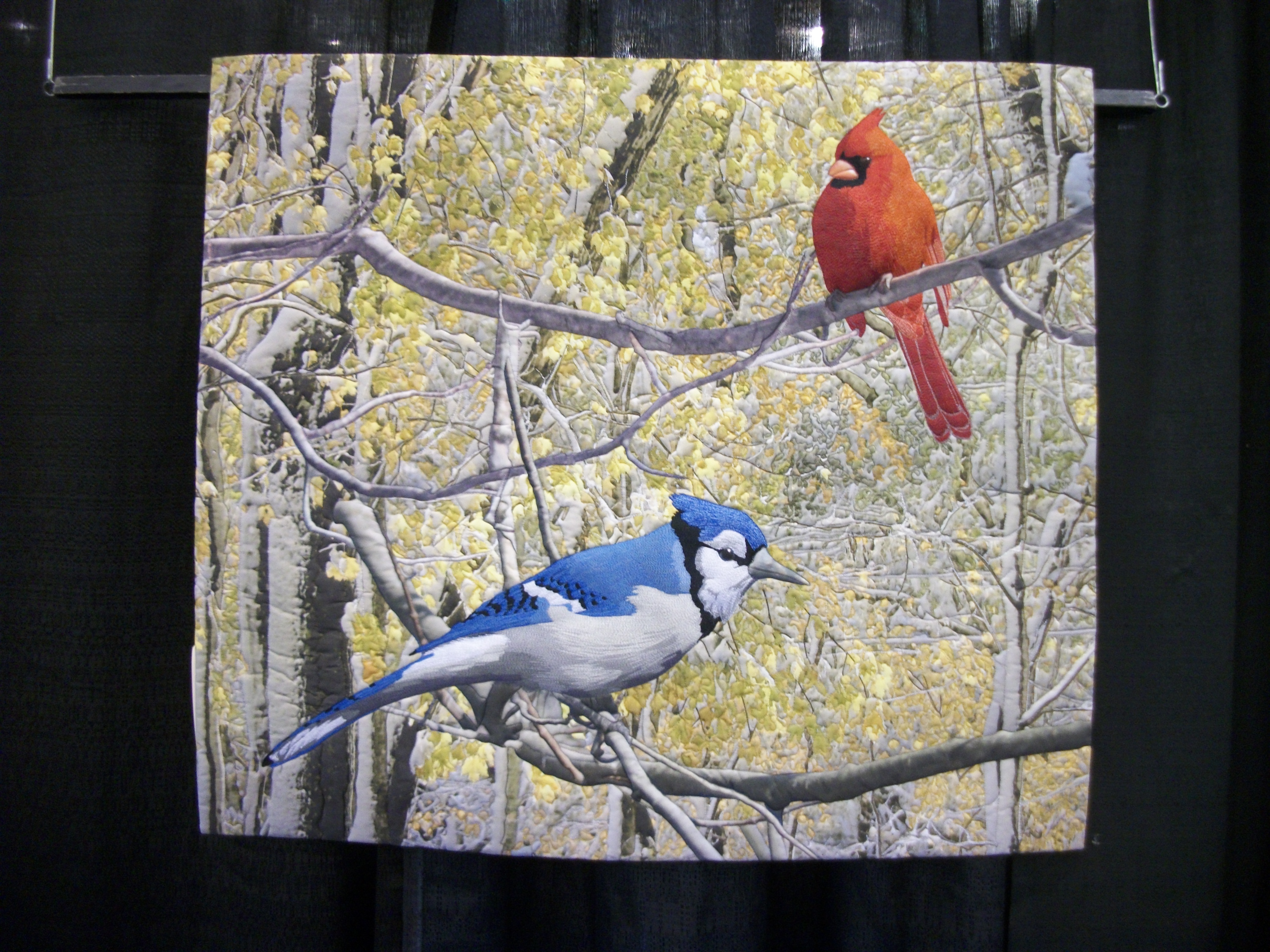
Birds were a fairly big theme at both the quilt show and the vendors.  This quilt–and my big picture did not come out–was made of individual birds that were each made of many, many different fabrics that were accurate to the specific bird.  Here’s one of about a dozen birds:

100_3750

And here’s another bird quilt I liked a lot:

100_3723

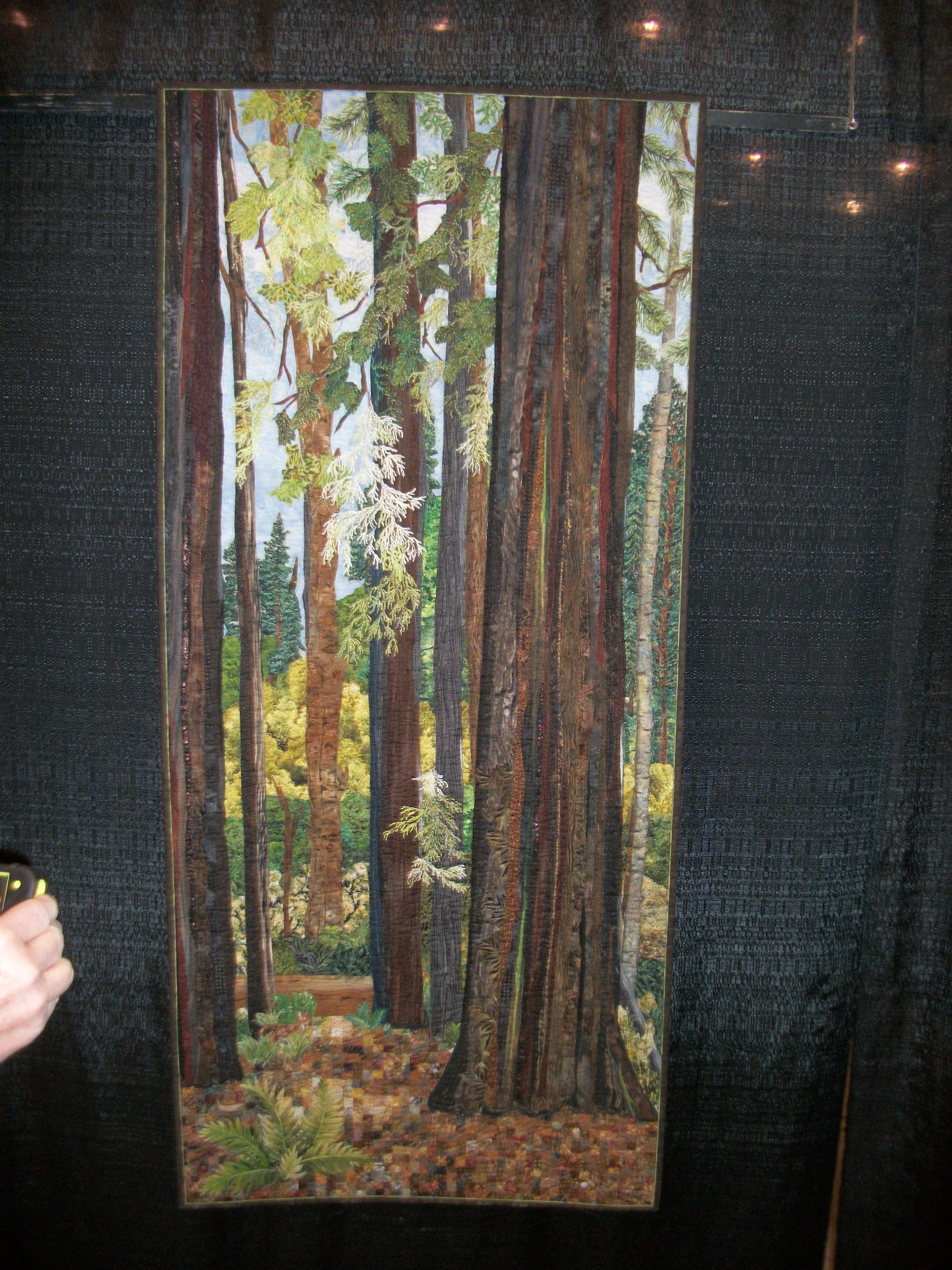
Quilts featuring forests and trees always draw me in.  This quilt was no exception, and the thread work of the needles was beautiful.

100_3745 100_3746

I almost missed this quilt, too.  I didn’t really “see” it until the third day:

100_3759 100_3760

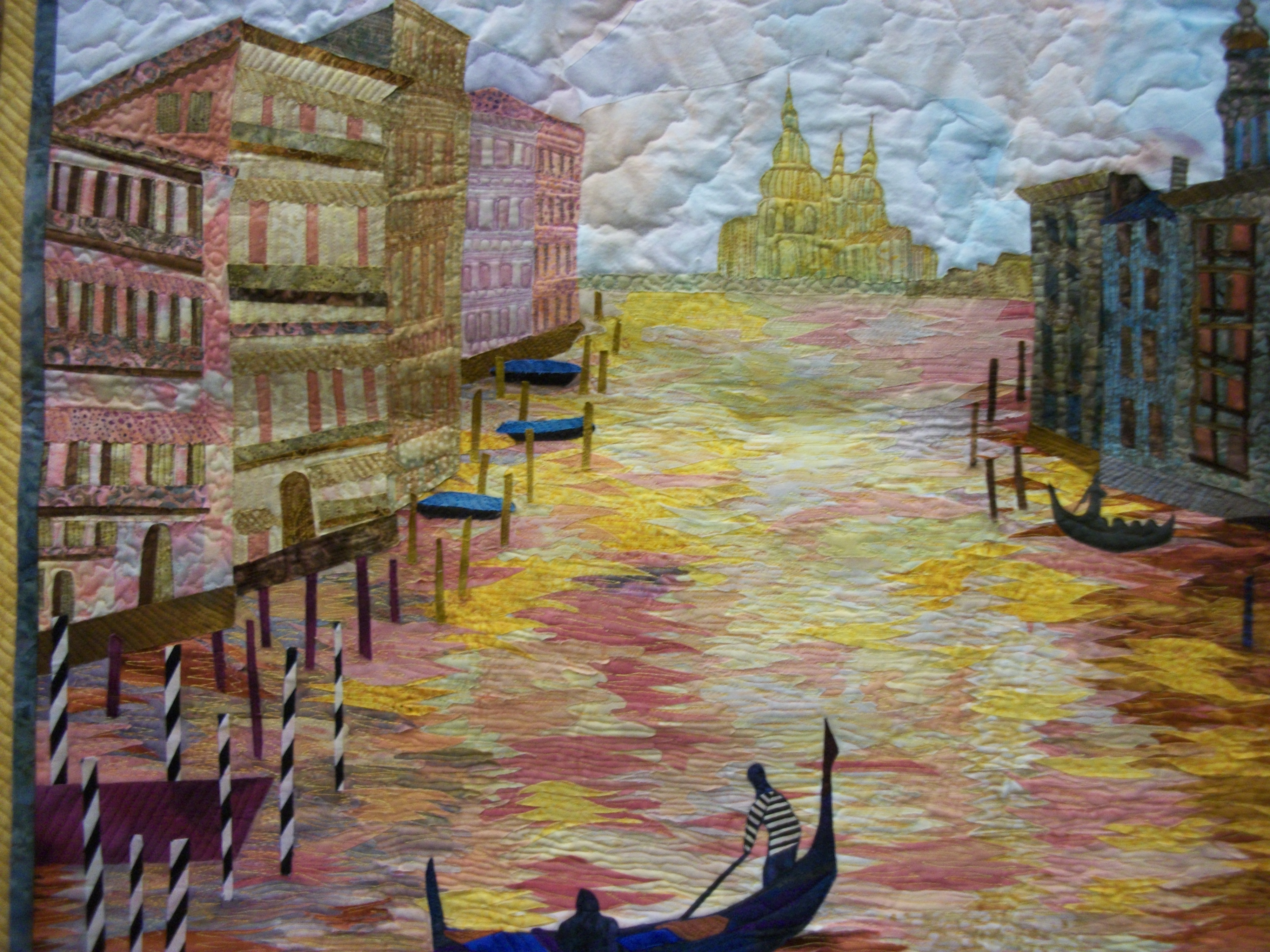
The water colors in this quilt were lovely.  This is a close-up–not quite the whole quilt:

100_3735

And what’s not to like about THIS quilt, which I will leave you with:

100_3754

Interesting Information: AARP BULLETIN: 10 Medical Tests to Avoid–Choosing Wisely Campaign

Interesting Information:  March 17, 2014

AARP BULLETIN:  10 Medical Tests to Avoid

Choosing Wisely

I remember a time when one went to the doctor only when one was sick.

Imagine that…

Then came the days when doctors went on the hunt for disease–under the paradigm of finding illness before it got cranking.  In the process, a whole host of yearly tests became part of the annual physical.

Imagine my surprise when the AARP BULLETIN came floating in this weekend with a front-page feature on “10 Tests to Avoid” by Elizabeth Agnvall.

Here’s how the first paragraph reads:

Doctors are warning that some of the common medical tests routinely taken by Americans do more harm than good, waste billions of health care dollars annually [$225 billion] and could endanger your health or even your life.  Among the tests targeted as overused by prestigious panels of doctors were annual Pap smears, regular PSA tests, regular EKGs and even routine yearly physicals.  Overuse of such tests leads to dangerous side effects, pain, radiation exposure, unnecessary surgery–even death, the doctors said.

This campaign is called Choosing Wisely and is joined by a diverse number of partners exploring the overuse of these yearly tests.  Among them are The American Board of Internal Medicine Foundation, many individual doctors from diverse medical specialties, AARP, and the medical director at Consumer Reports (John Santa, MD).

Here’s the list:

1.    Nuclear stress tests, and other imaging tests, after heart procedures.

2.    Yearly electrocardiogram or exercise stress test

3.    PSA to screen for prostate cancer

4.    PET scan to diagnose Alzheimer’s disease.

5.    X-ray, CT scan or MRI for lower back pain

6.    Yearly Pap tests

7.    Bone density scan for women before age 65 and men before age 70

8.    Follow-up ultrasounds for small ovarian cysts

9.    Colonoscopy after age 75

10.  Yearly physical

To read more information about each test, here’s the url to the article:

http://www.aarp.org/health/conditions-treatments/info-2014/choosing-wisely-medical-tests-to-avoid.html?intcmp=BUBB1

WARNING:  the article also recommends eating “plenty of fruits, vegetables and whole grains for fiber,” cutting down on fatty foods, red meat, and processed meats.  My reading warns against eating too many fruits as our modern fruits carry heavy sugar loads and fructose is increasingly being seen as a problem.  Sugar causes inflammation in your body and is likely the root cause of chronic disease.  The vegetables and meat in your diet supply plenty of fiber–grains add too much and can cause constipation and are a source of too much sugar.  Fatty animal fats from animals raised properly are GOOD FOR YOU.  Red meat (grass-fed, organic) is the only place you get vitamin b12 in a form your body can easily use–there’s no science behind the anti-red meat campaign.  Commercial processed meats are often carriers of pathogens.  Fermented, traditionally made “processed” meats (like salami, proscuitto, for instance) are good for you.

Turkey Tracks: Quilting Retreat Project

Turkey Tracks:  March 7, 2014

Quilting Retreat Project

I left my Virginia quilting friend today–and was so grateful for this time spent with them.

We have been sewing together for about eighteen years–not every year since I moved to Maine in 2004, but steadily all along.

I left with 98 string-pieced 6 1/2 inch blocks–made from the torn selvage edges of my quilting fabric.  When I cut up my stash this past summer (all but pieces a yard or more long), I tore strips from the selvage edge with the little colored dots and/or writing.  I tore at least 1 1/2 inches of the colored fabric–and some times two inches if I liked the color.  One also needs some fatter pieces to use in corners I found–and fortunately I had included some when I put together what I was bringing to this year’s meeting.

So, I sewed on to pre-cut paper squares from an old drawing pad.  And I brought along an old telephone book in case I needed more paper.  Both mediums tore away easily after I had finished sewing and trimming my blocks.

I’ve had a long strip of green, pieced rectangles made a very long time ago–at least 12 years ago–thinking I’d use it some day for a border or binding–and I used that in some of the blocks.  The effect was quite nice.

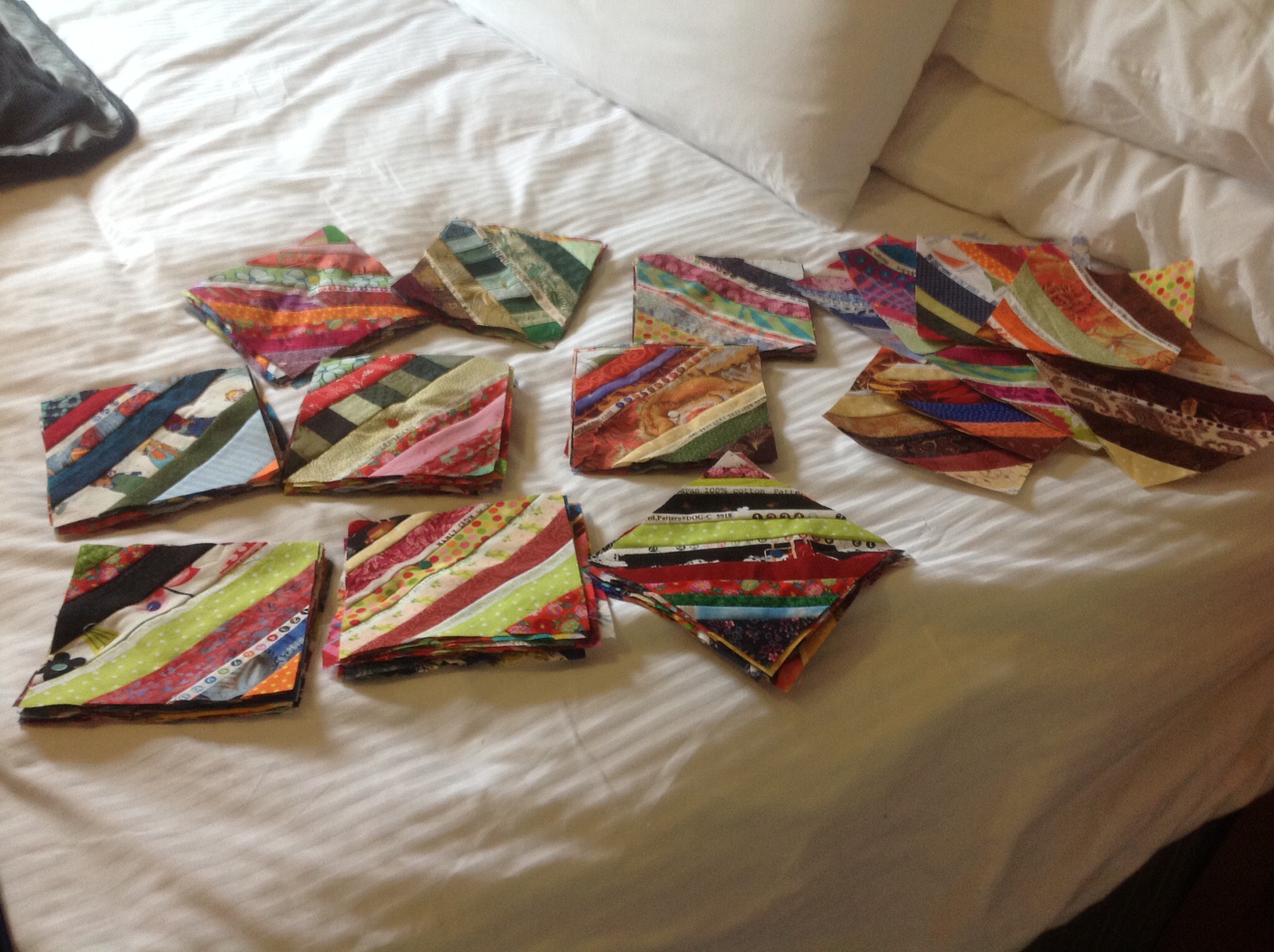
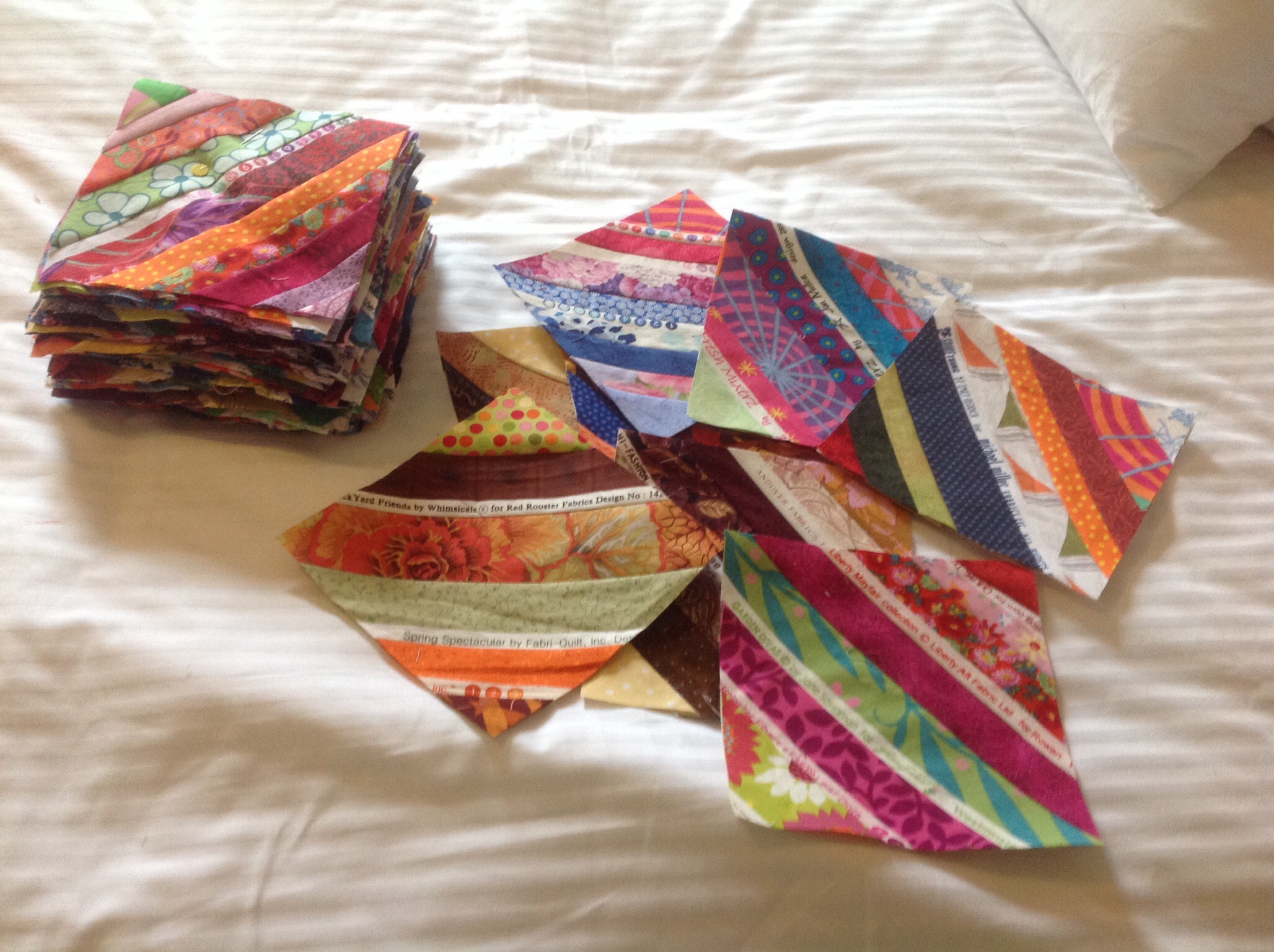
I pinned the blocks into piles of ten.  I have some ideas for using these blocks, but no set plan yet.  It will be fun devising a setting (or multiple settings) for these blocks.

98 blocks–and I have at least 13 at home:

image

image

image

I really like the way the words and the color dots on the selvages came out on these blocks.


Turkey Tracks: Wacky Weather

Turkey Tracks:  March 5, 2014

Wacky Weather

So…

I expected to have a little warmer weather here in Virginia than I left in Maine–where it has been bitterly cold while I have been gone.

It was REALLY cold here the first few days–especially since I brought jeans and summerweight t-shirts and sweaters.  I have sweltered down here in February on other trips.

Finally, the temps soared into the low 70s.

Then, the very next day, snow appeared in earnest.  All the schools closed for at least two days.

Here’s the view from the timeshare:

image

Turkey Tracks: Quilting Retreat

Turkey Tracks:  March 6, 2014

Quilting Retreat

I’m in Williamsburg, Virginia, with friends I’ve quilted with for about 18 years, save the past three.  It’s good to see them again.

We hunker down and SEW!  We eat when we want, leave to get out a bit when we want, sleep when we want, and so on.  There is a lot of laughter, lots of catching up with everyone, some serious conversations and lots of good listening.

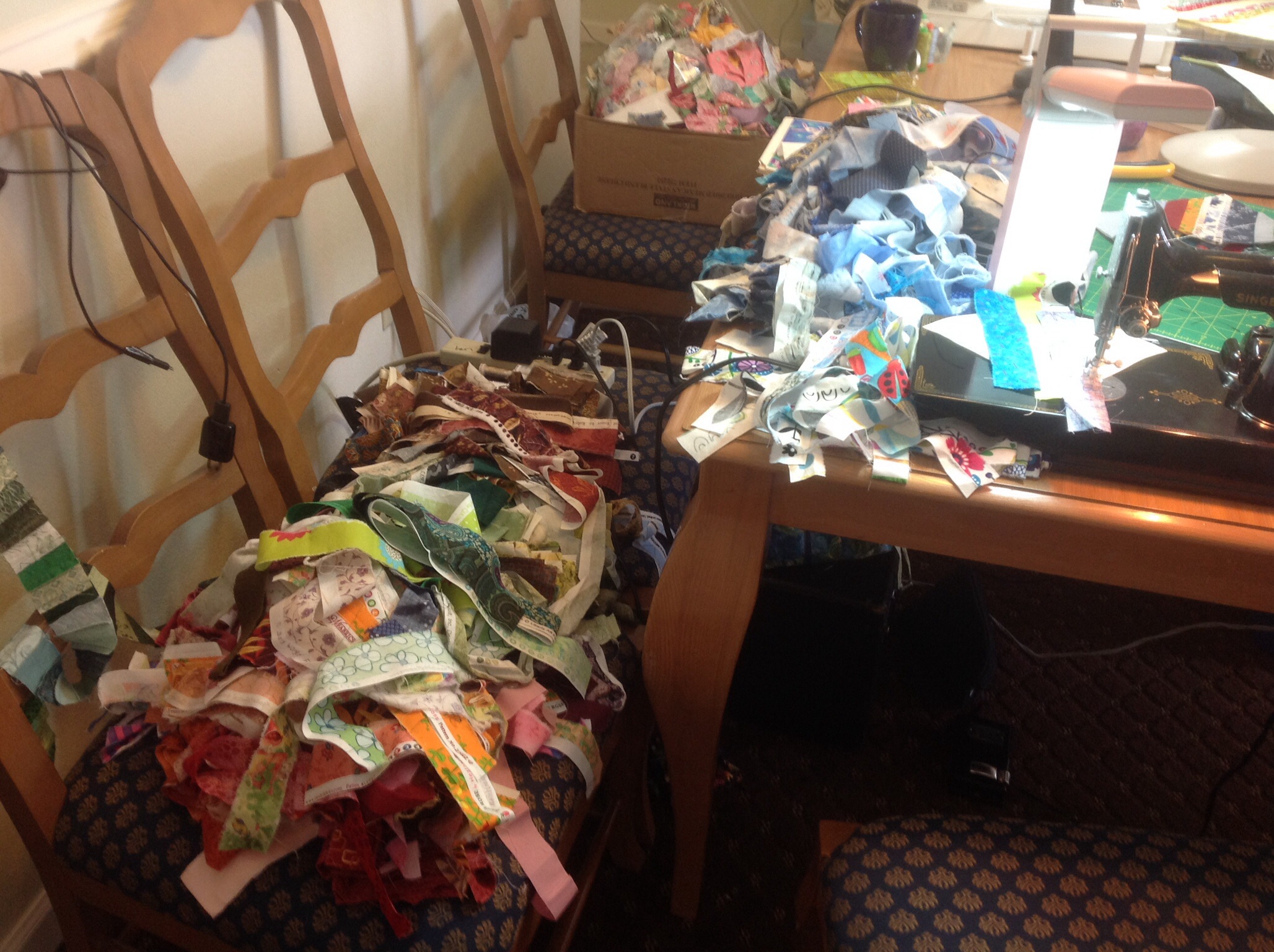
I’ve been ripping off selvages for the past year and leaving at least 1 1/2 inches of fabric.  More is even better.   And I’ve been saving all strips that are just under two inches, but uneven.  So, I’m strip piecing 6 1/2 inch blocks–using scrap paper as a foundation.  And piecing in all those words and little color dots that I can use.  The blocks are coming out really fun and interesting and colorful.

I color sorted and ironed before I came–to help packing space and to get a jump start.   And that has helped me get  more done.

Over 60 blocks after three days of intensive sewing.

Here’s my workspace–and I’m sewing on friend Rosy Pilkerton’s “Black Beauty”–a vintage Singer machine.

image

And from another view:

image

And from the back view:

image

I have lots more pictures of the folks here with me AND of the Mid-Atlantic Quilt Show, but they will have to wait until I get home Monday.