Turkey Tracks: Making and Eating Jennifer McGruther’s Vanilla Mint Ice Cream

Turkey Tracks:  June 21, 2014

Making and Eating Jennifer McGruther’s Vanilla Mint Ice Cream


I am making Jennifer McGruther’s Vanilla Mint Ice Cream today.

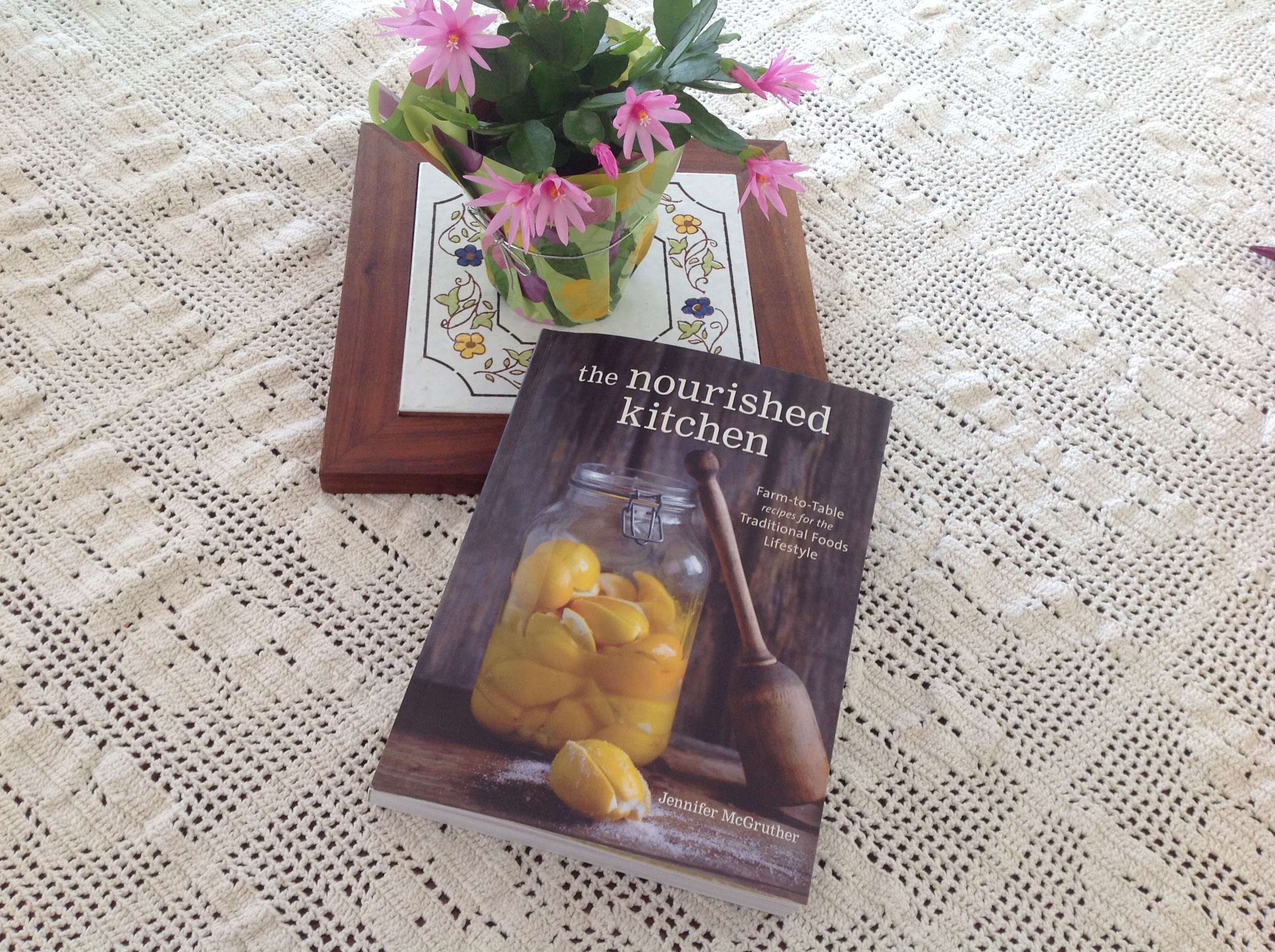
If you have not heard about McGruther’s new book THE NOURISHED KITCHEN–or discovered her outstanding web site http://www.nourished kitchen.com–you are in for a treat.

IMG_0255

This homemade ice cream recipe uses real mint leaves, a vanilla bean, real cream, egg yolks, and so forth.  Here’s the url to Jennifer’s web site and this recipe.

Vanilla Mint Ice Cream — Nourished Kitchen.

I can’t wait to try the finished ice cream.  My cream mixture is upstairs cooling its heels in the refrigerator right now.

I’m not at all sure I had enough mint–when chopped it didn’t make a full cup.  I have had mint from my Georgia grandmother’s garden for over 40 years now–and brought the mint from Virginia to Maine when we moved ten years ago.  I almost lost it this winter, but have discovered a few sprigs coming along.  Thank heavens as this mint is unlike most I’ve seen–it’s really strong and full of flavor.  It used to be my job when I was little to run out to the garden to get sprigs of this mint for the iced sweet tea at dinner time–the main meal served at noon when we were at my grandmother’s.  For today, I supplemented with a package of mint from the store, and it was very disappointing as I think its “oomph” was long gone.   I also think I needed TWO packages…

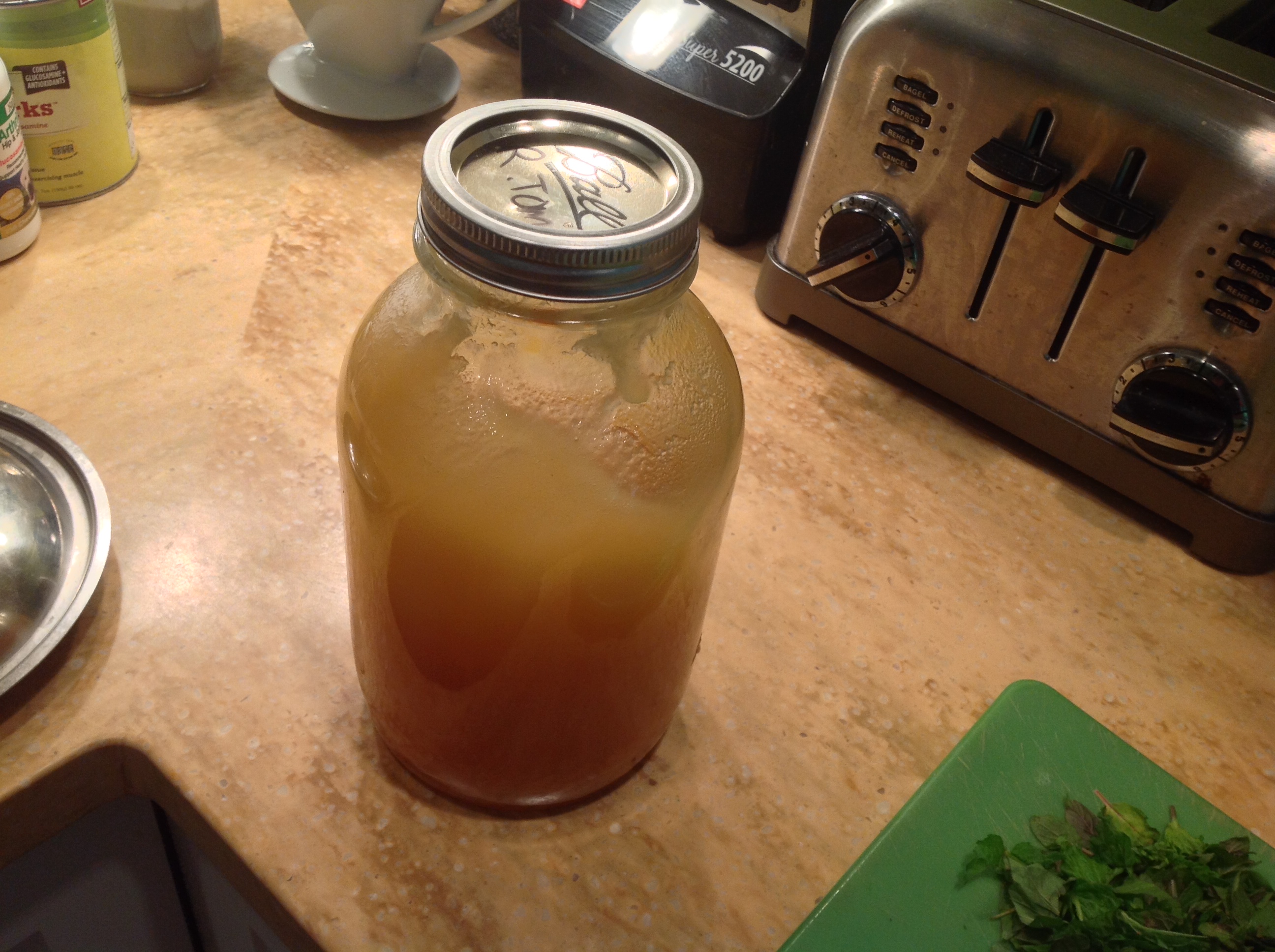
IMG_0298

The long black strand is a vanilla bean cut in half and ready to go into the warmed cream.  You know, somehow I’ve never actually used a vanilla bean.  The smell in the kitchen after it steeped in the warm cream was…awesome!

I get local honey by the half-gallon, and it’s used as the sweetener.  There is no danger of using laundered, fake honey if you find your local bee keepers.  A recent story I ran across said that about 75 percent of the honey in grocery stores is laundered honey.  (See earlier blog posts on this subject.)  If you are buying honey in a store, look for these claims on the label:  raw, UNHEATED, and a geographical area that is inside the USA.  Be especially cautious if the honey comes from South America.

IMG_0300


Here’s my cream–after heating, it’s ready for the infusing ingredients, and after steeping, it will be strained and cooled.  Isn’t it the loveliest color?  It comes from local Jersey cows.  Wait until I add my egg yolks, which are soy free and a rich, deep color.

IMG_0299

I’m also adding a heaping Tablespoon of arrowroot powder as it’s good for you and helps make the ice cream even smoother.  That’s a trick I learned from Sally Fallon Morell, the recipe developer in the classic book NOURISHING TRADITIONS–a genre from which Jennifer McGruther draws, most likely, her title and nutrient-dense whole foods inspiration.

Hmmm.  Should I top this ice cream with a tiny bit of chocolate sauce???

YES!  And it was delicious!

So, see, making home made ice cream is not hard–especially when you have such a beautiful recipe.  Best of all, YOU control the ingredients and will be giving your family a nutrient-dense food that is beyond delicious as a special treat!!!

THANKS, JENNIFER McGRUTHER!


Turkey Tracks: My 100th Quilt: Centurion

Turkey Tracks:  June 20, 2014

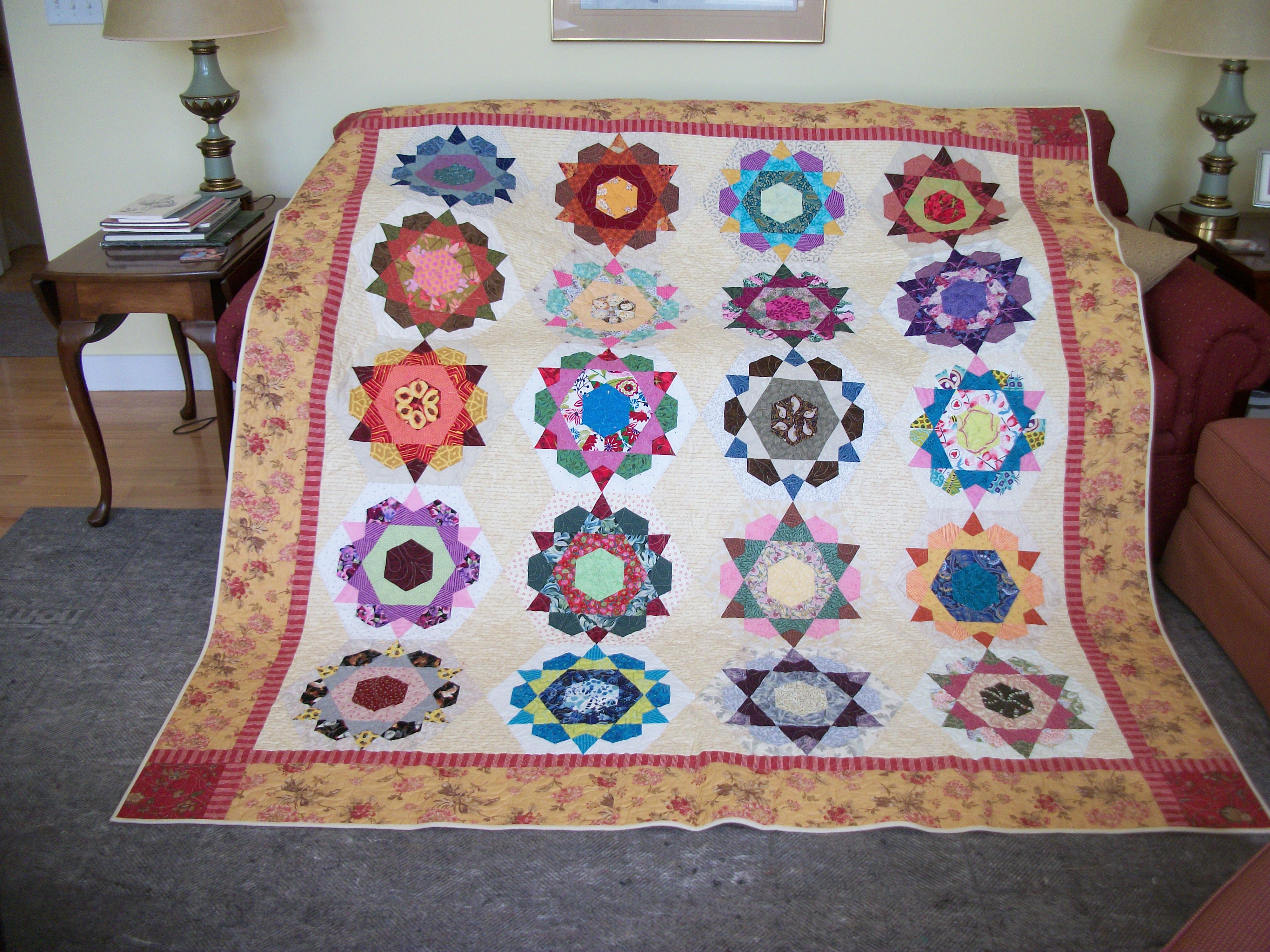
My 100th Quilt:  Centurion


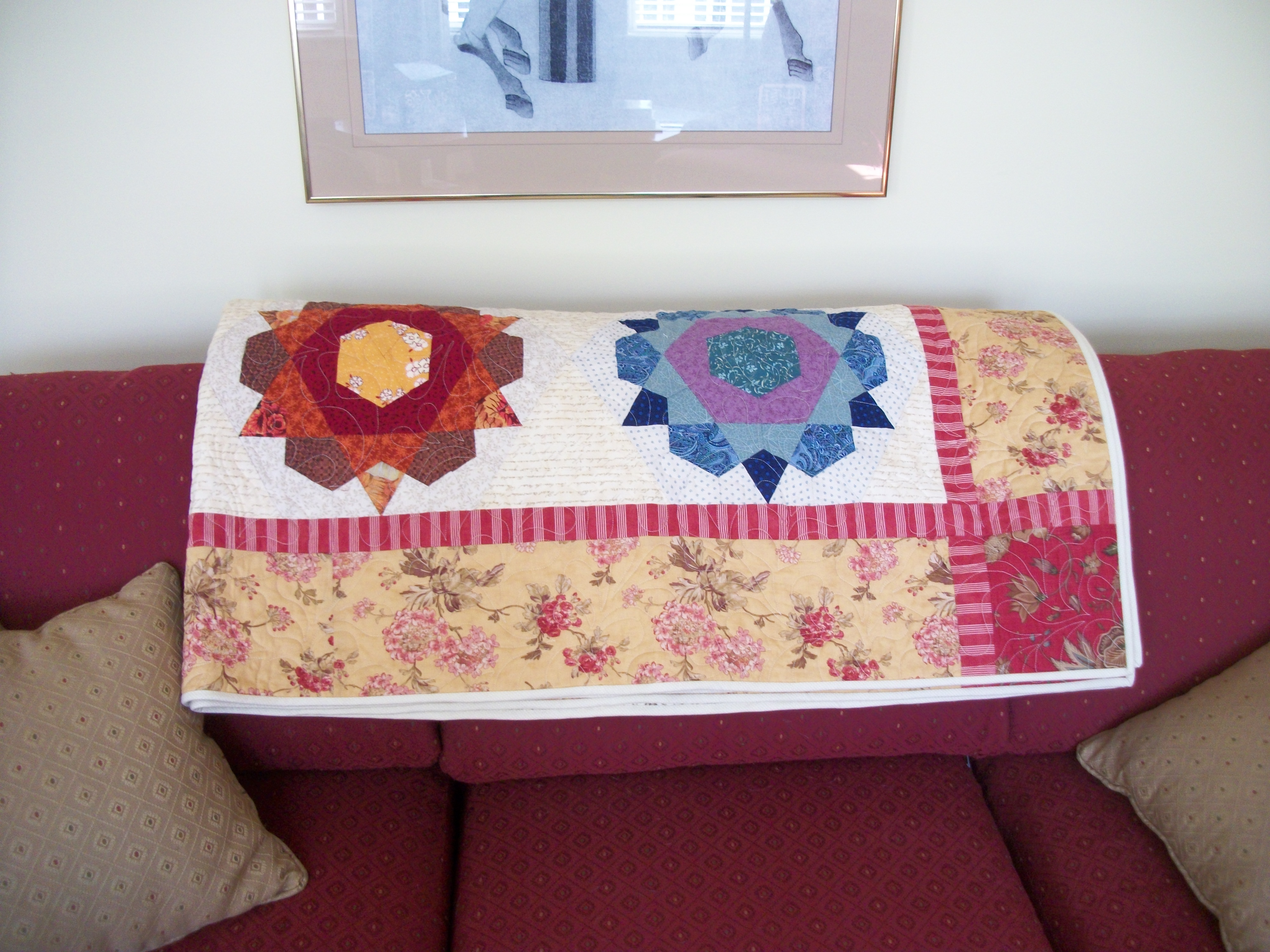
For those of you who have followed this blog over the winter, here are all the big hexies I mostly hand-sewed–and shared along the way–sewn into the quilt.  This pattern is from MATERIAL OBSESSIONS 2 by Kathy Doughty and Sarah Fielke.  There are two versions of ways to use these big hexies–all made with a little “kite”-shaped template.  This one is Kathy Doughty’s.  But I have to tell you that I love Sarah Fielke’s version as well and may well make it as a wall hanging one of these days.  I so enjoyed this project.  I wanted this 100th quilt to be something special, and I certainly think this quilt is spectacular.  If I had one thing to do over, it would be to make the border bigger.  Kathy did, and I wish I had made it 9 inches instead of 6 inches.  I’m not sure why I didn’t, actually…

Note that the rugs are out of the living room being cleaned.  They will be back next Friday, I think.  And in a few weeks, this couch will be replaced by one with a sort of cream-colored cotton slip-cover that can be washed.  This quilt will live in this room–and the picture above the couch–which dates from early on marriage–will be replaced with another picture or a quilt…


100_4020


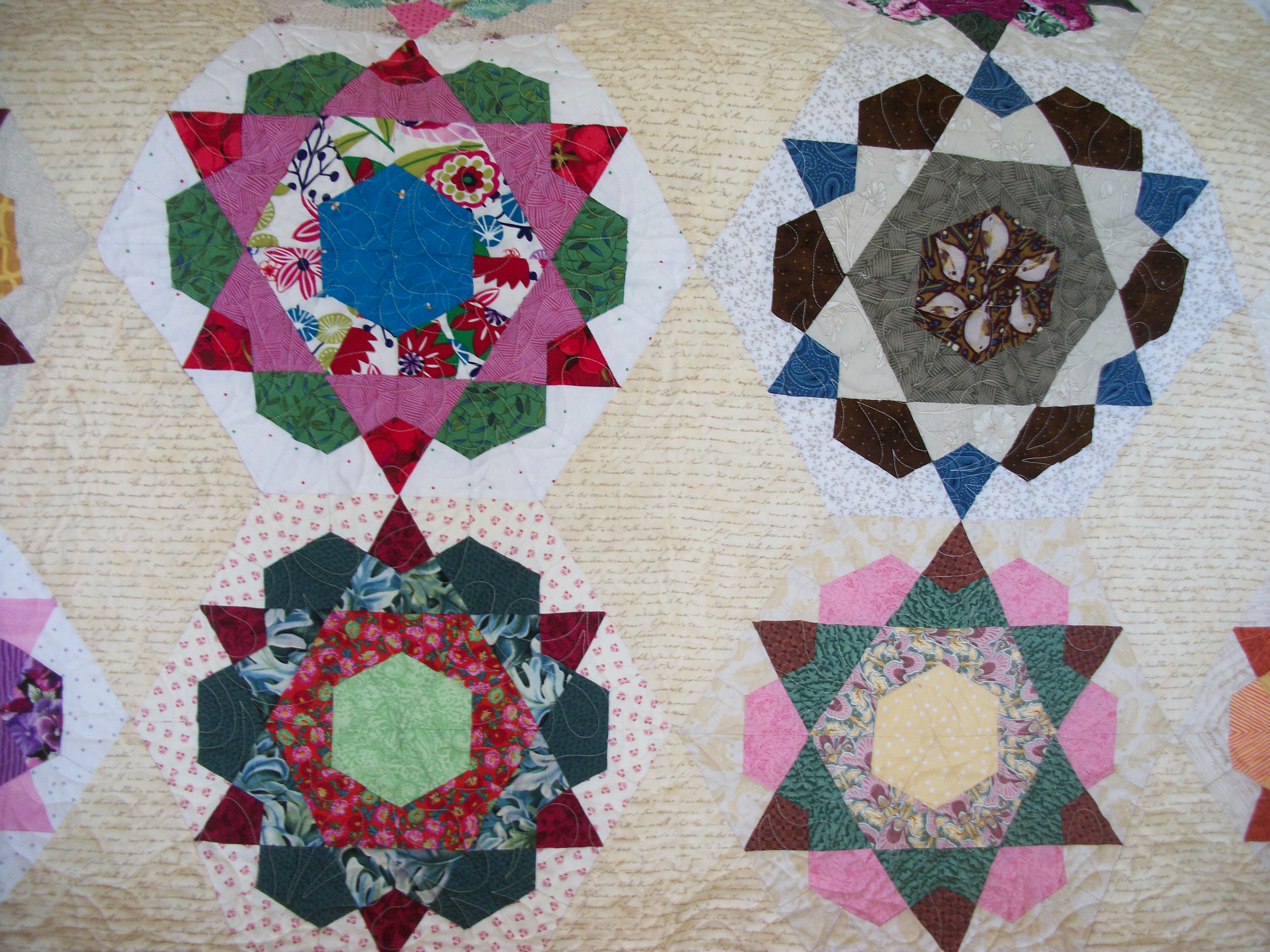
Here’s a close-up of one block and the corner treatment.  I had so much fun picking out the fabrics for each block.  As this is still a “scrappy” quilt made from my stash–except for the borders and the connecting diamonds–I didn’t pay much attention to how the blocks would work together…  I just had fun with each one…  See the chickens and bees?

100_4023


Here’s a close-up of that connecting diamond.  The big blocks, ideally, if one read the directions carefully as someone now writing did not as she was too excited to see the whole block together, are NOT sewn together fully but left in half–which allows the long diagonal line to be sewn–which makes installing the diamonds a snap.

100_4027

I quilted with a cream thread with a pantograph called “12-inch Simple Feathers” by Anne Bright–and it was perfect.

100_4024

100_4030


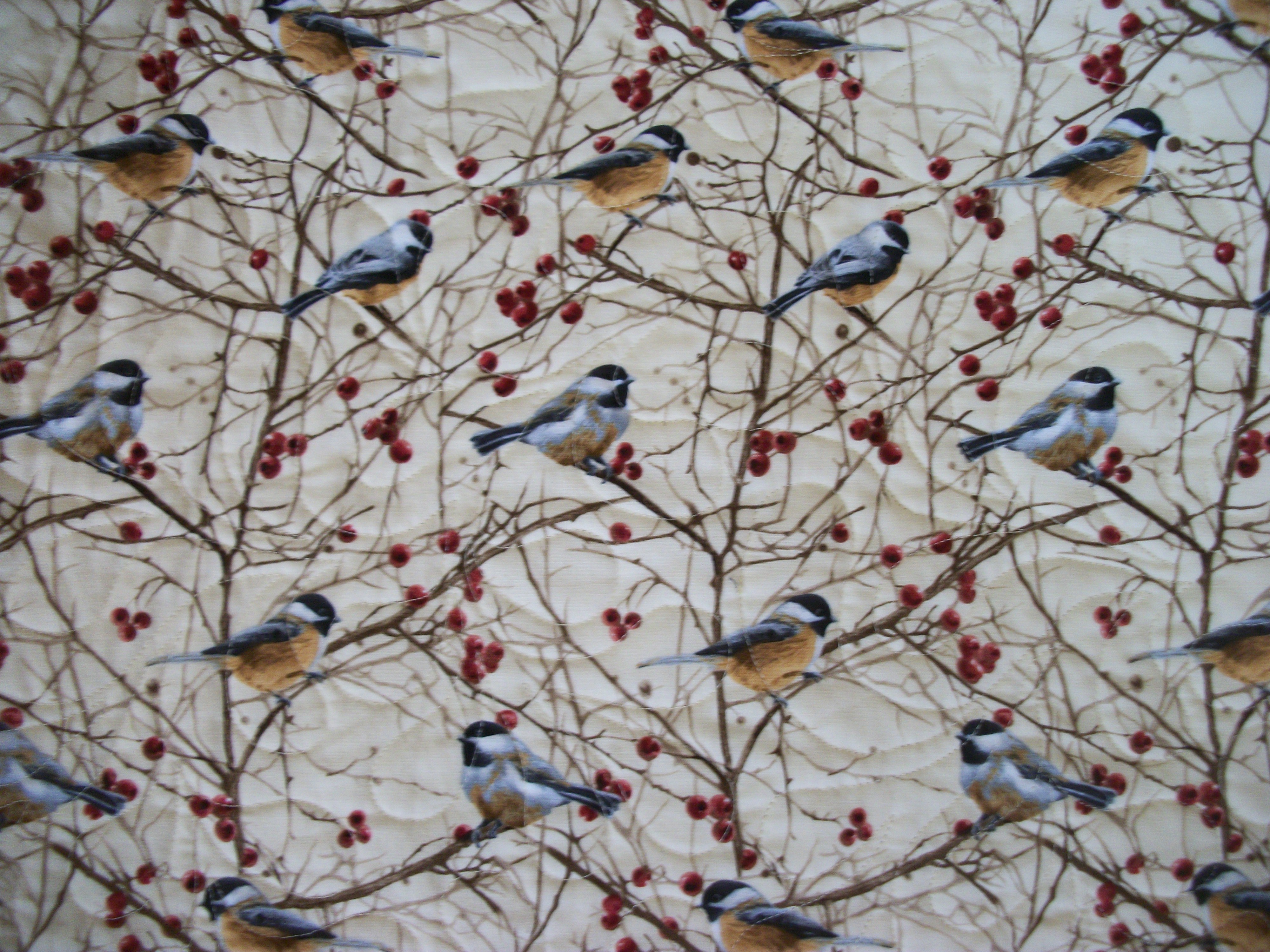
Here’s the backing fabric–which I thought about for the front big border until fellow quilter Jan Kelsey said she thought the gold fabric a better choice.  (Thanks Jan!)

100_4029

100_4028


I am looking forward to seeing someone curl up under this quilt with a book!  Remember, think cream slip covers…

100_4031

Turkey Tracks: Visiting Charleston, SC: Part III

Turkey Tracks:  June 18, 2014

Visiting Charleston, SC:  Part III


Son Mike, DIL Tami, and their youngest daughter picked me up on Wednesday morning.

We dropped off my suitcase and headed out for Middleton Plantation where we had a fabulous Southern lunch buffet style.  My plate carried fried chicken, collard greens, corn pudding, cornbread, green salad, and cole slaw.  There was, of course, sweet tea.

After lunch we had a fascinating tour of the remaining house–the original main house was destroyed in the Civil War.  I thought our Bryan family might have had a tenuous connection to the Williams family who brought Middleton to the Middleton family through the marriage of Mary Williams to Henry Middleton, but at first glance I can’t find the Bryan connection to the low country plantations.  The Bryan’s settled originally in the Albemarle, Virginia, coastal area, but spread south as numerous children came along.  Oh well, that’s a project for another day.

Here’s a nice picture–taken just above the “butterfly” lakes, with the Ashley river in the background.  This would have been the view from the main house.

100_3996

The grounds have a lot of farm animals–and a peacock, too.

100_4000

How special to have time on a Wednesday with two people who work!

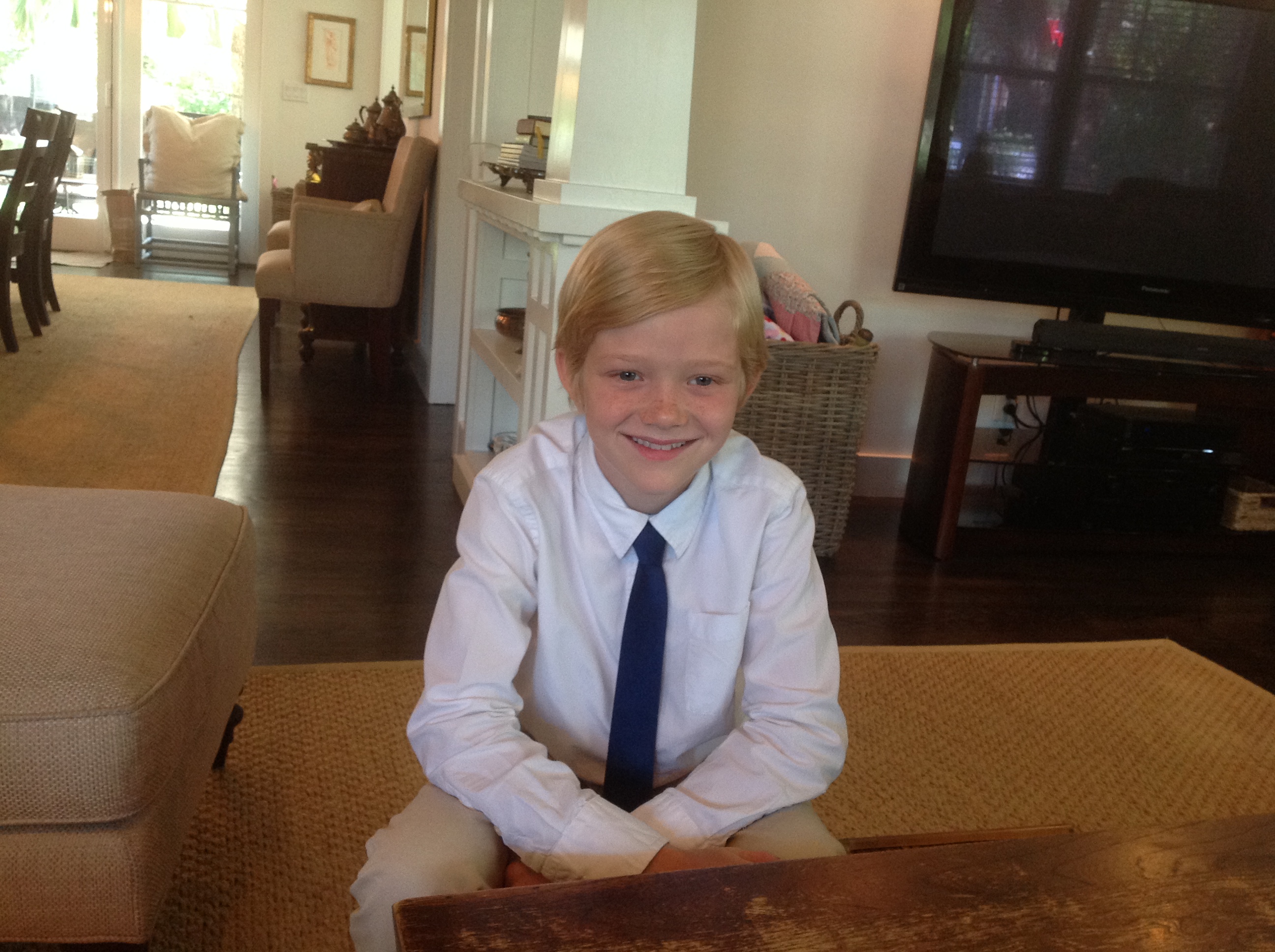
On Thursday, this guy “graduated” from a lower group of Montessori grades to a higher unit–which involves getting new teachers for the next few years.

IMG_0292

He’s grown very tall since last summer.  As has his older brother.

We had a terrific nature tour of the inland waterway and a deserted barrier island on Friday.  And here I slacked off as I did not take the camera with me.  As a result, I have no pictures of two of these grandchildren.  How dumb is that?

I do have a picture of the new puppy dog–a golden doodle:

100_4008

Honey DOES NOT SHED, is like an otter in the water, loves to play with the children, and is as soft as velvet.  Wow!  I suggested she go home with me to Maine but got no takers for that idea.

I had a lot of really good beach time with these children–including riding waves one day with the older ones.  There were many memorable meals–Mike is a terrific cook and made me GRITS topped with a pot roast stew and fabulous steaks.  There was a really fun and delicious dinner out for just the adults one night.  And, as with Bryan’s family, the time flew by and it was time to go home.

The boys will be coming up to Maine in August for a sailing camp–Mike will bring them–so we will have fun here as well.

It was a good visit, and I miss them all already!

Turkey Tracks: Visiting Charleston, SC: Part II.

Turkey Tracks:  June 18, 2014

Visiting Charleston, SC:  Part II


The second stop was to my son Bryan’s home.

The plan:  help Bryan with my two youngest granddaughters while Corinne attended a family wedding in Dallas, Texas, over the weekend.

Older sister models Cinderella shoes for me:

100_3949


Baby sister is Daddy’s Girl:

100_3956

Bryan and I survived until Sunday noon when Mommy came home.

Bryan made terrific meals for the girls and for us.  Here’s Big Sister’s dinner one night:

100_3971

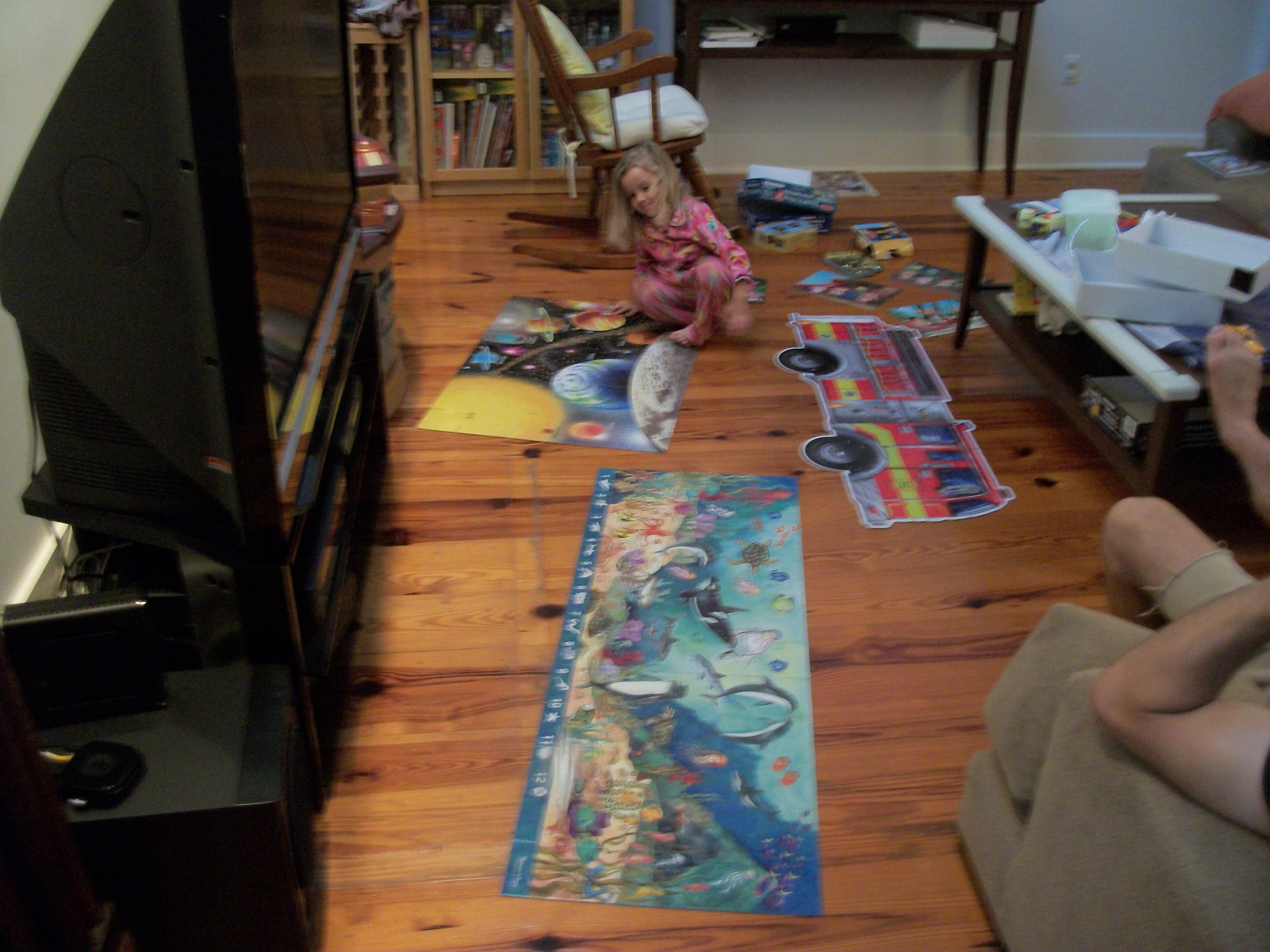
Big Sister LOVES puzzles and works five or six each night before bed.  She needs no adult help:

100_3974


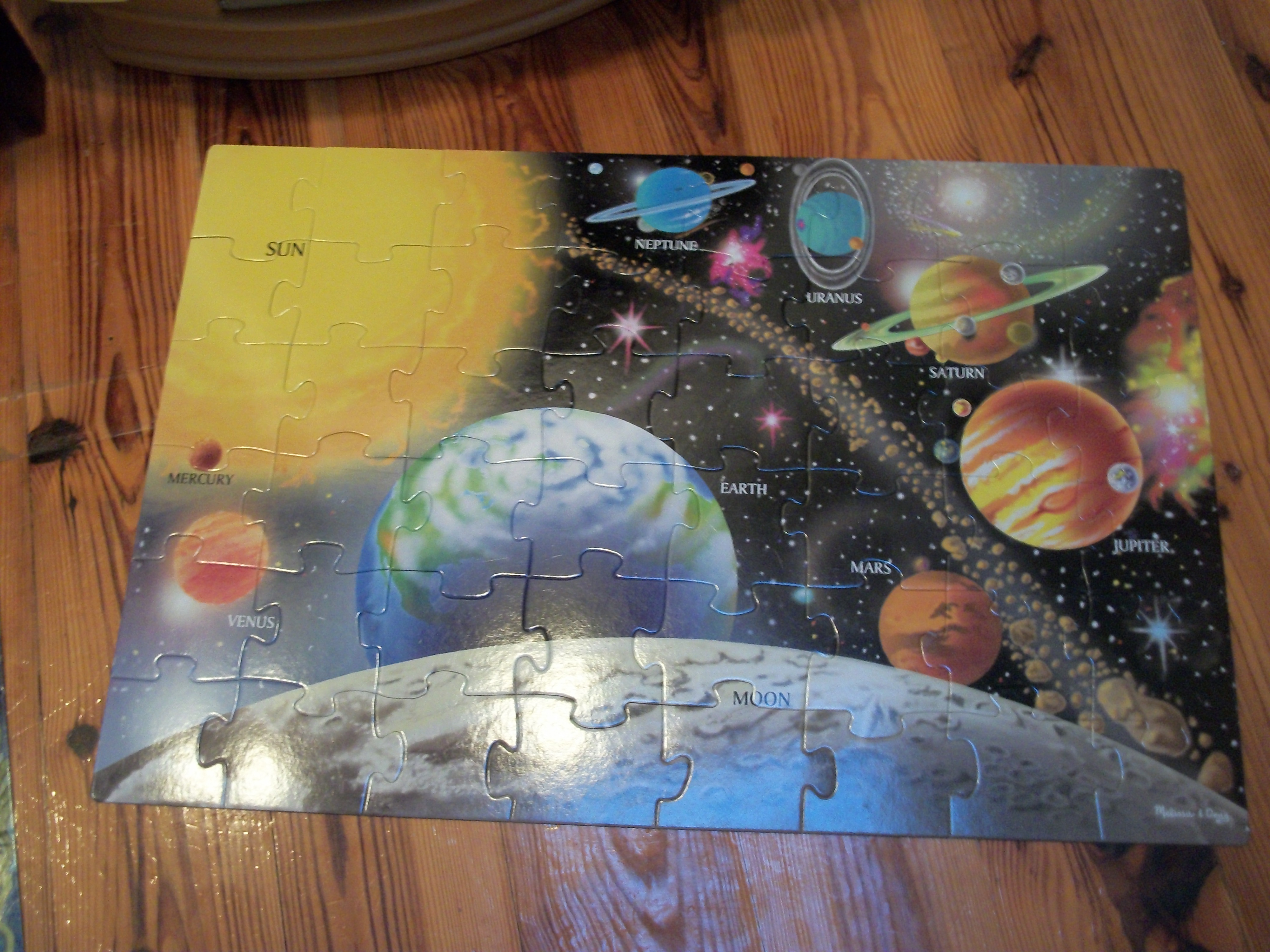
I love these 2 by 4-feet puzzles as well and will try to find her more of them.  They offer some really good learning opportunities in many ways.

100_3978

Corinne and I took the girls to the Charleston Aquarium on Monday and to the big Charleston library for a free, live performance of a “Puss and Boots” story–part of the big Spoleto/Piccolo annual festival in Charleston.

I am very impressed by how much live theater for children is occurring these days.

The girls love this big library–and we went home loaded down with books.

100_3989

The time we had together flew by…

This crew will be coming to Maine in September.

Turkey Tracks: Visiting Charleston, SC: Part I

Turkey Tracks:  June 18, 2014

Visiting Charleston, SC:  Part I


My family lives in Charleston, SC.

I live in Camden, Maine.

We visit back and forth, and I just came home from a family visit.  This visit was divided into three parts.

One goal this trip was to spend some time with Tara Derr Webb of the Farmbar and Deux Puces (two fleas) farm.   See url:  thefarmbar26.com.

Tara, in age, is exactly between my sons, who are 14 months apart.  She picked me up at the airport, and before too long, we were sitting on her dock–free for a moment as Tara’s husband Leighton volunteered to put the goats to bed.

IMG_0286


Here’s our view–back to the house:

IMG_0289

This kind of marsh grass is vital to the health and well-being of “the low country”–whose marshes and marsh creeks team with life.  The green is this year’s growth; the brown, last year’s.

IMG_0285

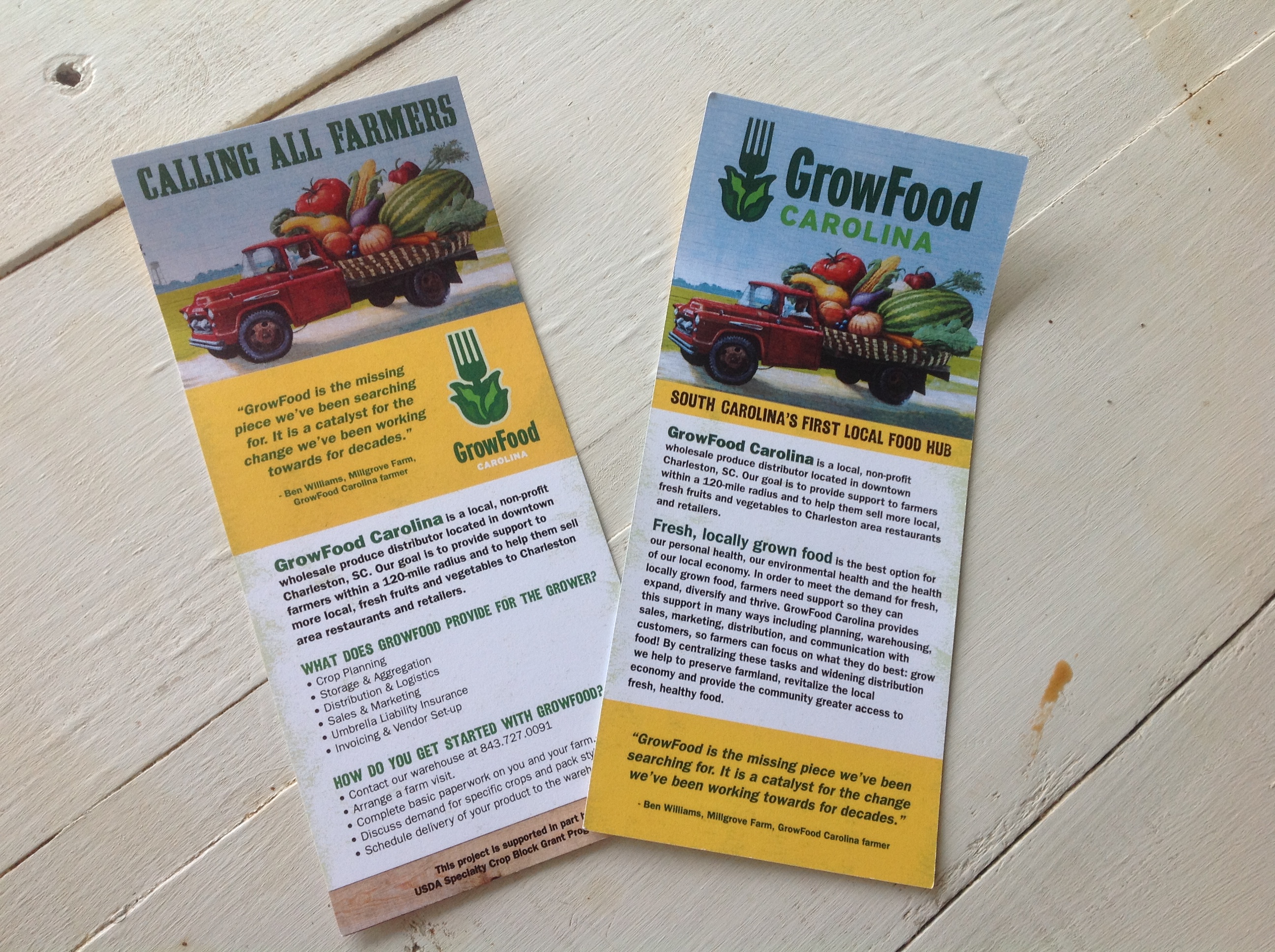
Part of what Tara and I did was to mount a lacto-fermentation workshop–so we shopped for food most of one day.  A crucial stop was Grow Food Carolina, which is a local wholesale produce distributor that supports farmer’s within a 120-mile radius of Charleston. There we got boxes of beautiful greens.

IMG_0284

A group of nine or so women came to the farm for the workshop.  Some were cooks, and some were artisans or entrepreneurs who will mount events at the farm featuring their work over the next year.  All, I hope, will enjoy the food they took home and will pass on what they learned.

IMG_0287


In any case, they all seemed to enjoy the event.

IMG_0288


Tara has forgotten more about food than I will ever know, so it’s always fun to eat/cook with her.  We made a number of meals, but we also visited a number of Charleston’s local restaurants.  One such was the newly opened Leon’s, which was delightful.

100_3946


100_3948


We also had, one day, a great hamburger at Sweetwater Cafe–where we sat outside at picnic tables.  The potato salad was so special.  And Five Loaves was another treat.

It’s a good thing I don’t actually live in Charleston as I would probably be a diabetic in two months time as the sweet tea is so delicious.

Tara has big, big plans for the Farmbar and Deux Puces.  It’s going to be a lot of fun to see how she develops her ideas in the years to come.

Interesting Information and Turkey Tracks: Weed/lawn Chemicals

Interesting Information and Turkey Tracks:  June 1, 2014

Weed/lawn Chemicals


Here’s a really lovely column from my neighbor Marina Schauffler on using lawn chemicals and weed killers.  This column appeared in the Maine Sunday Telegram today.

http://www.pressherald.com/life/Sea_change__Create_a_thriving_backyard_community_.html


Here’s an attempt to paste the column–not always easy with the ipad…


Sea Change: Create a thriving backyard community
See your yard as habitat, not lawn.

By Marina Schauffler

Landscape planners encourage us to visualize the area around our homes in terms of rooms that act as external living spaces. If we extend this idea, going beyond visions of upscale patios with grill stations, we can see our yards as habitats that help supply what we need to thrive: food, water, community and beauty.

Consider starting with “edible landscaping” – plants that provide fruits, blooms, roots and greens to enjoy through the growing season. Foraging opportunities include plants that typically have only decorative use – like daylilies and wild beach rose. Ample guidance exists for those seeking to create edible yards, thanks to the tireless efforts of Scarborough’s Roger Doiron, founder of Kitchen Gardeners International (kgi.org), and book authors like Rosalind Creasy and Lee Reich.

To generate abundant food, your backyard habitat will need consistent water. Gutters and rain barrels can capture downpours and help redirect water to plants during dry spells. Mulching with materials like shredded leaves or composted wood chips can help the soil hold moisture, and reduce the number of uninvited plants that take up residence. Mulching also helps feed the staggering number of microorganisms that share in the habitat underfoot: one square yard of healthy soil can contain more than a billion bacteria, fungi, nematodes, earthworms and other creatures reliant on organic matter. To keep them happy, factor a “compost room” into your yard design if you can, or sign up for a service like Garbage to Garden that takes away food scraps and delivers finished compost.

Many species that live within backyard habitats contribute to the health of the whole in ways we’re only beginning to understand. It helps, therefore, to approach yard management with humility – striving to observe carefully, learn continually and consider the essential needs of other creatures. In her book “Suburban Safari,” South Portland writer Hannah Holmes characterizes this as a move from “biological boss” to “benevolent dictator.”

In an increasingly developed and polluted world, our yards need to be a safe haven. Consider, for example, a pair of warblers that takes up residence in a nearby bush. They’ve migrated thousands of miles, possibly from wintering grounds compromised by deforestation. That journey, made more challenging by light pollution, may have been through areas of drought where food and water were scarce. Their grassy nest is interwoven with ubiquitous plastic trash. Will the yard they rely on for insects be doused with toxic lawn-care  products?

If we take a communal view of our yards and acknowledge the needs of all the resident creatures, applying pesticides becomes a short-sighted and untenable choice. By definition, habitats are places that foster life, so deliberately introducing a far-reaching agent of death produces a fundamental conflict. E.B. White described this paradox in his 1949 poem “Pasture Management” (see sidebar) about the herbicide 2,4-D. Still a common ingredient in lawn-care products (with more than 40 million pounds applied annually in the US), 2, 4-D is linked in numerous studies to groundwater contamination, wildlife die-offs and non-Hodgkin’s lymphoma.

As White demonstrates, taking a more benevolent view of our fellow species moves us beyond the spray-bottle illusion that we can eliminate unwanted “pests.” When we see ourselves as part of an interdependent community of organisms, we gain confidence that imbalances will rectify themselves if we foster the health and resilience of the whole. That principle applies in our yards, and in our watersheds – where our backyard actions have impacts far downstream.


PASTURE MANAGEMENT

E. B. White

Down below the pasture pond,
O’er the lovely lea,
I went spraying bushes
With 2,4-D.

(For young, susceptible annual weeds,
apply one to two pints per acre.)

I had read my bulletins,
I was in the know
The two young heifers
Came and watched the show.

(Along ditches and fence rows, use 2,4-D when weeds
are in a succulent stage. Won’t harm livestock.)

Rank grew the pasture weeds,
The thistle and the bay;
A quiet, still morning,
A good time to spray.

(Control weeds the easy way with Agricultural Weed-No-More –
not by chemical burn but by hormone action.)

Suddenly I looked and saw
What my spray had found:
The wild, shy strawberry
Was everywhere around.

(An alkyl ester of 2,4-D is produced by
reacting alcohol with the raw 2,4-D acid.
The result is an oily liquid that sticks to weed leaves.)

What sort of madness
Little man is this?
What sort of answer to
The wild berry’s kiss?

(Any 3- or 4-gallon garden pump-up sprayer
can be used, after the standard nozzle
has been replaced with a new precision nozzle.)

It seemed to me incredible
That I’d begun the day
By rendering inedible
A meal that came my way.
All across the pasture in
The strip I’d completed
Lay wild, ripe berries
With hormones treated.

(The booklet gives you the complete story.)

I stared at the heifers,
An idiot child;
I stared at the berries
That I had defiled
I stared at the lambkill,
The juniper and bay.
I walked home slowly
And put my pump away.
Weed-no-more, my lady,
O weed no more today.
(Available in quarts, l-gallon and 5-gallon cans, and 55-gallon drums).

— E.B. White, “Poems & Sketches of E.B. White”

A BETTER BACKYARD HABITAT

1. Learn more about ecological practices to foster healthy lawns and gardens at sites like
http://www.yardscaping.org
and
http://www.cascobay.org/bayscaping
Visit the yardscaping demonstration garden along the Back Cove in Portland.
2. Think soil health before lawn care. Take a soil sample – kits are available through county Cooperative Extension offices – and build organic matter (leave grass clippings on the lawn and top-dress each season with a quarter-inch of fine compost).
3. Avoid a summer buzz cut: Mow at a height of 3 inches since taller grass withstands drought better and helps shade weed seeds.
4. Create diversity: Consider replacing some of your turf with native plants, flowering shrubs and groundcovers.
5. Go native: Avoid botanical thugs like purple loosestrife, burning bush and Asiatic bittersweet. Read “Gardening to Conserve Maine’s Native Landscape” at http://www.umaine.edu/publications/2500e/
6. Look online to find the Material Safety Data Sheet for any substance you (or your lawn-care firm) might apply. For reference, read “The Organic Lawn Care Manual” by former Maine resident and Safe Lawns founder Paul Tukey.

Marina Schauffler, Ph.D., is a writer and environmental consultant who runs Natural Choices (naturalchoices.com). She is also a volunteer Master Gardener.


Turkey Tracks: I’m in Charleston

anTurkey Tracks:  May 27, 2014


I’m In Charleston


Hello Everyone,


I’m in Charleston–and will be for the next two weeks.

I’m visiting my two sons, who live two blocks from each other on Isle of Palms–which is just north of Charleston harbor.  AND, I’m staring my visit with my old young friend Tara Derr Webb and her husband Leighton Webb of Awendaw, SC.  They are the owners of the Farmbar project (farm to table food and the products of the most amazing farms and fiber makers) and of Deux Peuces Farm (two fleas–they are the two fleas).  Tara falls in age between my two sons, so I’ve known her almost as long as I’ve known them–minus a decade maybe.

Tara and I are working on her farm–there will be a workshop later today to make lacto-fermented foods and to teach others from the Farmbar community to make them.   And we are off in a minute to round up the food for the workshop.  I came prepared with books (Sandor Ellis Katz’s WILD FERMENTATION, for one) and a handout that includes gut health issues and information about The Weston A. Price Foundation.

This morning we shared this page from Thich Nhat Hanh’s HOW TO SIT:

DOING LESS

Many of us keep trying to do more and more.  We do things because we want to make money, accomplish something, take care of others, or make our lives and our world better.  Often we do things without thinking, because we are in the habit of doing them, because someone asks us to, or because we think we should.  But if the foundation of our being is not strong enough, then the more we do, the more troubled our society becomes.

Sometimes we do a lot, but we don’t really do anything.  There are many people who work a lot.  There are people who seem to meditate a lot, spending many hours a day doing sitting meditation, chanting, reciting, lighting a lot of incense, but who never transform their anger, frustration, and jealousy.  This is because the quality of our being is the basis of all our actions.  With an attitude of accomplishing, judging, or grasping, all of our actions–even our meditation–will have that quality.  The quality of our presence is the most positive element that we can contribute to the world.

Here’s a not-so-great picture of Tara on her porch this morning–in between chores.  I will take pictures while I am here for later–the ipad isn’t so great for the blog.


image


Interesting Information: Jello…is Toxic!

Interesting Information:  May 24, 2014


Jello is Toxic!


Last summer when the kiddos were here, one had severe stomach upset and diarrhea.

We tried all the good cures:  applesauce, bone broths, banana.   Not much was working.  Jello, we thought.  That might help.

We went to the store and bought several packages of fruity jello.

Then we got home, read the labels–which we should have done in the store–and threw out the packages.

There was NO WAY we were feeding this jello to anyone.

And it’s not just a matter of A LOT of sugar…

The ingredients are…scary.

Slide13


Niece Nancy Howser Gardner sent me this post from the Food Babe blog–where the writer goes into much more detail about why these ingredients are extremely problematic.

http://foodbabe.com/2014/05/21/this-childhood-favorite-has-a-warning-label-in-europe-why-not-here/

***

Gelatin from healthy animals is laden with minerals and nutrient-dense fats and lots of other ingredients.  This gelatin is what makes a good broth…into jello.

Apparently it’s easy to make delicious gelatin desserts by using a safe, clean source of gelatin.  It’s something I’m going to try this summer.

I’ll keep you posted if a really good recipe develops.


Interesting Information: “Ingredients” Documentary Looks at the American Food System

Interesting  Information:  May 24, 2014


INGREDIENTS

A New Documentary

Dr. Joseph Mercola posted a blog on the new documentary Ingredients recently.

This blog post of mine is not included under “Books, Documentaries, Reviews” because I have not yet seen this film

Here’s part of what Dr. Mercola’s blog says.  There is more, of course.  I put the url at the bottom of this entry.  Do pay attention to the real costs incurred in “cheap” food.  And note that on average Americans pay less than 7% of their income for their food weekly–yet what you put into your body about three times a day has real and important connections to your well being and health.  Poor health, as is noted below, is expensive.


The American food system is nearing a state of crisis. Ingredients is a documentary that explores the failings of the industrial food model, and how the local food movement is gaining momentum as a far better alternative. The film presents a refreshing look at food from the standpoint of sustainability, safety, flavor, nutrition, culture, and community.

This documentary takes us across the US from the urban food deserts of Harlem to the biodynamic farms of the Hudson River and Willamette Valleys, and into the kitchens of several celebrated chefs—culinary game-changers who are teaching us all how to eat better.

The current system, focused on cheap convenience foods, is costing Americans dearly. Most Westerners have lost their primal connection to food. Mealtimes used to be savored and shared with others.

Food preparation is now typically viewed as a chore that interferes with other “more important” activities. This detachment from food represents a cultural “disconnect” between humans and the earth, to the detriment of both. It’s time for radical changes to our modern food paradigm, which is the subject of this uplifting documentary.

The Exorbitant Cost of ‘Cheap Food’

Americans have become dependent on cheap convenience foods that can be “prepared” in five minutes or less—or without taking both hands off the steering wheel. More than 17,000 new processed food products are introduced each year. Bright, catchy packaging conceals foods laden with chemicals, unhealthful fats, and high fructose corn syrup, all of which contribute to today’s skyrocketing rates of obesity and illness, especially among our youth.

Americans spend less on food than any other industrialized nation—an average of $151 per week, which amounts to less than seven percent of their income. How can such a low value be placed on something so important for your health and longevity?

The US beef industry has managed to cut its prices in half since 1960. Unfortunately, cheap food contains cheap and toxic ingredients… and you get what you pay for. Food imports have increased four-fold over the past decade, overwhelming the FDA with inspections. Of the 200,000 shipments from China in 2006, less than two percent were sampled for quality and safety.

“Cheap food” isn’t cheap when you consider all of the hidden costs associated with it. You make your first payment at the grocery store—just consider this your down payment, because you may be paying for it FIVE more times!

  1. Subsidies: At tax time, you pay for “cheap food” a second time with your contribution to agricultural subsidies. Processed food is mostly corn, canola, soy, rice, wheat, and sugar. These products (along with cotton) account for 98 percent of subsidies.
  2. Foodborne Illnesses: You may pay for cheap food a third time if you visit your doctor as a result of foodborne illnesses. CDC estimates that foodborne illnesses such as E. coli and salmonella cause 5,200 deaths each year in the US. Mass scale operations are riddled with quality control problems, leading to outbreaks of illness and food recalls.
  3. Chronic Disease: You pay for it a fourth time if you return to your doctor later for a chronic illness—heart disease, obesity, diabetes, stroke, and cancer—consider these “foodborne” illnesses that just take a little longer to manifest. According to CDC, one in three children born in the year 2000 will develop type 2 diabetes.
  4. Environment: As soon as the factory farmer files for bankruptcy and leaves, you pay for your food a fifth time. This is what often happens when they are asked to clean up their land—a monumental expense that often results in bankruptcy, sticking the rest of us with the tab.
  5. Energy: The sixth time is when you pay your fuel bill. Processed foods and imported foods have an extremely large energy footprint. One-fifth of US fossil fuel consumption goes to the growing, packaging, and transporting of food.


http://articles.mercola.com/sites/articles/archive/2014/04/19/ingredients-documentary-american-food.aspx


Turkey Tracks: POPCORN!

Turkey Tracks:  May 21, 2014

POPCORN!


Ok, I’ll confess.

I LOVE popcorn!

Always have.  Always will.

BUT, BUT, I don’t eat it very often.

It’s a grain that has very little nutritional value, and it makes me fat.

So, popcorn is a rare treat for me.  I indulge maybe about every six months or so.  I love to make it for “movie night” when the grand kiddos are here.

I use an air popper and organic popcorn.  Air poppers are not expensive.  Organic popcorn does not have GMO issues, which are serious.  There’s no messy pan cleanup.

The problem with popping in oil is…the oil.  Most vegetable oils are highly-processed, rancid, and nothing but trouble for your heart.  You could try unprocessed/unheated coconut oil or, even, beef or pork fat from grass-fed/holistically raised animals.  All of these fats can take a lot of heat.

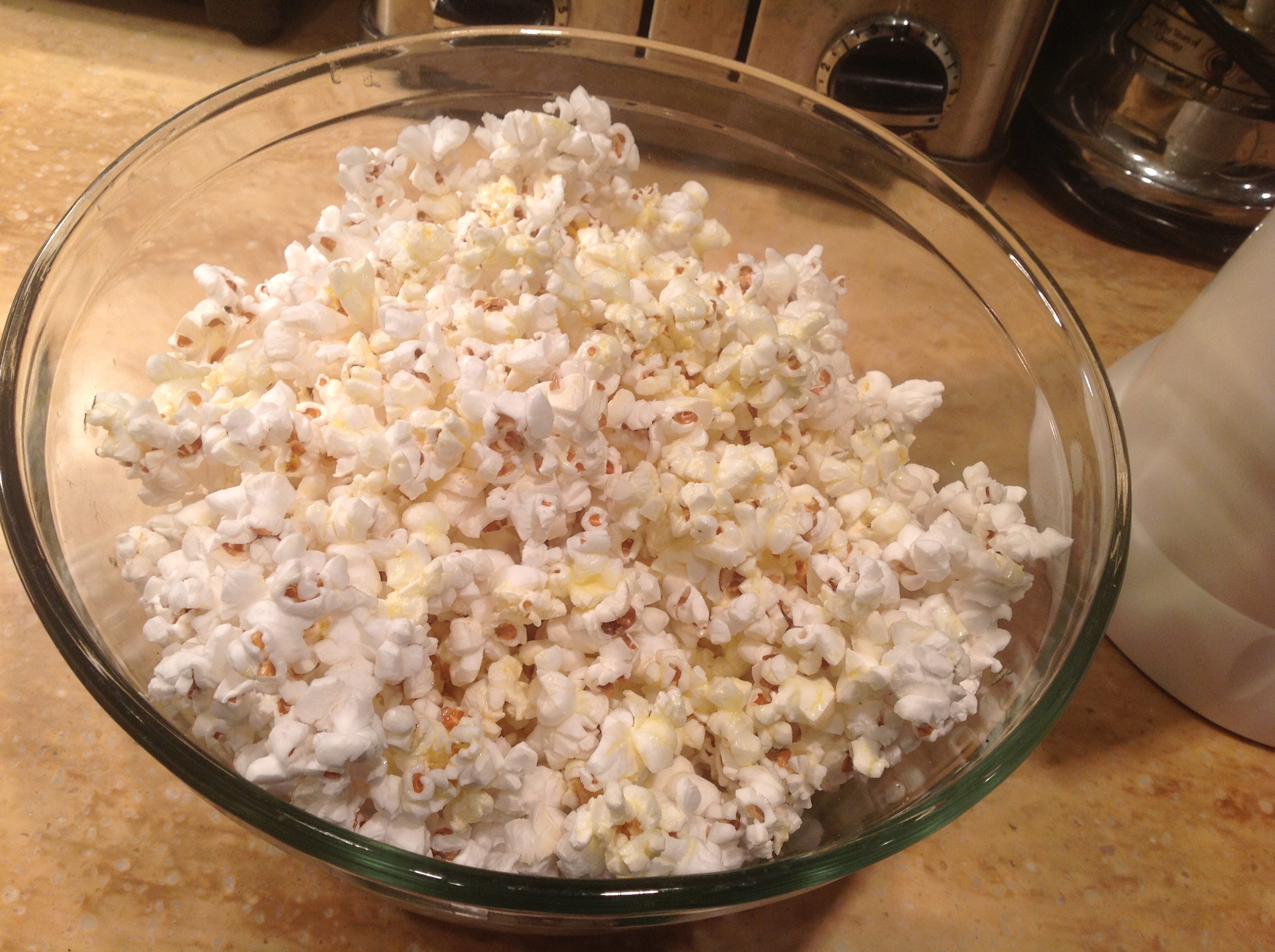
When the popcorn is done, I sprinkle it with real sea salt and drown it with my wonderful, raw butter melted.  (You can’t eat too much raw butter.)

IMG_0209

Yum Oh!  Just look at that popcorn!

IMG_0210


I hope you all know NOT TO USE THOSE MICROWAVE POPCORN sacks in a microwave.  They are full of ingredients that are terribly harmful.  Google and you’ll turn over that info in a New York minute.

No, no, no, no….!!!

Now you’ll hear my voice echoing in your head…